
Key Takeaways
- Manual resident approval creates delays, higher labor costs, and security risks for Florida HOAs in 2026.
- Automated approval platforms reduce processing times, cut administrative work, and provide consistent, documented workflows.
- Specialized software supports compliance with Florida Fair Housing requirements, HB 43, and screening fee rules.
- Digital dashboards improve board transparency while online applications offer a smoother experience for applicants and realtors.
- Tenant Evaluation helps Florida HOAs modernize approvals and compliance; schedule a demo to see the platform in action.
The Tangible Costs of Manual HOA Resident Approvals in Florida
Hidden Costs: Time, Money, and Administrative Burden
Manual resident screening processes create significant operational inefficiencies, with managers spending countless hours on document chasing, data verification, and paper-based administrative tasks that pose security risks to sensitive information. Community Association Managers spend large portions of the day tracking missing paperwork, clarifying instructions, and correcting incomplete forms from applicants, realtors, and owners.
The financial impact extends beyond payroll. Slow approval processes directly impact HOA revenue by delaying leases or sales, but automated systems can reduce approval times by up to 70% compared to outdated manual methods. When files remain on desks or in inboxes for weeks, associations postpone move-ins, lose fee income, and face growing frustration from applicants.
Navigating the Minefield of Florida HOA Compliance Risks
Florida HOAs operate within strict federal and state rules on resident screening. Florida HOAs must comply with Fair Housing Laws by avoiding questions about protected traits (race, religion, national origin, sex, family status, disability) and must permit service and emotional support animals in all communities regardless of no-pet policies. Consistent, documented processes help reduce the risk of inconsistent treatment.
The rules around fees and screening reports also changed in recent years. Florida’s HB 43 (effective July 1, 2025) allows applicants to submit reusable screening reports across multiple applications, requiring HOAs to adjust fee structures and cannot charge extra processing fees for compliant reusable reports. In addition, screening fees must be explicitly authorized in HOA governing documents (declarations or bylaws) and must reflect actual costs; lacking authority requires formal amendment to protect against legal challenges.
The stakes for non-compliance remain high. Non-compliant screening practices result in serious penalties including fines, fair housing violation lawsuits, data breaches, and reputational harm that directly impacts property values. Documented, automated workflows reduce these risks.
Lack of Transparency and Board Disconnect
Manual processes limit visibility for board members. Without a shared dashboard or status view, boards often receive partial information, outdated spreadsheets, or long email threads. That lack of transparency leads to rushed decisions, unnecessary delays, and confusion about who is responsible for each step.
Centralized digital tools give managers and boards a single source of truth for each application, which supports faster, more consistent approvals.
The Solution: Modernizing Your HOA Resident Approval Process with Integrated Software
Increase Efficiency With Digital Workflows
Modern HOA approval platforms replace paper packets and email chains with structured online workflows. Applicants complete forms and upload documents through a secure portal, and the system routes each file to managers or board members based on your rules. Built-in logic checks for missing or inconsistent information before submission, which reduces back-and-forth communication.
Many associations report that automation frees dozens of staff hours each week, which allows managers to focus on operations and resident service instead of paperwork.
Support Florida Compliance and Data Security
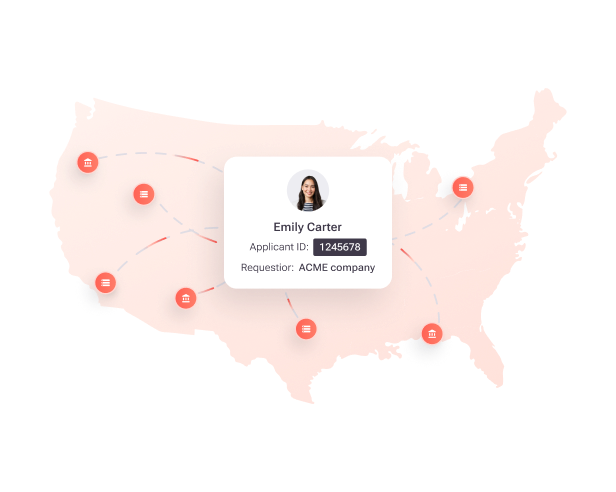
Specialized HOA software incorporates Florida-specific requirements into everyday workflows. Platforms track Fair Housing considerations, HB 43 reusable screening rules, and screening fee documentation so teams do not rely on memory or ad hoc checklists.
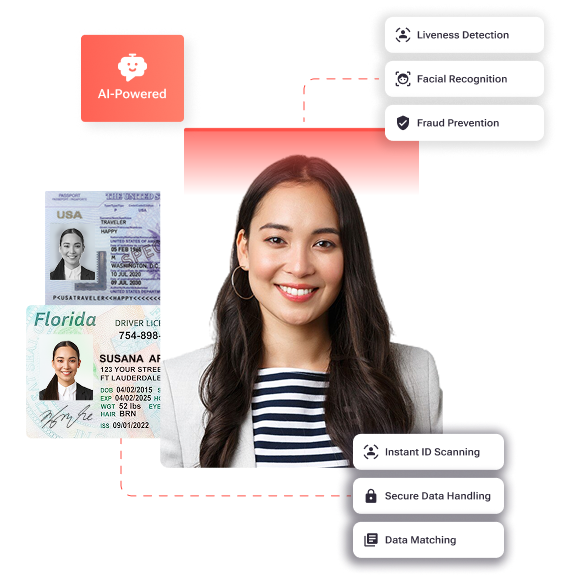
Strong security controls protect sensitive resident and applicant data. Many systems provide PCI Level 1 compliance, encryption, and automated redaction of personal identifiers. Background check accuracy and reliability are essential components of the resident screening process, with specific best practices available to improve the quality of Florida HOA resident evaluations.
Give Boards Clarity and Control
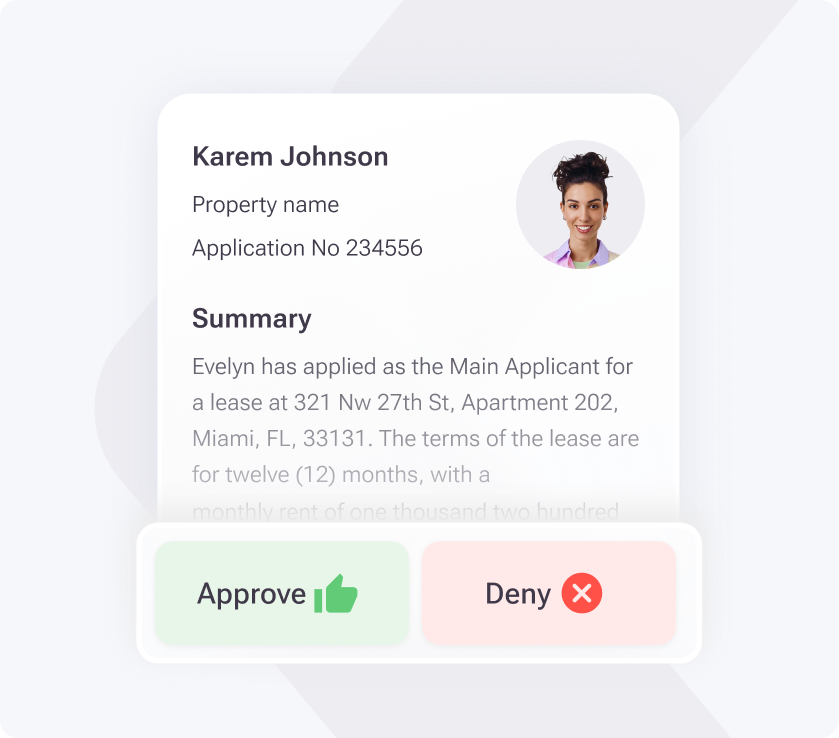
Purpose-built dashboards keep boards informed without creating extra work for managers. Board members can view application queues, review AI-generated summaries, and see how long approvals take at each step. Voting tools record decisions inside the platform and create a clear audit trail.
This structure supports faster meetings, more consistent decisions, and documented board actions that help protect the association and its volunteers.
Improve the Applicant and Realtor Experience
Online, mobile-friendly applications reduce friction for residents and realtors. Applicants can submit forms, pay fees, and check status from any device. Automated notifications keep everyone updated when applications move from review to board consideration to final approval.
Many platforms add multilingual, 24/7 support, which helps applicants understand requirements and complete submissions correctly on the first attempt. Faster approvals support earlier move-in dates and quicker revenue for the association.
Traditional vs. Automated: A Head-to-Head Comparison for Florida HOAs
|
Feature/Aspect |
Manual Process |
Integrated HOA Software |
|
Application Processing Time |
2–4 weeks average |
3–5 days average (about 70% faster) |
|
Compliance Management |
Manual tracking, higher error risk |
Automated, Florida-focused rules |
|
Data Security and Privacy |
Paper files, email attachments, breach risk |
PCI Level 1 controls and encryption |
|
Administrative Burden |
High staff time for follow-up and filing |
Automated workflows with fewer touchpoints |
|
Board Transparency |
Limited visibility, long email threads |
Real-time dashboards and audit trails |
|
Applicant Experience |
Paper forms, phone calls, office visits |
Online portal, mobile access, 24/7 support |
|
Revenue Impact |
Delayed move-ins and fee collection |
Faster approvals and earlier revenue |
Schedule a demo to see how Tenant Evaluation compares to your current approval process.
Practical Steps to Streamline Your HOA Resident Approval Process
Assess Your Current Workflow
Start by mapping every step from application submission through final board decision. Note who handles each step, typical wait times, and common reasons for delays. Measure average approval time and estimate staff hours per application. This baseline helps you set goals and evaluate software options.
Prioritize Key Features for Your Florida HOA
Unified screening platforms should include automated workflows, real-time dashboards showing approval times and revenue metrics, multilingual 24/7 support, mobile-friendly design, and features specifically designed for Florida compliance assurance (PCI Level 1 data security standards). These capabilities create a consistent experience for managers, boards, and applicants.
Look for intelligent forms that prevent incomplete submissions, automated document review and redaction, FCRA-compliant background checks, and board-focused voting tools with clear audit logs.
Work With a Specialized Solution Provider
Florida HOAs benefit from software built for community associations rather than generic rental platforms. Specialized providers understand approval committee workflows, board involvement, and the nuances of Florida law.
Request references from CAMs and management companies in Florida, confirm support coverage, and review how often the provider updates features in response to regulatory changes.
Frequently Asked Questions (FAQ) to Streamline HOA Resident Approvals
How does specialized HOA software manage Florida’s HB 43 reusable screening reports?
Modern HOA platforms identify and process reusable screening reports that meet HB 43 requirements, which took effect on July 1, 2025. The system applies the correct fee rules, blocks unauthorized extra charges, and checks that each report meets the law before acceptance. This automation reduces manual review while helping protect the association from fee disputes and compliance issues.
What are the main risks of missing Florida HOA regulations in the approval process?
Regulatory mistakes can trigger fair housing complaints, federal or state investigations, and costly settlements. Mishandling personal data can also create breach notifications, legal exposure, and damage to property values. If screening fees are not properly authorized, associations may need to refund them and face legal challenges. In some cases, board members face personal liability and insurance disputes.
Can HOA resident approval software provide useful community data?
Advanced platforms generate analytics on approval timelines, rental versus purchase activity, and other non-protected data such as vehicle counts or pet registrations. These insights help boards plan amenities, parking policies, and infrastructure investments that align with actual community use.
How does integrated software reduce incomplete or inconsistent applications?
Smart forms adjust questions and required documents based on applicant type and community rules. Automated checks confirm that uploads are legible, signed, and in the correct format before submission. Systems provide clear guidance when information is missing, which reduces staff time spent on corrections and follow-up.
What integrations are most helpful for Florida HOAs?
Effective solutions connect with property management platforms, accounting systems, and communication tools. API integrations synchronize resident data, automate fee posting and reconciliation, and support email or SMS updates. Some platforms also link to legal compliance databases so screening rules update when regulations change.
Schedule a Tenant Evaluation demo to explore these capabilities for your community.
Conclusion: Position Your Florida HOA for 2026 and Beyond
Manual approval processes expose Florida HOAs to delays, higher costs, and compliance risk. Specialized automation provides faster decisions, clearer documentation, and stronger protection for sensitive data, while easing the workload on managers and volunteer board members.
Regulations such as HB 43 show that screening rules continue to evolve. Associations that adopt structured, software-driven workflows now will be better prepared for future changes, better able to attract qualified residents, and better positioned to safeguard community assets.
Do not let outdated procedures limit your community. Schedule a demo today to see how Tenant Evaluation can help you modernize resident approvals, support compliance, and improve the experience for everyone involved.