Written by: Luis Teran, Co-founder, CEO, TenantEvaluation | Last updated: September 1, 2026
Key Takeaways for Condo Boards and Managers
- Condo boards and property managers rely on tenant background checks, but accuracy is not guaranteed. From 2019–2022, 17,200 of 26,700 CFPB complaints about tenant screening alleged incorrect information.
- Credit and identity data are generally accurate. Criminal and eviction records contain more errors because of name mismatches, incomplete records, and outdated databases.
- Recent FTC settlements against RentGrow ($2.25 million) and TransUnion ($15 million) confirm systemic failures in screening reports that expose associations to legal liability.
- FCRA compliance is mandatory. Associations must obtain written authorization, provide adverse action notices, and maintain proper dispute procedures.
- Partnering with a compliant vendor like TenantEvaluation supports accuracy, biometric identity verification, and full FCRA compliance for your community.
How Accurate Tenant Background Checks Really Are for Condo Associations
Tenant background checks for condo associations are generally accurate for credit and identity data. Criminal and eviction records show more errors because of database gaps, name mismatches, and outdated dispositions. These inaccuracies can cause wrongful denials, fair housing complaints, and legal liability for the association under the Fair Credit Reporting Act (FCRA).
| Data Type | Accuracy Level | Common Errors |
|---|---|---|
| Credit | High | Rare errors; identity theft, mixed files |
| Identity | High (with biometric verification) | Low risk when using IDVerify |
| Criminal | Moderate | Name mismatches, incomplete records, sealed or expunged records |
| Eviction | Moderate | Fragmented data, dismissed cases reported, duplicate entries |
Key Facts: Recent FTC Enforcement Actions
- RentGrow Settlement (July 2026): $2.25 million penalty for duplicate criminal and eviction records, failure to disclose all data sources, and mishandling consumer disputes.
- TransUnion Rental Screening Solutions Settlement (October 2023): $15 million penalty for tenant screening reports containing duplicate entries, outdated case outcomes, and sealed records.
7 Critical Facts Condo Boards Need About Background Check Accuracy
1. Credit Reports Are Highly Accurate but Still Have Some Risk
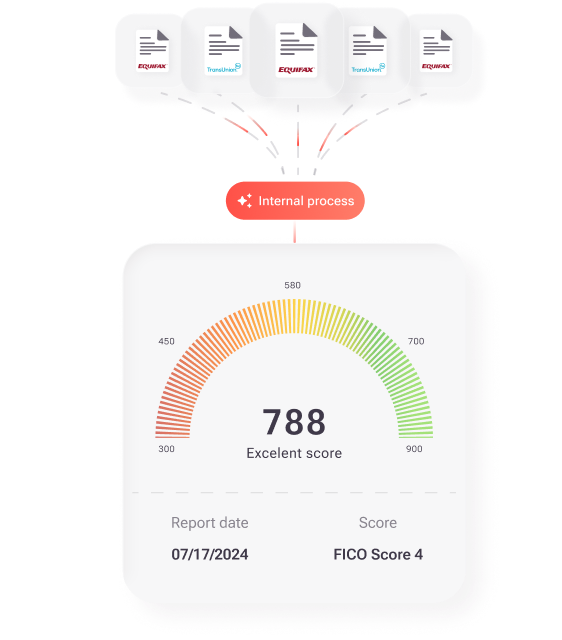
Credit reports are the most reliable part of tenant screening because they pull structured data directly from major bureaus. Errors are rare but documented: an FTC study found that 26% of consumers identified at least one potential error in their credit reports, and 5% had errors that could affect the terms offered to them. To minimize even these rare errors, TenantEvaluation accesses credit data directly from TransUnion and Equifax under strict bureau rules, which preserves data integrity at the source.
2. Identity Verification Provides the Strongest Accuracy Layer
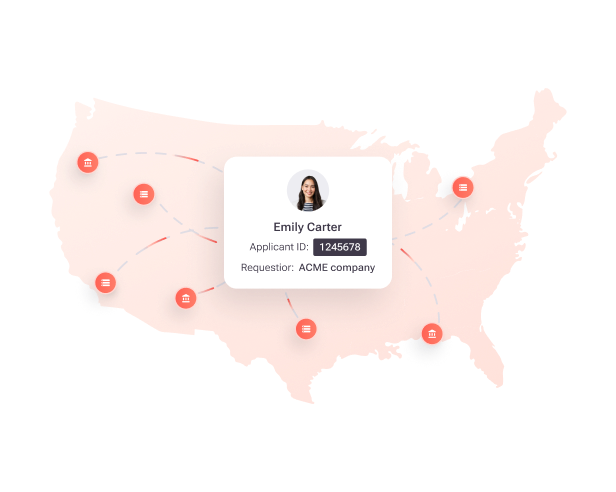
The most common cause of false positives in background checks is name mismatches. Records belonging to one person get attributed to another with a similar name. Modern biometric identity verification reduces this risk before any screening data is pulled.

TenantEvaluation’s IDVerify uses government ID validation, AI-powered liveness detection, and biometric facial matching to confirm the applicant’s identity. This shifts condo associations from document-based review to biometric-confirmed identity verification. That upgrade strengthens fraud prevention and improves screening accuracy.
3. Criminal Records Are the Most Error-Prone Data Type
The FTC identifies specific practices that indicate a screening company may not be following reasonable accuracy procedures. These include listing criminal convictions for people other than the applicant, multiple entries for the same offense, and listing expunged or sealed records.
- Name mismatches: Records belonging to someone with a similar name are attributed to the wrong applicant.
- Incomplete dispositions: Dismissed or acquitted cases appear without their outcome.
- Outdated databases: Expunged or sealed records continue to appear when databases are not updated to reflect current court status.
- Duplicate entries: The same offense appears multiple times, inflating the applicant’s history. This issue was central in the FTC’s July 2026 complaint against RentGrow.
For example, an applicant named “John Smith” could be flagged for a felony committed by a different “John Smith” in another state. The screening database may have matched on name alone without verifying date of birth or Social Security number.
4. Real-World Failures Show Errors Happen at Scale
The FTC’s $2.25 million settlement with RentGrow (July 2026) alleged that the company’s own reporting logic generated duplicate criminal and eviction entries. The FTC also alleged that RentGrow failed to disclose LexisNexis Accurint as a data source and labeled valid consumer disputes as invalid, closing them without investigation. In some instances, RentGrow allegedly told a consumer a correction had been sent to the landlord while telling the landlord no change had been made.
The $15 million TransUnion Rental Screening Solutions settlement (2023) involved comparable failures. Reports included duplicate entries, outdated case outcomes, and sealed records. These are not isolated incidents. They reflect systemic issues across the industry that directly expose condo associations to liability when they act on inaccurate reports without proper adverse action procedures. That liability is precisely why FCRA compliance is non-negotiable for condo associations.
5. Eviction Records Are Fragmented and Often Misleading
Eviction data is compiled from court records across thousands of jurisdictions, and accuracy suffers as a result. Research cited by the National Low Income Housing Coalition found that about 22% of state court eviction records contain errors, duplicate entries, or unclear outcomes. Dismissed cases, sealed records, and cases where the tenant prevailed still appear as eviction filings on many reports.
The Eviction Lab reports that screening companies frequently rely on automated name-matching without verifying case identities. This practice increases false positives when eviction records are attributed to the wrong person.
6. FCRA Compliance Duties for Condo Associations
Under the Fair Credit Reporting Act, condo associations are users of consumer reports and carry specific legal obligations.
- Permissible purpose: Written authorization from the applicant is required before running any background check.
- Adverse action notices: If an application is denied or approved on less favorable terms based on a report, the association must provide a notice identifying the CRA, stating the CRA did not make the decision, and informing the applicant of their right to a free copy of the report within 60 days and their right to dispute inaccuracies.
- Dispute processes: Applicants have the right to dispute inaccuracies, and the screening company must investigate within 30 days.
TenantEvaluation is built with FCRA compliance as the foundation. The platform features automated adverse action workflows, strict permissible purpose controls, and complete audit trails for every application.
7. Choosing a Compliant Vendor Protects Your Association
Screening vendors differ widely in accuracy and compliance. A compliant screening vendor should maintain auditable workflows and support adverse-action handling with legally required waiting periods, compliant notices, and an end-to-end record trail. When evaluating a partner, condo associations should look for:
- Direct credit bureau reseller relationships, not third-party scraping
- Strict permissible purpose controls
- Automated adverse action workflows
- Clear separation between decision-making (the board) and data provision (the vendor)
- Built-in audit trails for every application
- Specialization in community associations, not generic rentals
TenantEvaluation meets all of these criteria. The platform serves 5,000+ communities and processes 100,000+ applications annually with Florida-specific expertise, including 55+ Communities Verification for age-restricted properties that standardizes application handling, reduces manual work, and improves documentation consistency across communities.
What to Do If a Report Is Wrong: A Step-by-Step Guide
If an applicant disputes a report, or a board suspects an error, follow these steps:
- Request a full copy of the screening report from the screening company.
- File a formal written dispute with both the screening company and the credit bureau or data source that supplied the information.
- Provide supporting documentation, such as court records, expungement orders, or identity proof.
- Follow up within the 30-day timeframe required by the FCRA.
- Document every step for the association’s audit trail.
Following these steps helps the association meet its FCRA obligations. TenantEvaluation’s platform supports this process with dispute support and complete audit trails, so boards can demonstrate compliance if challenged.
State-Specific Screening Considerations for Florida Communities
Florida has specific laws affecting HOAs and condos, and TenantEvaluation is built for Florida regulations. For age-restricted communities, 55+ Communities Verification helps Florida condos and HOAs standardize how age-restricted requirements are handled across applications. This standardization reduces manual work, improves documentation consistency, and strengthens operational control.

Boards should work with legal counsel to stay current on state-specific requirements as Florida continues to update regulations affecting community associations.
Frequently Asked Questions
What do condo associations look for in background checks?
Condo associations typically screen for credit history, criminal records, eviction history, and identity verification. Many also verify income and rental history. The specific criteria should be defined in a written screening policy and applied consistently to every applicant.
Inconsistent application of criteria, even unintentionally, creates fair housing liability. TenantEvaluation allows associations to configure their specific screening criteria into the platform so that every application is evaluated against the same documented standards.
What causes a red flag on a background check?
Common red flags include eviction judgments, criminal convictions such as violent crimes or property damage, significant credit issues such as bankruptcy, and income verification failures. Boards should conduct individualized assessments rather than applying blanket bans.
A blanket policy excluding all applicants with any criminal history can create disparate impact liability under the Fair Housing Act because criminal conviction rates differ by demographic group nationally. Evaluating the nature of the offense, time elapsed, and evidence of rehabilitation produces a more defensible decision and a more accurate picture of actual risk.
How do I dispute a tenant background check error?
Request a copy of the full report from the screening company, file a written dispute with both the company and the underlying data source, and provide supporting documentation such as court records or expungement orders. The screening company must investigate within the 30-day timeframe required by the FCRA.
If the error is not corrected, the applicant may have legal recourse under the FCRA, including statutory damages of $100 to $1,000 per willful violation plus attorney’s fees. Condo associations that use TenantEvaluation benefit from built-in audit trails that document every step of the process, supporting the association’s compliance posture if a dispute escalates.
Are there new laws for HOAs in Florida in 2026?
Florida continues to update regulations affecting HOAs and condos. TenantEvaluation is built specifically for Florida compliance, including 55+ Communities Verification for age-restricted communities that standardizes application handling and improves documentation consistency.
Boards should work with qualified legal counsel to stay current on state-specific requirements, as Florida legislative changes can affect screening criteria, fee structures, and disclosure obligations. TenantEvaluation’s platform is designed to adapt to Florida-specific workflows, reducing the administrative burden on CAMs and boards when requirements change.
How is TenantEvaluation different from generic tenant screening services?
Most tenant screening services are built for individual landlords or generic multifamily rentals. TenantEvaluation is built exclusively for community associations and management companies, with FCRA compliance as the foundation.
The company is a direct reseller of TransUnion and Equifax data, meaning credit data is accessed under strict bureau rules with no gray-market or offshore sources. The platform includes a dedicated board review and voting dashboard, biometric identity verification through IDVerify, automated adverse action workflows, and Florida-specific features including 55+ Communities Verification.
With 5,000+ communities and 100,000+ applications processed annually, TenantEvaluation brings scale, specialization, and compliance infrastructure that generic screening tools do not offer.
Accuracy Varies, Compliance Must Stay Consistent
Tenant background check accuracy varies significantly by data type. Credit and identity data are highly reliable, but criminal and eviction records can contain errors that lead to wrongful denials and legal exposure. The FTC settlements mentioned earlier prove that even major screening companies fail, and that the consequences fall on the associations that acted on inaccurate reports without proper compliance procedures in place.
For condo associations, the path forward is clear. Partner with a vendor that treats accuracy and FCRA compliance as its foundation. TenantEvaluation delivers the accuracy and compliance features discussed throughout this guide, so boards can screen with confidence and communities stay protected.
Ready to protect your community with accurate, compliant screening? Talk to our team.
