Written by: Luis Teran, Co-founder, CEO, TenantEvaluation | Last updated: July 12, 2026
Why Tenant Screening Automation Matters for Florida Condo and HOA Managers
- Florida condo and HOA managers now face rising fraud, tighter board oversight, and high application volumes that overwhelm manual screening.
- Generic rental platforms lack governance tools, board voting panels, biometric verification, and Florida-specific compliance features that associations require.
- TenantEvaluation automates resident onboarding from application intake and biometric ID verification through board approval and lease lifecycle management.
- Key capabilities include FCRA-compliant screening, QuickApprove board voting, IDVerify+ biometric checks, 55+ age verification, and centralized Lease Tracking that replaces spreadsheets and email chains.
- See how TenantEvaluation replaces manual workflows with an end-to-end platform built for community associations at TenantEvaluation.
How a Purpose-Built Tenant Screening Platform Works for Condo and HOA Managers
A tenant screening workflow automation platform for condo and HOA managers is a purpose-built system that digitizes and automates every stage of resident onboarding. It connects application intake, background screening, board approval, and lease lifecycle management inside one environment. Unlike generic rental tools, it must support governing documents, board voting structures, Florida regulations, and multi-unit occupancy tracking at the same time.
TenantEvaluation organizes this work into four sequential stages.
- Application Intake: Applicants complete online forms with logic that adjusts fields by applicant type, such as tenant, purchaser, or adult occupant. The system blocks incomplete submissions before they reach the review queue.
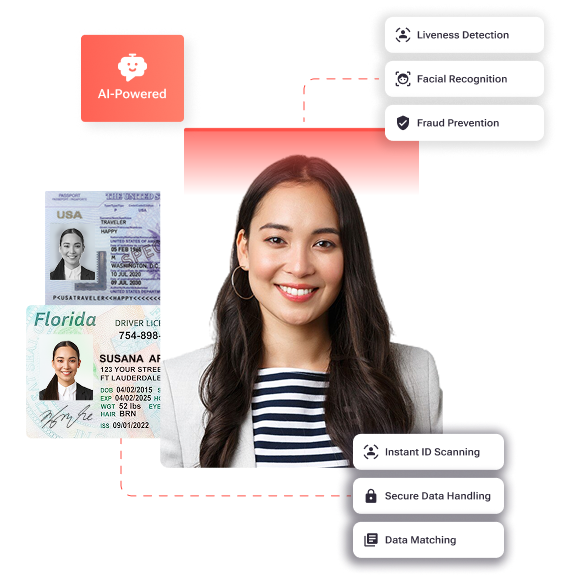
- Screening and Identity Verification: Background checks use direct TransUnion and Equifax reseller relationships. IDVerify adds biometric identity confirmation through government ID validation, AI-powered liveness detection, and facial biometric matching, all inside the platform.
- Board Approval: QuickApprove provides a board-ready approval workflow with real-time application tracking, a dedicated voting panel, automated communication, customized approval letters, and a personalized welcome package while maintaining full control, compliance, and visibility.
- Lease Lifecycle Management: Lease Tracking connects resident onboarding, unit data, approvals, and lease documentation into one centralized, real-time, audit-ready workflow from application submission through occupancy.
From Framework to Daily Reality for CAMs and Boards
This four-stage framework becomes most visible in daily operations for Community Association Managers and board members. Without a dedicated tenant screening workflow automation platform, routine tasks turn into recurring friction.
Common CAM pain points include:
- Manual follow-ups with applicants, realtors, and owners after incomplete submissions
- Time-consuming document review for IDs, leases, and income verification
- Sensitive applicant data handled outside secure systems, which increases breach exposure
- Growing identity fraud risk from stolen IDs and synthetic identities
- Missing or outdated lease copies scattered across folders, inboxes, and spreadsheets
- Approval delays that extend vacancy periods and reduce association revenue
TenantEvaluation addresses each of these issues directly. When screening processes rely on manual reviews and disconnected systems, delays increase incomplete application rates, prolong vacancy periods, and add operational friction for leasing teams already stretched thin. TenantEvaluation’s automated workflows can free up to 50 hours of staff time per day and reduce approval cycles by up to 70 percent, so management teams can scale without adding headcount.
Compliance, Risk, and Governance for Florida Associations
TenantEvaluation is built for community associations and management companies, with FCRA compliance as the foundation rather than an afterthought.
Under the FCRA, landlords must obtain written consent before running any consumer report, issue a compliant Adverse Action Notice whenever a denial or adverse decision is made, and safeguard all consumer report data collected during screening. Failure to send a compliant Adverse Action Notice exposes associations to statutory damages of up to $1,000 per violation plus attorney fees.
TenantEvaluation’s compliance infrastructure includes:
- Direct credit bureau reseller relationships with TransUnion and Equifax, with no third-party scraping or gray-market data sources
- Strict permissible purpose controls and automated adverse action workflows
- Clear separation between decision-making by the association and data provision by TenantEvaluation
- Built-in audit trails with timestamps for every application action
- PCI Level 1 compliance and end-to-end encryption with automatic PII redaction
Florida landlords must obtain written tenant consent to check credit history, keep application fees in a separate account, and respond to applications from active-duty service members within seven days. TenantEvaluation encodes these Florida-specific requirements directly into each community’s configuration.
Where Manual Processes Break Down
Manual email-and-spreadsheet processes create structural failure points that compound over time in community association environments.
- Email chains: Approval workflows spread across inboxes cause version-control errors, missed deadlines, and no auditable record of board decisions.
- Missing leases: Lease copies stored in personal folders or email attachments cannot be searched, tracked by status, or connected to the originating application.
- Manual document review: Staff who check IDs and income documents by hand introduce inconsistency and cannot detect synthetic identities or impersonation attempts.
- Synthetic identity risk: Automated screening platforms that include digital identity verification close the gap that document-only review leaves open. Traditional screening that relies on uploaded documents alone cannot confirm physical presence or biometric identity.
- Spreadsheet-based lease tracking: Manual expiration tracking creates occupancy blind spots, delayed renewals, and compliance risk tied to incomplete records.
- Board bottlenecks: Without a dedicated voting panel, board members receive applications through email, which creates delays and inconsistent decision records.
Modern Standards for HOA Screening and Onboarding
Purpose-built HOA management platforms that automate document management, board oversight, and resident portals now define the operational standard for community associations in 2026. Three capabilities sit at the leading edge of this standard.
Biometric Identity Verification: IDVerify moves communities from document-based review to biometric-confirmed identity verification. Government ID validation, AI-powered liveness detection, and selfie-to-ID biometric comparison run inside TenantEvaluation without external portals or workflow disruption. Verification results appear directly in the screening report with ID authenticity confirmation, liveness status, and biometric match results.
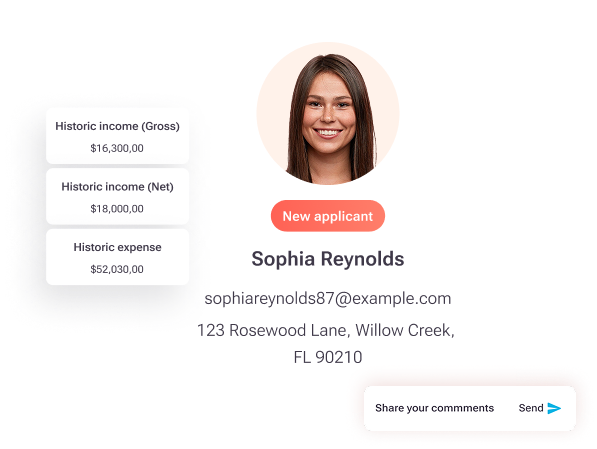
Accelerated Board Approvals: QuickApprove accelerates resident approvals inside one connected platform. It serves CAMs, boards, and property management teams that manage high-volume seasons and complex onboarding requirements. Real-time application tracking, automated communication, customized approval letters, and a personalized welcome package replace email chains and spreadsheets, which makes approvals faster, clearer, more consistent, and easier to manage.
55+ Community Standardization: 55+ Communities Verification helps Florida condos and HOAs standardize age-restricted application handling across communities. It reduces manual work, supports documentation consistency, improves operational efficiency, and strengthens internal processes for Community Association Managers who oversee age-restricted portfolios.

How to Evaluate Screening Platforms for Condo and HOA Use
Five criteria determine whether a tenant screening workflow automation platform fits condo and HOA managers: FCRA compliance architecture, approval speed, revenue model, board visibility, and Florida 55+ support.
ApplyCheck and Verify Screening Solutions both rely on the white-labeled TazWorks platform. They do not deliver end-to-end association workflows, board voting dashboards, biometric verification, or revenue sharing. Their focus remains background checks rather than resident onboarding lifecycle management.
AppFolio and RealPage are broad property management platforms built for multifamily rentals. They charge monthly subscription fees regardless of application volume, lack board-specific voting panels, do not offer biometric identity verification natively, and were not designed for the governance structures of Florida condos and HOAs.
TenantEvaluation uses a pay-per-application revenue-sharing model with no upfront costs. Application fees collected from applicants fund the service, and the remaining portion returns to the association, which turns onboarding into a revenue stream instead of a pure cost center. The platform has generated $150M for communities to date.
Compare TenantEvaluation in a live demo to measure it against your current workflow and see the operational gap firsthand.
Resident Onboarding Workflow: Six Connected Stages
The following workflow maps a resident application from submission through occupancy confirmation inside TenantEvaluation.
- Application Submission: The applicant receives the community Property Code, creates a TenantEvaluation account, and completes an online application with intelligent form logic. The system rejects incomplete submissions before they enter the review queue.
- Identity Verification with IDVerify: The applicant completes guided biometric verification by uploading a government-issued ID and completing a selfie liveness check. AI-powered facial biometric matching runs inside the platform and confirms physical presence before the application proceeds.
- Background Screening: Credit, criminal, eviction, income, and reference checks run through TenantEvaluation’s direct TransUnion and Equifax reseller connections. SafeCheck+ delivers nationwide and global criminal records. FCRA-compliant adverse action workflows trigger automatically when required.
- 55+ Documentation (where applicable): For age-restricted communities, 55+ Communities Verification standardizes age-restricted application handling, reduces manual work, and supports documentation consistency across the portfolio.
- Board Approval via QuickApprove: Board members access a dedicated voting panel with AI-generated applicant summaries and real-time application status. Automated communication, customized approval letters, and a personalized welcome package complete the onboarding handoff with full transparency and audit-ready decision records.
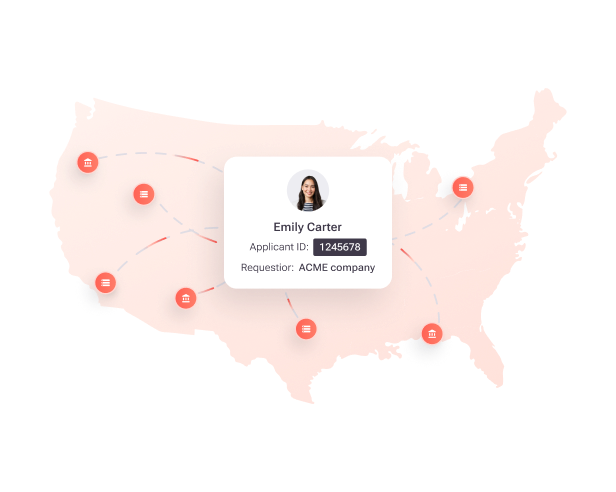
- Lease Tracking and Occupancy Confirmation: Lease Tracking connects the approved application to centralized lease documentation with real-time lease status visibility, including active, pending, expired, or missing. It supports automated lease document collection, unit-level tracking, and audit-ready digital records from application to occupancy.
Comparison Table
The table below compares TenantEvaluation against four alternatives across five operational dimensions. All TenantEvaluation figures are drawn from company-reported data. Competitor characterizations reflect publicly documented product scope.
| Feature | TenantEvaluation | ApplyCheck / Verify Screening Solutions | AppFolio | RealPage |
|---|---|---|---|---|
| Application Processing Time | 5–10 minutes (automated intake; up to 70% faster approvals) | Days; relies on TazWorks third-party platform with manual follow-up | Days; designed for multifamily rental volume, not HOA governance cycles | Days; broad platform not optimized for community association approval workflows |
| Board Dashboard Access | Dedicated board voting panel with real-time application status and AI-generated summaries via QuickApprove | Not available; no board-specific review or voting workflow | No dedicated board voting panel for community association governance | No dedicated board voting panel for community association governance |
| Biometric Identity Verification | Native IDVerify+: government ID validation, AI liveness detection, facial biometric matching, all inside the platform | Not available natively; document-based review only | Not available natively | Not available natively |
| Lease Tracking | Centralized, real-time lease lifecycle control with automated collection, unit-level tracking, and audit-ready records from application to occupancy | Not available; no lease lifecycle management | Lease management available but not connected to HOA board approval workflows | Lease management available but not connected to HOA board approval workflows |
| Revenue Model | Pay-per-application with revenue sharing; no upfront costs; $150M generated for communities | Per-report fees; no revenue sharing with associations | Monthly subscription regardless of application volume | Monthly subscription regardless of application volume |
Frequently Asked Questions
What makes a tenant screening workflow automation platform purpose-built for condo and HOA managers different from a generic rental screening tool?
Generic rental screening tools are designed for landlord-tenant relationships in multifamily properties. Community associations operate under a different governance structure, where boards of directors vote on applications, governing documents define screening criteria, Florida-specific regulations apply to age-restricted communities, and lease management must connect to occupancy records across multiple units. A purpose-built platform like TenantEvaluation encodes these requirements directly, including board voting panels, 55+ Communities Verification, FCRA-compliant adverse action workflows, and centralized lease lifecycle tracking, instead of forcing associations to adapt a tool designed for another use case.
How does FCRA compliance work inside TenantEvaluation’s platform?
TenantEvaluation is a direct reseller of TransUnion and Equifax data, so credit reports are accessed under strict bureau rules with no third-party scraping or gray-market sources. The platform automates written consent collection before any consumer report runs, triggers adverse action notices automatically when a denial or adverse decision occurs, maintains timestamped audit trails for every application action, and separates the decision-making role of the association from the data provision role of TenantEvaluation. PCI Level 1 compliance, end-to-end encryption, and automatic PII redaction protect sensitive applicant data throughout the process.
What is IDVerify+ and why does it matter for Florida condo and HOA communities in 2026?
IDVerify+ is TenantEvaluation’s biometric identity verification layer built into the screening workflow. It combines government-issued ID validation, AI-powered liveness detection, and facial biometric matching to confirm that the person submitting an application is physically present and matches their identification before the application reaches board review. This shifts communities from document-based review, which cannot detect synthetic identities or impersonation attempts, to biometric-confirmed identity verification. IDVerify+ can be enabled per community and configured per portfolio, so it adapts to different risk profiles across a management company’s holdings.
How does Lease Tracking reduce operational risk for community associations?
Lease Tracking is a centralized capability inside TenantEvaluation that connects resident onboarding, unit data, approvals, and lease documentation into one real-time workflow. It provides live lease status visibility, including active, pending, expired, or missing, along with automated lease document collection during onboarding, unit-level tracking tied to occupancy records, and a searchable digital history of all lease activity. This removes the blind spots created by spreadsheets, scattered email chains, and disconnected folders. Boards gain a clearer picture of occupancy across communities, CAMs reduce manual follow-ups and errors, and the association maintains audit-ready digital records that support compliance readiness.
Conclusion: Why TenantEvaluation Fits Florida Condo and HOA Governance
Manual email-and-spreadsheet processes now create structural liability for Florida condo and HOA managers. Approval delays, identity fraud exposure, missing lease records, and FCRA compliance gaps follow naturally from workflows that were never designed for association governance. Purpose-built tenant screening workflow automation platforms address these failure points at the system level instead of relying on workarounds applied to tools built for other markets.
TenantEvaluation delivers an end-to-end platform built for community associations, with FCRA-first compliance architecture, biometric identity verification through IDVerify+, accelerated board approvals through QuickApprove, standardized 55+ documentation handling, and centralized lease lifecycle control through Lease Tracking. All of this operates inside one connected platform with no upfront costs and a revenue-sharing model that turns onboarding into a controlled income stream. With 5,000+ communities served and a proven record of association revenue generation, the operational case for evaluation is clear.
Request a personalized demo to see TenantEvaluation’s tenant screening workflow automation platform for condo and HOA managers in action.
