Written by: Luis Teran, Co-founder, CEO, TenantEvaluation | Last updated: December 29, 2025
Key Takeaways
- Florida HOAs and condos face financial, legal, and safety risks when resident screening relies on manual, incomplete, or inconsistent processes.
- Digital screening platforms help associations follow Fair Credit Reporting Act (FCRA), Fair Housing, and Florida-specific rules by standardizing criteria and documenting every step.
- Stronger identity, income, and background verification improves community safety, protects association finances, and reduces data security exposure.
- Automated workflows cut staff time, speed approvals, and open new revenue opportunities through efficient fee collection and reduced administrative overhead.
- Tenant Evaluation offers a 2026-ready online screening and application system for Florida associations; get started with Tenant Evaluation here.
The Problem: Unveiling the Risks of Inadequate Resident Screening for Florida HOAs/Condos
The Hidden Costs of Manual & Incomplete Checks
Manual screening consumes time and attention that Florida HOAs and condos need for day-to-day operations. Community Association Managers often manage paper packets, chase missing documents, and review applications by hand. This effort raises labor costs and slows down decisions for applicants and boards.
Incomplete or shallow checks can create expensive problems later. Residents who struggle financially may fall behind on assessments, which can strain budgets and delay maintenance. Limited screening may also overlook prior evictions, serious disputes, or property damage, increasing the likelihood of legal action or repair costs.
Non-Compliance Nightmares: Navigating Florida’s Complex Screening Laws
Florida associations operate in a strict regulatory environment for background checks. Signed applicant consent is required for credit and criminal checks to align with FCRA and state housing law, so each application must follow a documented process.
Poorly designed policies raise Fair Housing risk. Blanket denials for any criminal history conflict with Fair Housing guidance, so associations need objective, written standards that apply the same way to every applicant.
Data Security Threats: Protecting Sensitive Applicant Information
Paper files and unsecured digital folders expose associations to data breaches. Applications often include Social Security numbers, banking details, and other personal information that require careful handling and protected storage.
Privacy rules at the federal and state level expect modern safeguards, including encryption, access controls, and secure disposal of records. Associations that rely on open file cabinets, email attachments, or shared drives increase their liability if information is lost, stolen, or misused.
Missed Revenue Opportunities & Operational Inefficiencies
Slow, confusing application processes discourage qualified buyers or renters from completing the process. Payment by check or manual fee tracking also adds work and increases the chance of error. These delays postpone move-ins and reduce the predictability of application income.
Time spent on manual screening reduces the capacity of managers and boards to focus on capital projects, policy updates, and owner communication. Over months and years, this shift in focus can affect property values and overall resident satisfaction.
The Solution: Embracing Comprehensive Online Tenant Screening and Application Management
The Power of an All-in-One Digital Platform for Florida HOAs/Condos
All-in-one online platforms bring applications, documents, background checks, and approvals into a single workflow. Applicants submit information digitally, managers review in one dashboard, and boards see clear summaries instead of scattered emails and paper packets.
Tools built for community associations respect bylaws, approval rules, and multi-party review. Workflows follow association policies, so each file moves through a predictable path from submission to decision.
Florida boards that want a structured, online process can review Tenant Evaluation in action and schedule a demo of the screening and application platform.
Ensuring Compliance with Florida’s Regulations (FCRA & Fair Housing)
Digital platforms help standardize compliance. Each applicant signs electronic consent, required notices are delivered consistently, and records show exactly how and when steps occurred.
Consistent screening criteria for all applicants reduce Fair Housing complaints. Automated rules apply the same thresholds and decision logic every time, and built-in logs create a clear audit trail if an application is ever challenged.
Advanced Security & Data Protection for Sensitive Data
Professional screening systems use security standards that go beyond typical office practices. PCI Level 1 controls, encryption in transit and at rest, and automatic redaction of sensitive fields help protect Social Security numbers, birth dates, and financial data.
Role-based access ensures that only approved users can see full applicant details. Managers and board members get the information necessary for decisions without exposing confidential data more than needed.
Streamlined Workflows & Unlocking Efficiency
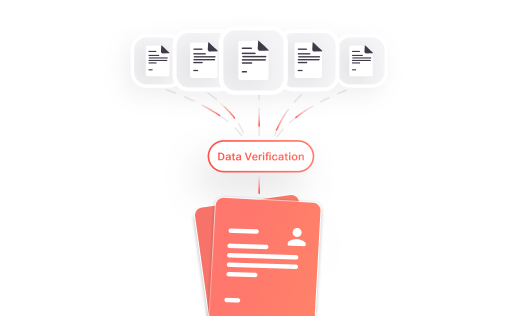
Automated forms guide applicants to complete every required field before submission, which reduces back-and-forth for missing items. Document uploads, status updates, and reminders all happen through the same interface.
Associations that automate screening often cut turnaround times significantly. Faster decisions improve the experience for applicants and reduce interruptions for managers who would otherwise field repeated status calls and emails.
Empowering Board Decisions with Transparency and Analytics
Board dashboards summarize key details in a clear, organized format. Members see background results, notes, and recommendations without digging through attachments.
Reporting tools reveal trends in application volume, approval rates, and demographics over time. This information supports planning for amenities, security, and policy updates that match the needs of the community.
Key Components of an Effective Online Resident Screening System
Deep Dive into Essential Background Checks for HOAs/Condos
Thorough resident screening typically includes criminal, credit, and housing history checks. National and international criminal searches, sex offender registry checks, and other records build a more complete picture of potential risk. Many associations permit denials for certain felonies within seven years or for specific violent, sexual, or drug convictions, as long as these standards are applied through clear, written policies.
Credit reports with FICO scores help evaluate an applicant’s capacity to keep up with assessments and other association charges. Using credit data for all buyers, including cash purchasers, gives boards a fuller view of ongoing financial reliability, not just the ability to close a transaction.
Eviction records and landlord or association references show prior patterns related to payments, complaints, or damage. Consistent review of this history supports fair and informed decision-making.
Identity Verification and Income Assessment
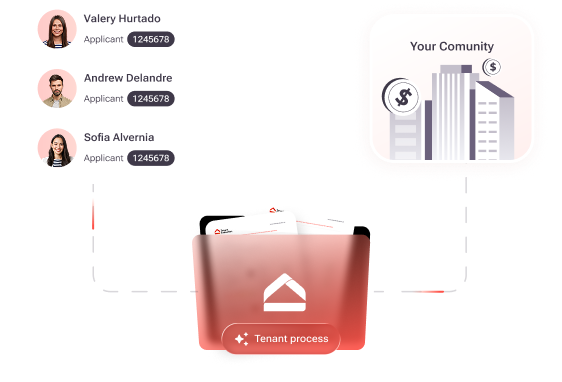
Identity verification tools help prevent fraud by matching government IDs and personal details against trusted databases. Multi-factor checks confirm that the person applying is the same person on the documents and in the reports.
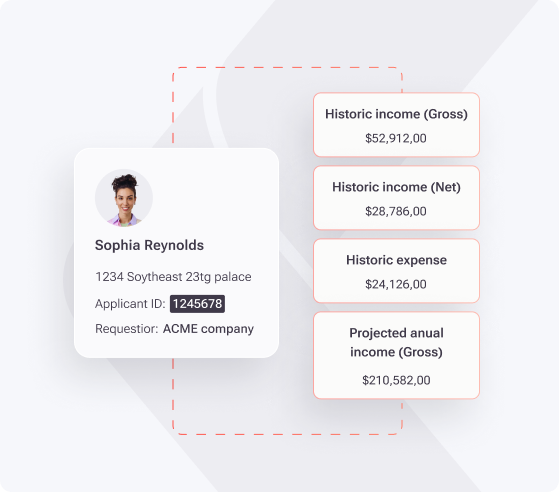
Income verification adds another layer of protection. Direct employer confirmation and bank or pay statement review provide objective evidence that applicants can meet regular assessment and maintenance obligations set by the association.
Customization for Community-Specific Needs & Bylaws
Each association has its own mix of rules, risk tolerance, and financial standards. Flexible screening tools let communities set specific credit thresholds, income ratios, required documents, and disqualifying factors that match their bylaws.
Objective written guidelines for background decisions help maintain fairness and consistency. Customizable systems embed those guidelines into everyday workflows so every application follows the same steps.
Audit Trails & Reporting for Compliance and Accountability
Detailed audit logs record who accessed each file, what steps occurred, and when decisions were made. These records support the association if an applicant challenges a decision or a regulator reviews procedures.
Scheduled reports make it easier to track processing times, approval rates, and compliance with internal service goals. Boards can use this data to refine policies and confirm that the process supports both safety and fairness.
Transitioning to a Digital Solution: What Florida HOAs Should Look For
Specialized Tools for Florida HOAs and Condos
Community associations operate differently from traditional rental properties. Shared amenities, approval rights, and complex ownership structures require tools that reflect Florida statutes and typical association documents.
Platforms built for HOAs and condos address state rules, seasonal residents, and multi-owner units. This design alignment reduces workarounds and gives managers and boards features that match how they already operate.
User-Friendly Experience for All Stakeholders
Clear, intuitive interfaces help applicants, managers, and board members use the system with minimal training. Mobile-friendly design allows applicants to complete forms and upload documents from phones or tablets.
Simple, guided steps limit confusion while still collecting all necessary data. Staff members gain visibility into status at a glance and can handle exceptions instead of every routine task.
Robust Support & Multilingual Capabilities
Reliable support, including extended or 24/7 coverage, keeps application pipelines moving when questions arise. Associations benefit when vendors can assist applicants directly with technical issues, which lightens the load on on-site staff.
Multilingual interfaces and assistance better serve Florida’s diverse communities. Clear communication in preferred languages reduces errors and improves applicant understanding of association requirements.
Florida associations that want to move away from paper-heavy workflows can review the Tenant Evaluation platform and schedule a demo to explore online screening and applications.
Revenue Generation & Cost-Efficiency for Associations
Some screening providers share revenue from application fees, which can turn an administrative function into a modest income line. Automated fee collection and online payments also reduce manual handling, which lowers the chance of errors and delays.
Lower administrative effort, improved compliance, and better data security combine to reduce risk and cost. Over time, these gains can offset platform fees and contribute to stronger financial stability.
|
Feature |
Manual Process |
Online Platform |
|
Compliance Adherence |
Inconsistent, manual verification |
Automated, consistent protocols |
|
Administrative Burden |
High staff time requirement |
Significant time reduction |
|
Data Security |
Paper-based, vulnerable storage |
PCI Level 1, encrypted |
|
Approval Speed |
Weeks for processing |
Days with automation |
|
Board Decision Transparency |
Limited visibility |
Real-time dashboards |
|
Revenue Generation Potential |
Cost center only |
Revenue-sharing opportunities |
Frequently Asked Questions About Online Tenant Screening & Background Checks
Is applicant consent always required for background checks in Florida HOAs and condos?
Yes. FCRA rules and Florida housing law require signed consent before running credit or criminal checks. A compliant online platform collects that consent electronically and stores documentation with the rest of the application file.
Can a Florida HOA or condo reject an applicant based solely on criminal history?
Associations may not use a blanket rule that rejects every applicant with any criminal record. Many communities deny applications for recent serious felonies or specific violent, sexual, or drug offenses, but only when they follow written, objective policies and apply them consistently to all applicants.
How does an online system support Fair Housing compliance during screening?
Online platforms support Fair Housing by standardizing questions, criteria, and decision paths. Systems remove prohibited questions about protected characteristics, apply the same rules to every application, and store a full history of how each decision was made.
Do Florida HOAs and condos need to conduct credit checks even for cash buyers?
Yes. Associations still need to know whether cash buyers can meet ongoing assessments and fees. Credit reports and FICO scores help boards understand payment history and overall financial reliability, which affect the long-term health of the community.
What information must remain confidential during the HOA screening process?
All background check details are confidential under Florida law. Only authorized decision-makers should see full reports. Secure systems restrict access, redact data such as full Social Security numbers and account numbers, and store records in encrypted form.
Conclusion: Secure Your Community with Intelligent Online Screening in Florida
Online background checks and application management now play a central role in protecting the safety, finances, and legal standing of Florida HOAs and condos in 2026. Manual approaches increase the chance of compliance errors, lost data, delays, and missed revenue.
Modern platforms give managers and boards better tools to evaluate applicants, follow the law, protect sensitive information, and document every step. Associations that adopt these systems can focus more time on long-term planning and resident experience, while maintaining consistent, fair, and efficient screening.
Florida communities that want a structured, modern process can partner with Tenant Evaluation. Schedule a demo with Tenant Evaluation to streamline applications, strengthen compliance, and support the financial health of your condominium or homeowner association.
