
Key Takeaways
- Robust tenant evaluation reduces legal exposure, protects data, and shortens vacancies for Florida condominium and HOA communities.
- Clear governing documents, FCRA-compliant screening, and secure data handling form the legal and operational core of a sound process.
- Digital platforms with automation, board dashboards, and audit trails help property managers standardize decisions and improve approval speed.
- Recent Florida condo and HOA laws increase expectations for documentation, transparency, and professional oversight around screening.
- Tenant Evaluation offers a Florida-focused, fully digital screening solution that verifies identity, income, and background; property managers can schedule a demo at this link.
Why Robust Tenant Evaluation Is Essential for Florida HOAs and Condos
Florida associations manage higher risk in 2026 as regulations, fraud threats, and resident expectations increase. Manual, paper-based screening makes it hard to stay compliant, protect data, and respond quickly to applicants.
Non-compliant screening exposes HOAs and condominiums to fair housing claims, lawsuits, and data security incidents. Slow or inconsistent reviews also extend vacancies and delay closings, which reduces revenue and frustrates owners, applicants, and realtors.
Modern tenant evaluation platforms centralize applications, apply rules consistently, and document every decision. Communities that adopt them often see faster approvals, clearer communication, and more predictable financial performance.
Key Concepts in Florida Tenant Evaluation
Successful Florida tenant evaluation rests on a few core pillars.
- Governing document alignment. Florida Statutes 718 and 720 require that screening rules appear in the association’s governing documents and define who screens, how, and on what basis.
- FCRA compliance. Proper disclosure, written consent, and adverse action notices are required any time consumer reports or background checks are used.
- Data security. Sensitive personal and financial information must be protected. PCI Level 1 controls and end-to-end encryption now represent a practical standard for screening tools.
- Board oversight. Board certification rules adopted in 2025 require new directors to confirm they have read the governing documents, which should include clear screening procedures.
These foundations support consistent, defensible decisions and reduce the risk of disputes or regulatory inquiries.
Industry Trends Shaping Resident Onboarding in Florida
Florida community associations have seen rapid change over the past few years. Legal compliance and rule changes ranked as major challenges for HOAs in 2025, and that pressure remains.
Applicants now expect digital, mobile-first applications, real-time status updates, and clear instructions. Associations that continue to rely on fax, email chains, and paper forms often struggle to compete.
Effective screening increasingly includes identity document checks, income verification, and fraud detection, not just a basic background report. Board members also expect transparent dashboards, digital voting, and clear audit trails for each decision.
Practical Strategies for Effective Tenant Evaluation in Florida HOAs
Property managers can strengthen screening by standardizing a few key elements.
- Define written criteria. Set objective requirements for income, credit, criminal background, and documents, and keep them aligned with governing documents and fair housing laws.
- Automate workflows. Automated screening can reduce processing time and speed up fee collection compared with manual processes that cost associations significant staff time.
- Integrate boards. Use online portals that give board members structured summaries, voting tools, and complete history for each application.
- Support multiple languages. Florida’s diverse population benefits from multi-language forms and support to avoid errors and miscommunication.
- Optimize revenue. Digital platforms can collect fees automatically, reduce delinquent payments, and support revenue-sharing models that offset operating costs.
Common Challenges and Pitfalls in Florida Tenant Screening
Many Florida communities rely on outdated rules and disconnected tools, which creates risk.
- Governing document gaps. Boards can require background checks for purchasers only if that authority appears in the governing documents. Vague or missing language leads to disputes.
- Inconsistent application. Screening fees that apply only to certain owners or rentals without clear authority create potential discrimination claims.
- Weak data security. Emailing or printing sensitive information increases exposure to identity theft, regulatory penalties, and owner complaints.
- Process delays. Slow approvals extend vacancies and delay sales, which harms association revenue.
- Poor documentation. Missing notes and records make it difficult to defend decisions during challenges or audits.
Best Practices and Emerging Standards for Florida HOA and Condo Screening
Associations across Florida are moving toward a shared set of standards.
- Layered background checks. Strong programs combine FCRA-compliant reports, income verification with fraud checks, and structured board dashboards.
- Secure information handling. PCI Level 1 security, encryption, and automatic redaction of sensitive data now represent a practical baseline.
- Real-time review. QuickApprove-style dashboards with live updates and digital voting remove delays from email chains and in-person meetings.
- Multilingual support. Around-the-clock support in multiple languages helps communities serve diverse residents.
- Mobile-first design. Applicants increasingly complete applications on phones and tablets, so forms and status updates should work well on small screens.
Navigating Florida’s Legal and Regulatory Environment
Recent Florida laws focus on safety, reserves, and governance, but they influence screening practices as well.
HB 913 refined earlier condo rules by updating safety and reserve requirements and adjusting how associations fund those obligations. The Structural Integrity Reserve Study deadline extension from 2024 to 2025 affected long-term budgeting, which can shape policies around financial stability and special assessments.
Updated milestone inspection rules for taller buildings and new reporting duties for local agencies increased expectations for accurate records and timely compliance.
Manager licensing rules also matter. Licensed managers must hold active Florida credentials and decline unlawful directives from boards, which includes improper screening demands.
How Tenant Evaluation Solves Florida’s Tenant Screening Challenges
Tenant Evaluation was built around the specific needs of Florida HOAs and condominiums, from statutes to board workflows.
- All-digital applications. Applicants submit everything online through web and mobile, which eliminates paper packets and scattered emails.
- Florida-specific configuration. The platform mirrors each community’s governing documents and aligns approvals with Statutes 718 and 720.
- Smart processing. Dynamic forms collect just the information needed for each applicant type, while automated checks flag missing or inconsistent data.
- Enterprise-grade security. PCI Level 1 controls, encryption, and automatic redaction reduce the risk of data breaches.
- Board integration. QuickApprove gives boards real-time summaries, voting tools, and a complete audit trail for each decision.
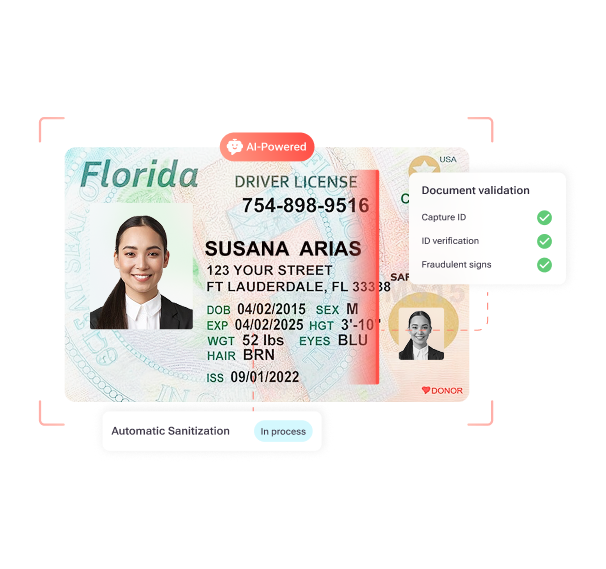
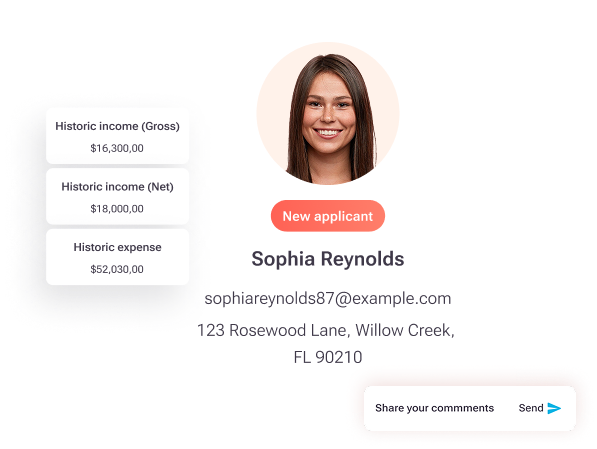
- Comprehensive verification. IDVerify, IncomeEV, and SafeCheck+ combine identity, income, and background information into a clear profile.
- Built-in revenue tools. Automated fee collection and optional revenue sharing help convert a cost center into a predictable income stream.
|
Feature |
Traditional Methods |
Tenant Evaluation |
Business Impact |
|
Application processing |
Paper forms and email |
Fully digital and mobile-ready |
Faster approvals and fewer errors |
|
Data security |
Printed files and inboxes |
PCI Level 1 and encrypted |
Lower breach and liability risk |
|
Board oversight |
Manual packets and meetings |
Live dashboard and digital voting |
Quicker, better-documented decisions |
|
Revenue management |
Manual invoicing and tracking |
Automated fee collection |
More predictable cash flow |
Property managers can explore the platform and request configuration for their community at this Tenant Evaluation demo link.
Frequently Asked Questions (FAQ) about Florida Tenant Evaluation
How do recent Florida condo and HOA laws affect tenant evaluation?
New laws in recent years focus on building safety, reserve funding, and board responsibilities rather than rewriting screening rules. These updates increase expectations for documentation, transparency, and governance. Associations still must base their criteria on Florida Statutes 718 and 720 and their own governing documents, and they should maintain clear records that show how each decision followed those rules.
Can a Florida HOA charge rental fees and require background checks for new purchasers?
Associations may charge screening or rental-related fees and require background checks only when the governing documents authorize those steps. Boards that try to deny a sale or impose fees without that authority risk legal challenges and fair housing concerns. Consistent application of clearly written criteria is essential for defensible decisions.
How does Tenant Evaluation help with legal compliance and efficiency for Florida property managers?
Tenant Evaluation configures screening workflows to match each community’s documents and Florida legal requirements. The platform supports FCRA-compliant background checks, secure handling of personal information, automated notices, and detailed audit trails. It also reduces manual work by guiding applicants through smart online forms, collecting fees, and providing boards with a structured dashboard for faster, well-documented approvals.
Conclusion: Using Tenant Evaluation to Support Stronger Florida Communities
Florida HOAs and condominiums operate in an environment where compliance, documentation, and resident experience all matter. Thoughtful tenant evaluation supports that mission by protecting the association, improving cash flow, and helping boards select residents who meet clearly stated standards.
Digital platforms like Tenant Evaluation align screening with Florida law, secure sensitive data, and streamline collaboration between managers, boards, and applicants. Property managers who want to modernize their process can start that transition by requesting a demo at this Tenant Evaluation get-started page.