
Key Takeaways
- Inaccurate tenant screening reports expose Florida HOAs and condos to financial loss, liability, and resident dissatisfaction.
- Specialized digital platforms improve report accuracy with automated verification, standardized workflows, and complete documentation.
- Multi-source background, income, and rental history data creates a fuller picture of each applicant and reduces reliance on outdated records.
- Florida-focused screening tools support Fair Housing and state compliance while providing clear audit trails for every decision.
- Tenant Evaluation offers a screening platform built for associations, and you can get started with a demo here.
The Problem: Hidden Costs of Inaccurate Tenant Evaluation Screening Reports for Florida HOAs
Florida community association managers and boards face growing risk when they rely on unreliable tenant screening data. Tenant screening reports frequently contain outdated or incorrect information from nationwide databases, including criminal records, eviction history, and credit data, so boards may base decisions on facts that are no longer true.
The fragmented screening industry makes consistent accuracy difficult. Information in tenant screening reports varies significantly by company due to different data sources used, so the same applicant can receive very different results from one provider to another.
Florida HOAs and condominiums must also follow community-specific screening rules that extend beyond standard rental criteria. HOA screening requirements beyond credit checks and income verification narrow the pool of eligible applicants, and inaccurate reports can unfairly block qualified residents. These errors contribute to longer vacancy periods and missed rental income.
The Solution: Elevating Tenant Evaluation Screening Report Accuracy with Specialized Digital Platforms
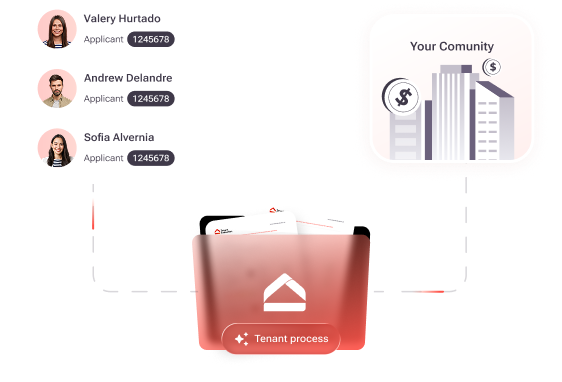
Florida associations can improve screening accuracy by adopting digital resident screening and onboarding platforms designed for HOAs and condos. These systems combine automated verification, intelligent data collection, and built-in compliance checks to keep evaluations consistent and well documented.
Purpose-built platforms address community association needs rather than generic rental workflows. Standardized steps verify applicant information against multiple reliable data sources, which limits the impact of outdated records and reduces the chance of human error during review.
These tools also make it easier to enforce fair and consistent criteria. Consistent screening criteria application and thorough documentation of screening decisions become routine outputs of the system, not extra tasks for staff.
Florida boards that want a more accurate and transparent process can use a dedicated platform to support that goal. Schedule a demo to see how Tenant Evaluation supports Florida HOAs and condos.
Key Features of a Robust Resident Screening Platform for Maximum Accuracy
Automated Verification and Intelligent Form Logic for Complete Applications
Accurate screening starts with complete, verified applications. Automated checks for executed leases, valid IDs, and required documents reduce incomplete or inaccurate submissions, so managers spend less time chasing missing information.
Smart forms adapt to applicant answers and require key details before submission. Incomplete rental applications can signal false identity, hidden history, or intentional omission of negative information, and digital platforms can flag these issues in real time for further review.
Comprehensive Data Integration for a 360° View of Tenants
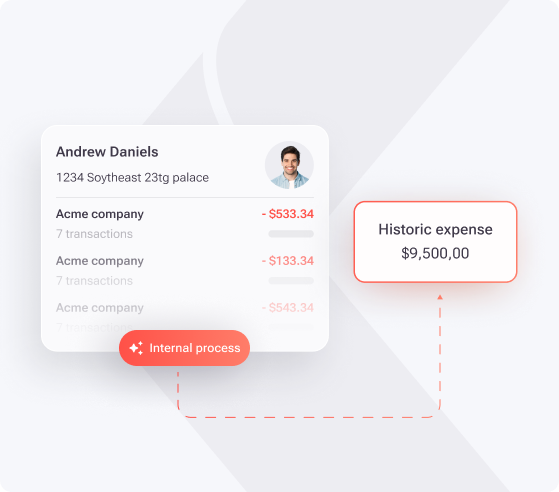
Reliable tenant evaluations depend on more than a single database or score. Comprehensive tenant screening reports should include personal identification, credit reports, criminal history, rental history, employment verification, references, income verification, and legal judgments to build a complete profile of each applicant.
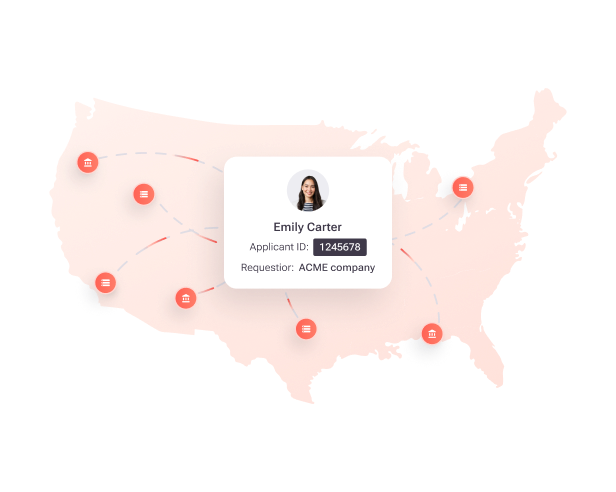
Advanced platforms integrate nationwide and global background checks with income and employment verification, credit data, and landlord references. Data accuracy serves as a key evaluation factor when comparing HOA background check services and directly affects the reliability of tenant decisions, so multi-source verification is essential.
Florida-Specific Compliance and Transparent Audit Trails
Florida associations must align screening practices with state regulations and Fair Housing requirements. Compliance with regulatory requirements is an essential factor in HOA background check service selection to avoid penalties, so platforms need Florida-focused rules and settings.
Audit trails create a clear record of every step in the decision process. Documentation of screening decisions and reasons for rejections is critical to demonstrate Fair Housing Act compliance, and digital systems can store this information in an organized, accessible format.
Before and After: The Impact of Accurate Tenant Evaluation Screening Reports
Manual vs. Automated Tenant Evaluation Screening Report Accuracy
|
Feature |
Manual/Traditional Methods |
Specialized Digital Platform |
|
Data Sources |
Varied, inconsistent, and often outdated |
Integrated, verified, and regularly updated |
|
Verification Process |
Manual document review that depends on staff time |
Automated checks, smart logic, and ID verification |
|
Compliance Assurance |
Higher risk of non-compliance and incomplete records |
Built-in regulatory rules and automated audit trails |
|
Overall Accuracy |
Variable results and greater risk of omissions |
More consistent results with layered verification |
Florida boards that shift from manual processes to a specialized digital platform gain clearer data, faster reviews, and better support for consistent decisions. Schedule a demo to explore Tenant Evaluation’s screening tools for HOAs and condos.
Frequently Asked Questions About Tenant Evaluation Screening Report Accuracy
How does inaccurate data in a tenant screening report impact HOAs?
Inaccurate screening data can lead boards to approve residents with undisclosed financial, criminal, or rental issues and to deny qualified applicants. These mistakes may result in non-payment, property damage, or community disruption. Errors can also trigger disputes or discrimination claims, which consume staff time and legal resources. The combined effect can reduce financial stability and lower resident satisfaction.
What are common reasons for inaccuracies in tenant screening reports?
Many inaccuracies trace back to outdated public records that do not reflect dismissed cases, expungements, or improved credit. Data entry mistakes and mismatched records create further confusion when information moves between systems. Fragmented providers that draw from different sources produce inconsistent results for the same person. Some applicants also submit incomplete or misleading information, which can distort report outcomes if systems do not verify details.
How can a digital platform improve the accuracy of tenant evaluation screening reports?
Digital platforms improve accuracy through identity checks, structured forms, and direct data connections. Automated ID verification confirms that applicants are correctly matched to their records. Required fields, document uploads, and validation rules keep applications complete before review. Connections to multiple reputable databases and income sources help cross-check information, while standardized workflows and audit logs reduce errors and bias.
What role does FCRA play in ensuring tenant evaluation screening report accuracy?
The Fair Credit Reporting Act sets rules to promote accurate reporting and protect applicants. When associations deny an applicant based on a screening report, they must send an adverse action notice that identifies the screening company involved. Applicants may request a free copy of the report and dispute items they believe are incorrect, and the reporting agency must investigate and correct verified errors. These requirements create incentives for accurate data and give residents a path to address mistakes.
How do specialized platforms ensure data accuracy for Florida HOAs specifically?
Specialized platforms for Florida HOAs incorporate state statutes, association documents, and local practices into their screening rules. These systems connect with Florida-relevant databases and sources to provide more complete in-state coverage. Many also support diverse applicant populations with clear communication and accessible workflows. The result is a screening process that better fits Florida communities while maintaining consistent accuracy standards.
Conclusion: Accurate Tenant Evaluation as a Foundation for Strong Florida Communities
Inaccurate tenant screening reports place Florida associations at risk by weakening decisions that shape community safety and financial health. Manual processes and generic tools leave gaps, while specialized digital platforms offer more reliable data, clearer workflows, and better documentation.
Florida HOAs and condos that adopt purpose-built screening solutions gain more consistent evaluations, improved compliance support, and fewer avoidable disputes. Schedule a demo with Tenant Evaluation to streamline applications, strengthen compliance, and protect your community’s future.