Written by: Luis Teran, Co-founder, CEO, TenantEvaluation | Last updated: December 29, 2025
Key Takeaways
- Florida HOAs need background check services that align with state statutes and community bylaws to reduce legal and financial risk.
- Comprehensive, FCRA-compliant screening that includes criminal, credit, eviction, ID, and income checks helps protect communities and reduce fraud.
- Digital applications, secure document handling, and clear tools for board members shorten approval times and limit administrative work.
- Analytics, integrations, and structured fee programs can lower manual workload while creating new revenue for the association.
- Tenant Evaluation offers a Florida-focused platform that combines screening, compliance, and revenue tools for HOAs and condos; schedule a demo to see how it can support your community.
Why Strong HOA Background Checks Matter For Florida Communities
Florida HOAs operate under a detailed regulatory framework and serve residents with diverse backgrounds. Inadequate screening can expose associations to safety issues, financial fraud, fair housing claims, and non-compliance with state rules such as Chapter 718 for condominiums and Chapter 720 for HOAs.
A focused HOA background check service acts as an early safeguard. The right partner delivers consistent screening, clear documentation, and reliable compliance controls, which support safer communities and more predictable operations.
1. Choose Comprehensive, Law-Compliant Screening
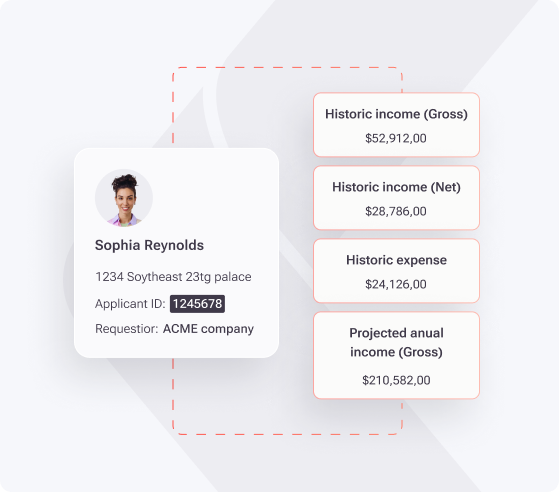
Comprehensive screening protects your community more effectively than basic checks. Limited services often skip critical elements such as nationwide records, eviction history, income verification, and prior address history.
Applicant fraud attempts increased by 20% year-over-year, so HOAs benefit from advanced verification tools that follow FCRA standards and reduce identity and income fraud.
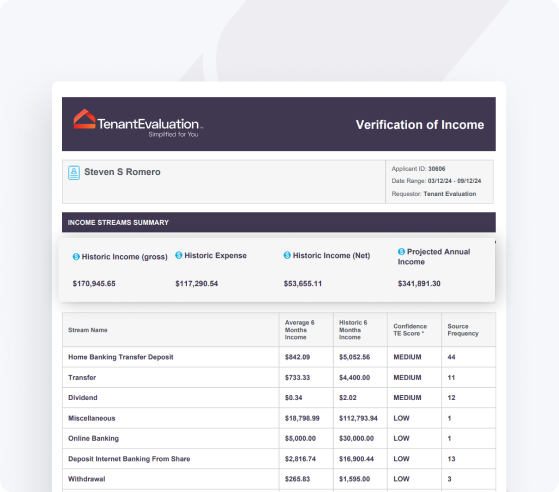
Look for services that provide FCRA-compliant reports, detailed criminal and credit data, and verified employment and income. Solutions like Tenant Evaluation’s SafeCheck+, IDverify, and IncomeEV work together to build a clear, accurate picture of each applicant.
2. Align Screening With Florida Laws And Your Bylaws
Florida-specific rules and fair housing standards require more than a generic background check template. Inconsistent criteria or ad hoc decisions can lead to claims of discrimination and state or federal penalties, as seen when a South Florida HOA received a $50,000 fine for a fair housing violation.
The most useful services configure screening rules to match both state law and each community’s governing documents. Tenant Evaluation is built around Florida regulations and supports custom workflows so your association can apply its standards in a consistent, documented way.
3. Improve The Digital Experience For Applicants And HOA Stakeholders
Digital-first screening reduces friction for applicants, realtors, managers, and board members. Manual forms, physical checks, and email back-and-forth increase errors and slow move-in timelines.
Organizations that digitize onboarding processes report significant reductions in processing time, which directly improves satisfaction and lowers administrative costs.
Look for 100 percent online applications, secure document uploads, e-signatures, and automated updates at each step. Tenant Evaluation also offers multilingual support in up to 11 languages to serve Florida’s diverse communities and reduce confusion during the application process.
4. Protect Applicant Data With Strong Security And Privacy
Screening requires HOAs to handle sensitive personal information, including identification numbers, financial details, and background reports. Weak security practices can expose the association and applicants to identity theft, reputational harm, and legal claims.
The average cost of a data breach is estimated at $4.24 million per incident, which illustrates why secure screening platforms are so important.
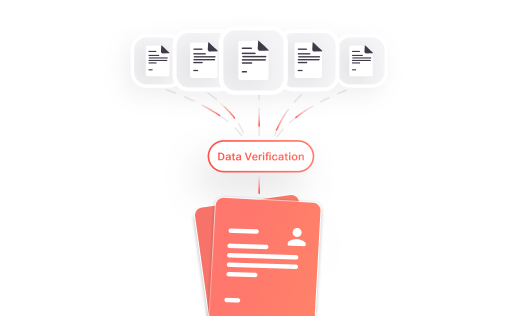
Services that support PCI Level 1 compliance, encryption in transit and at rest, role-based access controls, audit logs, and automatic redaction of sensitive data give HOAs a clear advantage. Tenant Evaluation incorporates these protections into the core platform so boards and managers can demonstrate responsible data handling.
5. Give Board Members Clear Tools For Faster Decisions
Volunteer board members need concise information, not raw data. Email chains and scattered documents slow approvals and create confusion about who reviewed what and when.
A survey of HOA board members found that 60 percent identified inefficient communication and review processes as their main challenge in managing applications.
Dedicated board dashboards make it easier to review summaries, see supporting documents, record votes, and track decisions. Tenant Evaluation’s QuickApprove dashboard gives board members a central place to review and decide on applications with full audit trails.
Ready to reduce delays and simplify approvals for your board? Schedule a demo to see how Tenant Evaluation supports faster, more transparent decisions.
6. Use Screening To Support HOA Revenue And Cost Control
Resident screening does not need to remain a pure cost center. Structured application fees and technology-driven workflows can offset software costs and sometimes create new income streams for the association.
Automated fee collection reduces staff time on invoicing and reconciliation and helps ensure that every application fee is captured. Tenant Evaluation’s model includes automated fee workflows and revenue-sharing that has generated more than $150 million for communities, which shows how efficient screening can support HOA finances.
7. Rely On Integrations, Analytics, And Ongoing Support
Effective screening platforms evolve with your community’s needs. Integrations with property management systems, reliable customer support, and useful analytics make it easier to manage long-term operations instead of treating screening as a one-time setup.
Businesses that use analytics in operations report an average ROI of 10 to 20 percent on technology investments, which highlights the value of data-driven decision-making.
Look for tools that show application volumes, approval timelines, and community demographics, along with 24/7, multilingual support. Tenant Evaluation provides these capabilities so managers can spot trends and resolve issues quickly.
HOA Background Check Services Comparison Table For Florida Communities
|
Feature/Service |
Tenant Evaluation |
Verify Screening Solutions |
Screening Link |
|
Comprehensive Screening |
Yes (SafeCheck+, IDverify, IncomeEV) |
Yes (via TazWorks) |
Yes |
|
Florida-Specific Compliance |
Tailored and built-in |
Generic |
Generic |
|
100% Online Application |
Yes |
Limited |
Not Confirmed |
|
Board Member Dashboard |
Yes (QuickApprove) |
No |
Not Confirmed |
Frequently Asked Questions (FAQ) About HOA Background Check Services
What is the most important aspect of an HOA background check in Florida?
The most important aspect is alignment with Florida statutes and your community’s governing documents, combined with thorough screening of criminal, credit, and eviction history. A configurable solution such as Tenant Evaluation helps HOAs apply consistent criteria that match their bylaws while maintaining compliance.
How can an HOA background check service generate revenue or save costs?
An advanced screening service can reduce costs through automation and create revenue through structured application fees and rebate programs. Tenant Evaluation automates fee collection and returns a portion of application fees to the association, which turns a mandatory process into a financial benefit while lowering staff workload.
What makes Tenant Evaluation different from other HOA background check services?
Tenant Evaluation offers an end-to-end resident screening and onboarding platform built specifically for Florida HOAs and condominiums. The platform combines Florida-focused compliance, customizable workflows, the QuickApprove board dashboard, automated document review and redaction, and revenue-sharing features.
How do I ensure the background check service complies with FCRA regulations?
Your HOA should choose a provider that clearly states FCRA compliance and offers detailed audit trails for each report. Tenant Evaluation’s SafeCheck+ solution manages consent, required disclosures, and adverse action workflows so your community can meet its legal obligations when approving or denying applications.
What should I look for in data security and privacy protection?
HOAs should prioritize services with PCI Level 1 compliance, encryption, automatic redaction of sensitive fields, secure document storage, and strict access controls. Tenant Evaluation includes these protections, which helps safeguard both applicants and the association from data exposure.
Conclusion: Build A Secure, Efficient Florida HOA Screening Process In 2026
Choosing an HOA background check service in 2026 shapes your community’s safety, compliance posture, and day-to-day workload. The seven factors in this guide provide a clear framework to compare options based on screening depth, Florida-specific compliance, digital experience, security, board tools, financial impact, and long-term support.
HOAs that evaluate providers against these criteria can select a service that protects residents, reduces risk, and simplifies approvals. Tenant Evaluation was designed around these needs for Florida communities; schedule a demo to see how it can support your association’s screening process in 2026 and beyond.
