
Key Takeaways
- Florida HOAs and condominiums face complex screening rules that require clear authority in governing documents, careful fee structures, and strict record-keeping.
- Manual screening increases the risk of Fair Housing and FCRA violations, data exposure, delays, and inconsistent decisions across applicants and communities.
- Compliance-focused screening software helps boards follow Florida Statutes 718 and 720, align with HB 913 (2025) trends, and maintain long-term digital records.
- Applicant-friendly tools such as online applications, multilingual support, and automated updates reduce questions for management and improve the experience for realtors and residents.
- Tenant Evaluation provides Florida-specific resident screening compliance software; schedule a demo to see how it can support your HOA or condo board.
Why Florida HOAs and Condos Need Specialized Resident Screening Compliance Software
The High Stakes of Non-Compliance in Florida
Florida community associations operate under detailed statutes that make casual or ad hoc screening risky. Governing documents must define who conducts screening, which criteria apply, and how decisions are made under Florida Statutes 718 and 720.
Associations that fail to follow these standards face exposure to fair housing claims, lawsuits, data security incidents, and financial penalties. Improper screening, unclear authority, or mishandling of sensitive information can trigger legal and financial consequences. Manual, paper-based systems also increase the chance of lost documents, miscommunication, and slow approvals that frustrate applicants and realtors.
Improving Efficiency While Reducing Risk
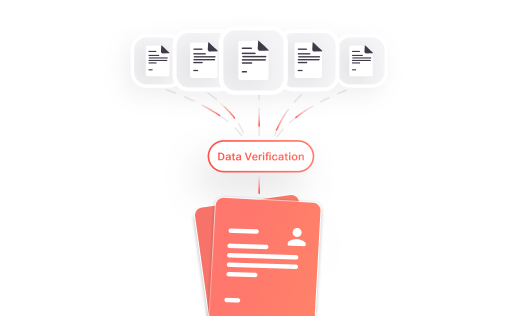
Compliance-focused software standardizes applications, criteria, and decision steps so staff and boards follow the same process every time. Communities that move away from manual screening reduce processing time, cut errors, and improve communication with applicants and realtors.
Digital systems also create audit trails, store records securely, and update workflows when rules change. This structure lowers day-to-day workload and helps boards show regulators and attorneys exactly how decisions were made.
Schedule a demo to see how Tenant Evaluation streamlines compliant screening for Florida HOAs and condos.
Key Florida Regulatory Updates That Affect Screening
HB 913 (2025), Governance, and Record-Keeping
HB 913 (2025) requires condo managers to hold proper licenses and reinforces the board’s duty to oversee compliance. Board members must certify in writing within 90 days that they have read and understand their governing documents, which ties directly into screening rules written into those documents.
Associations must retain official records for at least seven years, and some documents permanently. Digital screening systems make long-term record storage, retrieval, and audits far easier than paper files.
FCRA Compliance for Background Checks
The Fair Credit Reporting Act (FCRA) governs how associations request and use background checks. Criminal, credit, and eviction checks must use certified reporting agencies, include applicant consent, and follow specific notice procedures.
Software that embeds consent forms, certified vendors, and adverse action steps into its workflow reduces the risk that staff overlook any FCRA requirement.
Screening Fees and Governing Document Authority
Screening fees must be reasonable, reflect actual costs, and appear clearly in the governing documents. Fees and criteria must be non-discriminatory and consistent with fair housing law.
Authority to conduct screening and background investigations must appear in declarations or bylaws, not only in board rules. Screening software helps boards apply these authorized fees and criteria in a consistent way.
Essential Features of Compliance-Focused Screening Software
Florida-Specific Rules and Workflows
Tenant Evaluation configures each community’s statutes, governing documents, and internal rules into its Custom Setup for Rules & Compliance. This structure aligns applications and approvals with Florida Statutes 718 and 720 and the association’s own documents.
Intelligent form logic adapts questions based on the community and applicant type. Boards can apply different requirements for purchasers, tenants, or additional adult occupants while keeping everything within approved criteria.
Data Security, Redaction, and Transparency
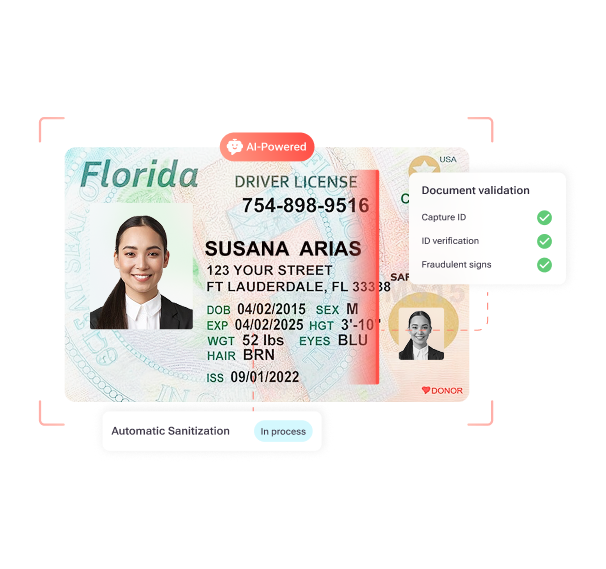
Tenant Evaluation automatically redacts sensitive information, including Social Security numbers and bank details, from shared documents. PCI Level 1 compliance and encryption protect stored and transmitted data, lowering the risk of breaches and privacy claims.
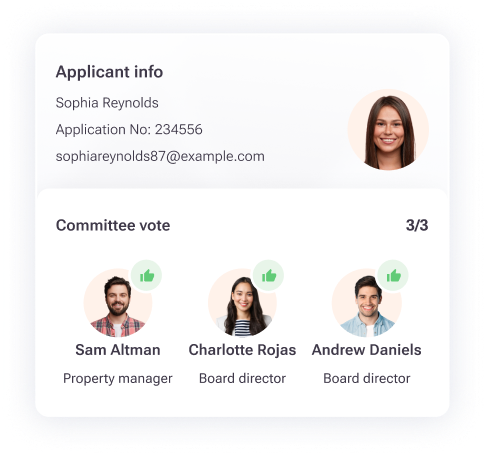
Boards gain visibility through structured workflows rather than email threads. The platform’s QuickApprove dashboard shows application status, summaries, and voting options in one place and creates an audit trail for every action.
Comprehensive Screening and Online Applications
The platform connects identity, income, and background verification in one system. IDVerify confirms identification, IncomeEV checks income and employment, and SafeCheck+ provides national and international background reports while maintaining FCRA compliance.
Applicants complete everything online, including document uploads and payments. Mobile-friendly forms, status updates, and clear instructions reduce questions for staff and shorten approval timelines.
Support for Diverse Applicant Groups
Tenant Evaluation offers AI chat support in 11 languages, which helps applicants complete forms correctly without repeated calls or emails to the management office. This approach supports Florida’s diverse communities and reduces staff workload.
Request a personalized demo to see these features in action.
Best Practices for Implementing Screening Compliance Software
Start With Clear Governing Documents
Boards gain the most from software when declarations, bylaws, and rules already authorize screening and fee collection. Legal counsel can help add or refine language on authority, criteria, documentation, and fees.
Well-drafted documents provide a solid legal base that the software can then enforce through consistent workflows.
Align Criteria With Fair Housing Requirements
Screening restrictions and criteria must comply with fair housing law and avoid discriminatory impact. Objective standards and consistent application protect both the association and applicants.
Boards can store approved criteria in the software, require the same checks for similar applicants, and reduce the chance that personal bias influences decisions.
Design for Efficiency and Applicant Experience
Effective implementations give each stakeholder a clear path. Applicants submit complete packages online, realtors track status in real time, and staff receive automatic alerts when they must review or approve items.
Automated reminders, structured document requests, and clear timelines help prevent incomplete files and repeated follow-ups.
Use Analytics for Better Planning
Screening data provides insight into application volumes, approval rates, timelines, and resident profiles. Associations can use these metrics to adjust staffing, refine criteria, and plan improvements to amenities or services.
Manual Screening vs. Tenant Evaluation
Reducing Manual Workloads
Manual screening often involves paper packets, spreadsheets, phone calls, and email trails. Staff must chase missing documents and coordinate between applicants, realtors, and board members, which delays move-ins.
Tenant Evaluation guides applicants through a complete application, routes files to the right reviewers, and sends notifications when actions are needed. Staff spend more time on decisions and less time tracking paperwork.
Strengthening Security and Compliance
Paper files and unsecured emails increase the chance that sensitive data is lost or viewed by unauthorized people. Local storage on personal computers also creates weak points for cyber threats.
Centralized, encrypted storage with automatic redaction and access controls reduces these risks and supports both privacy and FCRA compliance.
Improving Board Visibility and Consistency
Board members often receive fragmented information when applications move by email. This approach makes it difficult to see a complete picture of each applicant or prove that decisions followed policy.
The QuickApprove dashboard gives each board member the same structured summaries and documentation. Voting and comments stay within the system, which simplifies audits and reduces disputes.
|
Feature / Challenge |
Manual Screening |
Tenant Evaluation |
|
Compliance risk |
High, with changing laws and manual checks |
Lower, with Florida-specific rules and FCRA workflows |
|
Efficiency |
Low, with paper, email, and repeated follow-ups |
High, with automated routing and online submissions |
|
Data security |
Weak, with paper files and unsecured storage |
Stronger, with PCI Level 1, redaction, and encryption |
|
Board transparency |
Limited, with scattered updates |
High, with real-time dashboards and audit trails |
Frequently Asked Questions
How do recent Florida changes affect our resident screening process?
Recent laws, including HB 913 (2025), highlight stronger oversight of managers and boards and reinforce the need for documented, consistent procedures. Screening rules and fees must align with Florida Statutes 718 and 720, appear in the governing documents, and follow FCRA requirements for background checks and notices. Automated systems help boards maintain this structure without relying on memory or individual staff practices.
Can our HOA or condo association collect screening fees?
Associations can collect screening fees when they are reasonable, reflect true costs such as background checks and administrative work, and appear in the governing documents. Fees and criteria must apply consistently and comply with fair housing law. Clear documentation and software-controlled workflows support this consistency.
What are the main risks of non-compliant screening?
Non-compliant screening can result in fair housing complaints, FCRA violations, privacy breaches, legal fees, and fines. Manual processes also slow move-ins and create confusion for applicants and realtors. Long-term, repeated issues can harm the community’s reputation and property values.
How does Tenant Evaluation support FCRA compliance?
Tenant Evaluation uses certified reporting agencies, embeds consent into the application process, and structures adverse action notices. Background checks for criminal history, credit, and evictions follow FCRA rules, which reduces the chance that a missed step exposes the association to claims.
Why should Florida communities choose Tenant Evaluation?
Tenant Evaluation focuses on the specific needs of Florida HOAs and condos. The platform reflects state statutes, supports governing document requirements, secures data, and gives boards clear tools for review and voting. This design helps communities manage risk while improving the experience for applicants, realtors, and staff.
Conclusion: Preparing Florida Communities for 2026 and Beyond
Florida’s community associations face growing expectations around governance, documentation, and data protection. Manual screening methods struggle to keep up with these demands.
Tenant Evaluation offers a structured, Florida-focused screening system that supports legal compliance, improves efficiency, and provides transparency for boards and residents. Schedule a demo to see how your association can modernize resident screening and reduce risk in 2026.