
Key Takeaways
- Manual, paper-based HOA onboarding slows approvals, increases errors, and raises compliance risk for boards and community managers.
- Centralized digital portals, automated document collection, and integrated background checks shorten processing times and improve consistency.
- Digital board workflows, automated communication, and online payments reduce administrative work while improving transparency for applicants.
- Analytics from onboarding data support better decisions about amenities, policies, and long-term community planning.
- Tenant Evaluation offers an affordable, end-to-end onboarding platform for HOAs; schedule a demo today to see how it can fit your community.
The Challenge: Why Affordable PropTech Solutions for HOA Onboarding Matter
Many HOAs still rely on paper forms, email chains, and ad hoc tracking. These methods slow approvals, increase data entry errors, and frustrate both residents and volunteers. HOA boards face heavy administrative workloads, including manual onboarding that contributes to burnout and inefficiency.
The impact goes beyond time lost. Disorganized onboarding can extend vacancy periods, increase legal exposure, and damage resident satisfaction. Poor or missing onboarding is a major factor in early resident turnover. Security also suffers when sensitive documents move through email or paper without clear access controls or audit trails.
Resident expectations changed in recent years. Applicants now expect fast, digital, and mobile-friendly processes. By 2025, physical newsletters and manual updates no longer matched how most residents preferred to communicate. HOAs that modernize onboarding now enter 2026 with a clear advantage.
7 Affordable PropTech Solutions to Revolutionize HOA Onboarding in 2026
1. Centralized Digital Application Portals for Faster Submissions
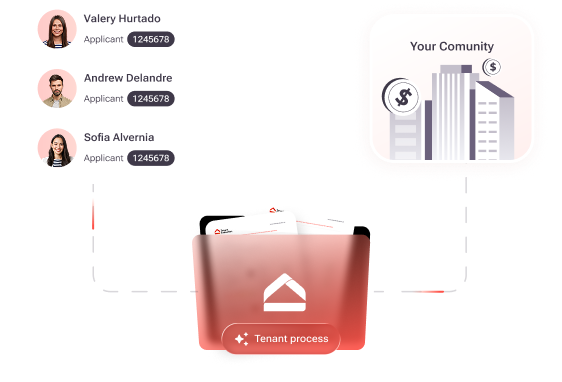
A single online portal gives applicants 24/7 access to forms, documents, and requirements in one place. Clear step-by-step guidance reduces confusion, and required fields help ensure complete submissions before applicants click submit.
Mobile-responsive design lets residents apply from smartphones or tablets, including document uploads and e-signatures. Staff no longer sort paper files or reconcile multiple email attachments, so they can focus on exceptions instead of routine processing.
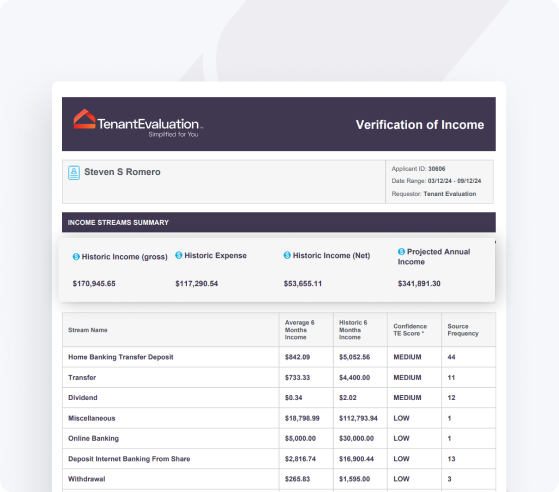
Communities that adopt centralized portals often report shorter processing timelines, fewer status inquiries, and lower printing and storage costs.
2. Automated Document Collection and Verification to Reduce Errors
Automated workflows collect and organize required documents without repeated back-and-forth emails. Digital document collection and integrated screening tools improve compliance and reduce manual work during onboarding.
Smart forms adapt based on applicant type and property rules. The system can request leases, IDs, insurance certificates, and vehicle details only when needed. Built-in checks flag missing or incomplete items before an application reaches the review stage.
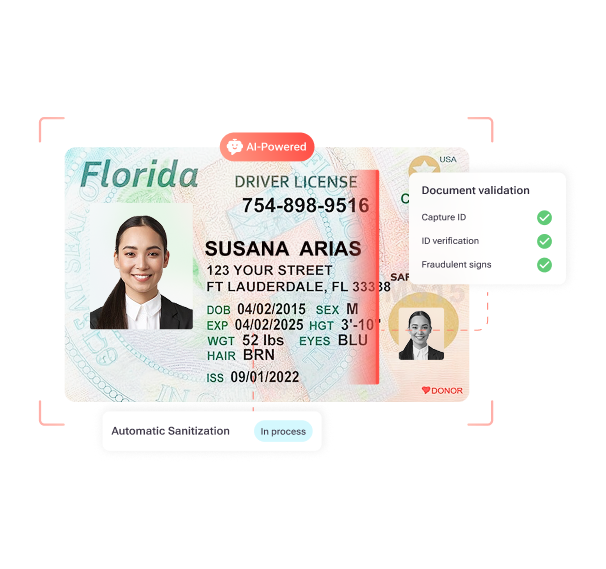
Automated verification supports:
- ID validation and redaction to protect privacy
- Checks for required signatures and dates
- Consistency with HOA bylaws and state requirements
This structure lowers risk and gives boards a clear, organized file for every approved applicant.
3. Integrated Background and Credit Screening for Consistent Decisions
Integrated background and credit tools keep screening in one platform instead of relying on multiple vendors. These tools can include nationwide criminal records, eviction history, employment checks, and credit data in a unified report that is easy for board members to review.
Modern screening systems emphasize secure handling of personal information through encryption, limited access, and automatic redaction of sensitive fields. This helps maintain compliance with FCRA and fair housing laws while protecting applicants.
When screening integrates directly with the application portal, HOAs can move from submission to decision more quickly while applying consistent criteria for every applicant.
4. Digital Board Review and Approval Workflows for Clear Oversight
Digital workflows give board members a shared dashboard that shows application status, key details, and voting options in one place. Members can review and vote from any device, which reduces delays between meetings.
Well-documented procedures and organized records support smoother leadership transitions and better governance. Digital approval tools provide:
- Configurable voting rules and quorum requirements
- Audit logs that capture who reviewed and voted, and when
- Automatic notifications for pending and completed items
These features improve transparency for the board and create a reliable history that can be referenced during disputes or audits.
Schedule a demo today to see how Tenant Evaluation supports structured, traceable approvals for your board.
5. Automated Communication and Notification Systems for Better Resident Experience
Automated emails and text messages keep applicants informed without constant manual follow-up. Clear guidelines, a welcoming tone, and ongoing support make move-ins smoother for new residents.
Effective communication systems can:
- Send status updates at key milestones
- Share digital welcome packets with rules, amenities, and contacts
- Deliver reminders about documents, fees, and move-in dates
Residents increasingly expect communication through channels they already use. Digital messaging and online portals support higher engagement and participation. Multi-language options and consistent messaging help new residents feel informed and included from day one.
6. Revenue-Generating Application Fee Collection to Offset Costs
Online payment tools handle application fees automatically, which removes manual check handling and reduces errors in accounting. Payments post in real time, and receipts issue immediately to applicants.
Key capabilities include:
- Multiple payment methods, including cards and ACH
- PCI-compliant, encrypted processing
- Direct integration with HOA accounting or banking systems
Many platforms offer revenue-sharing models that return a portion of collected fees to the association. HOAs can use this revenue to offset or fully cover onboarding technology costs, turning a former expense into a predictable income stream.
7. Community Analytics and Reporting for Better Planning
Onboarding data, when organized and anonymized, provides a useful view of who lives in the community and what they need. Centralized portals, automated workflows, and data-driven decisions now shape leaner and more responsive HOA operations.
Analytics can highlight:
- Resident demographics and income ranges
- Pet and vehicle trends that affect parking and common areas
- Preferences that inform amenity upgrades and event planning
Boards can use these insights to prioritize projects that match actual demand, support fair policy updates, and communicate decisions more clearly to residents.
Schedule a demo today to explore how Tenant Evaluation can turn your onboarding data into practical insights for long-term planning.
Frequently Asked Questions
How can PropTech support HOA compliance with Florida-specific regulations during onboarding?
Many onboarding platforms include configurable workflows that reflect Florida statutes and local bylaws. Required disclosures, forms, and screening steps appear in the correct order, and the system records an audit trail of every action. Automatic updates help keep requirements current so managers do not need to track every regulatory change manually.
Is PropTech for HOA onboarding affordable for smaller communities?
Vendors often price onboarding tools per application or per unit, which helps smaller communities control costs. Some offer revenue-sharing models where applicant fees cover most or all platform expenses. Savings from reduced staff time, printing, storage, and error correction typically offset the investment within a relatively short period.
How does PropTech improve the resident experience during HOA onboarding?
Digital onboarding lets applicants complete forms, upload documents, and monitor status from any device at any time. Automated messages reduce uncertainty by explaining what comes next and what is still required. Faster decisions and clear welcome materials create a smoother move-in that supports long-term engagement.
What security measures protect sensitive applicant data in onboarding platforms?
Modern systems use encryption in transit and at rest, strict access controls, and role-based permissions. Many also apply automatic redaction to sensitive fields and maintain PCI Level 1 compliance for payment data. Regular security reviews and time-bound retention policies reduce the risk of exposure for both residents and the association.
Can PropTech solutions integrate with existing HOA management and accounting software?
Most established PropTech providers offer APIs and prebuilt integrations for common management, accounting, and communication tools. These connections reduce duplicate data entry, synchronize resident records, and support end-to-end workflows from application to move-in and billing. Export options help HOAs meet custom reporting needs without manual spreadsheet work.
Conclusion: Modernize HOA Onboarding While Controlling Costs
Affordable PropTech gives HOAs a practical way to replace paper-heavy onboarding with digital processes that are faster, clearer, and easier to manage. Centralized portals, automated document checks, integrated screening, digital approvals, smart communication, online payments, and analytics all contribute to better compliance and a stronger resident experience.
Communities that adopt these tools in 2026 can shorten processing times, reduce risk, and fund much of the technology through application fees. Schedule a demo today to see how Tenant Evaluation can streamline your HOA onboarding, support compliance, and create a more efficient start to every new resident relationship.