
Resident onboarding for condo and HOA communities can be a complex task, loaded with paperwork and risks, especially when handling background checks. Manual processes often tie up staff time and leave room for errors or compliance issues. This article shares seven practical strategies to simplify onboarding, ensure compliance, save time, and even create revenue opportunities for your community.
Why Efficient Onboarding and Strong Background Checks Matter
Managing resident onboarding in condo and HOA communities involves more than just processing new residents. It requires balancing regulations, maintaining safety, protecting property values, and avoiding legal risks. Background checks play a central role, but without the right approach, they can lead to delays, mistakes, and potential lawsuits.
A slow or messy onboarding process causes frustration for managers, residents, and realtors alike. It can also create compliance gaps and missed financial opportunities, affecting both community reputation and budget. These seven strategies offer clear steps for community managers and board members to build a smoother, safer, and more efficient onboarding system.
1. Switch to a Digital Application System for Faster Results
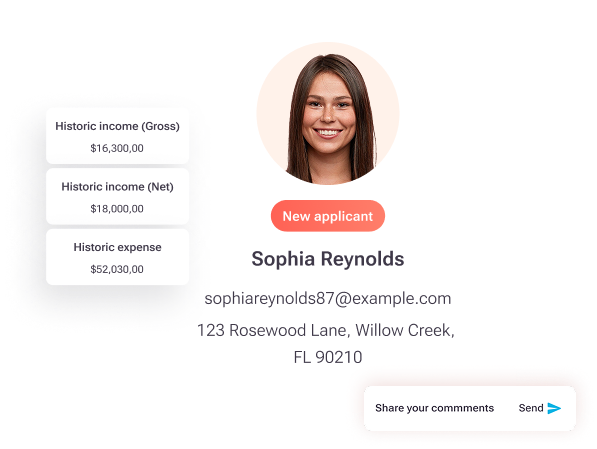
Paper-based applications slow down condo onboarding, creating errors and wasting staff time. A digital platform solves this by centralizing everything from submission to approval in one accessible place.
Look for a system with customizable forms that fit your community’s needs, support various document types like IDs and financial records, and work on both web and mobile devices. Features like smart logic can guide applicants, cutting down on incomplete forms and extra follow-ups.
Digitizing saves more than just time. One Florida management company saved $240,000 yearly by going digital, reducing processing time by half and freeing staff for bigger tasks. This approach eliminates manual data entry, minimizes mistakes, and keeps a clear record for compliance.
2. Use Thorough, Compliant Background Checks to Protect Your Community
Background screening is a critical step to assess applicants and maintain safety in condo and HOA communities. A complete check goes beyond criminal records to include credit history, rental background, income details, and references.
Ensure the process follows FCRA guidelines with detailed reports on criminal history, evictions, credit, and income. Compliance with Fair Housing Acts is essential to avoid discrimination. Rejecting someone based only on criminal history can violate fair housing laws if it disproportionately affects protected groups. Clear, documented criteria are key.
A well-rounded check includes credit reports, rental history, income verification, and criminal records. These four components offer a full view of an applicant’s reliability and fit. This helps managers make informed choices while upholding community standards. Associations aren’t liable to landlords for their checks and don’t need to share results, so both parties should screen independently.
3. Customize Onboarding to Match Community Rules and Florida Laws
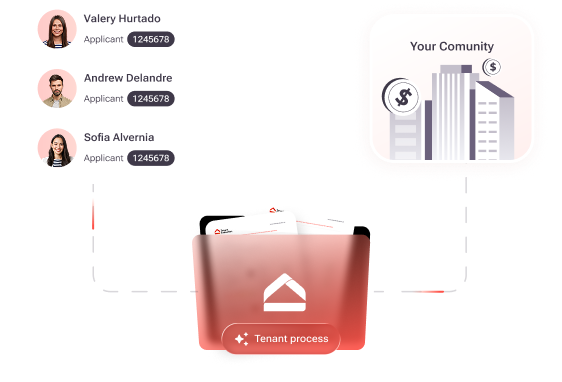
Every condo and HOA has unique rules, from credit requirements to pet policies. An effective onboarding system needs to adapt to these specifics while complying with Florida regulations.
Work with a provider familiar with Florida condo and HOA laws. Background checks for renters must be authorized by governing documents. This ensures your process aligns with legal and community standards.
Tailored workflows can adjust for different applicant types, like tenants or buyers, applying the right criteria automatically. This reduces errors, prevents rule violations, and lowers the risk of legal issues from inconsistent practices or non-compliance with state laws.
Schedule a demo today to see how TenantEvaluation can streamline your onboarding and ensure compliance for your community.
4. Protect Resident Data with Automated Security Features
Handling personal information during onboarding carries serious risks for condo and HOA communities. Manual systems make it easy for sensitive data, like Social Security numbers, to be exposed, leading to breaches and legal issues.
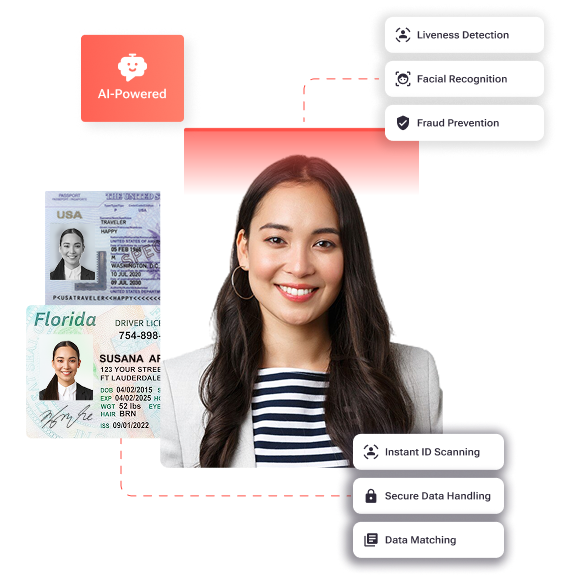
Choose a platform that automatically redacts sensitive details from documents while keeping essential data for screening. It should meet PCI Level 1 standards and use end-to-end encryption to safeguard information.
These protections lower the chance of data leaks and reduce liability for your community. They also build trust with residents by showing a focus on privacy, while saving staff from manually securing hundreds of documents.
5.Equip Board Members with Tools for Quick, Clear Decisions
Board reviews often slow down onboarding, with applications stuck in emails or lost in manual systems. Board members need better visibility and simpler ways to approve or reject applicants.
A board dashboard can show real-time application updates, summarize key details with AI assistance, and offer easy voting options. Every action should be logged with timestamps for transparency and accountability.
This setup speeds up approvals, cuts out endless email threads, and helps board members make solid decisions with all the facts. It improves the resident experience while supporting the board’s oversight role.
6. Offer 24/7 Multilingual Support with AI Assistance
Florida’s condo communities are diverse, with residents speaking many languages. Relying on limited office hours or English-only support can frustrate applicants and burden staff with basic questions.
An AI-driven support system, available around the clock in multiple languages, tackles this issue. It should handle chat and phone inquiries, answer common questions, and guide applicants on uploads or status updates, escalating complex issues to staff when needed.
This tech boosts applicant satisfaction by providing help anytime, anywhere. It also frees up staff from repetitive tasks, letting them focus on bigger priorities while ensuring consistent communication for all.
7. Turn Onboarding into a Source of Community Revenue
A smart onboarding process does more than save time, it can also bring in money for your condo or HOA. Manual systems often miss fees or cost more to run than they collect, losing potential income.
Automated fee collection, tied directly to the application process, ensures payments are made and processed accurately without extra work. Some platforms even split fees with the community, turning onboarding into a budget-friendly or profit-making operation.
This eliminates the hassle of manual payments and guarantees full fee collection. The extra funds can support community projects or reserves, benefiting everyone while keeping finances in check.
Common Questions About Condo Onboarding
Can an HOA Deny a Renter Based Only on Criminal History?
Denying a renter solely for criminal history poses legal risks for HOAs and condo associations. While checks are allowed if outlined in governing documents, blanket denials can violate Fair Housing Acts by unfairly impacting protected groups. Applying different rules to renters versus buyers can also lead to discrimination claims. Communities should use consistent, specific criteria focused on relevant factors, not broad exclusions.
Who Handles Background Checks, HOA or Landlord?
Both HOAs and landlords have roles in background checks for condo residents. Associations can screen if authorized by their rules but aren’t obligated to share findings with landlords or liable for their checks. Landlords should always conduct their own screenings to cover tenant-related risks, like damages to common areas. This dual process protects both parties’ interests.
What Should a Full Background Check Include for Condo Residents?
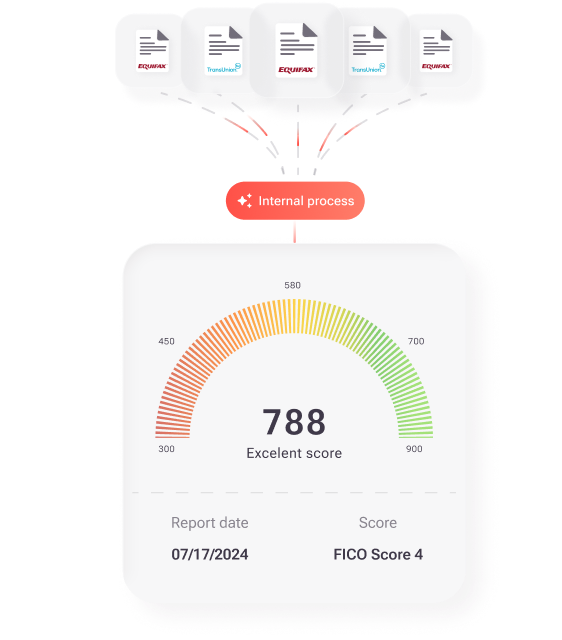
A complete background check for condo residents needs four key elements. Credit reports show financial habits and payment reliability. Rental history highlights past behavior with leases and landlords. Income verification confirms the ability to pay housing costs. Criminal checks identify potential safety concerns. Together, these give a full picture for sound approval decisions.
Why Follow Florida-Specific Rules for Onboarding?
Sticking to Florida’s unique condo and HOA laws during onboarding is vital to avoid penalties and legal trouble. The state’s regulations differ from others, and failing to comply can lead to fines or challenges to association decisions. Managers must align all processes, from checks to fees, with both local rules and state laws for full protection.
Do Automated Systems Cut Workload and Improve Compliance?
Automated onboarding systems significantly lighten administrative tasks while strengthening compliance. They remove manual data entry, reduce errors, and enforce rules through set workflows. Staff can shift focus to higher-value work, and detailed records support audits or legal needs. This dual benefit addresses daily challenges and long-term risk for communities.
Schedule a demo today to learn how streamlined onboarding can save time, ensure compliance, and increase revenue for your community.
Final Thoughts: Boost Efficiency and Safety in Condo Onboarding
Improving resident onboarding and background checks is no longer just a nice-to-have for condo and HOA communities. It’s a must for better finances, legal safety, and smoother operations. The seven strategies here, from digital tools to revenue ideas, turn messy manual tasks into organized, secure processes.
Switching to automated systems cuts down on staff workload, ensures compliance with tough regulations, improves resident satisfaction, and opens new income sources. These changes build a strong base for managing risks and protecting property values over the long term.
Communities that adopt these ideas gain a real edge, avoiding the pitfalls of outdated methods. Modernizing onboarding now sets your community up for success in a complex management environment.