
Key Takeaways
- Stronger HOA background checks in Florida reduce legal risk, support Fair Housing compliance, and help preserve community safety and property values.
- Criminal, credit, identity, eviction, income, and sex offender checks work together to give boards a clear view of applicant risk before approval.
- Consistent, well-documented screening criteria protect associations from claims of discrimination and support more confident, defensible decisions.
- Property-specific rules, such as pet, parking, and rental policies, should be built directly into the screening process so new residents align with community standards.
- HOAs that use a dedicated screening platform like Tenant Evaluation can simplify processing and compliance while improving the applicant experience. Get started with Tenant Evaluation.
How Robust HOA Background Checks Protect Your Community
Effective background checks give Florida HOAs a structured way to manage risk. Strong screening helps protect property values, reduce disruptions, and support a safe living environment for residents.
Weak or inconsistent screening can increase liability, create Fair Housing exposure, and damage trust among owners. Problem residents can bring unpaid assessments, property damage, repeated rule violations, and legal disputes that drain board time and association funds.
Clear, comprehensive screening policies show residents that the board takes its fiduciary duties seriously. When every applicant follows the same process, the association supports fairness and safeguards the community’s financial and social stability.
See how Tenant Evaluation can streamline HOA and condo applications in your Florida community.
1. Criminal History Checks That Go Beyond a Single Database
Thorough criminal screening forms the core of resident safety policies. Reliable checks review records across national, state, and county databases and include items such as felonies, misdemeanors, sex offender status, and relevant watchlists.
Florida law adds specific requirements for leadership roles. Florida statutes disqualify felony convicts or people with crimes of moral turpitude from HOA board service for 20 years unless civil rights have been restored for at least five years. This standard highlights why boards need accurate criminal screening for both residents and potential directors.
Fair Housing rules still apply. HUD guidance under the Fair Housing Act evaluates criminal history policies for intentional discrimination, disparate impact, and failure to provide reasonable accommodations. Screening criteria must be applied consistently and tied to genuine safety or property concerns, not assumptions or stereotypes.
2. Credit Report Analysis That Reflects Financial Responsibility
Credit reports give boards insight into how applicants manage money over time. Typical reports show account types, open dates, limits, balances, payment history, past dues, and inquiries.
Applicants who show a pattern of on-time payments and moderate use of credit often present lower risk for unpaid assessments and special assessments. Repeated late payments, high utilization, or charge-offs can suggest higher collection risk for the association.
Context still matters. Temporary hardship tied to issues such as medical expenses or short-term job loss may not carry the same weight as long-term financial mismanagement or fraud-related accounts. Boards should define in advance how they will evaluate different credit patterns and then apply those standards in the same way for every applicant.
3. Identity Verification That Confirms the Right Person
Accurate identity verification supports every other part of the background check. Strong processes confirm Social Security numbers, dates of birth, and government-issued IDs before pulling criminal, credit, or eviction data.
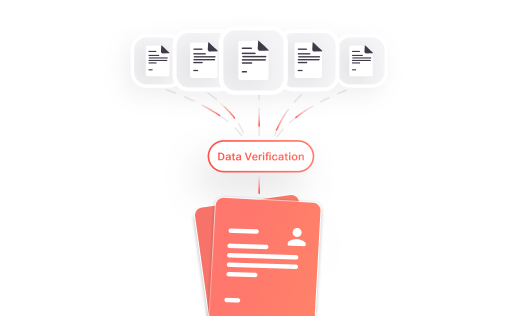
Common background check errors include transposed Social Security digits, mixed files, outdated expunged records, and mistaken identity. Careful identity checks help prevent these issues, which can otherwise lead to unfair denials or missed red flags.
Data security should match the sensitivity of the information collected. Screening platforms such as Tenant Evaluation redact sensitive fields, encrypt data in transit and at rest, and follow strict compliance standards. That approach reduces risk for associations that handle confidential applicant information.
4. Eviction History and Prior Residency Checks That Reveal Patterns
Past rental and residency history often predicts how applicants will treat a new community. This part of the screening process can reveal how well people pay on time, follow rules, and respect neighbors.
Effective residency verification confirms dates of occupancy, payment behavior, property care, noise or conduct complaints, and the reason for move-out. Feedback from prior landlords or property managers gives boards a clearer picture than credit data alone.
Evictions deserve close review. A single event tied to a documented hardship may carry less weight than repeated filings or chronic lease violations. Boards should look at reasons for eviction, judgment status, and any unpaid balances that might affect financial stability.
5. Income and Employment Verification That Supports Long-Term Affordability
Income verification helps boards confirm that applicants can meet ongoing assessments and housing costs. Reliable methods include secure bank or payroll connections and document review of pay stubs, W-2s, or tax returns.

Employment verification adds another layer of certainty by confirming job title, status, tenure, and income directly with employers when possible. For self-employed applicants, boards often review tax returns, bank statements, and business records to gauge income consistency.
Clear income standards help ensure that assessments remain affordable relative to earnings. Many communities consider stable job history, consistent income, and reasonable debt-to-income levels as positive indicators of long-term payment reliability.
6. Sex Offender Registry Checks That Prioritize Safety
Sex offender registry checks support safety for families, children, and other vulnerable residents. Comprehensive screening reviews state and national registries to identify matches tied to an applicant.
Florida maintains specific systems for registering and tracking offenders, so Florida HOAs should ensure their chosen screening partner includes those databases. This practice helps boards set realistic safety expectations and plan any required policy responses.
Every applicant should go through the same registry check. Consistent treatment supports Fair Housing compliance and reinforces that safety standards apply equally across the community.
7. Property-Specific Rules That Align Residents With Community Standards
Community rules and lifestyle expectations complete the background check picture. Screening should verify that applicants understand and can follow rules related to pets, vehicles, rentals, guest access, insurance, and architectural guidelines.
Custom criteria allow boards to embed their governing documents into the screening workflow. Examples include minimum credit scores, income thresholds, pet size or breed limits, parking rules, and occupancy limits that align with local law.
Platforms like Tenant Evaluation can evaluate these custom fields alongside standard criminal, credit, and income checks. When expectations are clear before approval, associations reduce the risk of future disputes and support a better fit between residents and community culture.
Key HOA Background Check Guidelines for Florida Communities
HOAs may deny applicants based on certain criminal records
Boards can base denials on criminal history when criteria relate directly to safety or property protection and follow Fair Housing guidance. Policies should be written, applied uniformly, and avoid blanket bans that create disparate impact on protected classes. Legal counsel can help boards align their criteria with current federal and Florida rules.
Criminal history reports have practical lookback limits
Criminal convictions may appear on reports without a strict time limit, while many non-conviction records older than seven years do not appear under typical FCRA practices. Serious offenses related to sex offender status may remain reportable for longer periods. Florida also sets a 20-year lookback for disqualifying certain felonies for HOA board members unless civil rights were restored at least five years earlier.
All applicants should follow the same screening process
Consistent procedures build fairness and reduce legal risk. Buyers, renters, co-occupants, and roommates should all complete the same background check steps and meet the same standards. That consistency should cover criminal checks, credit and income criteria, and community-specific rules without exception.
Background check errors often stem from identity or data issues
Frequent problems include mismatched Social Security numbers, similar names that lead to incorrect criminal records, outdated expunged cases, and mixed files. These errors can either unfairly harm applicants or allow risk to go unnoticed. Strong identity verification, careful vendor selection, and clear dispute procedures help reduce these issues.
Fair Housing compliance depends on documented, narrow policies
Boards support compliance by documenting screening standards, training staff, reviewing decisions for consistency, and updating policies with legal counsel as laws evolve. Criteria should tie directly to business needs such as safety, noise control, or payment reliability and should avoid broad exclusions that disproportionately affect protected groups.
Conclusion: Build Safer, More Stable Florida Communities With Better Screening
Well-structured HOA background checks help Florida communities stay safe, compliant, and financially stable. Criminal records, credit profiles, identity verification, eviction and residency history, income checks, sex offender registries, and rule alignment all work together to inform board decisions.
Investing in a clear, consistent screening program reduces disputes, preserves property values, and supports a better experience for responsible residents. Associations that modernize their screening approach in 2026 place themselves in a stronger position as regulations and expectations continue to evolve.