
Key Takeaways
- Tenant identity fraud has surged 40% from 2023 to 2024, affecting 6.5% of multifamily applications in Florida. Some properties now see fraud rates as high as 50%.
- Follow 8 essential steps: collect government IDs, complete manual inspection, verify SSNs, use digital tools, add biometrics, run background checks, enable board review, and keep compliance documentation.
- Use biometric liveness detection and facial matching to block impersonation attempts and synthetic ID scams before move-in.
- Watch for red flags such as mismatched fonts, blurry photos, rental history gaps, and incomplete applications to catch fraud early.
- Schedule a demo with TenantEvaluation for instant, FCRA-compliant ID verification tailored to Florida HOAs and condos.
Rising Fraud Risks for Florida Property Managers
Rental fraud has increased sharply, so property managers now need stronger verification protocols. Fraudulent applications doubled from 15% to 29% during recent market volatility, while managers’ document detection accuracy dropped from 90% to 75%. Florida HOAs and condos also face strict Fair Credit Reporting Act (FCRA) rules that require permissible purpose documentation and clear adverse action procedures.
Traditional competitors such as Snappt and RentSpree send applicants to external portals, which disrupts workflows and limits board visibility. TenantEvaluation solves these issues as a Florida-focused platform with direct TransUnion reseller status, PCI Level 1 compliance, and built-in biometric verification. The platform processes more than 100,000 applications each year across over 5,000 communities.
Schedule a demo today to see how TenantEvaluation streamlines verification for CAMs and generates revenue for your community.
8 Practical Steps to Verify Tenant Identity
Step 1: Collect Government-Issued Identification
Start by requesting current driver’s licenses, state IDs, or passports from every adult applicant. Ask for clear scans that show security features, readable text, and consistent formatting. Confirm expiration dates and compare listed addresses with the information on the application.
Step 2: Conduct Manual Visual Inspection
Review each ID for common fraud indicators, including mismatched fonts, blurry photos, altered edges, or inconsistent spelling. Check for proper lamination, raised text, and holographic elements that match genuine documents. Record any discrepancies so you can investigate further if needed.
Step 3: Perform Social Security Number Verification
Run SSN traces to confirm that identity details match credit reports, employment records, and previous addresses. Make sure SSN issuance dates align with the applicant’s age and flag any suspicious patterns that suggest identity theft or synthetic identities.
Step 4: Use Digital Identity Verification Platforms
Move from manual checks to automated platforms that connect identity verification with background screening. Compare leading solutions below.
|
Feature |
TenantEvaluation IDVerify |
ApplyCheck |
Verify Screening |
SmartMove |
|
Biometric Liveness Detection |
Native AI-powered |
No |
No |
Basic |
|
HOA Board Dashboard |
QuickApprove included |
No |
No |
No |
|
Florida FCRA Compliance |
Direct reseller status |
Third-party |
Third-party |
Partial compliance |
Step 5: Deploy Biometric Identity Verification
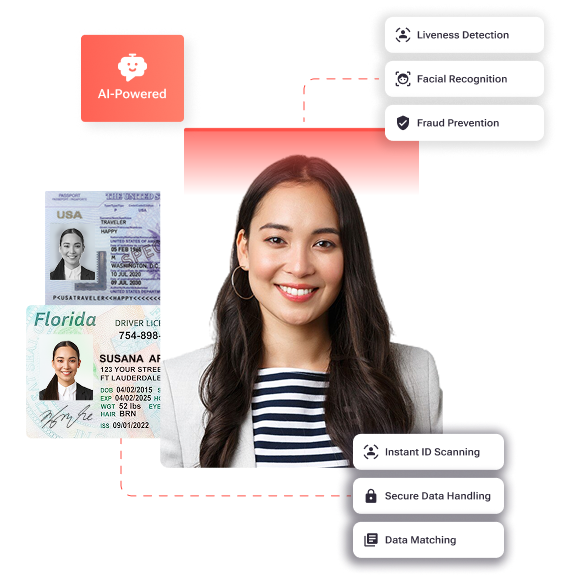
Add liveness detection and facial matching to confirm that the applicant is physically present and matches the ID photo. TenantEvaluation’s IDVerify keeps biometric checks within the same workflow, so applicants never leave your process for an external site.
Step 6: Integrate Background and Income Verification
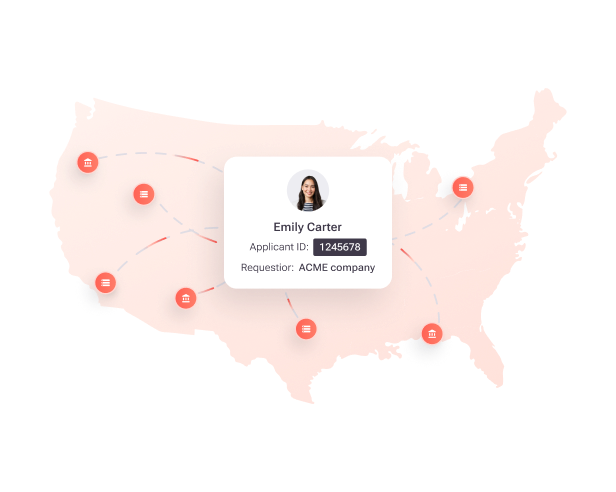
Pair identity checks with full screening that includes criminal background, eviction history, and employment verification. TenantEvaluation’s SafeCheck+ and IncomeEv tools create complete applicant profiles while preserving FCRA compliance and detailed audit trails.
Step 7: Enable Board Review and Approval
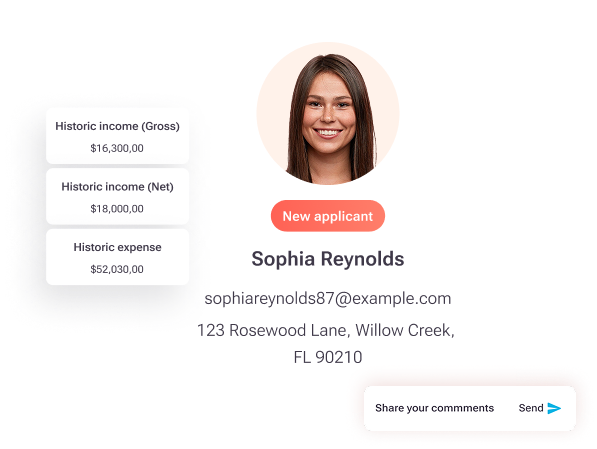
Give board members simple access to verification results through dedicated dashboards. TenantEvaluation’s QuickApprove platform shows real-time application status, AI-generated summaries, and voting panels. Communities report approval times dropping by up to 70% with this setup.
Step 8: Maintain Compliance Documentation
Create clear audit trails for every verification step, adverse action notice, and approval decision. Record permissible purpose justifications and store sensitive information securely with automatic redaction features.
Schedule a demo today to see TenantEvaluation’s end-to-end identity verification workflow built for Florida HOAs and condos.
Fraud Red Flags and Daily Prevention Habits
Property managers should stay alert for applicants who refuse to show driver’s licenses, present forged state IDs, or show gaps in rental history. Other warning signs include incomplete application sections, vague answers, conflicting addresses, or missing previous landlord contacts.
Stronger habits include verifying employer details independently, matching utility bills to stated addresses, and asking for multiple supporting documents. Manual checks consume staff time and still miss advanced fraud attempts. TenantEvaluation’s automated verification, multilingual AI support, and instant document analysis reduce these risks and cut administrative workload by about 70%.
Schedule a demo today to protect your community with TenantEvaluation’s full fraud prevention toolkit.
HOA Tenant Verification Tools Compared
Florida communities benefit from tools that address HOA compliance rules and board governance needs. Review the comparison below.
|
Platform |
Biometric Verification |
Board Dashboard |
Florida HOA Specialization |
Revenue Model |
|
TenantEvaluation |
IDVerify with AI liveness |
QuickApprove included |
Purpose-built for FL communities |
Revenue sharing |
|
AppFolio |
No biometric capabilities |
Comprehensive dashboards available |
Generic property management |
Monthly subscription |
|
Buildium |
No biometric verification |
Limited board access |
Generic rental focus |
Monthly subscription |
TenantEvaluation’s revenue-sharing model creates income for communities while delivering full verification services. The platform has generated $150 million for client communities and processes more than 100,000 applications each year, with a 4.8 out of 5 Google rating.
Schedule a demo today to move to TenantEvaluation’s revenue-generating verification platform.
Next Steps for Stronger Tenant Identity Verification
Effective tenant identity verification uses a clear system that combines document collection, manual review, digital checks, and biometric authentication. As fraud rates continue to rise in 2026, Florida HOAs and condos need to shift from manual processes to automated tools that keep FCRA compliance on track and reduce staff workload.
TenantEvaluation gives Community Association Managers native biometric verification, board-focused dashboards, and Florida-specific compliance features in one platform. Its performance across more than 5,000 communities shows that it helps prevent fraud while generating new revenue for associations.
Schedule a demo today to begin your TenantEvaluation rollout and protect your community with proven identity verification technology.
Frequently Asked Questions
How do I verify a tenant’s identity effectively?
Effective tenant identity verification uses government-issued IDs, visual checks for fraud signs, SSN traces, and biometric tools. TenantEvaluation’s IDVerify automates these steps with AI-powered liveness detection, facial matching, and smooth integration with background screening workflows.
What are the best biometric tools for tenant verification?
The strongest biometric tools combine government ID validation, liveness detection, and facial matching in one process. TenantEvaluation’s IDVerify uses AI-powered facial landmark recognition to stop impersonation attempts and synthetic identity fraud while keeping the applicant experience simple within a single platform.
What are Florida HOA rules for tenant verification?
Florida HOAs must follow FCRA rules for background screening, keep permissible purpose documentation, and use proper adverse action procedures. Under Florida Statutes §718.104 and §720.303, associations can set tenant approval processes but must maintain fair housing compliance and accurate records. TenantEvaluation supports these needs with built-in FCRA compliance and direct credit bureau reseller status.
What red flags indicate potential tenant identity fraud?
Common fraud signs include mismatched fonts on IDs, blurry photos, altered edges, and inconsistent personal details across applications. Other red flags include gaps in rental history, reluctance to share documents, and questionable employment or income verification. Property managers should also watch for template-style pay stubs and fake banking records.
How can I verify tenant identity online securely?
Secure online identity verification relies on platforms with PCI Level 1 compliance, end-to-end encryption, and automatic document redaction. TenantEvaluation’s IDVerify delivers online verification through government ID checks, biometric authentication, and integrated background screening. The platform maintains bank-level security standards and FCRA compliance at every step.