Written by: Luis Teran, Co-founder, CEO, TenantEvaluation | Last updated: August 7, 2026
Why Florida Communities Move Beyond Generic Screening
- Resident screening for Florida HOAs and CAMs requires more than background checks. It demands FCRA-compliant workflows, board oversight, and audit trails that generic tools like Verify Screening Solutions do not provide.
- Manual screening creates measurable risks. Teams spend hours per application, miss required adverse action notices, and face synthetic identity fraud without biometric verification.
- TenantEvaluation replaces fragmented tools with an all-in-one platform that connects identity verification, automated approvals, lease tracking, and payments in a single FCRA-first system.
- Communities using TenantEvaluation shorten approval cycles by up to 70%, cut staff time per application from 3.2 hours to 30 minutes, and give boards real-time visibility through QuickApprove dashboards.
- See how TenantEvaluation helps Florida HOAs and CAMs streamline resident onboarding and reduce compliance risk. Request a personalized walkthrough of the platform.
The Problem: Gaps Created by Generic Screening Tools in Florida Communities
Verify Screening Solutions and similar background-check-only platforms operate on a white-labeled version of the TazWorks platform, a system not primarily designed for tenant screening and not built for the governance structures of Florida community associations. This setup creates a fragmented process that increases operational and compliance risk.
The administrative burden is significant and measurable. Buildium’s 2024 Property Management Industry Report quantifies this cost. Manual screening can require several hours of staff labor per application and take multiple days from submission to decision. For a portfolio processing hundreds of applications annually, the time and payroll impact compound quickly.
Compliance exposure grows at the same time. Florida landlords and associations must comply with both the federal Fair Housing Act and the FCRA when running background or credit checks. When a denial is based on a consumer report, associations must issue an adverse action notice that includes the consumer reporting agency’s contact information, a statement that the agency did not make the decision, and notice of the applicant’s right to dispute the report and obtain a free copy within 60 days. Generic tools do not automate this workflow, which leaves room for missed notices and inconsistent handling.
Identity fraud compounds the risk further. Fraudulent account openings and synthetic identity fraud continue to grow, with synthetic identity fraud accounting for up to 80% of new account fraud. Document-only screening, the standard for most background-check platforms, cannot reliably detect synthetic identities, altered IDs, or impersonation attempts. Verify Screening Solutions offers no biometric layer, which leaves communities exposed to these fraud patterns.
Lease management and payment collection also stay fragmented. CAMs using disconnected tools track lease expirations in spreadsheets, chase payment confirmations by email, and work without a centralized view that connects applications to active occupancy records. Boards receive no real-time visibility into where applications stand. These fragmented workflows create the operational case for a purpose-built alternative.
TenantEvaluation’s FCRA-First Platform for Florida HOAs and CAMs
TenantEvaluation is built specifically for community associations and management companies, with FCRA compliance as the foundation, not an afterthought. Founded in 2007 and serving 5,000+ communities with approximately 100,000 applications processed annually, TenantEvaluation gives Florida HOAs and condos a purpose-built alternative to generic screening tools.
The platform covers the full resident onboarding lifecycle through a suite of integrated capabilities.
- QuickApprove provides an accelerated approval workflow for CAMs, boards, and property management teams. It moves applications from submission to decision faster with real-time tracking, automated communication support, customized approval letters, a personalized welcome package, and a board-ready voting dashboard, while preserving control, compliance, and visibility.
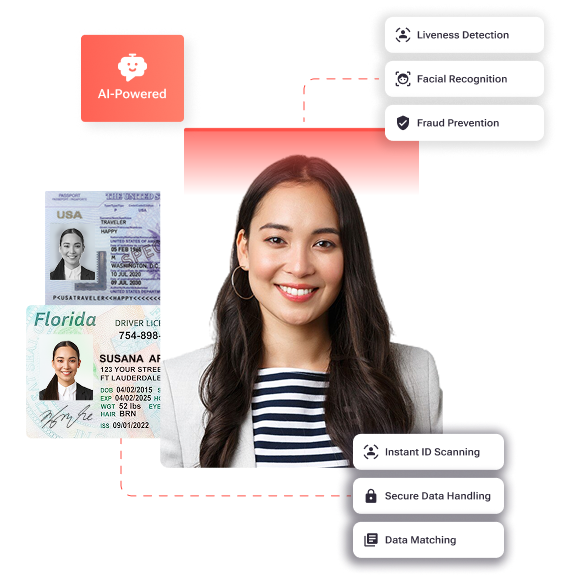
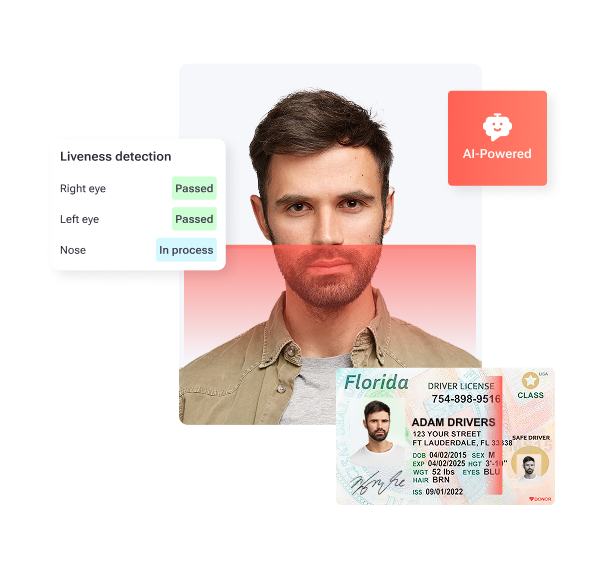
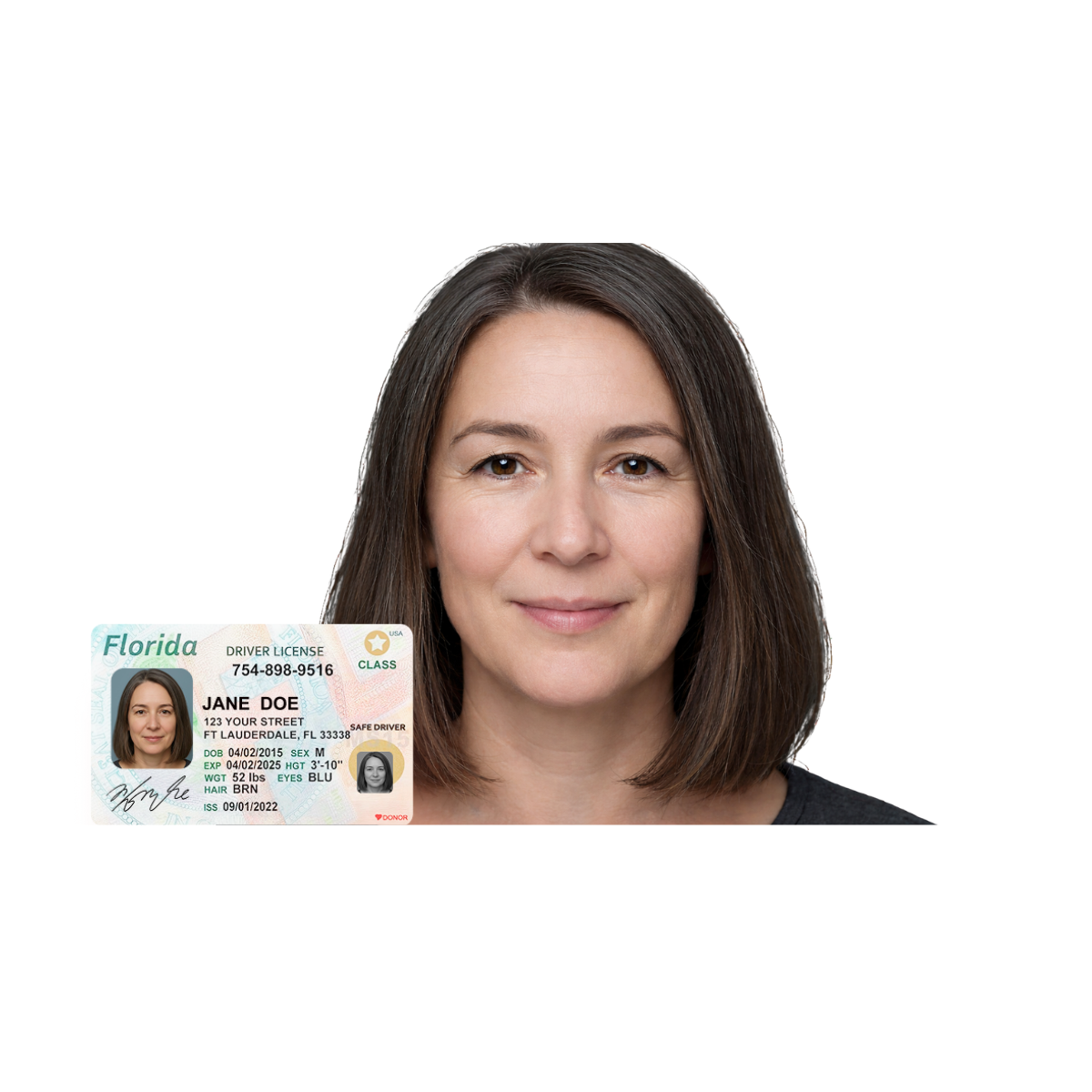
- IDVerify+ adds a biometric identity verification layer directly into the screening workflow. It combines government ID validation, AI-powered liveness detection, and biometric facial matching so communities move from document-based review to verified physical identity confirmation.
- 55+ Communities Verification helps Florida condos and HOAs standardize age-restricted application handling. It reduces manual work and improves documentation consistency across communities.
- Lease Tracking delivers centralized, real-time lease visibility and lifecycle control. It connects resident onboarding, unit data, approvals, and lease documentation into one audit-ready workflow from application to occupancy.
- TEpayments by Zinc embeds a connected payment workflow inside TenantEvaluation. It collects application fees, deposits, and other required resident payments during onboarding, with payments going directly from the applicant to the association’s designated account. TenantEvaluation never holds the funds.
Operational Impact for CAMs, Boards, and Applicants
NARPM’s 2025 technology adoption survey found that property managers using automated screening workflows process applications in 2.1 hours compared with 2.3 days for manual processes. TenantEvaluation’s platform delivers similar gains through end-to-end workflow automation. Communities report approval cycles reduced by up to 70% and staff capacity freed by as much as 50 hours per day across larger portfolios.
Boards benefit from a clearer, faster decision process. QuickApprove‘s dedicated review and voting dashboard replaces email chains with a connected approval process that provides real-time application status, AI-generated applicant summaries, and a structured voting workflow. Boards decide faster while maintaining oversight and documentation.

TenantEvaluation also turns application processing into a controlled revenue stream. The revenue-sharing model has already generated $150 million for communities. There are no upfront fees. The platform operates on a pay-per-application basis, with TenantEvaluation deducting its service fee from the collected application fee and rebating the remainder to the association.
How TenantEvaluation Reduces Risk with FCRA-First Design
TenantEvaluation operates as a legitimate reseller of TransUnion and Equifax data, accessing credit information under strict bureau rules with regular compliance reviews and no gray-market or offshore data sources. This direct reseller relationship, which most generic screening tools do not have, helps protect community associations from liability tied to impermissible data sourcing.
The platform’s FCRA-first architecture includes automated adverse action workflows, strict permissible-purpose controls, and built-in audit trails for every application. Florida associations must apply consistent screening criteria to every applicant and document every screening decision with clear objective criteria. TenantEvaluation’s audit infrastructure directly supports these requirements.
IDVerify+ strengthens permissible-purpose validation by confirming identity before screening authorization proceeds. This step reinforces FCRA-aligned workflows and audit defensibility. The platform also maintains PCI Level 1 compliance, end-to-end encryption, and automatic redaction of sensitive personal information, which manual or generic screening workflows cannot match.
Efficiency Gains from Automation and Biometric Verification
The operational difference between a background-check-only tool and TenantEvaluation’s end-to-end platform appears at every stage of the onboarding process.
| Process Area | Manual / Fragmented (Generic Tools) | TenantEvaluation (Centralized, Real-Time) | Source |
|---|---|---|---|
| Application cycle time | 3–5 days average | 4–8 hours with full automation | Buildium 2024 / US Tech Automations 2026 |
| Staff time per application | 3.2–4.5 hours | ~0.5 hours (30 minutes) | NARPM 2025 benchmarks |
| Identity verification method | Document upload only, no biometric layer | Government ID validation, liveness detection, and biometric facial matching via IDVerify+ | TenantEvaluation platform specifications |
| Board visibility | Email chains, no real-time dashboard | Real-time voting dashboard with AI-generated summaries via QuickApprove | TenantEvaluation platform specifications |
Properties that screen applicants quickly can achieve lower vacancy rates than those that take longer. Combined document and biometric verification can also reduce fraud incidents and applicant abandonment. TenantEvaluation’s IDVerify+ delivers this layered protection natively inside the platform, without external portals or workflow disruption.
Screening Rules for Florida HOAs: Common Disqualifiers
What disqualifies an applicant in a Florida HOA?
Florida HOAs and condos apply community-specific criteria that typically include minimum credit score thresholds, income-to-rent ratios, eviction history, and criminal background findings. Criminal background checks in Florida require case-by-case consideration of the nature and severity of the offense, time elapsed, and evidence of rehabilitation. Blanket rejections for all criminal records may violate Fair Housing guidelines. TenantEvaluation’s platform encodes each community’s specific disqualification criteria into automated rejection logic. This approach ensures consistent application across every applicant and maintains a documented audit trail.
Screening Timelines: How Long HOA Approvals Take
How long does HOA resident screening typically take?
Manual tenant screening takes 5–10 business days on average, according to IREM’s 2025 Leasing Operations Survey. Automated workflows compress this to 4–48 hours by running credit, income, rental history, and reference checks in parallel. TenantEvaluation’s end-to-end automation, including QuickApprove‘s board-ready approval process, targets the faster end of that range. Applicants typically complete submission in 5–10 minutes and finish identity verification in the same session through IDVerify+.
TenantEvaluation vs. Verify Screening Solutions: Key Differences
Is TenantEvaluation FCRA compliant for Florida community associations?
TenantEvaluation is built with FCRA compliance as the foundation. The platform operates as a direct reseller of TransUnion and Equifax data, includes automated adverse action workflows, maintains strict permissible-purpose controls, and generates built-in audit trails for every application. These elements function as structural compliance features rather than optional add-ons.
How does TenantEvaluation differ from Verify Screening Solutions?
Verify Screening Solutions delivers background check reports through a white-labeled platform not designed for community association workflows. TenantEvaluation operates as an end-to-end resident onboarding platform purpose-built for Florida HOAs and condos. It covers identity verification, document collection, board voting dashboards, lease tracking, and connected payment collection in one system, with FCRA-first compliance architecture throughout.
What is IDVerify+ and why does it matter for HOA screening?
IDVerify+ functions as TenantEvaluation’s biometric identity verification layer. It combines government ID validation, AI-powered liveness detection, and biometric facial matching directly inside the screening workflow. This design moves communities from document-based review to verified physical identity confirmation. It reduces exposure to synthetic identities, stolen IDs, and impersonation attempts, which document-only screening cannot address.
Can TenantEvaluation support 55+ age-restricted communities in Florida?
TenantEvaluation supports 55+ communities through its 55+ Communities Verification capability. This feature helps Florida condos and HOAs standardize how age-restricted application requirements are handled across communities. It reduces manual work, improves documentation consistency, and strengthens internal operational controls, while still leaving room for legal guidance where needed.
How does Lease Tracking work inside TenantEvaluation?
Lease Tracking operates as a centralized capability built directly into TenantEvaluation. It connects resident onboarding, unit data, approvals, and lease documentation into one real-time workflow. CAMs and boards gain real-time lease status visibility, including active, pending, expired, or missing leases. The system also supports automated lease document collection during onboarding, unit-level tracking, and searchable audit-ready digital records, which replace spreadsheets and scattered email chains from application to occupancy.
Conclusion: Moving from Single Reports to a Complete Onboarding System
Generic verify screening solutions deliver a background check report. TenantEvaluation delivers a complete resident onboarding system that is FCRA-first, biometric-enabled, board-ready, and built exclusively for Florida community associations. The operational, compliance, and security gaps created by background-check-only tools translate into measurable costs, including staff hours lost, extended vacancies, unaddressed fraud exposure, and boards left without visibility.
TenantEvaluation pairs this platform with a strong track record across thousands of Florida communities and a 4.8/5 Google rating. The revenue-sharing model has already generated $150 million for associations and is trusted by RealManage, FirstService Residential, Castle Group, and Campbell Property Management, among others.
For CAMs and boards evaluating Verify Screening Solutions alternatives, the choice is not between two similar screening tools. The choice is between a single-function report and an end-to-end platform designed for the way Florida community associations actually operate.
Talk with TenantEvaluation and see the full platform built for Florida HOAs and condos.
