Written by: Luis Teran, Co-founder, CEO, TenantEvaluation
Key Takeaways for Florida HOA Vendor Fraud Prevention
- Florida HOAs face rising vendor fraud like fake invoices and kickbacks, with a 20% increase reported by FBI trends in 2025-2026.
- Boards reduce risk by using a 10-step verification checklist with segregation of duties, vendor legitimacy checks, and dual approvals.
- Common warning signs include P.O. box-only addresses, no competitive bidding, and requests for excessive upfront payments.
- Monthly reconciliations, random audits, and positive pay controls support faster fraud detection and stronger oversight.
- Digital tools automate documentation, approvals, and audit trails; see how TenantEvaluation supports audit trails and compliance for Florida communities.
How Vendor Fraud Targets Florida HOAs
HOA vendor fraud includes several schemes that drain association funds over time. Vendor kickback schemes occur when board members accept bribes from contractors in exchange for awarding contracts, leading to overcharges and profit splitting. A related tactic, bid rigging involves board members manipulating competitive bidding by providing inside information to preferred contractors or creating biased requirements. Beyond these relationship-based schemes, some fraudsters rely on documentation tricks, and falsified bookkeeping includes creating fake invoices for non-existent vendors and misclassifying expenses to obscure theft.
These fraud schemes share common warning signs that boards can learn to recognize early. Critical red flags include:
- Contracts awarded without competitive bidding
- Repeated awards to identical vendors
- Invoices from unknown companies with P.O. box addresses only
- Financial statements not matching bank records
- Suspiciously low bids followed by added charges
Florida Statute 720.3033 criminalizes HOA director kickbacks as felonies, and commercial bribery violations fall under Florida Statutes 838.15-838.16. These laws require clear documentation, transparent approvals, and traceable records. TenantEvaluation’s audit trails and compliance features support those legal expectations by recording who approved what, when, and why. Request a personalized demo to see how this structure fits your association.
10-Step Checklist for Verifying HOA Vendor Payments
This 10-step checklist turns fraud risks into a practical review process your board can follow consistently. Each step builds on the previous one, creating a complete system from vendor onboarding through payment and audit.
1. Implement Segregation of Duties
Separate authorization, recording, and custody functions among different individuals. No single person should control the entire payment process.
2. Validate Vendor Legitimacy
Verify licenses, certifications, bonds, insurance, and tax ID numbers through state licensing bureaus and the Better Business Bureau. Check Florida Sunbiz records to confirm active business status.
3. Match Purchase Orders to Invoices
Compare invoices against original bids, contracts, and purchase orders to verify pricing accuracy and scope alignment. Resolve any differences before authorizing payment.
4. Review Red Flag Indicators
Screen for duplicate invoices, unusual payment requests, and vendor address changes. Flag rush payment demands and cash-only requirements for additional review.
5. Require Dual Approvals
Establish approval thresholds that require both a board member and the management company to sign off on payments above set amounts.
6. Implement Positive Pay Controls
Use banking positive pay systems that match issued checks against authorized payment lists. This control blocks unauthorized or altered checks from clearing.
7. Conduct Monthly Reconciliations
Perform daily bank account reconciliations rather than monthly to provide real-time financial visibility. Investigate any unexplained differences immediately.
8. Execute Random Audits
Conduct surprise vendor payment audits at least quarterly. Review documentation completeness, approval compliance, and consistency with contracts.
9. Digitize Vendor Onboarding
Collect certificates of insurance, W-9 forms, and licensing proof during onboarding to confirm vendor legitimacy and coverage adequacy. Store these records in a centralized digital repository.
10. Automate with Technology
Use integrated platforms that combine vendor verification, payment processing, and audit trail generation. Automation reduces manual errors and closes common fraud gaps.
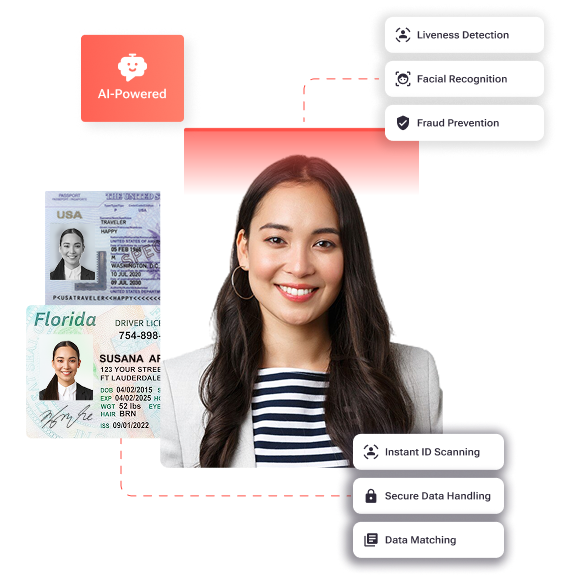
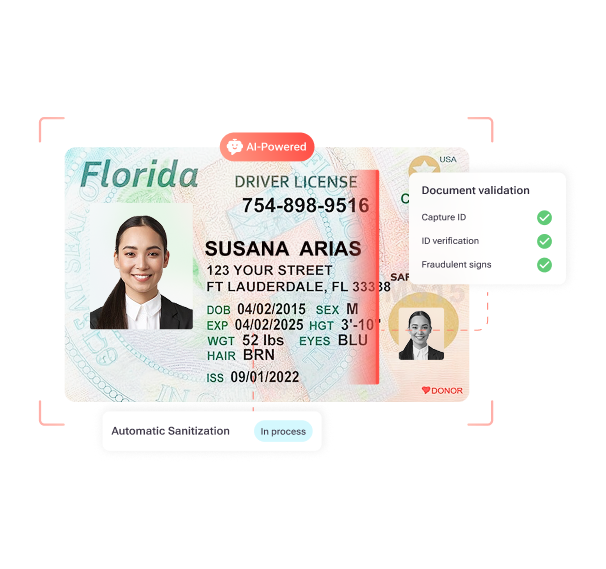
TenantEvaluation’s IDVerify and audit features support many of these verification steps by centralizing documentation and approvals. Explore how automation can streamline your verification workflow and reduce manual review time.
Behavioral Red Flags That Signal Vendor Fraud
Effective fraud prevention depends on spotting both structural and behavioral warning signs before money leaves the account. Key indicators include suspicious vendor relationships, contracts awarded without competitive bidding, and invoices from companies lacking proper business addresses. Additional red flags include pressure tactics like limited-time offers, requests for more than 20% upfront payment, and cash-only payment demands.
A 2025 Tampa case involved a landscaping contractor using a P.O. box address who demanded 50% upfront payment, then disappeared with $75,000 from three associations. Investigation revealed the contractor lacked proper licensing and insurance coverage. This case shows how basic verification and attention to red flags protect communities from large losses.
Segregation of Duties and Audit Practices for HOAs
Strong segregation of duties and regular audits create a control system that supports the 10-step checklist. Effective segregation divides payment responsibilities among Community Association Managers, board treasurers, and independent reviewers. CAMs handle vendor communications and initial invoice processing, while board members authorize payments exceeding established thresholds. Monthly audit templates should examine vendor legitimacy, payment authorization, and documentation completeness.
Daily reconciliation provides boards with real-time financial health visibility, which enables faster fraud detection. To make this information useful, dashboard reporting consolidates payment activity, vendor performance, and compliance metrics for board review. However, common pitfalls such as single-person payment control and weak documentation retention can undermine even well-designed controls.
Digital Tools Florida HOAs Use to Reduce Vendor Fraud
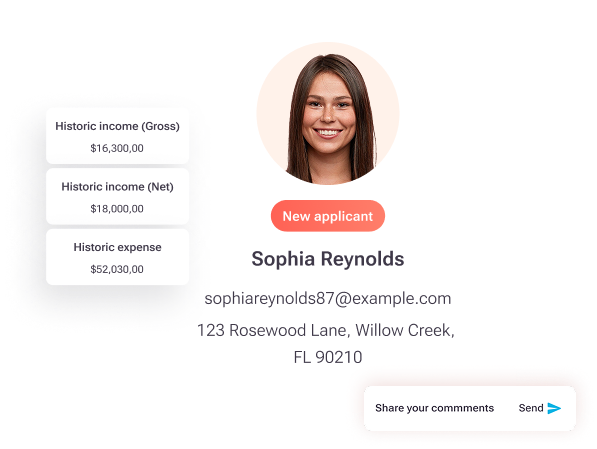
Digital tools help Florida HOAs standardize verification steps and maintain clean audit trails. TenantEvaluation offers resident screening automation with IDVerify biometric verification, document review, audit trails, and QuickApprove dashboards for Florida communities. Serving 5,000+ communities with a 4.8/5 Google rating, the platform saves time on onboarding and centralizes compliance records.
Alternative solutions include PayHOA’s OCR invoice scanning and approval queues, and AppFolio’s Smart Bill Entry with AI invoice processing. The following comparison highlights how TenantEvaluation’s resident-focused features differ from competitor offerings and manual processes:
| Feature | TenantEvaluation | ApplyCheck | Manual Process |
|---|---|---|---|
| Biometric Verification | Yes (Residents) | No | No |
| Board Dashboard | Yes (QuickApprove) | No | No |
| Automated Audit Trails | Yes | Limited | No |
Florida HOA Fraud Case Studies and Lessons Learned
Real Florida cases show how quickly vendor fraud can escalate when boards skip verification steps. A 2025 Fort Lauderdale case involved a fake landscaping contractor who created professional-looking proposals and collected $45,000 from two associations before disappearing. The scheme succeeded because boards relied on visual presentations and did not verify business licenses or insurance coverage.
A Tampa kickback case in 2026 revealed a board president receiving 15% commissions from a preferred roofing contractor, which inflated project costs by $200,000 across multiple properties. Digital verification tools reduce these risks by automating legitimacy checks, enforcing approval workflows, and creating transparent records that outside auditors can review.
FAQ
How to check if a vendor is legit?
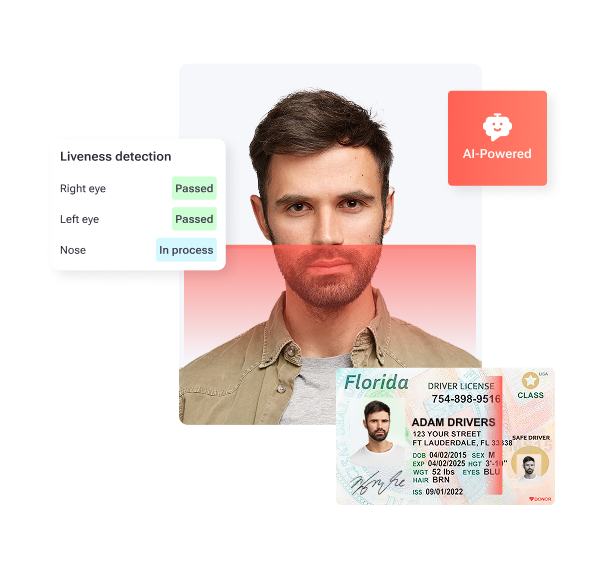
Boards confirm vendor legitimacy through Florida Sunbiz business registration searches, state licensing bureau checks, Better Business Bureau complaint reviews, and insurance certificate validation. Request tax ID numbers, professional licenses, and bonding documentation. TenantEvaluation’s IDVerify provides biometric verification for resident screening, which supports broader identity confirmation processes in your community.
How to prevent duplicate vendor payments in HOAs?
Automated invoice tracking systems reduce duplicate payments by flagging repeated invoice numbers, vendor names, and payment amounts. Positive pay banking controls then match issued checks against authorized payment lists. Digital platforms with built-in duplicate detection and centralized vendor databases further lower the risk. Monthly reconciliation processes should include a specific review for duplicate transactions across all vendors.
What are the best digital tools to prevent HOA vendor fraud?
TenantEvaluation provides HOA-focused digital tools that support fraud prevention, including FCRA-compliant resident screening and workflows tailored to Florida’s regulatory environment. As mentioned in the digital tools section, the platform also centralizes documentation and approvals for easier oversight. Alternative solutions such as PayHOA and AppFolio offer invoice processing and basic automation features.
What should be included in an HOA vendor verification checklist?
Effective checklists cover business license verification, insurance certificate validation, tax ID confirmation, reference checks, Better Business Bureau complaint reviews, contract scope verification, pricing competitiveness analysis, and approval workflow compliance. Boards can also include biometric identity verification for high-risk vendors and maintain digital documentation for audit purposes. Clear approval thresholds and segregation of duties protocols complete the checklist.
What are the top red flags for vendor fraud in HOAs?
Critical warning signs include contracts awarded without competitive bidding, vendors using P.O. box addresses only, requests for excessive upfront payments, cash-only payment demands, pressure tactics with limited-time offers, and suspicious vendor relationships with board members. Invoices from unknown companies and financial statements that do not match bank records also require investigation. Any vendor reluctant to provide licensing or insurance documentation should face additional scrutiny.
How should HOAs implement segregation of duties for vendor payments?
Effective segregation separates authorization, recording, and custody functions among different individuals. Community Association Managers handle vendor communications and initial processing, board members authorize payments exceeding established thresholds, and independent parties conduct monthly reconciliations. No single person should control invoice approval, check signing, and bank reconciliation at the same time. Clear approval workflows with documented authorization limits and audit trails support this structure.
Manual HOA vendor payment processes expose Florida associations to fraud that can cost millions each year. Comprehensive verification checklists, awareness of critical red flags, and digital automation tools help communities comply with Florida Statute Chapter 720 while protecting association funds. Explore TenantEvaluation’s resident screening solution serving 5,000+ Florida communities, and learn how its fraud prevention features safeguard your HOA.
