Written by: Luis Teran, Co-founder, CEO, TenantEvaluation
Key Takeaways
- TurboTenant uses a 5-step FCRA-compliant process with TransUnion ResidentScore credit pulls, criminal and eviction checks, and 24-72 hour report delivery for $35-55 per applicant.
- Background checks follow FCRA’s standard lookback rules for most negative information, using TransUnion as the primary source with Experian and Equifax data added through third-party integrations.
- Common FCRA violations such as weak consent language or improper adverse action notices expose landlords to significant statutory penalties per violation, and TurboTenant only offers basic, largely manual compliance tools.
- TurboTenant lacks advanced fraud prevention such as biometrics and association-specific workflows, which makes it a weaker fit for Florida CAMs facing application fraud rates as high as 93%.
- TenantEvaluation delivers stronger FCRA compliance, IDVerify biometrics, board dashboards, and revenue sharing; see how these features deliver 70% time savings in a personalized demo.
How TurboTenant’s 5-Step FCRA-Compliant Background Check Works
TurboTenant follows standard FCRA protocols through a structured process built for individual landlords and basic rental screening. The process starts with written consent from applicants through the online application portal, which satisfies federal permissible purpose requirements.
The platform primarily uses TransUnion ResidentScore for credit reporting. It supplements this with data from Experian and Equifax through third-party partnerships. TurboTenant’s background checks cross-check personal information against federal and state criminal databases and pull eviction records from a database of more than 27 million nationwide records.
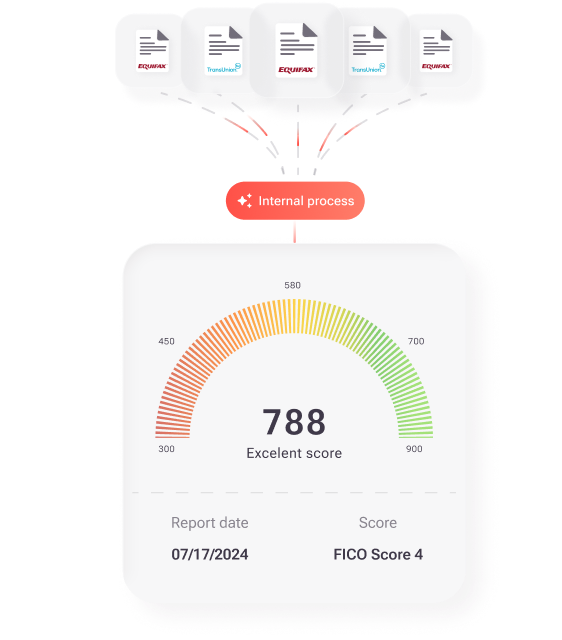
Most reports arrive within 24-72 hours and include credit scores, criminal history, eviction records, and rental history. The platform offers basic adverse action notice tools, but landlords still handle much of the compliance work manually. TurboTenant’s screening costs range from $35-55 per applicant, while negative information follows standard FCRA lookback requirements.
TurboTenant’s Credit Bureau Sources for Screening
TurboTenant relies primarily on TransUnion for credit reporting through the ResidentScore system, which uses rental-specific credit scoring tailored to landlord decisions. The platform adds depth by pulling data from Experian and Equifax through RentButter integration, giving users access to broader credit bureau information.
TurboTenant functions as a third-party aggregator instead of a direct credit bureau reseller, which introduces extra compliance layers and data handling considerations for community associations. This indirect setup complicates audit trails and increases liability exposure for CAMs who manage multiple properties with different compliance requirements. Understanding these compliance risks requires examining not just data sources, but also the scope and timeframe of the screening itself.
TurboTenant Background Check Lookback Period and Cost
TurboTenant follows standard FCRA limitations, with background checks typically focusing on the past 7 years for most negative information. Criminal records, credit delinquencies, and civil judgments usually follow this seven-year rule, although certain serious offenses may appear beyond that window depending on state regulations.
Beyond the scope of data, associations must also consider the financial impact of these screening requirements. The platform’s screening costs range from $35-55 per applicant, which positions it as a mid-range option for basic rental screening. These costs can add up quickly for community associations that process hundreds of applications each year, especially because the platform does not offer revenue sharing or the comprehensive fraud prevention that specialized association platforms provide.
TurboTenant FCRA Checklist and Common Compliance Pitfalls
FCRA compliance requires strict adherence to permissible purpose rules, clear consent procedures, and accurate adverse action notifications. Willful noncompliance exposes landlords to the statutory penalties mentioned earlier, plus actual damages, and FCRA lawsuits against landlords have doubled over the last decade.
Common violations include weak or hidden consent language, failure to send proper adverse action notices, and poor investigation of consumer disputes. A Chicago landlord faced a $15,000 lawsuit for burying consent language in paragraph 8 of a dense lease application, which shows how critical clear and conspicuous consent procedures are.
TurboTenant offers basic compliance tools, but community associations face higher risks that demand more advanced audit trails, automated adverse action workflows, and robust documentation systems. Without these capabilities, the platform’s generic approach leaves associations exposed to compliance gaps. That exposure becomes especially dangerous when boards manage complex approval processes across multiple property types, where a single misstep can create broader systemic liability.
TurboTenant vs. TenantEvaluation for Association Screening
TurboTenant delivers adequate screening for individual landlords, but Florida community associations need specialized solutions that match their operational and compliance realities. TenantEvaluation operates as a direct TransUnion and Equifax reseller, which removes third-party data handling concerns and supports stronger audit trail capabilities that associations rely on for FCRA compliance.
Consider a high-density condominium that processes more than 200 applications each year while facing rising synthetic identity fraud. TurboTenant’s basic identity verification cannot detect AI-generated fake IDs or sophisticated deepfakes that now account for a growing share of fraudulent applications, which leaves this type of community exposed to its most common threats. TenantEvaluation’s IDVerify biometric verification system directly addresses this vulnerability through liveness detection and facial matching tailored to community association risk profiles.
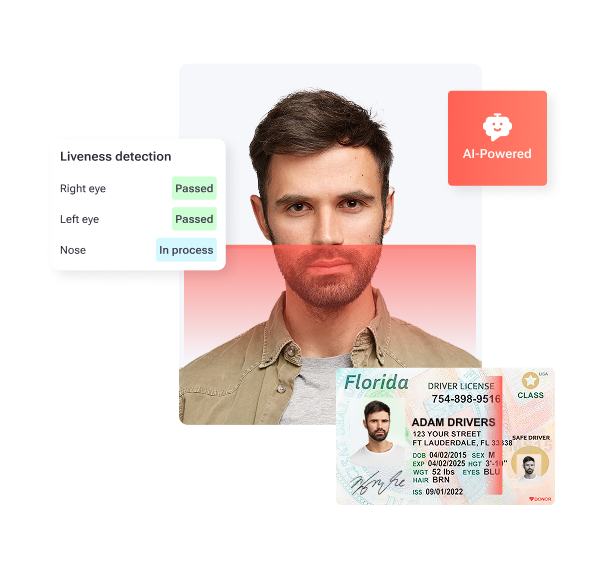
The following comparison shows how these differences translate into measurable operational advantages across five critical dimensions.
| Feature | TurboTenant | TenantEvaluation |
|---|---|---|
| Processing Time | 24-72 hours | 5-10 minutes |
| FCRA Compliance | Basic consent and adverse action tools | Direct reseller, automated audits |
| Fraud Prevention | Basic identity verification | IDVerify biometrics |
| Association Features | Generic rental platform | Board dashboard, Florida customization |
| ROI Model | $35-55 cost per applicant | Revenue sharing, $150M generated |
TenantEvaluation’s QuickApprove dashboard gives board members real-time visibility into applications and streamlined voting tools that TurboTenant’s generic interface cannot provide. With more than 5,000 communities served and over 100,000 applications processed each year, TenantEvaluation brings proven association-specific expertise in both compliance and day-to-day operational efficiency.
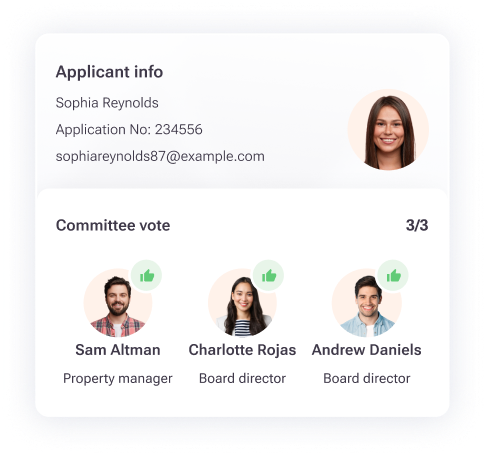
Experience the FCRA-first difference and see how automated compliance can reduce processing time by 70% compared to manual workflows while also generating revenue for your association.
Why TenantEvaluation Delivers Superior Value for Florida Associations
Florida associations that face rising fraud rates and complex compliance requirements benefit from platforms built specifically for their operating model. TenantEvaluation’s direct credit bureau relationships, automated FCRA workflows, and biometric fraud prevention address sophisticated threats that generic platforms such as TurboTenant cannot manage effectively.
With the revenue generation track record detailed above and partnerships that include RealManage and FirstService Residential, TenantEvaluation has earned a 4.8/5 Google rating. The platform’s revenue-sharing model turns application processing from a cost center into a profit generator, which creates sustainable value that subscription-based competitors struggle to match.
Frequently Asked Questions
Is TenantEvaluation FCRA compliant?
Yes. TenantEvaluation operates as a direct TransUnion and Equifax reseller with FCRA compliance built into the core of the platform. It includes automated adverse action workflows, detailed audit trails, and strict permissible purpose controls created specifically for community associations.
How does TurboTenant compare to TenantEvaluation for HOAs?
TenantEvaluation offers stronger value for HOAs through specialized board dashboards, biometric identity verification, Florida-specific compliance tools, and revenue-sharing models. TurboTenant’s generic rental platform lacks the association-focused tools and advanced fraud prevention that modern communities now expect.
What disqualifies applicants on TurboTenant background checks?
TurboTenant reports criminal convictions, eviction history, poor credit scores, and collection accounts within FCRA guidelines. The platform relies on basic document verification, which cannot reliably detect sophisticated identity fraud or synthetic identities that have become more common in 2026.
How far back do FCRA-compliant background checks extend?
Most negative information appears for seven years under FCRA regulations, including credit delinquencies, civil judgments, and collection accounts. Certain serious criminal offenses can extend beyond that period, depending on state laws and the nature of the conviction.
What are common FCRA violations in tenant screening?
Common violations include weak consent procedures, failure to provide proper adverse action notices, inadequate dispute investigation processes, and improper handling of consumer report data. These missteps can create significant financial penalties and legal exposure for associations.
TurboTenant offers basic FCRA compliance that works for individual landlords, but Florida community associations need comprehensive solutions that address sophisticated fraud threats and complex operations. TenantEvaluation’s direct credit bureau relationships, biometric verification tools, and association-specific features provide stronger protection and greater efficiency for modern communities. See firsthand how an FCRA-first platform transforms your screening process by requesting a personalized walkthrough that explores revenue generation and liability reduction strategies for your association.
