Written by: Luis Teran, Co-founder, CEO, TenantEvaluation
Finding the right tenant screening service is vital for Florida’s Community Association Managers (CAMs) and HOA or Condo Boards. With increasing demands for safety, financial stability, and regulatory compliance, a solid screening process can save time and reduce risks. This guide highlights practical options to help you choose a service that fits your community’s needs.
Why Tenant Screening Matters for Florida HOAs and Condos
Effective tenant screening protects Florida communities by ensuring safety and maintaining financial health. It’s not just about checking boxes; it’s about creating a secure environment while meeting state-specific rules. A dependable service can make this process faster and more accurate, helping you avoid potential issues down the line.
Challenges with Traditional Screening Methods in Florida
Manual or generic screening approaches often create headaches for CAMs. Handling paperwork, making follow-up calls, and verifying information can take hours, pulling staff away from other priorities. This slows down approvals and delays income for associations.
Compliance risks add another layer of concern. Florida’s regulations, including the Fair Credit Reporting Act (FCRA), set strict standards. Failing to meet these can lead to legal trouble or fines for associations.
Safety and financial health are also at stake. Without proper screening, you might onboard residents who disrupt the community or struggle with payments, impacting property values and revenue.
How Modern Screening Improves Community Onboarding
Today’s tenant screening tools focus on detailed evaluation and efficiency. Automated systems provide clear insights into an applicant’s background while cutting down on manual work. Faster approvals mean shorter vacancy periods, which directly supports cash flow for HOAs and condos.
How to Choose a Tenant Screening Service for Your Florida Community
Essential Features for CAMs and Board Members
A thorough screening service covers key areas to inform your decisions. Look for tools that check criminal history, eviction records, credit standing, income details, and identity verification.
Florida-specific compliance is a must. The service should align with local fair housing laws and data protection rules. Generic tools often miss these critical details, leaving associations vulnerable.
Automation and integration save time. Choose a platform that handles routine tasks, offers real-time updates, and reduces errors by minimizing manual input.
Data security is non-negotiable. Opt for services with strong encryption, automatic redaction of personal details, and compliance with standards like PCI Level 1 to protect sensitive information.
User experience matters for everyone involved. The platform should be easy for applicants to use, efficient for managers to navigate, and transparent for Board members to oversee.
See How TenantEvaluation Can Simplify Your Screening Process
Curious about a tailored solution for your community? Schedule a demo with TenantEvaluation to explore how it can speed up applications, ensure compliance, and increase revenue for your HOA or condo.
10 Tenant Screening Services for Florida HOAs and Condos
1. TenantEvaluation: Tailored for Florida Communities
TenantEvaluation focuses on the specific needs of Florida HOAs and condos with a complete digital platform. Unlike broader tools, it’s built to address community association challenges directly.
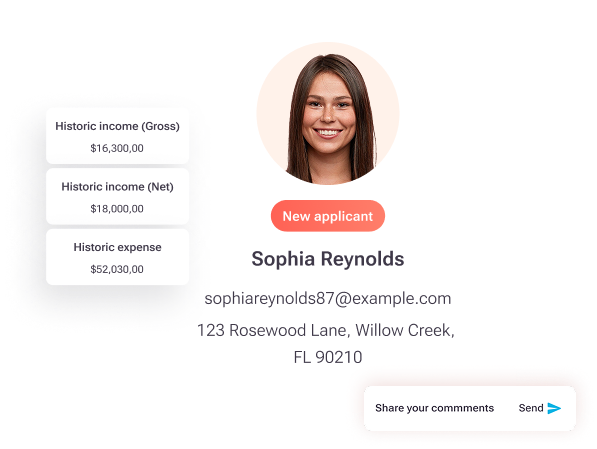
It offers features like custom setups for Florida’s rules, adaptive forms for different applicant types, and automated document checks with high-level security. Data protection includes auto-redaction, PCI Level 1 compliance, and full encryption.
The QuickApprove dashboard stands out, giving Boards real-time application summaries, voting options, and audit records. This ensures transparency and supports informed choices.
Automation can cut approval times significantly, freeing up CAMs for other tasks. With 24/7 support in 11 languages, it’s accessible to diverse Florida applicants. Plus, a revenue-sharing model lets associations offset costs or even gain income from application fees.
2. Buildium: Broad Property Management with Basic Screening
Buildium provides property management software with some screening features. Its wider focus means screening isn’t the main strength of the platform.
It includes general management tools and basic screening options. While useful for varied property types, HOAs might need extra tools to get the depth required for community-specific needs, especially Florida compliance.
3. Vantaca: Community Management with Limited Screening
Vantaca targets HOA management with some screening functions. It aligns with community needs better than rental-focused tools but lacks in-depth screening capabilities.
Expect community tools and basic screening workflows. For comprehensive checks or advanced automation, you may need to pair it with another service.
4. Verify Screening Solutions (via TazWorks): Focused on Background Checks
Verify Screening Solutions uses TazWorks for background checks. It handles criminal records and employment verification well but isn’t a full onboarding tool.
HOAs will likely need additional systems for applicant interaction, document handling, and Board oversight, as this service focuses narrowly on background data.
5. ApplCheck (via TazWorks): Background Data Only
ApplCheck, also powered by TazWorks, prioritizes background screening. It offers criminal history and verification reports but misses broader application features.
Like other TazWorks options, it’s incomplete for HOAs needing full onboarding support, requiring separate tools for document and Board processes.
6. Snappt: Specialized in Fraud Detection
Snappt excels at spotting fraud and verifying income with advanced tools. It’s a strong niche solution but not a complete screening system.
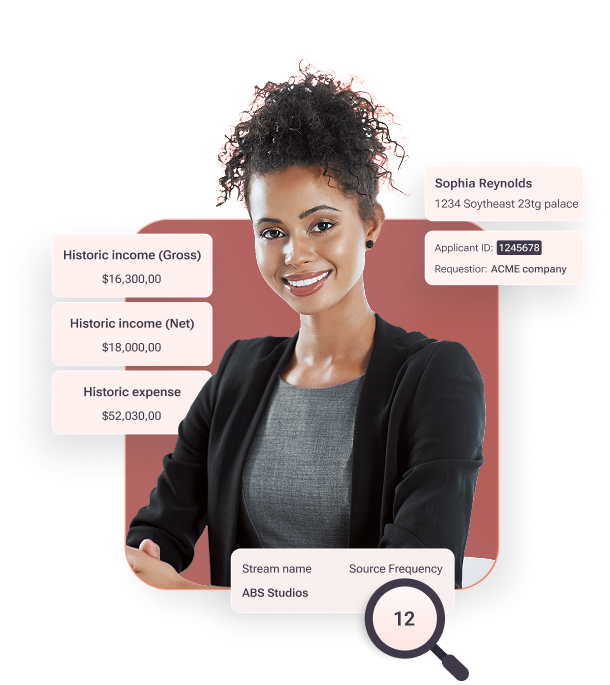
For HOAs, it works best as part of a larger process, paired with tools that cover other screening areas and Board coordination.
7. AppFolio: General Property Management Tool
AppFolio offers wide-ranging property management features, including screening and leasing tools. It serves various property types effectively.
For HOAs, its general approach might not cover specific compliance needs or Board dashboards essential for community governance.
8. RealPage: Comprehensive but Broadly Focused
RealPage is a full property management platform with screening options. It provides analytics and operational tools for managers.
Its wider market focus may not fully meet HOA-specific workflows or compliance details, potentially missing key governance features for Florida communities.
9. RentSpree: Streamlined Rental Applications
RentSpree focuses on simplifying rental applications and screening with user-friendly tools for applicants and managers.
HOAs might find its scope too narrow, lacking tailored compliance options or Board integration needed for community associations.
10. TurboTenant: Basic Screening for Smaller Rentals
TurboTenant serves individual landlords with screening, applications, and payment tools. It’s straightforward for smaller operations.
For HOAs, its focus on individual rentals doesn’t match the complex compliance or oversight needs of community governance.
Comparing Tenant Screening Services for Florida Communities
|
Feature / Service |
TenantEvaluation |
RealPage |
RentSpree |
|
Florida HOA/Condo Specific |
Yes (Built for Florida) |
General Property Mgt |
General Rental |
|
All-in-One Digital Platform |
Yes |
Yes (Broader) |
Yes (Screening) |
|
Board Member Dashboard (QuickApprove) |
Yes |
No |
No |
|
Automated Document Review & Redaction |
Yes |
Partially |
Limited |
Upgrade Your Community’s Screening Process Now
Don’t let outdated methods slow down your operations. Schedule a demo today to learn how a specialized tenant screening solution can improve efficiency, meet compliance standards, and support revenue growth for your HOA or condo.
Common Questions About HOA and Condo Tenant Screening
What Benefits Does Technology Bring to Tenant Screening?
Technology speeds up tenant screening by automating data collection and analysis. It handles background checks and verifications quickly, cutting down on errors and processing time. For HOAs and condos, this means less administrative work and more focus on protecting community interests.
Why Are Detailed Background Checks Necessary for HOAs?
Detailed background checks give a full view of an applicant’s fit for your community. Beyond credit scores, they cover rental history, employment stability, and criminal records. This helps HOAs maintain safety and property values while ensuring financial reliability.
How Do Data Privacy Rules Affect Screening in Florida?
Data privacy laws in Florida require careful handling of applicant information. HOAs need platforms with encryption, redaction of sensitive data, and secure storage meeting high standards like PCI Level 1. Modern tools build in these features to keep screening effective and compliant.
What Are the Advantages of a Complete Digital Screening Platform?
A full digital platform cuts out manual steps in onboarding. It can reduce processing time significantly by automating verifications and updates. With strong security and Board dashboards, it offers transparency, faster decisions, and better compliance for HOAs and condos.
Which Features Should Florida HOAs Prioritize in Screening Tools?
Florida HOAs need services that match the state’s rules and governance needs. Key features include local compliance support, customizable criteria, and Board-accessible dashboards. Look for automated document handling, robust security, and multilingual options to serve diverse communities.
Final Thoughts: Strengthen Your Florida Community with Better Screening
Your resident onboarding process directly affects your Florida HOA or condo’s success. Selecting a screening service that fits the unique needs and regulations of community associations is essential for safeguarding assets and building a strong future.
Advanced screening tools offer detailed evaluation and features built for HOAs. They turn slow, manual tasks into efficient workflows, saving time and improving decision quality.
By choosing a focused solution, CAMs and Board members can ensure compliance and create a positive living environment. Investing in a capable screening service boosts resident quality, speeds up approvals, and increases community value.
With regulations constantly changing, adopting a reliable screening solution now prepares your association for long-term success in Florida’s real estate market.
Discover the TenantEvaluation Advantage: Book Your Demo Today
Ready to improve your resident screening? Schedule a demo with TenantEvaluation to see how our platform, designed for HOAs and condos, can streamline applications, ensure compliance, and boost revenue for your Florida community.
