
Key Takeaways
- Modern HOA management in 2026 depends on software that streamlines applications, improves compliance, and reduces manual work for Florida CAMs and boards.
- Stronger resident screening, faster board approvals, and better data security lower risk while improving the experience for residents and applicants.
- Florida-specific workflows, detailed analytics, and automated fee collection help associations stay compliant and create new, predictable revenue.
- 24/7 multilingual support and clear dashboards give both managers and boards the tools they need to make informed, timely decisions.
- TenantEvaluation brings these capabilities together in one platform; get started here to modernize your HOA operations.
Why Intelligent HOA Management Software is a Necessity, Not a Luxury
Florida HOAs face strict statutes, heavy application volumes, and growing expectations from owners and residents. Relying on paper forms, email threads, and spreadsheets raises the risk of delays, errors, and non-compliance.
Integrated HOA management software creates a single system for applications, screening, approvals, and communication. The result is faster processing, clearer records, fewer legal risks, and a better experience for applicants, owners, and board members.
1. Robust and Secure Resident Screening & Onboarding: Mitigating Risk and Reducing Workload
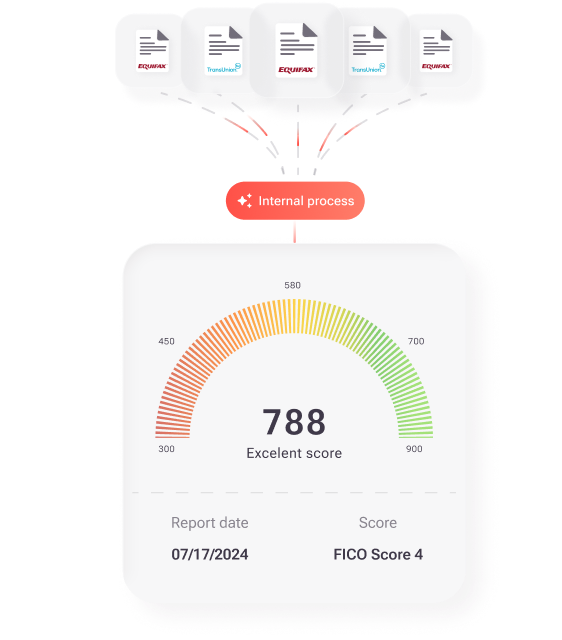
Resident screening and onboarding should operate as a structured, fully digital process. Strong systems verify identity, credit, income, and background within a single workflow, which reduces risk and helps protect the community.
Practical Implementation
Effective platforms typically include:
- Online applications accessible by web and mobile for tenants, purchasers, and other occupant types
- Smart forms that adjust questions and document requests based on applicant type
- Automated document collection with e-signatures for required disclosures and acknowledgments
- ID verification through tools such as IDverify and full background and credit checks through services such as SafeCheck+
- Income verification that contacts employers or uses verified data, rather than relying only on self-reported information
Impact on Florida HOAs
Digital screening reduces errors, shortens approval timelines, and lowers the likelihood of approving unsuitable residents. One Florida HOA that moved from paper to digital screening cut application processing times by about 70 percent and reduced resident-related incidents, freeing significant staff and board time. TenantEvaluation’s screening tools are designed to support this type of outcome while keeping the process organized and auditable.
2. Florida-Specific Compliance and Customizable Workflows: Staying Ahead of Complex Rules
Florida Statutes 720 and 718 create detailed requirements for HOAs and condominiums. Software that reflects these state rules and each community’s governing documents helps reduce legal exposure and administrative stress.
Practical Implementation
The most useful systems allow managers to:
- Configure credit score minimums, deposit rules, and screening criteria by community
- Set document checklists that match each association’s bylaws and policies
- Use different workflows for purchasers, tenants, occupants, and renewals
- Update rules quickly when board policies or laws change
- Receive alerts when key compliance dates or requirements shift, as described in platforms that track governing document adherence
Impact on Florida HOAs
Automated compliance checks and centralized records reduce missed deadlines, incomplete files, and inconsistent decisions. TenantEvaluation’s configurable rules engine helps Florida HOAs stay aligned with state law and their governing documents without constant manual oversight.
3. Advanced Security and Data Protection: Protecting Sensitive HOA Information
HOAs handle Social Security numbers, banking details, and private contact information. Leading HOA software uses layered security controls to reduce the risk of breaches and unauthorized access.
Practical Implementation
Strong platforms typically provide:
- End-to-end encryption (SSL/TLS) and PCI-DSS Level 1 compliance for payments
- Automatic redaction of sensitive PII such as full account numbers from stored documents
- Multi-factor authentication and role-based access controls for staff, boards, and vendors
- Comprehensive audit logs that track all user actions, as described in SOC-audited control frameworks

Impact on Florida HOAs
Better security lowers the chance of data leaks and the legal and reputational damage that follows. Communities using systems with auto-redaction and PCI Level 1 compliance protect thousands of resident records each year. TenantEvaluation follows these practices to help safeguard resident and association data.
Schedule a demo to see how stronger security, screening, and compliance can work together in your HOA.
4. Transparent Board of Directors Dashboard (QuickApprove): Supporting Faster, Informed Decisions
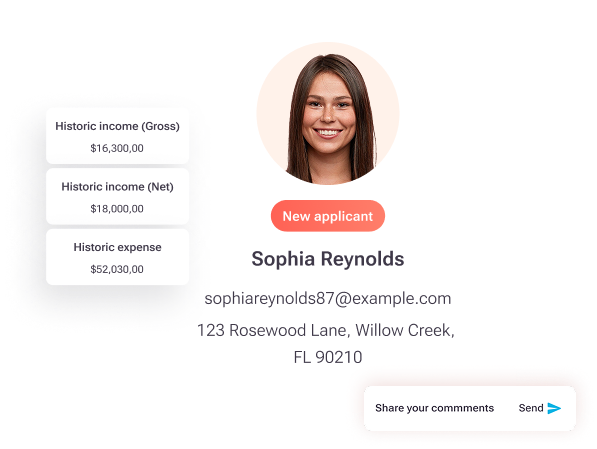
Boards need clear information and simple tools to review applications and document decisions. A dedicated dashboard helps them see what matters without digging through email chains or spreadsheets.
Practical Implementation
An effective board dashboard generally includes:
- Real-time status for every application in the pipeline
- Concise applicant summaries with key risk and compliance details
- Digital voting and comments, captured directly in the system
- Timestamped, auditable logs of every board action, similar to audit trails that surface unauthorized changes
Impact on Florida HOAs
Replacing manual reviews with a structured dashboard can cut approval timelines by weeks. Associations using tools like TenantEvaluation’s QuickApprove have shortened move-in timelines and provided clearer records for future audits and disputes.
5. Comprehensive Community Analytics and Reporting: Guiding Policy and Investment
Analytics help boards and managers see trends in applications, demographics, and resident needs. Better insight supports smarter decisions on amenities, rules, and long-term planning.
Practical Implementation
Useful reporting often covers:
- Application volumes and approval times by community or building
- Demographic trends such as household composition and age ranges
- Indicators like pet ownership or electric vehicle usage that affect amenity planning
- Anonymized financial indicators that inform policy without exposing individual data
Impact on Florida HOAs
Boards can use this information to justify investments and policy changes. One Orlando community used EV ownership data to support installing charging stations, which helped increase both resident satisfaction and perceived property value. TenantEvaluation’s analytics give managers and boards this type of view into their communities.
6. Automated Fee Collection and Revenue Generation: Turning Screening into a Financial Asset
Application and screening processes can support the association’s budget instead of draining it. Automated fee collection reduces manual work and can share revenue back to the HOA.
Practical Implementation
Key capabilities include:
- Online payment collection for application and screening fees
- Automatic allocation of funds and fee reconciliation within the software
- Revenue-sharing arrangements where the provider deducts its fee and returns the remainder to the association
Impact on Florida HOAs
Associations that adopt automated fee collection and revenue sharing often replace manual billing and tracking with a predictable income stream. TenantEvaluation reports that its model has generated more than $150 million for communities, and some management firms have added over $150,000 per year across their portfolios.
7. Exceptional 24/7 Multi-Language Support: Reducing Friction for Managers and Residents
Florida’s communities are diverse, and many operate outside standard office hours. Around-the-clock, multilingual support helps applicants and residents get answers without overloading managers.
Practical Implementation
Effective support models usually provide:
- 24/7 AI-powered chat and phone support for applicants and managers
- Assistance in multiple languages to reflect the community’s demographics
- Guidance on application steps, document uploads, and payment issues
- Integrated notifications such as email, SMS, and in-app messages, similar to the tools described in communication-focused HOA platforms
Impact on Florida HOAs
HOAs that add 24/7 multilingual support often see fewer direct calls and emails to on-site staff. One association using AI-backed support cut routine applicant inquiries by about 40 percent. TenantEvaluation’s support model follows this approach so managers can focus on higher-value work.
|
Feature Aspect |
Manual Process |
Generic Software |
TenantEvaluation (Top-tier) |
|
Resident Screening |
Paper forms, manual checks, high error rate |
Basic background checks, limited verification |
100% online, IDverify, SafeCheck+, IncomeEV, smart forms |
|
Florida Compliance |
Manual research, high compliance risk |
Generic compliance, potential for fines |
Florida-specific, customizable rules, automated alerts, audit trails |
|
Data Security |
Vulnerable paper records, basic encryption |
Standard encryption, limited controls |
PCI Level 1, auto-redaction, SOC 1 and 2, MFA, RBAC |
|
Board Review |
Email, physical meetings, significant delays |
Limited access, no voting, slow approvals |
QuickApprove dashboard, real-time voting, auditable actions |
|
Revenue Generation |
Missed fee collection, high admin costs |
Basic fee collection, no revenue sharing |
Automated fees, revenue-sharing model, profit generation |
Frequently Asked Questions (FAQ) About HOA Management Software
Why is Florida-specific compliance so important for HOA software?
Florida communities operate under detailed statutes that cover governing documents, elections, meetings, notices, and financial reporting. Generic systems often overlook these requirements. Software configured for Florida helps ensure application workflows, document retention, and accounting practices align with state law, which reduces the likelihood of fines, disputes, or legal challenges.
How does HOA software improve security beyond basic encryption?
Modern HOA platforms combine encryption with PCI Level 1 payment processing, automatic redaction of sensitive PII, detailed role-based access controls, multi-factor authentication, and independent SOC 1 and SOC 2 audits. Many also log every user action, maintain encrypted backups, and monitor for unusual activity. This layered approach creates a stronger barrier against data loss or misuse than encryption alone.
Can HOA software generate revenue for my community?
Well-designed systems can convert application processing into a net-positive line item. Applicants pay screening or application fees online, the provider deducts its fee, and the remainder flows to the association. Over time, this structure can offset administrative costs, fund reserves, or support capital projects.
What is the Board of Directors Dashboard and why does it matter?
The Board of Directors Dashboard, sometimes called QuickApprove, is a focused area of the software where board members review applicant summaries, view supporting documents, and cast votes. It replaces scattered email threads with a single, auditable record and typically reduces approval times by days or weeks.
Schedule a demo today to see how TenantEvaluation can support your board and management team.
Conclusion: Preparing Your HOA for 2026 and Beyond with TenantEvaluation
Florida associations that adopt modern HOA management software gain clearer processes, stronger compliance, better data protection, and more predictable revenue. Resident screening, Florida-specific workflows, secure data handling, analytics, automated fee collection, and multilingual support all contribute to a more stable and responsive community.
TenantEvaluation brings these capabilities into a single platform built for Florida HOAs and condominiums. Schedule a demo today to evaluate how it can support your operations in 2026.