
Key Takeaways
- Florida HOAs and condos face financial pressure from rising insurance and HB 913 reserve mandates, so application fee revenue now plays a critical role without raising dues.
- Automated tenant screening platforms turn manual processes into revenue generators through revenue-sharing models and built-in compliance automation.
- TenantEvaluation offers HOA-specific tools such as QuickApprove dashboards, IDVerify, and Florida-focused compliance that outperform generic platforms like Buildium or RentSpree.
- Communities see 70% faster processing, 5 to 10 minutes instead of days, plus up to $240,000 in annual savings and analytics for better planning.
- Associations can capture this revenue by getting started with Tenant Evaluation for streamlined, recurring income.
How Revenue-Focused Tenant Screening Works for HOAs
Revenue optimization tools for community associations center on tenant screening platforms that automate application intake, document collection, FCRA-compliant background checks, and approval workflows. These systems follow an Application Lifecycle Revenue Funnel model. An applicant submits an application, the platform runs automated screening, generates compliance reports, routes files for board approval, and completes the process with fee collection and revenue sharing.
Key concepts include revenue-sharing models where platforms deduct service fees from collected application charges and return the rest to the association. Automated workflows replace manual document review and reduce staff time. Audit trails record every action for regulatory compliance. TenantEvaluation illustrates this end-to-end approach with its QuickApprove dashboard for board oversight and IDVerify for document authentication.

This shift from manual work to automation turns applications from a cost center into a profit center. Paper-based systems drain resources through staff hours, compliance exposure, and processing delays. Automated platforms generate revenue through efficient fee collection and lower operational costs.
Florida HOA Screening Landscape and Leading Platforms
Digital transformation accelerated in 2026 after Florida’s comprehensive condo law reforms, which pushed associations toward AI-powered screening and automated revenue collection. Industry reports show broad adoption of automation tools that reduce back-office friction, with community associations now processing more than 100,000 applications each year through specialized platforms.
Most software options still focus on generic rental properties instead of HOAs and condos. TenantEvaluation serves as a revenue-sharing platform built specifically for community associations. Competing tools such as Buildium and AppFolio rely on subscription models and target general rental portfolios, so they lack board-focused dashboards and revenue-sharing structures. RentSpree offers basic screening but does not provide the HOA-focused features and Florida-specific compliance tools that associations need.
This competitive landscape highlights TenantEvaluation’s niche. The platform combines community association features, direct revenue sharing, and integrated compliance tools that generic property management software does not provide.
How Florida Communities Use TenantEvaluation Day to Day
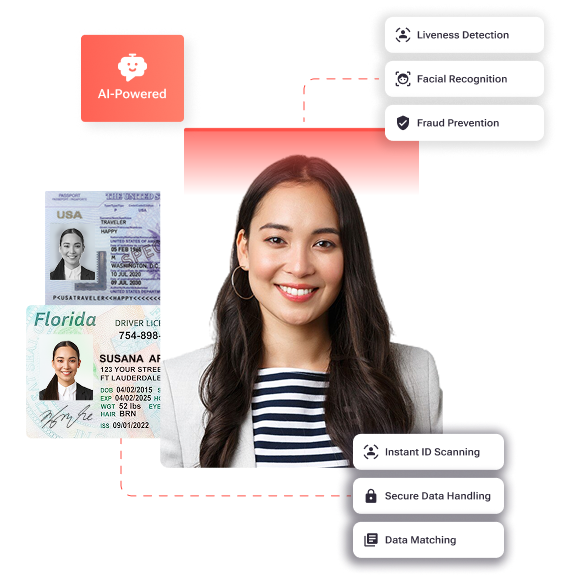
TenantEvaluation supports revenue growth through Florida-specific rule configuration, intelligent application forms, automatic document redaction, and 24/7 AI support in 11 languages. The platform processes applications in 5 to 10 minutes instead of the traditional 5 to 10 day manual cycle. It also delivers analytics on community demographics, EV adoption, and pet ownership patterns that support long-term planning.
Measured outcomes include 70% faster processing times and up to $240,000 in yearly savings for management companies. PCI Level 1 security protects payment data. The revenue-sharing model removes upfront costs and creates a steady income from application fees.
|
Metric |
Manual Processes |
TenantEvaluation |
|
Processing Time |
5-10 days |
5-10 minutes |
|
Admin Hours/Day |
50+ |
Reduced 50+ |
|
Annual Savings |
N/A |
$240K |
|
Revenue Generated |
Leakage |
Generated $150M total |
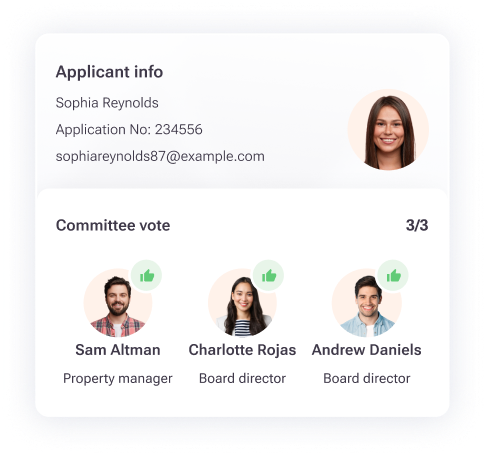
Community Association Managers gain relief from repetitive administrative work and enjoy automated compliance. Board members see real-time application status and use streamlined approval workflows. Applicants complete simple online submissions and receive instant status updates. Streamline your process with TenantEvaluation’s free demo to experience these improvements in your own community.
Common Screening Problems for Florida HOAs
Manual application processing creates heavy operational strain and often consumes more than 50 staff hours each day across management teams. These manual workflows also expose associations to FCRA compliance violations and data security risks. Tenant screening requires strict adherence to Fair Credit Reporting Act regulations, including proper dispute handling and secure disposal of sensitive information.
Revenue leakage appears through missed or uncollected application fees, slow processing, and poor visibility into approval workflows. Associations often choose generic rental screening tools that ignore community bylaws, select subscription platforms instead of pay-per-application models, and skip board oversight features that support accountability.
Many boards underestimate the hidden costs of manual work. These costs include staff overtime, higher compliance risk, and lost revenue from weak fee collection systems.
Current Best Practices for HOA Tenant Screening
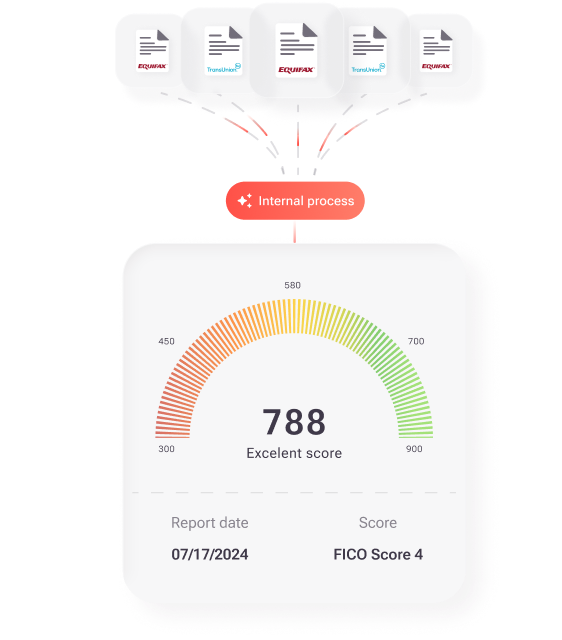
Industry best practices focus on FCRA-first compliance through direct credit bureau relationships with TransUnion and Equifax. Leading platforms automate the full journey from application intake through final approval and provide dedicated board dashboards for transparent decisions. Revenue-sharing models tie platform earnings to client results and remove upfront investment barriers.
Trends for 2026 highlight AI ethics, multilingual support, and advanced analytics that guide long-term community strategy. TenantEvaluation reflects these standards with a 4.8 out of 5 Google rating and deep Florida-specific compliance coverage.
New standards now include automated adverse action workflows, real-time audit trail creation, and integrated community analytics for demographic insight and policy planning. Schedule a demo today to bring these practices into your association.
Frequently Asked Questions
How can an HOA raise money without increasing dues?
Application fees provide a major untapped revenue source for community associations. Revenue-sharing platforms such as TenantEvaluation collect application fees during screening and return most of the funds to the association after service costs. This structure creates a predictable income stream without dues increases or special assessments, which matters even more under Florida’s reserve funding rules.
What revenue-sharing model works best for HOAs?
Pay-per-application models with automatic fee collection and revenue rebates deliver strong value for community associations. TenantEvaluation follows this approach and charges no upfront fees. The platform deducts service costs only from successfully collected applications. This model aligns platform performance with association results and avoids subscription charges that apply even when application volume drops.
What are the Florida rules on HOA application fees?
Florida Statutes Chapter 718 allows community associations to charge reasonable application fees for tenant and buyer screening. Automated platforms help associations follow state rules while improving fee collection. Recent HB 913 reforms increased focus on reserve funding, so application fee revenue now plays a larger role in financial stability without higher dues.
What is the ROI of manual versus automated tenant screening?
Automated screening shortens processing times by about 70 percent and cuts more than 50 staff hours of work each day. Case studies show up to $240,000 in yearly savings for management companies. These savings come from reduced manual work, lower compliance risk, and stronger fee collection. Staff can then focus on higher-value community management tasks.
What does FCRA compliance mean for HOAs?
Fair Credit Reporting Act compliance requires community associations to obtain written consent for background checks, send adverse action notices when denying applications, and protect applicant information. TenantEvaluation supports FCRA compliance through direct credit bureau relationships, automated adverse action workflows, and detailed audit trails that help shield associations from violations.
Next Steps for Florida HOAs and Condos
TenantEvaluation leads the community association revenue space with a specialized platform and partnerships with industry groups such as RealManage. The blend of automated screening, revenue sharing, and Florida-specific compliance creates a clear path to sustainable income growth. Partner with a leading Florida community association technology provider and schedule a demo today to turn your application process into a reliable revenue stream.