Written by: Luis Teran, Co-founder, CEO, TenantEvaluation
Manual tenant verification processes often drain resources and expose Florida’s condominium and homeowner associations to compliance risks, while also missing out on potential revenue. Digital platforms streamline these outdated, paper-heavy tasks into efficient, secure operations that benefit Community Association Managers (CAMs), Board Members, and residents. TenantEvaluation offers a tailored solution for Florida’s unique regulatory needs and HOA/condo management challenges.
Florida’s real estate market and strict regulations create specific hurdles for CAMs and Board Members handling resident screenings. Older methods increase the chance of compliance issues, data breaches, and delays that frustrate everyone involved. With growing operational demands and costs, adopting tech-based solutions is a practical step forward.
Why Tenant Verification Matters for Florida’s Condo and HOA Communities
Digital tenant verification platforms simplify the resident screening and onboarding process. They combine application management, document collection, background checks, board approvals, and revenue opportunities into one system. For Florida associations, where compliance and efficiency are critical, these platforms include features designed to meet state laws and local community needs.
1. Simplify Application and Onboarding Steps
Online tenant verification platforms replace tedious paper applications with user-friendly digital processes suited for Florida’s varied communities. They manage submissions, collect documents, and run initial checks automatically, adjusting requirements based on applicant type and community rules.
Automation saves significant time. Tools like TenantEvaluation can free up to 50 hours daily for property management staff, letting them focus on more important tasks. Automated updates and tracking cut down on back-and-forth communication that slows things down.
Communities often see application processing times drop by up to 70%. This means faster move-ins for residents, quicker payments for realtors, and steady income for associations. Skipping manual document checks and follow-ups creates a smoother experience that boosts a community’s reputation.
Schedule a demo today to learn how TenantEvaluation can speed up applications, improve compliance, and increase revenue for your association.

2. Strengthen Compliance and Reduce Risks
Digital platforms help ensure compliance with the Fair Housing Act and local bylaws by applying consistent screening rules. TenantEvaluation is built for Florida’s specific laws, embedding custom criteria and automatic checks to meet state and association standards.
These tools lower the risk of errors for CAMs and Boards through detailed record-keeping and audit trails. Timestamped logs in TenantEvaluation track every action, offering protection during reviews or legal issues while keeping the process transparent.
Data protection is also a priority. Features like automatic redaction of personal information and PCI Level 1 compliance safeguard details such as Social Security numbers. For communities processing many applications yearly, these measures cut the risk of data breaches that could harm finances and reputation.
3. Improve Board Oversight with Custom Dashboards
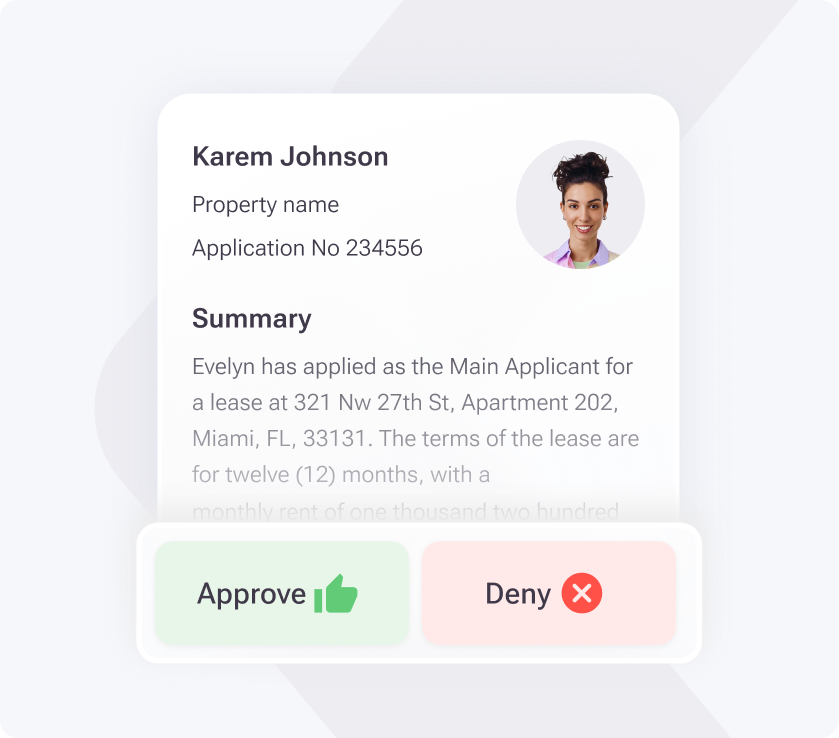
Tools like TenantEvaluation’s QuickApprove give Board Members real-time access to application updates, concise reports, and easy voting options. This setup lets boards stay directly involved without struggling through complex systems or relying only on staff updates.
Better transparency speeds up decisions by reducing delays from manual reviews. Board members can view summaries, check documents, and vote anytime, anywhere, cutting the need for urgent meetings or long waits that annoy applicants and realtors.
This approach helps boards make well-informed choices quickly. The platform highlights key details without overloading members with paperwork, ensuring thorough evaluations and matching applicants to community standards. Stronger oversight builds stability and resident contentment.
4. Boost Revenue for Associations
Automated fee collection turns the application process into a revenue source. Platforms handle payments online during submission, capturing every fee while cutting staff workload. Real-time confirmations make it easy for applicants and ensure Associations get paid promptly.
Revenue-sharing models offer a direct financial benefit. TenantEvaluation rebates a portion of fees back to communities after costs, with over $150 million already returned to associations using the system. This shifts screening from an expense to an income opportunity.
Faster approvals also shorten vacancies, supporting steady cash flow as associations face rising operational costs. With applications processed 70% quicker, units fill faster, easing financial pressure on current members who might cover losses from empty units.
5. Avoid Expensive Errors with Thorough Screening
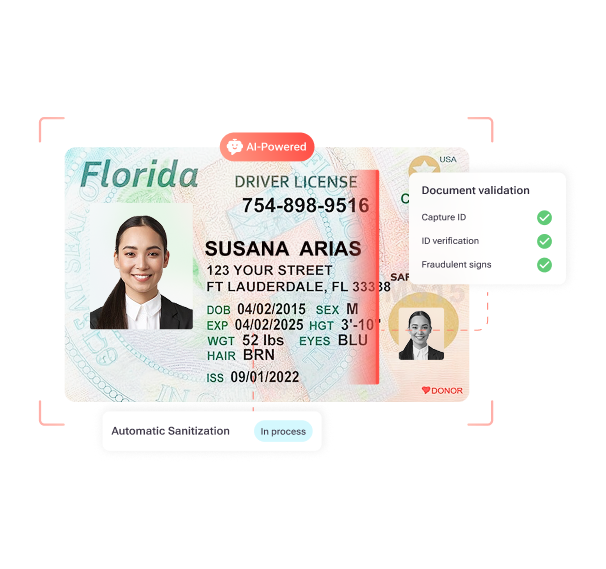
Full screening services offer a complete view of applicants through ID checks, income verification, and detailed background reports on criminal history, evictions, credit, and references. TenantEvaluation’s tools like IDverify and SafeCheck+ dig deeper, confirming employment and ensuring standards are met.
These systems minimize risks tied to manual screening that often lead to costly tenant issues. Manual methods might wrongly exclude good candidates or miss warning signs. Automated checks apply consistent standards without gaps.
Outsourcing screening to specialized platforms adds fairness and cuts error rates while avoiding non-compliance penalties. These services stay updated on laws and best practices, protecting associations from unintended violations and ensuring all applicants get a fair review.
6. Enhance Applicant and Realtor Satisfaction with Multilingual Tools
Modern platforms offer fully online, mobile-friendly applications with clear steps, improving applicant experience. Residents can apply, upload documents, and get feedback directly from their phones, attracting those who value convenience while deterring unqualified candidates.
Automated updates and 24/7 AI chat support in 11 languages keep everyone in the loop, reducing delays and helping realtors get paid faster. TenantEvaluation’s system supports Florida’s diverse population with instant help for common issues, ensuring clarity on community rules and avoiding misunderstandings.
A clear, efficient process strengthens a community’s image and draws quality residents by addressing unique HOA screening needs. This reputation offers a competitive edge, supporting property values and community appeal through positive feedback.
7. Use Community Data for Smarter Planning
Advanced analytics turn application data into actionable insights on demographics, rental trends, and resident profiles like pet ownership or electric vehicle use. This information supports strategic decisions far beyond individual approvals, guiding long-term community plans.
Detailed data helps Property Managers and Boards tailor amenities and policies to real resident needs. High electric vehicle numbers might prompt charging station additions, while pet trends could shape rules or facilities. Income and demographic shifts inform policy adjustments.
These insights move management from reacting to planning ahead. Analytics spot revenue or savings opportunities and predict future needs, creating better living spaces that benefit everyone in the community.
Schedule a demo today to explore how TenantEvaluation can improve applications, compliance, and revenue for your association.
Common Questions About Tenant Verification Platforms
How Do Platforms Address Florida-Specific Rules and HOA Bylaws?
TenantEvaluation customizes setups to match each community’s governing documents and screening needs, ensuring compliance with Florida laws and association rules. Features include automated Fair Housing Act adherence, FCRA-compliant background checks, and tailored screening criteria, all backed by detailed audit trails for legal and regulatory protection.
Can Platforms Protect Sensitive Applicant Data?
Yes, these systems prioritize security to minimize data breach risks. They automatically redact personal details like Social Security numbers, follow PCI Level 1 standards, and use end-to-end encryption. Secure cloud storage and access controls further protect both applicants and associations while meeting privacy laws.
Do Platforms Generate Revenue for HOAs and Condos?
Definitely. They automate fee collection for full capture, while revenue-sharing models like TenantEvaluation’s rebate fees back to associations, with over $150 million already distributed. Quicker approvals also reduce vacancies, maintaining steady income and easing financial strain on current members.
What Sets TenantEvaluation Apart from Other Screening Tools?
TenantEvaluation focuses on Florida HOAs and condos, offering a complete solution beyond basic checks. It includes automated document review, a board-specific QuickApprove dashboard, and compliance features for state laws. With multilingual support in 11 languages and time savings of up to 50 staff hours daily, it provides unmatched customization and efficiency.
What Support Does TenantEvaluation Offer During Setup?
TenantEvaluation delivers full support, tailoring the platform to community needs and providing staff training and board orientation for QuickApprove. Their 24/7 AI chat in 11 languages, ongoing updates, and dedicated account management ensure a smooth shift from manual processes, often yielding time savings in the first week.
Final Thoughts: Upgrading Florida Condo and HOA Management
Digital tenant verification platforms change how Florida associations handle resident screening. They tackle key issues like administrative overload, compliance risks, data security, and lost revenue. By automating tasks, ensuring legal adherence, and boosting income, tools like TenantEvaluation add clear value.
Communities using these systems see major gains, from saving 50 staff hours daily to cutting approval times by 70% and earning millions in revenue. Features tailored for Florida’s rules, multilingual support, and board tools make them vital for effective management.
With Florida’s real estate and regulatory landscape growing more complex, choosing the right verification platform is critical. TenantEvaluation stands out with its focused approach, proven results, and comprehensive features for community needs.
Ready to improve your association’s resident screening? Schedule a demo today to see TenantEvaluation in action.
