Written by: Luis Teran, Co-founder, CEO, TenantEvaluation
Key Takeaways
- Community associations handle large volumes of sensitive personal and financial data during online applications, which makes them attractive targets for cyberattacks and fraud.
- Florida HOAs must follow strict legal and regulatory requirements when collecting and storing resident data, or risk fines, lawsuits, and costly remediation after a breach.
- AI-enhanced attacks, document fraud, and phishing schemes now target online application portals, so basic passwords and manual checks are no longer enough.
- Automated, secure application platforms with encryption, fraud detection, and compliance tools provide stronger protection and clearer audit trails than manual or paper-based processes.
- Tenant Evaluation offers a secure online application platform built for community associations; schedule a demo today to protect resident data and streamline approvals.
The Problem: Unveiling Cyber Vulnerabilities in Community Association Applications
The Lure of Sensitive Data: Why HOAs Are Prime Targets for Cyberattacks
Community associations collect extensive personally identifiable information during resident onboarding. Cyberattacks on community associations often target names, addresses, driver’s license numbers, Social Security numbers, and financial details from resident applications. Criminals can resell this data or use it for identity theft and financial fraud.
Many associations operate with limited IT staff and rely on email, paper files, or basic software. These methods often lack encryption, access controls, and logging, which creates easy entry points for attackers who want quick access to valuable personal information.
Legal and Compliance Risks for Florida HOAs: The Cost of Insecurity
Florida associations face clear legal duties when handling resident data. Florida Statute §501.171 requires notification to affected residents, the Department of Legal Affairs, and major credit bureaus for breaches affecting over 1,000 individuals. These notifications can be expensive and highly visible.
Federal rules also apply. The Fair Credit Reporting Act governs how background check information must be collected, used, and stored. Breaches from lost or stolen devices containing credentials can lead to legal claims, regulatory scrutiny, financial losses, and reputational damage. Non-compliance can threaten an association’s finances and expose board members and management companies to liability.
The Evolving Threat Landscape: AI-Enhanced Attacks and Application Fraud
Modern attackers now use artificial intelligence to increase the speed and sophistication of their attacks. AI-enhanced threats include personalized phishing, deepfakes, voice cloning, automated vulnerability scanning, AI ransomware, and data mining for extortion. These tactics help criminals create convincing fake applications and manipulate digital documents.
Phishing sites often mimic real application portals and capture logins and applicant data before anyone notices a problem. Phishing, ransomware, and data breaches in HOAs can lead to identity theft, financial crimes, loss of trust, legal disputes, and reputational damage. Voice cloning and deepfake IDs make it harder to trust manual, document-only checks.
Beyond Financial Loss: Reputational Damage and Erosion of Resident Trust
Security incidents affect more than budgets and legal exposure. Data breaches impact extend to emotional and psychological well-being of residents beyond financial and legal losses. Residents may feel anxious about stolen data for years and lose confidence in association leadership.
Breaches can also reduce property appeal, harm relationships with management companies, and create ongoing tension at board meetings. Clear, visible security practices help rebuild trust, but recovery often takes significant time and effort.
Community associations that depend on online applications need modern protections that match current threats. Schedule a demo today to see how Tenant Evaluation supports secure, compliant screening for your condominium or homeowner association.
The Solution: Implementing Robust Online Application Security Measures
Prioritizing Data Protection: Secure Collection and Storage of Resident PII
Strong security begins with controlling what data you collect and how you protect it. Best practices include auditing data to identify and prioritize sensitive PII, maintaining updated systems and multi-factor authentication, using strong unique passwords, and consulting legal and management professionals. Payment processing should meet PCI Level 1 standards to align with bank-grade expectations.
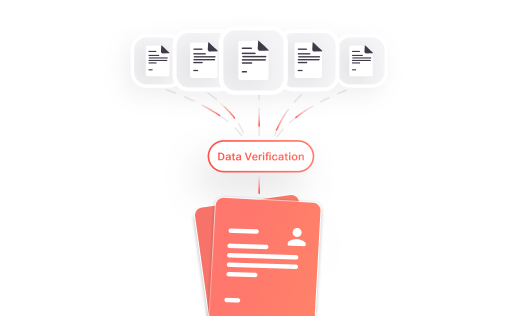
End-to-end encryption protects data as it moves and while it is stored. Automatic redaction of information such as full Social Security numbers reduces unnecessary exposure. Role-based access controls limit which staff members can see specific data, and regular security audits help identify weaknesses before attackers find them.
Advanced Fraud Detection for Comprehensive Background Checks and Tenant Screening
Effective screening verifies both identity and financial stability while guarding against fraud. Secure platforms combine ID verification with income verification that connects directly to employers or payroll systems instead of relying only on uploaded documents or self-reported details.
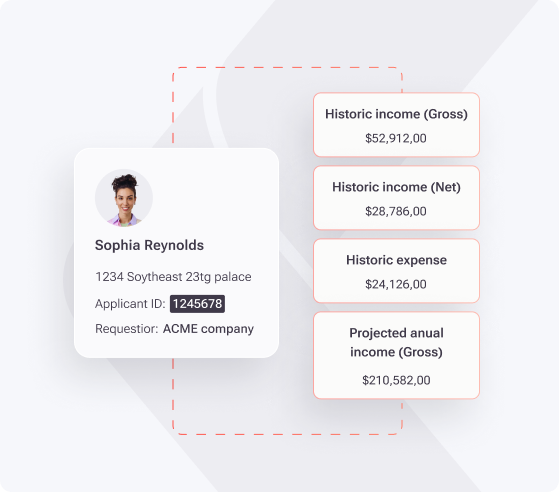

AI-driven fraud tools flag patterns such as reused phone numbers or emails across multiple applications, mismatched data points, or altered documents. Real-time checks reduce the chance that fraudulent applications progress through approvals, which saves staff time and protects residents.
Establishing Strong Cybersecurity Policies and Practices for HOAs
Written policies give boards and managers clear rules for handling digital information. Develop a robust cybersecurity policy defining data categories, network security protocols, firewalls, intrusion detection, and activity monitoring. Policies should also cover access rights, incident response steps, password standards, and training for staff and board members.
Multi-factor authentication, timely software updates, and monitored firewalls form the core of everyday protection. Regular training helps staff recognize phishing attempts and handle resident information in a consistent, secure way.
Vendor Vetting and Third-Party Risk Management for Digital Assets
Third-party platforms expand your capabilities but also extend your attack surface. Digital assets at risk include online payment platforms, resident directories, cloud-stored documents, and access control systems, often managed by third-party vendors. Each vendor that touches application data should meet clear security standards.
Boards should review vendor security certifications, written policies, audit results, data locations, and backup practices. Contracts need language on breach notification duties, data ownership, and cyber insurance coverage. Ongoing reviews help confirm that vendors keep pace with evolving security expectations.
Associations that want to raise their security standards without adding internal IT staff can rely on trusted partners. Schedule a demo today to learn how Tenant Evaluation combines secure applications, background checks, and compliance tools for Florida communities.
Comparison: Manual Processes vs. Automated Secure Online Application Platforms
|
Security Factor |
Manual Processes |
Automated Secure Platform |
|
Data Security |
High risk of breaches, physical document loss, unsecured storage |
End-to-end encryption, auto-redaction, PCI Level 1 compliance |
|
Compliance Tracking |
Difficult audit trails, high non-compliance risk, manual record-keeping |
Built-in compliance tools, automated audit trails, Florida-specific rules |
|
Fraud Detection |
Basic human review, easily deceived by sophisticated fraud |
AI-powered detection, ID verification, income verification, pattern analysis |
|
Cost of Breach |
High liability, legal fees, notification costs, reputation damage |
Minimized through proactive security, insurance, and compliance |
Manual processes introduce risk at each step, from paper forms and email attachments to on-site file storage. Forty-six percent of cyber incidents affect organizations with fewer than 1,000 employees, making small associations highly vulnerable. Staff also have limited ability to spot sophisticated or AI-assisted fraud without automated tools.
Automated secure platforms add layered defenses such as encryption, monitoring, and built-in compliance checks. Real-time alerts, detailed logs, and standardized workflows reduce human error and support faster responses when issues arise.
Community leaders who move from paper and email to secure online applications reduce liability and improve the resident experience. Schedule a demo today to see how Tenant Evaluation can support your association’s security strategy.
Frequently Asked Questions about Online Application Security Measures
What are the primary cybersecurity threats targeting online application security measures in community associations?
Common threats include phishing emails that steal passwords, ransomware that locks down resident records, and data breaches caused by weak configurations or outdated software. AI-enhanced attacks now create realistic fake messages, documents, and IDs that can trick staff and basic screening tools. Criminals also target vendor systems and unsecured Wi-Fi networks to gain indirect access to application data.
What are the legal implications for Florida community associations if a data breach occurs during an online application process?
Florida HOAs must notify affected residents, the Department of Legal Affairs, and credit bureaus when large breaches occur, as defined by Florida Statute §501.171. Associations may also need to pay for credit monitoring, identity protection, and legal defense. Federal rules such as the Fair Credit Reporting Act add further requirements when associations handle background check data. Failure to apply reasonable security measures can lead to lawsuits, regulatory inquiries, and potential claims against board members or management companies.
How can associations implement effective online application security measures without significant IT resources?
Boards can partner with specialized platforms that handle security controls, maintenance, and monitoring on their behalf. Strong providers offer PCI Level 1 payment security, encryption, automated redaction, and AI-powered fraud detection within one system. Built-in compliance tools create audit trails, help align with Florida requirements, and reduce manual record-keeping. Training and support from the platform vendor further lower the need for internal IT resources while raising security standards.
Conclusion: Secure Your Future with Robust Online Application Security Measures
Online applications are now central to how many community associations operate, and that shift requires stronger protection for resident data. Cybercriminals use more advanced tools every year, and manual, paper-based, or email-driven processes in 2024 and 2025 left many associations exposed.
Associations that adopt secure, automated platforms gain clearer oversight of who accesses data, how applications move through review, and where potential risks exist. These systems combine encryption, fraud detection, and compliance checks into a single workflow, which supports both security and efficiency. Schedule a demo today to see how Tenant Evaluation can help your condominium or homeowner association protect sensitive data, support compliance, and maintain the trust of your residents in 2026 and beyond.
