
Last updated: December 29, 2025
Key Takeaways
- Florida condo associations lower legal risk and workload by using clear, written screening standards and consistent procedures.
- Fair Housing Act compliance, including consistent application of income and credit criteria, protects associations from discrimination claims.
- Comprehensive background, identity, and income verification create a fuller picture of each applicant and support safer communities.
- Digital applications and board-focused dashboards shorten approval timelines, improve communication, and create strong audit trails.
- Tenant Evaluation offers a Florida-focused screening platform that streamlines applications and compliance; get started with Tenant Evaluation here.
Why Modern Tenant Screening Protects Florida Condo Communities
Florida condo associations manage complex screening responsibilities, from federal and state compliance to varied applicant profiles. Outdated, manual processes slow approvals, create errors, and increase legal exposure.
Paper applications often lead to missing documents, delays, and inconsistent decisions. Larger associations can lose dozens of staff hours per day to manual processing. Florida Statute § 718.104(5) requires condo associations to verify screening authority in their governing documents, so weak procedures can also result in legal disputes and reputational damage.
Modern screening technology helps associations control these risks, document decisions, and deliver a more predictable experience for owners, renters, and realtors.
Strategy 1: Standardize and Document Your Screening Process
Clear, written criteria form the backbone of fair and efficient tenant screening. Standardization reduces confusion, supports consistent decisions, and strengthens an association’s legal position.
A practical screening policy typically includes:
- Standard application forms and fee policies
- Required documents and checklists
- Minimum credit score and income standards
- Any community-specific rules in the governing documents
Alignment between procedures and governing documents provides important defense against discrimination claims while keeping decisions consistent.
Well-documented workflows with review timelines, approval roles, and clear acceptance or denial criteria help boards act quickly and explain outcomes if questions arise. Updating these documents regularly keeps the process aligned with current laws and community needs.
Strategy 2: Ensure Fair Housing Act Compliance
Fair Housing Act compliance is central to every tenant screening program. Federal law protects characteristics such as race, color, religion, sex, national origin, familial status, and disability, and Florida adds further protections that boards must understand.
Screening criteria must be objective and applied in the same way to every applicant. Income, credit, and background standards cannot be used in a way that disproportionately harms protected groups. Associations and boards face high liability when fair housing rules are not followed carefully.
Regular training for board members and community association managers should cover current fair housing laws, how to document decisions, and how to avoid discriminatory language or practices. Brief refreshers during policy updates help keep everyone aligned.
For extra support in maintaining compliance, many associations pair clear policies with a digital screening platform that tracks decisions and maintains records.
Strategy 3: Use Comprehensive, Compliant Background and Identity Checks
Thorough background and identity checks allow associations to evaluate risk more accurately. A complete review usually covers:
- Criminal history, within legal limits
- Credit reports and payment behavior
- Eviction history and prior landlord feedback
- Government-issued identification and identity verification
Fair Credit Reporting Act (FCRA) rules apply whenever consumer reports are used. Associations need applicant authorization, proper adverse action notices, and compliant handling of report data. Reusable tenant screening reports highlight information landlords value but remain optional in Florida, so condo associations can choose the tools that fit their process.
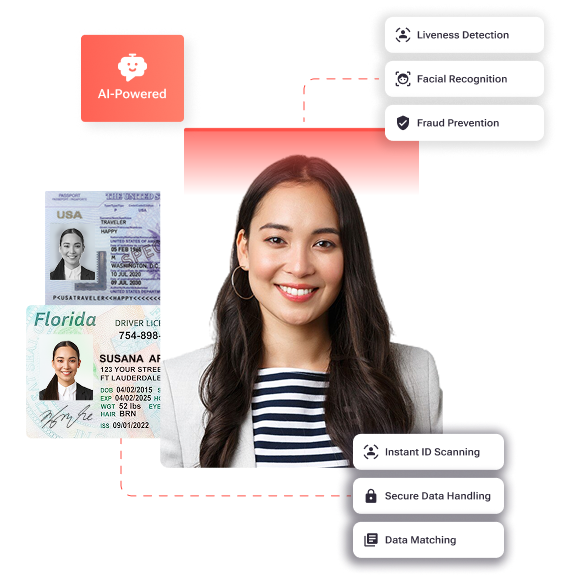
Working with an FCRA-compliant provider helps ensure accurate, current data and proper notices. Platforms such as Tenant Evaluation integrate these checks into a single workflow, which supports consistent decisions and cleaner records.
Strategy 4: Strengthen Income and Employment Verification
Verified income provides a clearer view of an applicant’s ability to meet assessments and rent. Self-reported numbers alone often understate financial risk.
Effective income and employment verification usually includes:
- Recent pay stubs or benefit statements
- Tax returns or bank statements, when appropriate
- Employer confirmation of position, status, and length of employment
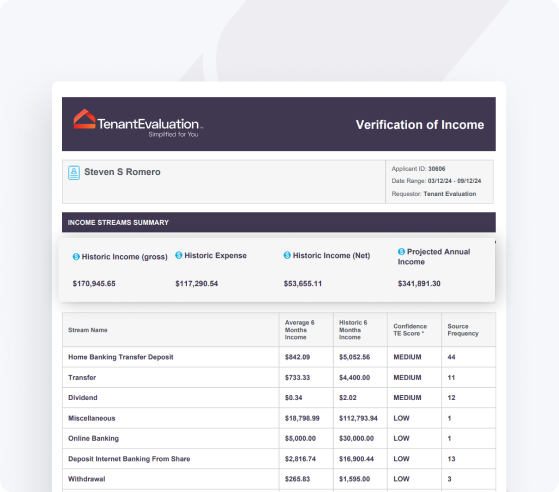
Direct contact with employers reduces the risk of falsified documents and helps boards feel confident in their decisions. Advanced tools, such as Tenant Evaluation’s IncomeEv report, further reduce manual work by automating document analysis and presenting income findings in a clear summary.
Strategy 5: Digitize and Automate the Application Process
Digital applications replace slow, paper-heavy workflows with a more organized and predictable process. Online systems reduce errors, speed up communication, and improve data security.
Key benefits of digitizing applications include:
- Online forms that enforce required fields and cut down on incomplete submissions
- Electronic signatures and secure document uploads
- Status dashboards for applicants, realtors, managers, and boards
- Automatic reminders when items are missing or approvals are pending
Many associations see approval times drop from weeks to days when they move to a digital platform. Systems built for condo associations, such as Tenant Evaluation, also provide audit trails for every step, which supports both compliance and accountability.
Strategy 6: Give Boards Clear Review and Approval Workflows
Board members make the final decisions, so they need organized information and straightforward tools. Email chains and scattered PDFs slow reviews and create confusion.
Board-focused dashboards help by:
- Summarizing each application in a clear, consistent format
- Showing real-time status and any outstanding items
- Enabling board votes and comments in one secure place
- Recording a complete audit trail for every decision

Tenant Evaluation’s QuickApprove dashboard follows this model, giving board members structured summaries and simple voting tools. Clear workflows shorten approval cycles and reduce the risk of missed communications or undocumented decisions.
Strategy 7: Stay Current on Florida Regulations and Market Trends
Florida rental laws and market conditions continue to evolve, so screening policies cannot stay static. Legislative efforts such as Florida HB 43 or SB 362 on reusable tenant screening reports illustrate how rules may shift over time.
Regular reviews of governing documents, application forms, and decision criteria help associations stay compliant. Many boards schedule an annual policy review with legal counsel to confirm that procedures reflect current statutes and fair housing standards.
Local market trends also matter. Changes in renter demand, pricing, and demographics can guide updates to screening thresholds, documentation requirements, and communication practices so that communities remain attractive while still protected.
Associations that pair legal awareness with a flexible digital platform are better prepared to adjust quickly when regulations or market conditions change.
For a closer look at how a Florida-focused platform can support these strategies, schedule a demo with Tenant Evaluation.
Frequently Asked Questions (FAQ) about Florida Condo Tenant Screening
Can a Florida condo association deny an applicant based on a criminal record?
Florida condo associations can deny applicants for certain criminal histories if decisions follow the governing documents and are applied consistently. Blanket bans may conflict with the Fair Housing Act, so boards should consider the type of offense, time since conviction, and any rehabilitation. Legal counsel can help evaluate complex cases.
Are Florida condo associations required to accept portable tenant screening reports?
As of December 2025, Florida law does not require associations to accept portable tenant screening reports. Legislation such as HB 43 in 2025 would have permitted but not required their use and was later withdrawn. Associations may set their own policies if they apply them consistently and maintain FCRA compliance.
How can condo associations keep their tenant screening process non-discriminatory?
Non-discriminatory screening relies on clear, objective criteria written into policies and applied to every applicant. Boards should avoid rules that have a disproportionate impact on protected classes and should document the reasons for approvals or denials. Training and periodic legal review help keep procedures aligned with fair housing requirements.
What is a typical timeframe for tenant screening approvals in Florida condos?
Approval timelines vary by association and process design. Manual, paper-based workflows often take several weeks because of document collection, verification, and board coordination. Digital platforms with automated reminders and online board dashboards can reduce that to a few days in many communities.
What documents should Florida condo associations usually require from applicants?
Common document requirements include a completed application, government-issued photo ID, proof of income, employment verification, prior rental references, and an executed lease for rentals. Some communities also request pet documentation, vehicle details, and emergency contacts. Listing these items clearly in standardized materials helps ensure consistent treatment of every applicant.
Conclusion: Build Stronger Communities With Smarter Screening
These seven strategies give Florida condo associations a practical framework for screening tenants in 2026. Standardized criteria, fair housing compliance, thorough verification, digital tools, and ongoing legal awareness work together to protect communities while improving the experience for residents and applicants.
Tenant Evaluation brings these elements into one platform designed for associations. The system streamlines data collection, supports compliance, and organizes board decisions in a clear, auditable way. To see how this approach can fit your community, schedule a demo with Tenant Evaluation.