
Key Takeaways
- Adverse action under FCRA includes denials, conditional approvals, or modified terms based on tenant screening reports and triggers specific notice steps.
- Florida HOAs follow a 5-step process: obtain consent, screen, send pre-adverse notice, allow a 5-day dispute window, then send the final notice.
- Manual processes, delays, and weak audit trails increase FCRA violation risk, while automation supports consistent compliance.
- Stronger practices include using direct bureau resellers, automating notices, keeping detailed audit trails, and connecting to board voting systems.
- Florida HOAs can streamline adverse action compliance with Tenant Evaluation, reducing risk and speeding up approvals.
How Adverse Action Works in Tenant Screening
Adverse action in tenant screening occurs when an association denies, conditionally approves, or changes application terms based on information from consumer reporting agencies. Under the Fair Credit Reporting Act (FCRA), adverse action includes denial, requiring co-signers, asking for larger deposits, or charging higher fees than standard criteria require.
The FCRA adverse action notice requirements set clear steps for associations. They must send pre-adverse action notices when they consider denial based on consumer reports, give applicants five business days to dispute information, then send final adverse action notices if they move forward with denial. These FCRA adverse action notice requirements protect applicant rights and help associations keep complete documentation.
When Conditional Approvals Count as Adverse Action
Conditional approvals that require extra deposits, co-signers, or modified lease terms based on credit, criminal, or eviction reports count as adverse action notice tenant screening situations. Associations must follow the same procedures for conditional approvals that they follow for full denials.
Current Tenant Screening Trends for Florida Associations
The 2026 tenant screening environment focuses on tighter compliance as landlords must obtain written consent before running screening reports and provide adverse action notices within three business days. FCRA enforcement now includes AI audits and data breach reviews that target associations relying on manual workflows.
Florida combines federal FCRA rules with local ordinances and growing data privacy expectations that require secure handling of applicant information. Generic screening tools such as TurboTenant and RentSpree do not provide HOA-specific dashboards or board voting tools, which creates gaps in association workflows. TenantEvaluation fills these gaps as a direct TransUnion and Equifax reseller with end-to-end automation built for community associations.
Five-Step FCRA Adverse Action Process for Florida HOAs
Florida HOAs follow a clear adverse action compliance Florida process that blends FCRA rules with association bylaws.
Step 1: Obtain Written Consent – Collect signed authorization before ordering consumer reports, and clearly state which reports you will run and the estimated costs.
Step 2: Conduct Screening – Use FCRA-compliant services such as TenantEvaluation’s SafeCheck+ to pull credit, criminal, and eviction data from legitimate bureau sources.
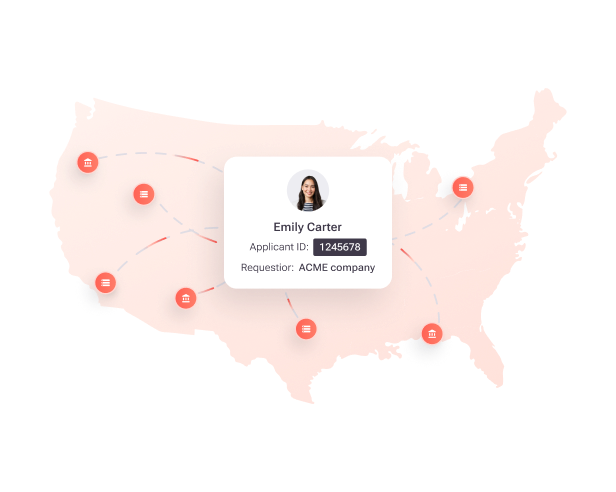
Step 3: Send the Pre-Adverse Action Notice – When you consider denial based on consumer reports, send a pre-adverse action notice that includes a copy of the report, a summary of consumer rights, and dispute instructions.
Step 4: Observe the Five-Day Waiting Period – Give applicants five business days to dispute report information before you make a final decision.
Step 5: Send the Final Adverse Action Notice – When you decide to deny, send an adverse action notice with specific reasons, consumer reporting agency contact details, and a clear explanation of dispute rights.
Florida HOA adverse action compliance does not require extra state-level supplements beyond the FCRA, although local rules such as Gainesville’s criminal background check regulations may apply. QuickApprove automates this full sequence with built-in workflows and board voting tools.

Free FCRA Adverse Action Letter Templates for Rentals
Florida associations benefit from standardized FCRA adverse action letter rental templates that keep language consistent and compliant.
Pre-Adverse Action Notice Template
Subject: Pre-Adverse Action Notice – [Property Address]
Dear [Applicant Name],
We are considering taking adverse action regarding your application for [Property Address] based on information from a consumer report. Before making a final decision, we are providing you with:
- A copy of the consumer report used in our evaluation
- A summary of your rights under the Fair Credit Reporting Act
- Contact information for the consumer reporting agency
You have five business days to review this information and dispute any inaccuracies directly with the reporting agency.
Final Adverse Action Notice Template
Subject: Adverse Action Notice – Application Decision
Dear [Applicant Name],
Your application for [Property Address] has been denied based on information from a consumer report. Specific reasons include: [List specific reasons]. This decision was made by [Association Name], not by the consumer reporting agency. You have the right to obtain a free copy of your report within 60 days and dispute any inaccurate information.
Consumer Reporting Agency: [Name, Address, Phone]
Florida HOA Pitfalls and Quick Compliance Checklist
Florida associations often run into the same adverse action compliance problems.
Manual Process Delays: Paper-based workflows create bottlenecks, missed deadlines, and incomplete documentation, which increases the risk of FCRA violations and applicant lawsuits.
Inadequate Audit Trails: Spreadsheet tracking and email threads do not create the timestamped, complete records needed for compliance audits and legal defense.
Board Communication Gaps: Email-based approval processes slow decisions, reduce transparency, and fail to provide centralized tracking for association governance.
Compliance Checklist:
- Written consent collected before screening
- Pre-adverse action notice sent with a copy of the report
- Five-day waiting period followed before final decision
- Final adverse action notice lists specific reasons
- Consumer reporting agency contact information included
- Applicant dispute rights clearly explained
- All communications timestamped and stored
Practical Adverse Action Best Practices for Associations
Effective adverse action in tenant screening depends on clear systems that support compliance, efficiency, and risk control.
1. Work with Direct Credit Bureau Resellers – Partner with resellers such as TenantEvaluation that hold direct TransUnion and Equifax relationships, which supports data accuracy and oversight.
2. Automate Notice Creation and Timing – Use platforms that automatically create FCRA-compliant pre-adverse and adverse action notices with correct timing and required disclosures.
3. Keep Detailed Audit Trails – Record every screening decision with timestamps, applicant messages, and board voting history so you can prove compliance when needed.
4. Enforce Permissible Purpose Rules – Confirm that each screening request matches a legitimate business purpose and your bylaws, which helps prevent unauthorized access to data.
5. Separate Decisions from Data Supply – Keep a clear line between associations that make approval decisions and screening services that supply data, which avoids confusion about liability.
6. Align Criteria with Florida Association Bylaws – Configure screening criteria to match community rules while still meeting FCRA standards.
7. Offer Around-the-Clock Compliance Support – Give staff access to experts for complex cases, new regulations, and dispute handling.
TenantEvaluation focuses on community associations, processes more than 100,000 applications each year, and delivers about 70 percent time savings with $150 million in generated revenue. Unlike ApplyCheck and VerifyScreening, which rely on basic TazWorks integrations, TenantEvaluation offers full automation and board dashboards that generic platforms do not provide.
|
Feature |
TenantEvaluation |
ApplyCheck/VerifyScreening |
Generic Platforms |
|
FCRA Automation |
Complete workflow automation |
Basic screening only |
Manual processes |
|
Board Dashboard |
QuickApprove voting panel |
No board access |
Email-based approvals |
|
Audit Trails |
Comprehensive timestamped records |
Limited documentation |
Spreadsheet tracking |
Switch to TenantEvaluation’s FCRA-compliant platform today to remove manual adverse action risks and create new revenue for your association.
Automated Adverse Action Workflows and Record Retention
Automation reduces human error in adverse action compliance and keeps screening criteria applied the same way every time. TenantEvaluation’s platform uses automated adverse action workflows that trigger required notices when reports show potential denial reasons, manage waiting periods, and create final notices with all required disclosures.
Record retention rules require that screening documentation stay on file for at least 25 months after the application closes, and many associations keep records longer for litigation protection. IDVerify offers secure, encrypted storage, automatic redaction of sensitive data, and built-in audit trails.

Automated workflows connect with association management systems and share real-time status updates with applicants, realtors, and board members while keeping FCRA compliance in place throughout the process.
Frequently Asked Questions
What is an FCRA adverse action letter for rentals?
An FCRA adverse action letter for rentals is a required notice that associations send when they deny, conditionally approve, or change application terms based on consumer report information. The letter must list specific denial reasons, provide consumer reporting agency contact details, and explain the applicant’s right to obtain a free copy of the report and dispute inaccurate information.
What is the timeline for adverse action notices in tenant screening?
Associations send pre-adverse action notices as soon as they consider denial based on consumer reports, allow five business days for applicant disputes, then send final adverse action notices within three business days after the final decision. TenantEvaluation automates these timelines to support compliance.
Do Florida HOAs have special adverse action rules beyond federal FCRA?
Florida follows federal FCRA requirements for adverse action notices and does not add separate statewide supplements. Local ordinances such as Gainesville’s criminal background check rules may require specific language in adverse action notices, so associations should confirm local requirements.
How can associations automate FCRA compliance for adverse actions?
Associations can use specialized platforms such as TenantEvaluation that create required notices, manage waiting periods, keep audit trails, and connect to board voting systems. Automation reduces manual mistakes, keeps timing consistent, and supplies complete documentation for compliance audits.
What happens with conditionally approved applications under FCRA?
Conditionally approved applications that require extra deposits, co-signers, or changed terms based on consumer reports trigger the same adverse action requirements as denials. Associations must send pre-adverse action notices, observe waiting periods, and issue final notices that explain conditional approval reasons and dispute rights.
Next Steps for Stronger Adverse Action Compliance
Adverse action compliance for tenant screening works best with automation, detailed audit trails, and platforms built for community associations. Manual processes increase FCRA risk, slow approvals, and raise liability, while automated tools such as TenantEvaluation reduce exposure and speed up decisions.
Successful programs combine direct credit bureau relationships, automated notice creation, board integration, and expert compliance support. TenantEvaluation’s FCRA-first platform has generated $150 million for more than 5,000 communities and maintains a 4.8 out of 5 client satisfaction rating through partnerships with RealManage, Vesta, and other leading management companies.
Start with TenantEvaluation’s FCRA-compliant platform today to save more than 50 hours each week, remove adverse action compliance risks, and turn screening into a revenue source for your association. Book a demo to see how automated workflows, board dashboards, and expert support improve community association operations while keeping adverse action compliance strong.