
Last updated: January 23, 2026
Key Takeaways for Florida HOA Tenant Screening
- Manual tenant evaluation in Florida HOAs wastes over 50 hours weekly, delays approvals 5 to 10 days, and increases FCRA violation risks from inconsistent screening.
- Automated systems cut processing times by about 70 percent to 5 to 10 minutes, support Florida-specific compliance like Statute 723.059, and protect data with PCI Level 1 security.
- Top tools include intelligent forms, automated redaction, board dashboards, and community analytics that support better decisions and more revenue from application fees.
- TenantEvaluation focuses on HOA needs with specialized features, a pay-per-application model, no subscriptions, and more than $150 million generated for communities.
- Streamline HOA screening and increase revenue, get started with Tenant Evaluation today.
Why Manual Florida HOA Screening Creates Risk and Extra Work
Manual tenant evaluation creates ongoing administrative strain for Florida HOAs. CAMs spend hours chasing applicants, realtors, and property owners because of miscommunication and incomplete applications. Staff must review leases, IDs, and financial statements by hand, which turns document verification into a slow and error-prone bottleneck.

Florida’s regulatory landscape adds more pressure on every application. Florida Statute 723.059 governs mobile home park tenancy approvals, requiring park owner approval within 5 days before purchase closing. Florida Statute 90.408 also affects how settlement negotiations are treated, which can influence how certain legal matters factor into screening decisions.
Common tenant disqualifiers in Florida HOAs include serious criminal history such as drug trafficking or violent crimes, prior evictions, or documented property damage. Poor rental history, unverifiable or insufficient income, and outstanding assessments or pending violations within the community also raise red flags. Weak screening exposes associations to lawsuits, uncollected fees, and approval delays that strain relationships with real estate professionals.
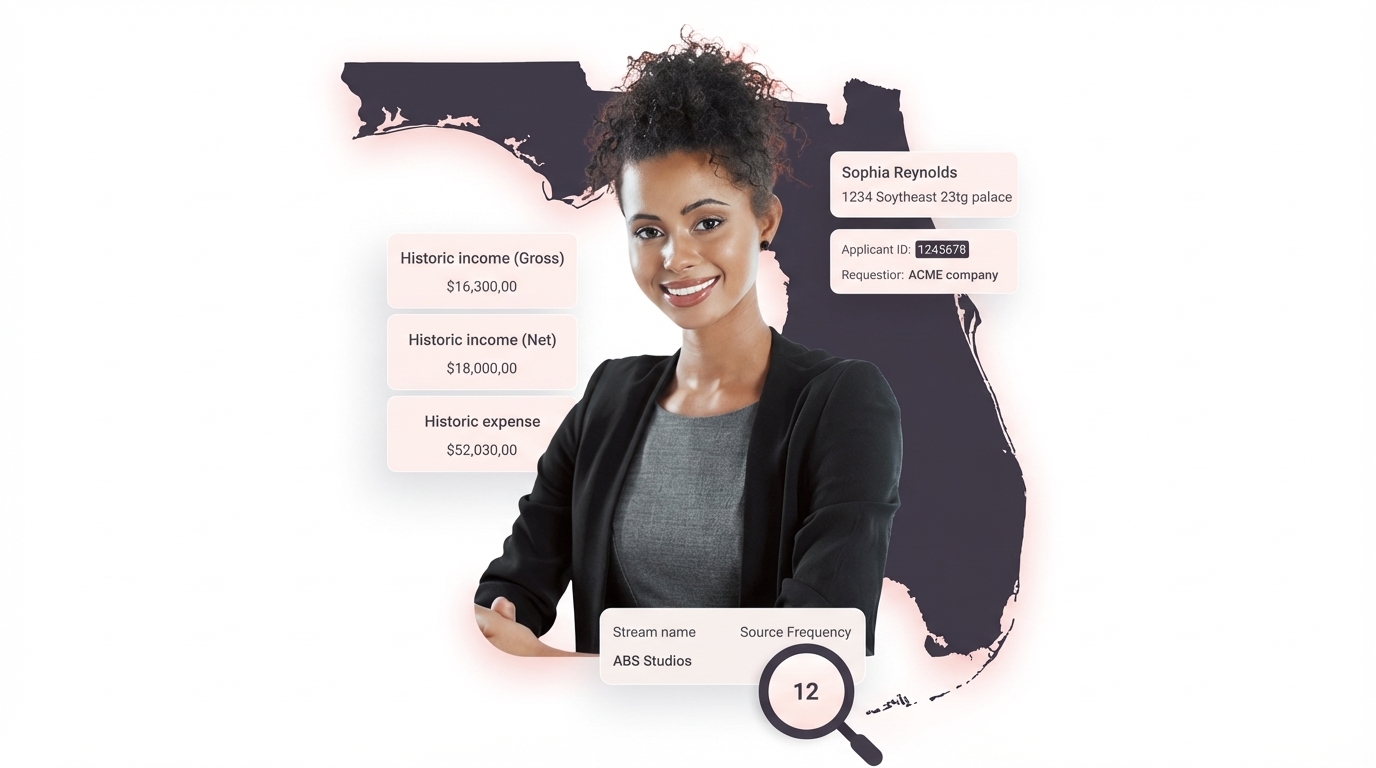
One typical CAM may manage several communities and manually process 20 applications each week. That CAM spends about 2.5 hours per application on document review, follow-ups, and board coordination. This workload equals 50 hours of weekly administrative effort that could shift to higher value tasks and may represent up to $240,000 in annual operational savings for the association.
How Automated Tenant Verification Platforms Solve Florida HOA Challenges
Automated tenant reference verification systems replace manual steps with a unified digital workflow. These platforms shorten approval timelines from days to minutes while supporting consistent compliance and creating new fee-based revenue for associations.
Leading systems deliver roughly 70 percent faster processing, turning 5 to 10 day approval cycles into 5 to 10 minute automated reviews. FCRA-compliant background checks help maintain regulatory alignment, and PCI Level 1 security safeguards sensitive applicant data. Many platforms collect and process application fees automatically, which helps offset staffing and technology costs.
Florida-focused compliance features matter for every HOA and condo association. 2026 Florida legal updates require associations with 100 or more parcels to operate official websites or secure portals for document access, so digital integration now supports both convenience and legal requirements. Custom bylaws configuration keeps screening criteria aligned with each community’s governing documents while staying consistent with state law.
TenantEvaluation serves as an all-in-one platform built specifically for Florida HOAs and condominium associations. The product focuses on community association workflows instead of generic property management tasks. It includes board voting dashboards, revenue-sharing options, and Florida-specific compliance tools that many broad competitors do not provide.
Core Features Florida HOAs Need in Tenant Evaluation Tools
Top tenant evaluation platforms share several core capabilities that separate them from basic background check services. Intelligent form logic adjusts questions based on applicant type, such as tenant, purchaser, or additional resident. This approach collects accurate data, removes irrelevant questions, and speeds up completion.
Automated redaction tools protect sensitive information by using PCI Level 1 compliant systems that strip Social Security numbers, bank details, and other confidential data from uploaded documents. This protection lowers data breach risk while preserving complete audit trails for compliance reviews.
Board dashboards give directors clear visibility and faster decision paths. QuickApprove technology lets board members review AI-generated summaries, open full applicant profiles, and cast votes inside a secure portal. This process replaces long email threads and phone calls with timestamped digital records for every decision.

Community analytics turn application data into practical insights. Property managers can review demographic trends, median rent and purchase prices, and pet ownership statistics. These metrics support decisions about rules, amenities, EV charger installations, and long term planning.
Comprehensive screening bundles ID verification, income validation, and background checks into a single report. SafeCheck+ runs nationwide criminal history searches, and IncomeEv confirms employment directly with employers instead of relying only on self-reported data. These combined services create a 360 degree view of each applicant.
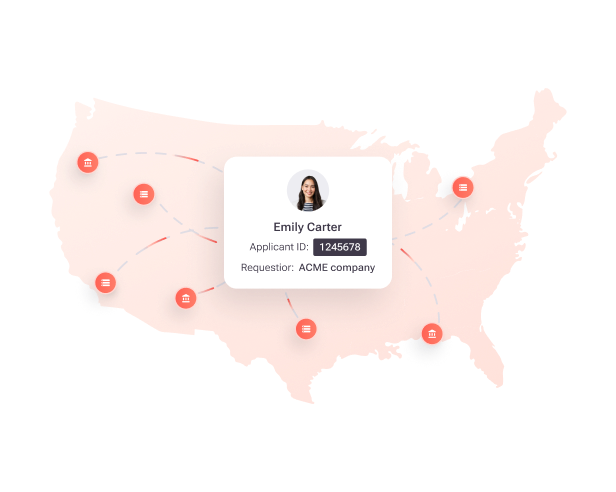
Round the clock multilingual support through AI chat helps applicants and residents in 11 languages, which reflects Florida’s diverse population. This support reduces routine calls and emails for onsite staff. Schedule a demo today to see these capabilities in action.
TenantEvaluation vs Manual Processes and Generic Competitors
Key performance metrics highlight the gap between manual workflows, generic software, and specialized HOA platforms.
|
Feature |
Manual Process |
Generic Competitors |
TenantEvaluation |
|
Processing Time |
5-10 days |
1-3 days |
5-10 minutes |
|
Compliance & ROI |
High risk, high costs |
Subscription fees, compliance risks |
FCRA compliant, revenue-sharing |
|
HOA Specialization |
None |
Generic property management |
Florida-specific, board dashboard |
TenantEvaluation’s pricing and revenue model supports HOA budgets and growth. The platform uses a pay-per-application structure with no upfront subscription fees, unlike tools such as Buildium and AppFolio that rely on monthly contracts. Revenue-sharing aligns TenantEvaluation’s incentives with each community and has generated more than $150 million for clients.
The platform processes over 100,000 applications each year and maintains a 4.8 out of 5 Google rating, which shows consistent performance at scale. Partnerships with RealManage, Castle Group, and FirstService Residential further confirm TenantEvaluation’s enterprise capabilities and trusted market position.
TenantEvaluation focuses on end-to-end resident onboarding tailored to HOA workflows instead of only background checks or broad property management features. This focus supports deeper compliance integration, more precise screening rules, and stronger board engagement tools that many generic platforms cannot match.
Florida HOA Tenant Screening FAQs
What disqualifies a tenant in a Florida HOA?
Serious criminal history often disqualifies applicants, including drug trafficking, burglary, or violent crimes that threaten residents or property. Poor rental history with prior evictions, verified property damage, or repeated disturbances also weighs heavily against approval. HOAs may deny applicants for unverifiable or insufficient income, unpaid assessments, open violations, or incomplete applications. Denials based on race, color, religion, sex, national origin, familial status, or disability violate federal Fair Housing laws and expose associations to legal action.
What is the Florida HOA 5-year rule for violations?
Florida Statute 95.11 sets limitation periods that influence how long certain violations remain relevant in screening decisions. These timeframes control when legal actions may be filed, which means some older violations may no longer serve as valid grounds for denial after a set period. The impact depends on the violation type and the association’s governing documents, so boards should review these limits when defining screening policies.
How can HOAs comply with FCRA during screening?
FCRA compliance starts with written consent before any background check. HOAs must send pre-adverse action notices when they may deny an application based on background information and follow with final adverse action notices that explain dispute rights if they decide to reject the applicant. Associations must use FCRA-compliant screening providers, protect data securely, and share copies of background reports when applicants request them. Automated platforms support these steps with built-in workflows and detailed audit trails.
What role does Florida Statute 90.408 play in HOA screening?
Florida Statute 90.408 governs the admissibility of settlement negotiations and compromise offers in court. In HOA screening, this statute can affect how prior legal settlements or compromise agreements are weighed when reviewing an applicant. Settlement discussions usually remain inadmissible as evidence, which may limit how much influence those negotiations have on final screening decisions.
How does Florida Statute 723 affect tenant evaluation?
Florida Statute 723 covers mobile home parks and affects tenant evaluation in communities that include mobile home components. The statute allows purchasers to become tenants if they meet park rules, requires park owner approval within 5 days before closing, and authorizes screening rules for prospective purchasers. These rules create specific timelines and approval steps that HOAs must follow when evaluating tenants in mobile home park settings.
Conclusion: Modernize Florida HOA Screening with TenantEvaluation in 2026
Manual tenant evaluation now creates avoidable risk, delays, and extra cost for Florida HOAs while leaving revenue on the table. 2026 compliance requirements expand digital transparency mandates, so automated tenant reference verification systems have become a practical requirement for modern community management.
TenantEvaluation addresses the daily challenges CAMs and board members face with 70 percent faster processing, FCRA-compliant screening, PCI Level 1 security, board voting dashboards, and revenue-sharing models that have generated $150 million for communities. Its Florida-focused design supports state compliance while delivering features that generic competitors often lack.
Communities can turn resident onboarding from a time-consuming liability into a reliable revenue source. Schedule a demo today to see how TenantEvaluation can reduce compliance risk, free administrative time, and create new income streams for your association in 2026.