Written by: Luis Teran, Co-founder, CEO, TenantEvaluation | Last updated: September 18, 2026
Key Takeaways
- Screening report accuracy is a board-level risk issue because errors can trigger legal exposure, resident disputes, and reputational damage.
- Each data layer in a report, including credit, eviction, criminal, income, and rental history, carries its own accuracy challenges and blind spots.
- Look-back periods and flagging rules differ by provider, so boards need a clear, written understanding of what each report includes.
- Boards need a documented process to fix inaccurate reports quickly, protect applicants, and keep association decisions compliant and defensible.
- TenantEvaluation focuses on data quality, transparent rules, and fast error resolution so condo boards can rely on every screening decision.
Get Started With TenantEvaluation
The Problem: Screening Report Accuracy As A Board-Level Risk
Screening reports now sit at the center of many condo board decisions, so accuracy directly affects risk, fairness, and compliance. A single incorrect record can lead to a wrongful denial, a discrimination complaint, or a costly legal dispute that pulls the board into the spotlight. Boards that treat screening as a routine checkbox often discover that vendors vary widely in how they collect, match, and interpret data.
Condo communities also operate under a mix of federal, state, and local rules that govern how boards can use background information. Errors in reports can create the appearance of inconsistent treatment, even when the board believes it followed its policies. A clear understanding of how reports are built, where errors appear, and how to respond gives the board a defensible position when decisions are challenged.
Accuracy is not only a legal concern. It also shapes the resident experience and the community’s reputation. Applicants who feel they were treated unfairly often share that story widely, which can affect future buyers and renters. A board that can explain its screening process with confidence sends a strong signal about professionalism and governance.
The Solution: A Per-Data-Layer Accuracy Guide For Condo Boards
Screening reports combine several data layers, and each layer behaves differently from an accuracy standpoint. Credit data, eviction records, criminal records, income verification, and rental history all come from different sources with different error patterns. A board that understands these patterns can ask better questions, choose better vendors, and write clearer policies.
This guide walks through each major data layer and highlights where errors often appear, what those errors mean for your decisions, and what you can do to reduce risk. The goal is not to turn board members into investigators. The goal is to give you a practical checklist so you can evaluate reports quickly and know when to pause, ask questions, or request corrections.
As you review each section, consider how your current vendor handles that data layer and whether your association documents match what actually happens in practice. Small adjustments, such as clarifying look-back periods or tightening identity matching rules, can significantly reduce disputes and appeals.
Credit Data
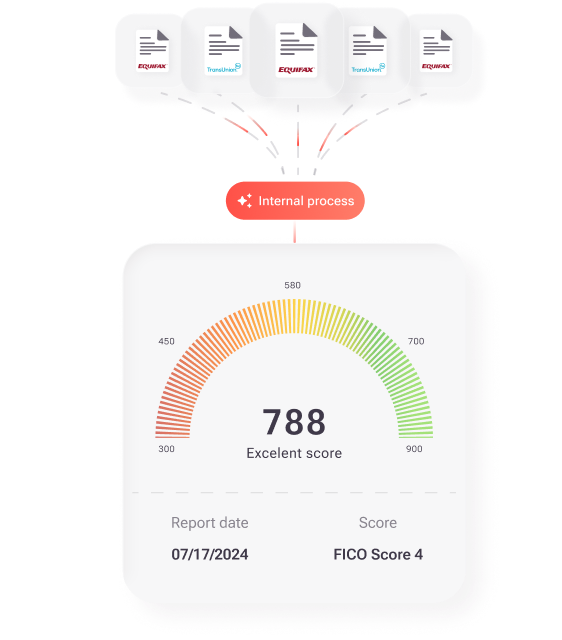
Credit data usually comes from the major credit bureaus, so it is structured and standardized, but it is not perfect. Mismatched identities, outdated balances, and accounts that belong to someone with a similar name can appear on a report. These issues matter because many boards use credit-based criteria, such as minimum scores or limits on open collections, to make approval decisions.
Boards should understand which bureau or bureaus the vendor uses and how often the data refreshes. Some vendors pull a single-bureau file, while others use a tri-merge approach that combines multiple sources. A tri-merge view can surface more information, yet it can also introduce more chances for mismatched data if identity rules are weak.
Credit scores also reflect different models and timeframes. A board that sets a minimum score should know which scoring model appears in the report and whether that model aligns with the association’s risk tolerance. When an applicant disputes a credit item, the board should pause any adverse decision and allow time for the applicant and vendor to investigate.
Eviction Records
Eviction records are often messy because they come from local courts that follow different filing and reporting practices. Many records show only partial information, such as names and case numbers, without clear outcomes. This structure creates a high risk of false matches, especially for applicants with common names or shared addresses.
Boards should ask how the vendor matches eviction records to applicants and what thresholds trigger a match. Strong vendors use multiple identifiers, including full name, date of birth, and address history, before attaching a record to a report. Weaker processes may rely on name-only matches, which can pull in unrelated cases.
It also matters whether the report distinguishes between filed cases, dismissed cases, and judgments. A filing that never resulted in a judgment carries different weight than a completed eviction. Boards should set clear rules that focus on outcomes and recency, not just the presence of any filing.
Criminal Records
Criminal records carry the highest sensitivity and the greatest potential for legal risk. Data often comes from a mix of national databases, state repositories, and county courts, each with its own update schedule and level of detail. Incomplete or outdated records can misrepresent an applicant’s history and create unfair outcomes.
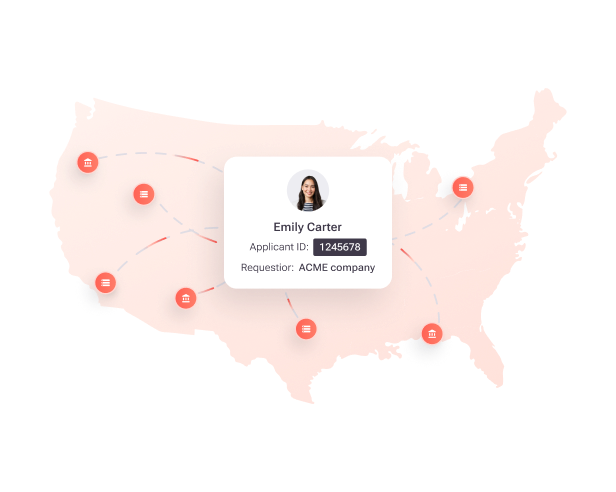
Boards should know whether their vendor relies heavily on instant national databases or confirms records at the county level. Instant databases can miss recent updates or expungements, while county-level checks tend to be more current but may take longer. A balanced approach uses national data as a pointer and then verifies serious hits at the source.
Policies around criminal records should focus on specific types of offenses, look-back periods, and demonstrated patterns of behavior. Many jurisdictions now restrict blanket bans and require individualized assessments. Accurate data and clear documentation help the board show that it considered the nature, severity, and age of any offense before making a decision.
Income And ID Verification
Income and identity verification often depend on documents that applicants provide, which introduces a different type of accuracy risk. Pay stubs, bank statements, and ID cards can be incomplete, outdated, or altered. Vendors that rely only on visual review may miss subtle signs of tampering or misrepresentation.

Boards should understand how their vendor verifies income and identity beyond simple document uploads. Strong processes use automated checks, such as direct payroll connections or bank verification tools, combined with trained reviewers who know how to spot inconsistencies. Clear guidelines on acceptable documents and minimum income ratios also reduce confusion for applicants.

Identity verification protects both the association and the applicant. Accurate ID checks help prevent fraud, reduce the risk of unauthorized occupants, and ensure that any background data truly belongs to the person who applied. When identity cannot be confirmed with confidence, the board should request additional documentation before moving forward.
Rental History And References
Rental history and references provide context that raw data cannot show, yet they also introduce subjectivity. Previous landlords may have incomplete records, personal biases, or limited documentation of past issues. Phone-based verifications can be especially inconsistent if the vendor does not confirm who is actually providing the reference.
Boards should ask how vendors collect and verify rental history. Written verification forms, cross-checks with public records, and validation of landlord ownership all improve accuracy. Simple phone calls without verification create more room for error and misrepresentation.
Clear criteria for what counts as a negative rental reference also matter. Late payments, property damage, and lease violations carry different weights. A structured questionnaire that focuses on specific behaviors helps reduce bias and keeps decisions consistent across applicants.
How Far Back Tenant Screening Reports Typically Go
Look-back periods define how far into an applicant’s past the report will search, and they vary by data type and jurisdiction. Credit reports usually show several years of payment history, with negative items such as collections and bankruptcies following specific timelines set by law. Eviction and criminal records often follow state or local rules that limit how long certain cases can appear in consumer reports.
Boards should request a written summary of look-back periods for each data layer in their screening package. This summary should cover credit, eviction, criminal, and rental history, along with any local restrictions that apply to the property’s location. Without this clarity, board members may assume that reports are more comprehensive than they actually are.
Clear look-back rules also support fair and consistent decisions. When the board knows that certain older records never appear, it can focus on recent behavior and current risk. Applicants benefit as well because they can understand how their past will be evaluated and what information the board will see.
What Gets Flagged On A Background Check And How Boards Should Respond
Background checks highlight specific items that match the vendor’s criteria, such as certain criminal offenses, eviction judgments, or serious credit issues. These flags guide the board’s attention, yet they do not replace judgment. A flagged item signals that the board should review the details, not that it must automatically deny the application.
Boards should align their internal criteria with the vendor’s flagging rules. If the association policy treats certain offenses or credit events differently, the vendor should configure the report to reflect those priorities. Misalignment between flags and policy can lead to inconsistent decisions and confusion among board members.
When a report flags an item, the board should follow a documented review process. That process might include confirming the accuracy of the record, considering the age and severity of the issue, and allowing the applicant to provide context or supporting documents. A structured approach reduces bias and helps the board explain its reasoning if a decision is later challenged.
What To Do When A Condo Screening Report Is Wrong
Errors in screening reports are frustrating for applicants and risky for boards, so a clear correction process is essential. When an applicant disputes information, the board should pause any adverse action and direct the applicant to the vendor’s dispute channel. This step protects the association from acting on data that may later prove inaccurate.
Boards should know how their vendor handles disputes, including typical timelines and required documentation. Strong vendors investigate with the original data sources, update the report when needed, and notify both the applicant and the association of the outcome. Transparent communication keeps everyone aligned and reduces tension during the review.
Associations can also document how they handle decisions that relied on incorrect information. If a denial occurred based on an error, the board should have a process to revisit that decision and, when appropriate, offer a new review. This practice supports fairness and strengthens the association’s position if regulators or courts later examine its actions.
How To Evaluate A Screening Vendor’s Accuracy Practices
Vendor selection has a direct impact on the quality and reliability of every screening report the board receives. Boards should evaluate not only price and turnaround time, but also how the vendor sources data, matches identities, and handles disputes. A vendor that invests in data quality reduces the board’s exposure to avoidable errors.
Key questions include which data sources the vendor uses, how often those sources update, and what matching rules apply for each data layer. Boards should also ask about quality control processes, such as manual reviews for complex cases and audits of false positives or false negatives. Written policies and clear documentation signal a mature approach to accuracy.
Support and transparency matter as much as technology. Vendors that provide training, sample reports, and clear explanations help board members interpret results correctly. When a complex case arises, responsive support gives the board confidence that it can reach a knowledgeable person who understands both the data and the regulatory environment.
Why TenantEvaluation Delivers Higher Accuracy For Condo Screening
TenantEvaluation focuses specifically on condo and association screening, so its workflows and data checks align with board needs. The platform uses multiple data sources for each layer, along with strict identity matching rules, to reduce the risk of attaching the wrong record to the wrong applicant. This structure helps boards rely on the information they see when making approval decisions.
The system also emphasizes transparency around look-back periods, flagging criteria, and decision support. Boards can see how each data point entered the report and how it relates to the association’s documented policies. Clear explanations reduce confusion during meetings and make it easier to communicate decisions to applicants.
When applicants dispute information, TenantEvaluation provides a defined process for investigation and correction. Fast, documented resolution protects both the applicant and the association, while also preserving trust in the screening process. Boards gain a partner that treats accuracy as a shared responsibility rather than a hidden technical detail.
Talk To TenantEvaluation About Condo Screening
Frequently Asked Questions (FAQ)
Is Tenant Screening Legit?
Tenant screening is a legitimate and widely used practice when it follows consumer protection laws and fair housing rules. Boards and vendors must comply with regulations such as the Fair Credit Reporting Act, which governs how consumer reports are collected, used, and corrected. When handled properly, screening helps protect the community while giving applicants a clear, consistent process.
What Are Red Flags On Rental History Reports?
Common red flags on rental history reports include repeated late payments, unpaid balances, documented property damage, and serious lease violations. Sudden gaps in rental history or unverifiable landlord references can also signal potential issues that deserve closer review. Boards should evaluate these red flags in context and follow their written criteria rather than reacting to any single item in isolation.
Can A Condo Board Deny An Applicant Based On A Screening Report?
A condo board can deny an applicant based on a screening report when the decision follows applicable laws and the association’s documented policies. The board must apply its criteria consistently, avoid discriminatory practices, and provide required notices when it takes adverse action based on a consumer report. Clear documentation of the reasons for denial and the information used supports transparency and legal compliance.
Conclusion: Choosing A Screening Partner Your Board Can Defend
Condo boards rely on screening reports to make high-impact decisions, so accuracy becomes a core part of responsible governance. Each data layer, from credit to criminal records, introduces specific risks that the board can manage with the right questions, policies, and vendor support. When reports are clear, accurate, and well-documented, board members can stand behind their decisions with confidence.
TenantEvaluation aligns its screening process with the realities of condo board decision-making, focusing on reliable data, transparent criteria, and responsive dispute handling. This approach reduces avoidable errors and helps the association treat every applicant fairly. By choosing a partner that treats accuracy as a shared priority, your board strengthens both its legal position and its reputation with current and future residents.
