Written by: Luis Teran, Co-founder, CEO, TenantEvaluation
Key Takeaways
- Florida HOAs in 2026 operate in a detailed legal environment, so consistent, well-documented screening policies reduce risk and support fair housing compliance.
- End-to-end digital screening that includes background checks, income and identity verification, and board workflows shortens approval times and improves accuracy.
- Reusable reports under Florida HB 43 offer cost savings for applicants, but HOAs still need strong verification processes to protect against fraud and outdated data.
- Secure data practices, clear audit trails, and community analytics help associations protect applicant information while improving decisions that affect property values.
- Tenant Evaluation provides Florida-focused digital tools that help HOAs manage screening, board approvals, and compliance; get started with Tenant Evaluation here.
Why Robust Tenant Evaluation is Crucial for Florida HOAs
Florida’s regulatory environment in 2026 makes structured tenant screening essential for HOAs. Manual, paper-based screening often takes weeks, raises legal exposure, and creates more work for staff. These delays can cause move-in issues and frustrate both owners and applicants.
The impact of weak screening shows up in legal fees, property damage claims, community disputes, and downward pressure on property values. Florida Statutes Chapters 718, 720, and 83 set specific obligations for disclosures, background screening, and anti-discrimination rules, so informal or inconsistent screening practices can quickly become costly.
Florida HOAs also operate under strict timelines and fair housing requirements. Manual tracking of these rules increases the chance of missed deadlines or inconsistent decisions, which in turn increases the risk of legal challenges.
Florida Laws That Shape HOA Tenant Screening
Florida Statutes Chapter 720 applies to homeowner associations and Chapter 718 covers condominiums, including timelines, disclosures, and anti-discrimination standards. These state laws work with the federal Fair Housing Act and the Florida Fair Housing Act to define how HOAs must screen applicants.
Statewide rental law updates in 2025 began to standardize many landlord-tenant rules across Florida, so associations now face more consistent but detailed requirements. Screening criteria, timelines, and notices need regular review to stay aligned with these changes.
Florida HB 43 (2025) allows, but does not require, HOAs to accept reusable screening reports that include credit, criminal history, rental history, and employment verification. HOAs cannot charge extra application fees for these compliant reports, yet they may still confirm accuracy and check for tampering.
Questions continue around HOA authority to charge rental fees and require background checks, and boards must weigh community goals against these legal limits when reviewing tenants and new owners.
Key Criteria for Effective HOA Tenant Evaluation Screening
Comprehensive Background Checks (SafeCheck+)
Background checks that use nationwide and global sources, including criminal records, sex offender registries, FBI lists, and international databases, provide a broader risk picture than local searches alone. This wider view helps HOAs identify issues that a county-only search would miss.
Income Verification (IncomeEV)
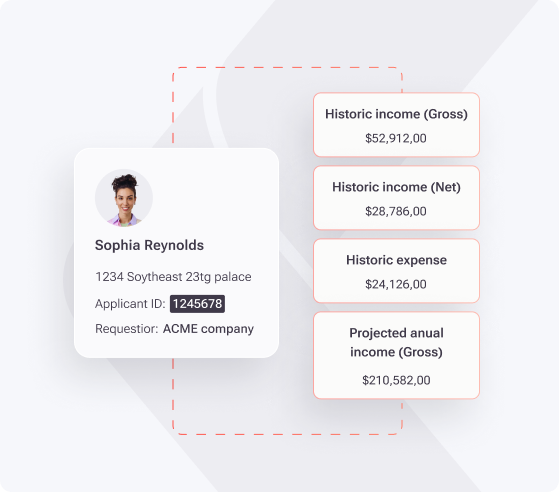
Income verification that includes direct employer confirmation and document review reduces the risk of income fraud and nonpayment. Reliable data on wages and employment status helps boards decide whether applicants can meet assessments and other financial obligations.
References
References from prior landlords, rental history, and personal contacts reveal patterns in behavior, communication, and payment habits. Consistent feedback from past communities often predicts how an applicant will fit within HOA rules and culture.
Identity Verification (IDVerify)
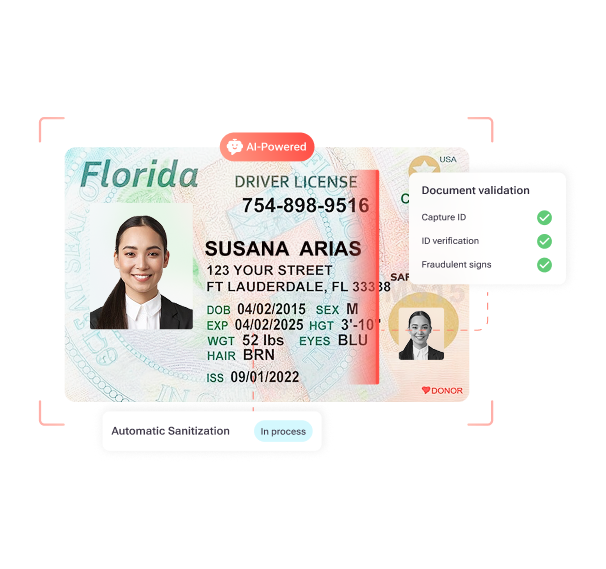
Identity checks protect against fraud and identity theft. Matching IDs to applicant data and device information, and storing only redacted copies, protects both the association and legitimate applicants.
Rule Compliance Systems
Clear acknowledgement of HOA rules, documented acceptance, and tracking of prior violations where available help the board evaluate rule awareness and likely future compliance.
Digital Platforms
An integrated online system for applications, screening, communication, and document storage reduces errors and creates a single record of each file. Digital logs also support consistent decision-making.
Board Workflow Tools (QuickApprove)
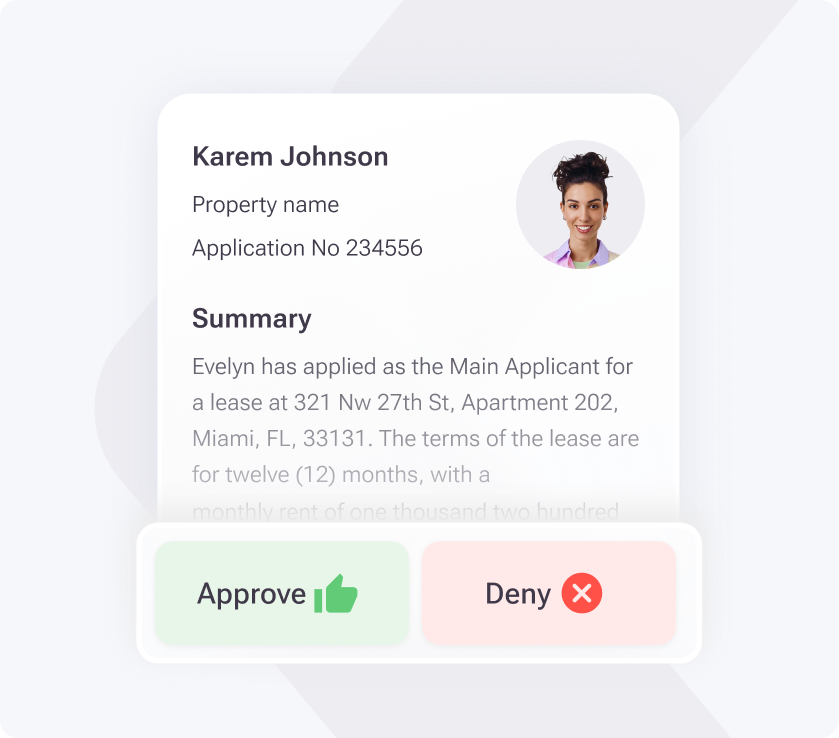
Board dashboards that summarize each application, show key risk indicators, and capture votes in real time reduce delays and email chains. These tools help board members focus on decisions rather than document management.
Building a Robust Tenant Evaluation Process for Your HOA
Developing Consistent Screening Policies
Well-structured HOA rules from creation through enforcement help make decisions legally defensible. Written criteria, clear approval timelines, and documented appeal processes support fair treatment and reduce disputes.
Utilizing All-in-One Digital Platforms
Integrated screening tools that connect background checks, income verification, references, identity checks, and board reviews into one workflow reduce gaps and manual errors. One login and a unified record also make staff training easier.
Streamlining Board Review with Dedicated Tools
Board-specific dashboards, standardized summaries, and structured voting features shorten review cycles while maintaining oversight. Transparent logs of each decision also support future audits.
Ensuring Data Security and Compliance
Strong applicant data protection reduces legal and reputational risk. Useful safeguards include:
- Automatic redaction of Social Security numbers and other PII
- PCI Level 1 controls for payment data
- End-to-end encryption for stored and transmitted records
- Role-based access and detailed activity logs
Leveraging Community Analytics
Data on application volumes, approval rates, common denial reasons, and resident trends helps boards adjust policies and staffing. Better information supports long-term planning and may contribute to higher property values.
Common Challenges and Pitfalls in HOA Tenant Evaluation
Administrative Burden
Manual processes often result in incomplete files, frequent status calls, and long processing times. Staff and volunteers spend more time chasing paperwork than reviewing risk.
Compliance Risks
Failure to follow Florida tenant screening laws can lead to fines and legal action. Inconsistent standards, undocumented decisions, or discriminatory effects increase exposure.
Security Concerns
Paper files and unsecured email create privacy risks and lack clear audit trails. Breaches of sensitive data can trigger costly responses and erode trust.
Inefficient Board Approval
Slow board responses, unclear responsibilities, and scattered documents delay move-ins and frustrate owners. These delays can also cause lost rental income.
Adapting to Evolving Laws
Frequent changes in Florida rental and HOA law require ongoing monitoring. Policies and forms that stay unchanged for years can drift out of compliance.
Accuracy and Freshness of Reusable Reports
Reusable reports raise questions around how recent the data is, the risk of tampering, and how to fit them into existing processes. HOAs need verification steps and clear rules for how long reports remain acceptable.
Best Practices and Emerging Standards for HOA Tenant Evaluation
Adopting an End-to-End Digital Solution
Platforms that connect application intake, screening, communication, and board approvals into one flow reduce handoffs and miscommunication. Centralized data also simplifies reporting to the board and legal counsel.
Customized Screening Criteria
Configuration that reflects each community’s governing documents, occupancy limits, and Florida’s statutes allows HOAs to apply consistent rules while respecting local needs.
Advanced Fraud Detection
Tools such as IDVerify and IncomeEV help catch altered pay stubs, fake IDs, and mismatched identities before move-in, which protects the community’s financial and physical safety.
Multi-Language Support
Support for multiple languages and rapid updates to reflect new Florida rules makes screening more accessible and current. This approach promotes fair access for qualified applicants.
Strong Audit Trails
Detailed logs showing who reviewed what, when, and why provide important documentation if an applicant challenges a decision or if regulators review association practices.
Focus on Community Harmony
Associations that use structured screening often see fewer rule violations and disputes. Stable, well-screened residency bases support safer communities and more predictable budgets.
Comparing Tenant Evaluation Solutions: Tenant Evaluation vs. Traditional Methods
|
Feature |
Tenant Evaluation |
Traditional Manual Process |
Generic Property Mgmt Software |
|
Compliance |
Florida-specific, auto-updates for regulations |
High risk of non-compliance, inconsistent |
General compliance, not Florida-specific |
|
Efficiency |
Automated, digital (70% time reduction) |
Manual, paper-based, weeks of delays |
Some automation, often siloed |
|
Board Involvement |
QuickApprove dashboard, real-time voting |
Email chains, manual document distribution |
Limited, no dedicated board portal |
|
Data Security |
PCI Level 1, auto-redaction, end-to-end encryption |
High risk of data breaches, insecure storage |
Variable, often lacks advanced features |
Conclusion: Empowering Your HOA with Smart Tenant Evaluation
Effective tenant evaluation now functions as a core governance tool for Florida HOAs in 2026. Robust screening systems help prevent legal disputes, damage claims, and unnecessary management workload.
Boards that move from manual or generic tools to Florida-focused digital screening gain better compliance control, faster approvals, and clearer records. These improvements support community stability and long-term property value.
Frequently Asked Questions (FAQ) about HOA Tenant Evaluation in Florida
What are the key Florida statutes governing tenant evaluation screening for HOAs?
Florida Statutes Chapter 720 for homeowner associations, Chapter 718 for condominiums, and Chapter 83 for landlord-tenant issues set rules on timelines, disclosures, and screening. These statutes, together with federal and state fair housing laws, define how HOAs may collect information, make decisions, and communicate denials. Regular legal reviews help associations stay aligned with updates.
How does Florida’s HB 43 (2025) impact HOA tenant screening and reusable reports?
Florida HB 43 allows HOAs to accept reusable screening reports that include credit, criminal, rental, and employment details, but it does not require acceptance. Associations may not charge additional application fees for compliant reusable reports, yet they can still verify information and check for tampering. HOAs that choose to accept these reports need written standards on acceptable report age and verification steps.
What are the consequences of non-compliance with Florida and federal fair housing laws in HOA tenant evaluation?
Non-compliance with federal or Florida fair housing laws can result in fines, legal fees, reputational harm, and required changes to policies and training. Associations must apply screening criteria consistently, document reasons for denials, and avoid decisions based on protected characteristics. Poor practices can also increase insurance costs or limit coverage options.
How can HOAs balance efficient tenant evaluation with respect for applicant privacy and data security?
HOAs can use secure digital platforms that provide automatic redaction, end-to-end encryption, and PCI Level 1 protections. Written consent forms, clear retention schedules, role-based access, and audit logs support responsible data handling. Ongoing staff training and an incident response plan further protect applicant information.
What screening criteria should Florida HOAs prioritize to ensure effective tenant evaluation?
Florida HOAs benefit from a mix of comprehensive background checks, direct employment and income verification, landlord and personal references, secure identity verification, rule-compliance acknowledgments, integrated digital workflows, and structured board review tools. Consistent application of these criteria, backed by documentation, supports fair decisions and improves legal defensibility.
