
Key Takeaways
- Florida condos and HOAs face unique legal, operational, and approval requirements that generic tenant screening tools often fail to support.
- Platforms that align with Florida statutes, protect sensitive data, and streamline board approvals help reduce risk and administrative workload.
- Dedicated board dashboards, automated workflows, and integrated screening tools create faster, more consistent decisions for associations.
- Revenue-sharing models and automated fee collection can turn resident screening into a predictable income stream for communities.
- Tenant Evaluation offers a Florida-focused platform that supports compliance, automation, and board collaboration; learn more or schedule a demo at Tenant Evaluation’s get started page.
Why Generic Tenant Screening Falls Short for Florida Condos and HOAs
Florida condos and HOAs operate under a dense mix of state statutes, local rules, and community bylaws. Generic tenant screening platforms rarely mirror these realities, so many associations end up forcing their processes into tools built for standard rentals.
Community Association Managers in Florida often juggle separate systems for applications, background checks, document collection, and board approvals. That fragmentation increases the risk of missed steps, inconsistent screening, and slower move-in timelines.
Generic platforms can also raise compliance concerns. Inadequate data security, limited redaction tools, and rigid workflows make it harder to protect personal information and follow each community’s unique approval rules.
Most importantly, many national systems cannot adapt to the wide range of Florida bylaws, including rules for credit scores, income, pets, age restrictions, interviews, and guest or occupant approvals. One template for every property type usually means more manual work and more room for error.
Key Criteria for Choosing a Tenant Evaluation Platform in Florida
Clear criteria help boards and managers select a platform that fits both legal requirements and daily operations.
Florida-specific compliance and customization should sit at the top of the list. Your platform should:
- Support Florida condo and HOA regulations and common approval practices
- Allow community-level rules for credit, income, background checks, and documents
- Match your bylaws, including custom questions, forms, and workflows
Security and data protection need equal weight. Look for:
- PCI Level 1 compliant payment processing
- End-to-end encryption of sensitive data
- Automatic redaction of personal identifiable information in stored documents
Board integration remains critical in 2026 for Florida communities. Helpful capabilities include:
- Dedicated dashboards for boards and committees
- Clear voting panels and audit trails for every decision
- Centralized access to application summaries and documents
An all-in-one digital platform reduces the number of tools your team must manage. Ideal systems combine:
- Online applications and document uploads
- Background and income screening
- Automated notifications, approvals, and status updates
Revenue generation can also support long-term budgets. Platforms that automate application fees and offer revenue-sharing help associations capture consistent income from an existing process.
Managers and board members who want to evaluate these capabilities in more depth can request a walkthrough at Tenant Evaluation’s get started page.
Head-to-Head: Tenant Evaluation vs. Buildium for Florida Condos and HOAs
Many Florida communities compare general property management platforms with specialized association tools. The table below highlights how Tenant Evaluation and Buildium align with the needs of condos and HOAs in Florida.
Comparison Table: Tenant Evaluation Platforms for Florida Condos and HOAs
|
Feature/Criterion |
Tenant Evaluation |
Buildium |
|
Designed for Florida Condos/HOAs |
Yes, purpose-built for Florida associations |
Partial, general property management focus |
|
All-in-One Digital Platform |
Integrated applications, documents, and screening |
Property management with basic screening |
|
Board of Directors Dashboard |
QuickApprove dedicated board interface |
Not specified |
|
Automated Document Redaction |
Automatic PII redaction and encryption |
Basic document storage |
|
Florida-Specific Customization |
Custom rules and workflows for Florida communities |
General customization options |
|
24/7 Multilingual Support |
AI chat support in 11 languages |
Business hours support |
|
Revenue Sharing Model |
Automated fee collection with revenue sharing |
Standard software licensing |
|
Comprehensive Screening Suite |
IDverify, IncomeEV, SafeCheck+ |
Basic screening options |
General platforms may appear simpler at first glance, yet many associations later add manual steps or extra tools to cover gaps in board approvals, Florida-specific rules, and secure document handling.
Tenant Evaluation: A Florida-Focused Platform for Condos and HOAs
Tenant Evaluation launched in 2007 with a focus on Florida associations. The platform processes more than 100,000 applications per year and has helped communities generate about 150 million dollars in revenue while maintaining a strong Google rating.
QuickApprove: Faster, Clearer Board Decisions
QuickApprove gives board members a single dashboard for every application. Members can review summaries, see key documents, cast votes, and view the full decision history from any device.

Boards that move from email threads and printed packets to QuickApprove often shorten approval timelines and reduce confusion about who viewed or voted on each file.
Florida-Specific Customization and Bylaw Alignment
Each Florida community can configure its own rules within Tenant Evaluation. Associations can set minimum credit and income standards, define required documents, add custom questions, and create approval paths that match their bylaws.
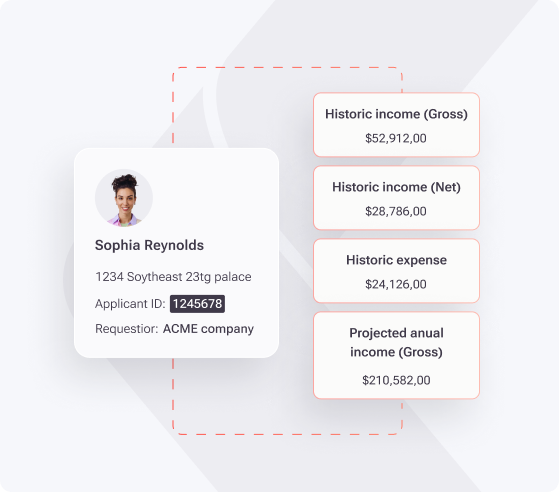
These options help managers apply rules consistently while keeping the process aligned with Florida statutes and each community’s governing documents.
Automated Workflows and Revenue Generation
Tenant Evaluation automates routine steps such as reminders for missing documents, status notifications, and routing to the correct reviewers. Many communities recapture dozens of staff hours per month and reduce back-and-forth with applicants.
Application fees flow through the platform, and revenue-sharing models allow associations to retain a portion of this income. That structure turns a mandatory process into a predictable line item in the budget.
Security, Support, and Multilingual Access
Tenant Evaluation meets PCI Level 1 standards, uses end-to-end encryption, and applies automated redaction to sensitive information. These controls support privacy requirements and help reduce exposure during audits or disputes.
The AI-powered support team operates around the clock in 11 languages, which aligns well with Florida’s multilingual population and helps applicants complete forms without confusion or delay.
Comprehensive Resident Screening for a Complete View
Tenant Evaluation offers an integrated suite of screening tools. IDverify checks document authenticity, IncomeEV validates stated income against reliable sources, and SafeCheck+ supports nationwide criminal background screening.
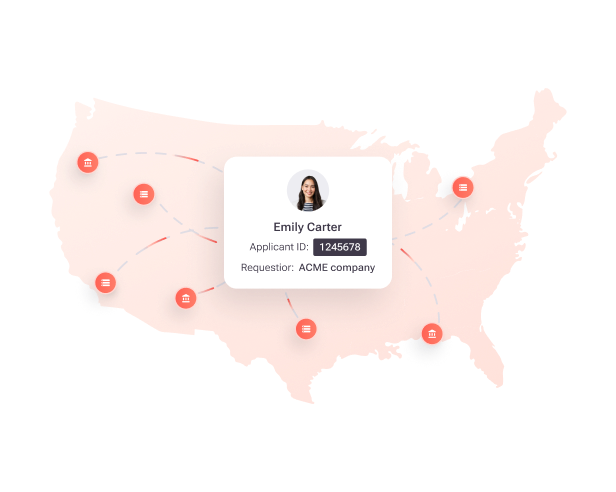
This combination gives boards a fuller picture of each applicant while following FCRA guidelines for consumer reporting.
Community leaders who want to see these tools in action can request a live demo at Tenant Evaluation’s get started page.
Decision Framework: Matching a Platform to Your Community
Every association balances different priorities. A simple framework helps clarify which platform features matter most.
- Communities with complex bylaws and detailed approval rules benefit from deep customization, Florida expertise, and flexible workflows.
- Associations that rely heavily on board or committee approvals gain value from dedicated dashboards, voting tools, and full audit trails.
- Communities with lean staffing or high application volume often prioritize automation, clear communication, and revenue-sharing models.
Listing these priorities before evaluating vendors gives boards a structured way to compare options and document their selection process.
Frequently Asked Questions about Florida Tenant Evaluation Platforms
What Florida-specific regulations should HOAs and condos keep in mind?
Florida associations need platforms that support compliance with the Fair Credit Reporting Act, state privacy rules, and association statutes. Tools should help enforce bylaws on approvals, recordkeeping, and document retention while protecting personal data.
How can a specialized platform lower litigation or non-compliance risk?
Specialized systems apply screening criteria the same way for every applicant, track decisions in detailed logs, and secure sensitive information. That consistency makes it easier to demonstrate fair processes and proper handling of consumer reports if a dispute arises.
Do these platforms create extra work for managers and boards?
New software always requires some training, yet well-designed association platforms usually offset that effort quickly. Automated document collection, clear status tracking, and centralized approvals often reduce emails, calls, and manual follow-up within the first weeks.
How do modern platforms support multilingual communities in Florida?
Advanced systems provide multilingual interfaces, translated instructions, and live or AI-based support in multiple languages. These features help applicants complete forms correctly and support fair access for residents who speak Spanish, Portuguese, Haitian Creole, or other languages common in Florida.
Conclusion: Choose a Platform That Fits Florida Association Realities
Resident screening now plays a central role in how Florida condos and HOAs manage risk, finances, and community standards. Generic rental tools rarely reflect the approval processes, legal obligations, and board dynamics that define association life in this state.
Tenant Evaluation offers a Florida-focused alternative that blends automation, strong security, bylaw-level customization, and clear support for board decisions. Communities that adopt a platform tailored to their environment can improve compliance, reduce friction for applicants, and create more predictable income from existing fees.
Associations that want to move beyond manual processes and generic tools can explore their options and request a tailored demo at Tenant Evaluation’s get started page.