
Key Takeaways
- Florida HOAs and condos reduce risk when they follow clear, written screening policies that match state and federal requirements.
- Consistent, objective screening criteria and documented decisions help protect associations from Fair Housing and FCRA violations.
- Automated platforms that handle applications, documents, background checks, and approvals cut hours of manual work and lower administrative costs.
- Data security, rule customization, and multilingual support improve both compliance and the applicant experience across diverse communities.
- Tenant Evaluation offers an all-in-one screening platform for Florida associations; schedule a demo to see how it can support your HOA or condo.
The Critical Need for Robust Tenant Background Checks in Florida HOAs/Condos
Florida HOAs and condominium associations face higher expectations around safety, fairness, and legal compliance in 2026. Weak or inconsistent screening exposes boards and managers to safety incidents, disputes, and financial loss that can affect property values and community stability.
Manual reviews, email chains, and paper files often consume many staff hours on application review, document collection, and applicant communication. These inefficiencies delay move-ins, frustrate owners, and increase labor costs for management companies.
Board members also carry growing liability if screening practices conflict with the Fair Credit Reporting Act, Fair Housing laws, or state rules. Clear processes, objective criteria, and modern technology reduce this risk and create a predictable, documented approval path.
8 Essential Practices for Compliant & Efficient HOA/Condo Tenant Background Checks in 2026
1. Master Florida’s Evolving Legal Landscape for Consent and Disclosure
Proper consent forms sit at the center of lawful screening. Florida requires signed applicant consent for credit and criminal checks that align with FCRA and state housing laws, along with clear disclosure of what will be reviewed and how results affect decisions.
State guidance allows denials for certain recent felonies and serious offenses, but prohibits blanket bans on anyone with a record. Legal counsel should periodically review consent language and adverse action notices so associations stay aligned with current rules and apply criteria consistently.
2. Implement Consistent, Objective Screening Criteria Across All Applications
Clear written criteria reduce bias and support Fair Housing compliance. HOA rules that require background checks remain enforceable when they do not conflict with local ordinances or discriminate against protected classes.
Florida protects residents based on race, color, religion, sex, national origin, disability, familial status, age, and marital status. Screening policies should focus on tenancy factors such as:
- Minimum income, often at least three times the monthly assessment or rent
- Reasonable credit score ranges and payment history
- Eviction and criminal history evaluation aligned with documented rules
Regular training for staff and board members helps ensure the same standards apply to every applicant.
3. Use Technology for Automated Document Collection and Verification
Digital application systems reduce manual data entry, missing documents, and back-and-forth emails. Smart forms can require executed leases, valid identification, and community-specific documents before applicants submit.
Automated reminders and status updates keep applicants, owners, and realtors informed without extra calls or emails. Management companies often recover substantial staff time and lower costs when they replace paper-based workflows with structured online processes.
4. Go Beyond Basic Checks with ID and Income Verification
Comprehensive screening improves safety and financial stability. Criminal records appear for an estimated 28 percent of applicants, so boards benefit from a complete view of each resident profile.
Effective screening programs typically include:
- Robust ID verification and fraud detection
- Employment and income verification with direct validation
- Credit checks for payment behavior and debt load
- Nationwide criminal and offenses registry searches
- Eviction history and prior landlord references

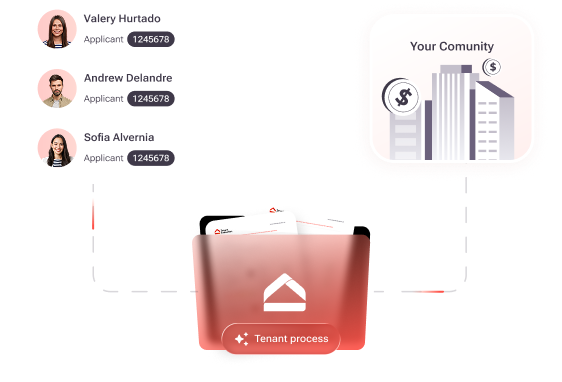
Boards that prefer a single, integrated process can use platforms such as Tenant Evaluation to manage all of these checks in one place. Schedule a demo to see how Tenant Evaluation supports ID, income, and background verification for Florida communities.
5. Protect Applicant Data with PCI Level 1 Security and Redaction
Secure handling of personal data limits liability and builds trust. Screening platforms should meet PCI Level 1 standards, use end-to-end encryption, and restrict access to sensitive fields.
Automated redaction of details such as Social Security numbers and bank account information helps staff review documents without seeing unnecessary data. Systems that log who accessed which records and when provide a clear audit trail for privacy compliance.
6. Streamline Board Approvals with Dedicated Dashboards
Boards often experience delays when they rely on email threads and attachments for decisions. Centralized dashboards give directors a single view of applicant profiles, key risk indicators, and pending actions.
Features that support faster, documented approvals include:
- AI-generated applicant summaries with clear flags and highlights
- Electronic voting panels with time-stamped decisions
- Real-time status updates for management and owners
These tools shorten approval timelines, reduce confusion, and create consistent records for future reference.
7. Customize Rules for Florida Regulations and Community Standards
Florida communities benefit from platforms that match state laws and local bylaws. HB 913 requires active CAM licenses with verified background checks and competitive bids for larger contracts, so systems must support these checks and thresholds.
Custom rule engines let associations set different workflows for tenants, purchasers, and additional residents. They also help communities reflect their own documents, age restrictions, and screening policies while applying them consistently.
From January 1, 2025, Florida HOAs with at least 100 parcels must maintain a website with governing documents, which illustrates how quickly requirements evolve. Flexible platforms adapt to new rules without full process redesigns.
8. Offer 24/7 Multilingual Support for Applicants and Managers
Clear communication reduces errors, delays, and frustration. AI-powered support tools that operate at all hours in multiple languages give Florida’s diverse residents guidance on forms, uploads, and requirements.
Support in 11 languages helps applicants understand each step and reduces incomplete submissions. Automated answers for common questions allow CAMs and front-desk staff to focus on complex issues instead of routine status checks.
Frequently Asked Questions About HOA and Condo Tenant Screening in Florida
1. Do HOAs in Florida need signed consent for background checks?
Yes. Associations must obtain signed consent before running credit or criminal checks, and the form should explain what data will be collected, how it will be used, and how it affects approvals.
2. Can an HOA have blanket bans on applicants with criminal records in Florida?
No. Blanket bans conflict with fair housing guidance. Associations may consider recent felonies and serious offenses, but they should evaluate circumstances, timing, and relevance to community safety.
3. Are there limits on application fees for HOAs in Florida?
Florida law does not set a strict cap, but fees should reflect actual screening and administrative costs, often in the range of 20 to 50 dollars. Excessive fees can deter qualified applicants and raise legal concerns.
4. How can HOAs ensure their screening criteria are non-discriminatory?
Boards should rely on documented, objective standards for income, credit, rental history, and relevant criminal history. All materials and interviews must avoid questions tied to protected classes such as race, religion, disability, age, familial status, and national origin.
5. What documentation should HOAs maintain for compliance audits?
Associations should retain written screening policies, consent forms, application records, background reports, and decision notes that show how criteria were applied. Digital platforms that create automatic audit trails simplify recordkeeping and future reviews.
Conclusion: Securing Your Community with Smart Tenant Background Checks
Florida HOAs and condos strengthen their communities when they combine clear policies, rigorous screening, and secure technology. The eight practices in this guide provide a framework for safer, more predictable, and more compliant resident approvals in 2026.
Associations that automate routine tasks, protect applicant data, and give boards transparent decision tools reduce liability while improving the experience for owners and residents. These measures support stable occupancy, fewer disputes, and more confident governance.
Tenant Evaluation helps Florida associations manage applications, background checks, and approvals in one compliant system. Schedule a demo to see how Tenant Evaluation can support your community’s screening process in 2026 and beyond.