
Faster tenant approvals matter for Florida condominium and homeowner associations. Quick background check turnaround times cut administrative hassle, ensure compliance with regulations, and prevent revenue loss from empty units.
This guide breaks down seven main factors that influence these timelines and offers practical tips to speed up the process for your community.
Why Fast Tenant Background Checks Matter for FL HOAs
Delays in tenant background checks create real problems for Community Association Managers and HOA or Condo Boards in Florida’s competitive real estate landscape. Slow approvals frustrate potential residents and realtors, while vacant units mean lost income for the association. Knowing what affects screening speed helps you make quicker decisions that benefit everyone in the community.
Vacant units cost money every day they sit empty. Lost application fees or delayed assessments add up fast, especially for associations managing multiple properties. Over time, these losses can strain budgets and limit funds for amenities or maintenance.
Besides finances, slow approvals disrupt operations. Property managers spend extra time on follow-ups and document reviews. Board members struggle to keep up with application volume. Meanwhile, applicants and realtors grow impatient with unclear timelines, which can harm your community’s reputation.
What Slows Down Tenant Background Checks: Tips to Speed Things Up
1. How Quickly Applicants Provide Complete Information
The biggest factor in turnaround time is the applicant. Incomplete forms, missing documents, or slow responses to requests can delay the process by days. Many manual systems depend on repeated communication, which only adds to the frustration.
Manual checks often take days, while automated systems can produce reports in minutes if applications are complete. To improve speed, use platforms with smart forms and real-time validation to catch errors upfront. Clear instructions and mobile-friendly options also help applicants submit everything faster. Automated reminders for missing items guide them on acceptable formats, making the initial step smoother.
2. How Detailed the Background Check Needs to Be
A simple credit and criminal check takes less time than a full screening with eviction history, income verification, or landlord references. Each added check means more data sources to review, which can extend the timeline.
Electronic checks for credit or criminal records often return results in hours. However, verifying employment or rental history can take 2 to 5 days due to human involvement. To balance thoroughness with speed, define clear screening criteria based on your community’s bylaws. Focus only on essential information to avoid unnecessary delays.
See how TenantEvaluation can refine your screening process with tailored tools. Schedule a demo now.
3. How Fast Third Parties Respond to Verification Requests
A big part of the wait comes from third parties like employers or past landlords. Their response times for income or rental history checks often lie outside the control of managers or screening services, causing unavoidable delays.
Delays from credit bureaus or landlord references can stretch timelines by days, especially if follow-ups are needed. To help, provide applicants with instructions to notify their references in advance. Automated systems that send prompt, professional reminders can also speed up responses without much effort.
4. How Automated Your Screening System Is
Manual processes, with paper forms and individual database searches, naturally take longer and risk errors. In contrast, automated platforms can pull credit reports, check criminal records, and verify identities instantly, saving significant time.
Automated tools often deliver results in under 10 minutes, while manual methods drag on for days. Using a digital platform that handles applications, document collection, and screenings in one place cuts out manual data entry. These systems query multiple sources at once and create detailed reports with accuracy.
5. How Complex an Applicant’s History or Location Is
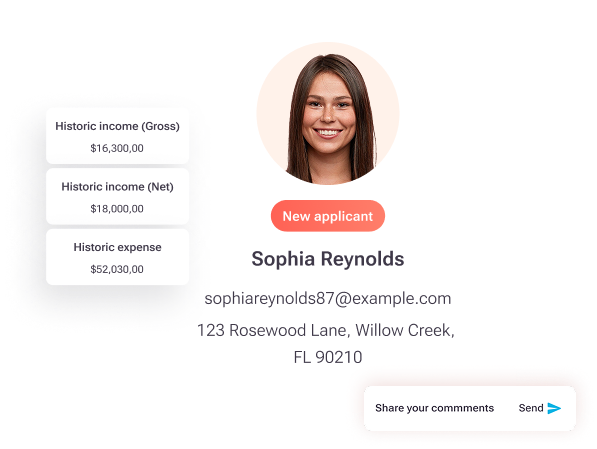
Applicants with simple histories clear screenings faster. But if someone has lived in multiple states, shares a common name, or has a complicated legal past, checks take longer. Searching records across different jurisdictions with varying systems adds time.
Multi-state records can delay criminal checks by 24 to 48 hours. Advanced screening tools help by integrating databases and processing queries simultaneously. They also flag complex cases for review without slowing down simpler ones, keeping the workflow efficient.
6. How Compliance and Data Checks Affect Timing
Following Fair Credit Reporting Act (FCRA) rules and Florida housing laws adds steps to screenings. Strong platforms run data integrity checks to spot fraud and validate documents. This might extend initial processing slightly but prevents bigger issues, like legal risks, down the line.
Certified screeners ensure compliance with reportability standards, a vital step for accuracy and legality. Using a platform built for Florida’s rules, with fraud detection and ID verification, reduces risks and speeds up validation. These tools apply compliance measures automatically, avoiding manual delays.

7. How Efficient Your Board’s Review Process Is
Even with a quick background check, final approval often waits on the HOA or Condo Board. Manual reviews, in-person meetings, or lack of a centralized system can create bottlenecks, slowing down the entire timeline.
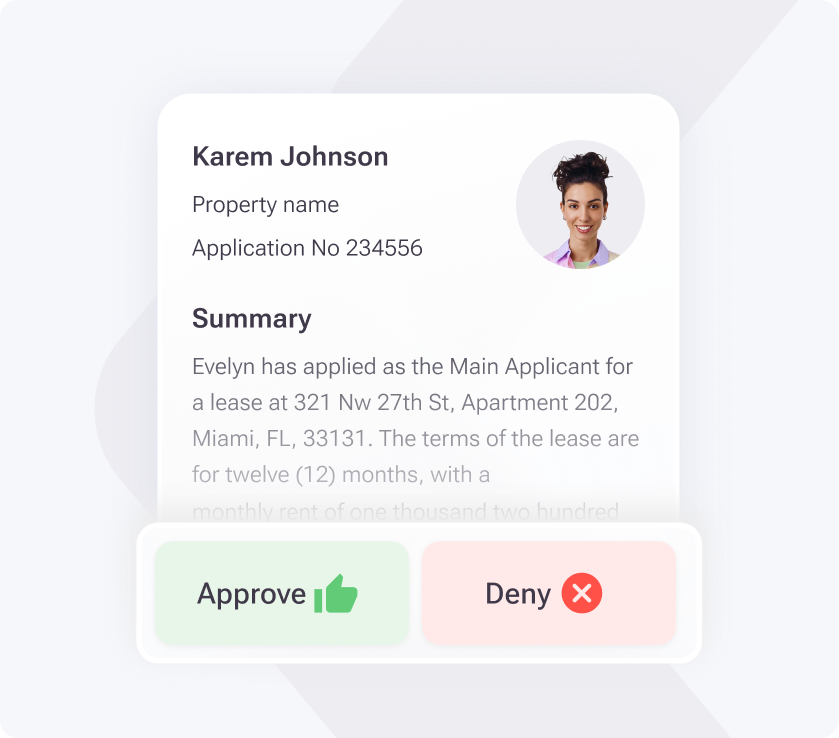
Inefficient workflows and piles of paperwork often delay board decisions. While approvals typically take 24 to 72 hours after screening, poor processes can extend this further. A digital dashboard like QuickApprove offers real-time access to summaries, voting tools, and audit records. This lets board members review and decide remotely, cutting delays while maintaining oversight.
Schedule a demo to explore how TenantEvaluation’s QuickApprove dashboard improves board decisions.
The Real Cost of Slow Tenant Background Checks
Delays in background checks come with both obvious and hidden expenses. Direct costs include lost fees, longer vacancies, and extra staff time to manage slow approvals. Indirect costs, like strained realtor relationships or a damaged community image, often hit harder over time.
Each day of delay in Florida can mean hundreds or thousands in lost revenue per unit, based on market rates. Across multiple units, this impacts budgets for maintenance or upgrades. Property managers also spend more time chasing delayed applications, reducing overall efficiency and sometimes requiring extra help.
Streamline Your Process with TenantEvaluation
TenantEvaluation offers a complete platform to tackle factors slowing down background checks. With technology tailored for Florida associations, our solution combines smart application collection, automated screenings, and board management tools to boost speed without compromising quality.
Our smart forms ensure applicants submit complete information from the start, cutting delays due to missing documents. Tools like IDVerify and SafeCheck+ add secure identity and background verification to protect your community.
For boards, the QuickApprove dashboard simplifies reviews with real-time data summaries, voting features, and audit trails. This setup supports faster, informed decisions while meeting governance needs.
Our platform also handles Florida-specific compliance and FCRA rules automatically. Features like secure data handling, PCI Level 1 compliance, and document redaction offer security and peace of mind. With over $150 million generated for communities, 100,000+ applications processed yearly, and a 4.8/5 Google rating, TenantEvaluation delivers proven results.
Common Questions About Tenant Background Check Timelines
How Long Do Background Checks Take for Florida HOAs and Condos?
Background checks for Florida associations typically take 24 hours to a few days, depending on various factors. Detailed screenings with employment or reference checks can require 2 to 5 business days using traditional methods. Automated systems, however, often process credit and criminal checks in minutes to hours, finishing basic screenings within a day if everything is complete.
What Causes the Most Delays in Background Checks?
Applicant responsiveness and third-party verification speed often cause the biggest delays. Incomplete submissions or slow replies from applicants stretch timelines. Similarly, waiting on employers or landlords for information stalls progress. Using thorough initial forms and automated follow-ups can reduce these holdups effectively.
Can Digital Platforms Really Speed Up Board Approvals?
Digital platforms built for HOAs and Condos, like TenantEvaluation, improve board reviews noticeably. Tools like QuickApprove provide instant access to application summaries, allow direct voting, and maintain audit trails. This cuts the need for meetings or email threads, speeding up decisions while ensuring proper oversight.
How Do Delays Affect Community Revenue?
Slow turnaround times hurt revenue in several ways. Longer vacancies mean missed assessments or rent, costing thousands per month per unit in some markets. Delays also postpone application fee collection, affecting cash flow. Frustrated realtors might guide clients to faster communities, shrinking your applicant pool and possibly forcing price reductions.
How Does Automation Help with Compliance Delays?
Automation streamlines compliance by managing complex rules without manual effort. Platforms like TenantEvaluation handle FCRA requirements, identity checks, and document redaction automatically. This cuts processing time and reduces errors, while Florida-specific features apply local regulations consistently for faster, accurate screenings.
Final Thoughts: Improve Background Check Speed for Your Community
Managing tenant background check timelines is vital for Florida HOAs and condos to operate smoothly and maintain financial stability. Focus on clear applicant communication, well-defined screening scopes, automated tools, and efficient board reviews to shorten delays while keeping standards high.
The seven factors covered here give you a full picture of the screening process and areas to improve. From application submission to final approval, each step offers a chance to save time and boost efficiency.
Technology tailored for associations tackles multiple issues at once, ensuring compliance and security. Investing in better screening pays off with less administrative work, quicker revenue, happier residents, and a stronger community reputation.