
Key Takeaways
- Florida HOAs in 2026 face higher regulatory expectations, which makes manual application workflows slower, riskier, and harder to manage.
- Modern HOA application software centralizes documents, automates background checks, and supports Florida-specific rules to reduce errors and legal exposure.
- Boards, CAMs, residents, and realtors gain faster approvals, clearer communication, and better transparency when applications move through a single digital system.
- Successful implementation depends on clear requirements, strong security, user-friendly design, and ongoing use of analytics for process improvements.
- Tenant Evaluation offers Florida-focused HOA application software with ID verification, background screening, board workflows, and compliance tools; get started with Tenant Evaluation here.
Why Streamlined HOA Application Software Matters for Florida HOAs in 2026
Florida HOA boards and CAMs now operate under closer oversight. State legislatures are increasing regulatory oversight of HOAs, adding new legal and reporting requirements that significantly expand administrative workloads for boards and managers. This creates pressure to keep accurate records, interpret new rules, and document every decision.
Manual processes increase that burden. Paper forms, email chains, and spreadsheets slow approvals, introduce errors, and create gaps in audit trails. CAMs spend hours each week tracking missing documents and clarifying rules instead of managing the community.
Streamlined HOA application software helps resolve these issues. Automated workflows, rule-based checks, and digital records reduce manual handling and improve consistency. Boards gain clearer visibility, while applicants see fewer delays and more predictable timelines.
HOAs that adopt streamlined applications reduce risk, support volunteer board members, and improve the experience for owners, buyers, and tenants across Florida communities.
What Modern HOA Application Software Includes
A modern HOA application platform replaces fragmented, paper-heavy steps with a single digital process built around Florida-specific needs.
Core capabilities typically include:
- Digital application and document collection with forms that change based on applicant type
- Automated workflows and reminders that limit manual follow-up
- Integrated, FCRA-compliant background and credit checks where applicable
- Secure storage, encryption, and automatic redaction of sensitive data
- Board portals for structured review, voting, and record-keeping
The shift from paper-based systems to integrated digital platforms has become an industry standard for transparency and regulatory compliance. A typical digital lifecycle now runs: Application Submission → Automated Review → Board Approval → Move-in and Onboarding.
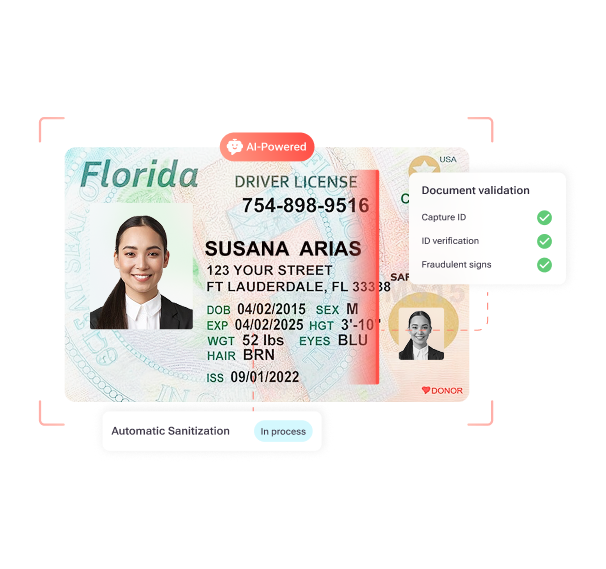
Tenant Evaluation reflects this lifecycle with custom rule setups, adaptive forms, and multilingual 24/7 support. The IDVerify feature validates IDs instantly and redacts sensitive data before it reaches the board, which protects both applicants and the association.
Key 2026 Trends Shaping Florida HOA Application Management
Stricter Compliance Expectations
Florida HOAs face higher legal and documentation standards. An estimated 15-20% of HOAs face legal challenges annually, often tied to non-compliance with state or federal law. Software that tracks rules, documents decisions, and stores records securely reduces exposure.
Greater Demand for Transparency
Owners and applicants want visibility into timelines and decisions. Modern homeowners expect real-time visibility into association operations, which includes their own applications. Status dashboards and automated updates now form part of basic service expectations.
Technology as Core Infrastructure
Technology and modern management tools are increasingly positioned as necessary, not optional, to keep up with record-keeping, reporting, and compliance standards. Boards that rely on email and filing cabinets alone struggle to meet current demands.
Volunteer Board Capacity Limits
Regulatory complexity and transparency expectations are making board service more demanding, which can hinder recruitment and retention of qualified volunteer board members. Streamlined software helps volunteers manage responsibilities within realistic time commitments.
Associations that align with these trends through software gain more predictable operations, fewer disputes, and a better reputation with residents and realtors.
How Streamlined HOA Application Software Works in Practice
Automated Document Collection and Verification
Clear, digital forms and required fields cut down on incomplete submissions. Clear, standardized application forms significantly reduce rejections, rework, and back-and-forth communication. Tenant Evaluation’s adaptive logic tailors questions to applicants, while IDVerify checks identity and redacts protected information before storage.
Efficient Background Checks and Screening
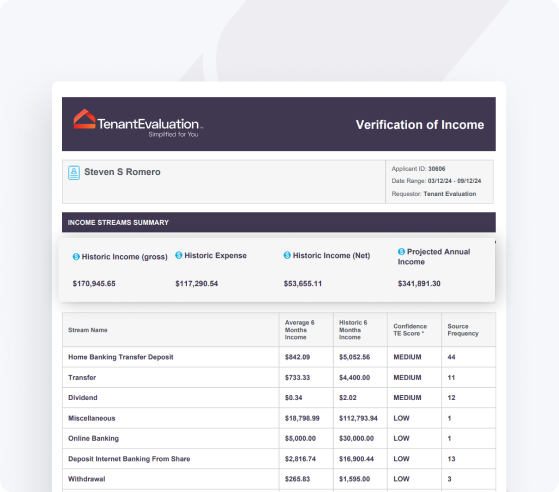
Integrated screening tools help HOAs follow community rules and applicable laws without extra steps. Tenant Evaluation’s SafeCheck+ draws from criminal records, FBI databases, and eviction history, while IncomeEV verifies income with documentation and employer outreach instead of relying only on self-reported data.
Faster Board Review and Approval
Boards review more efficiently when applications arrive in a consistent, organized format. Tenant Evaluation’s QuickApprove dashboard provides summaries, structured voting, and built-in audit features so boards can review on their own schedule without long email threads.

Centralized Communication and Secure Records
Digital storage now supports both compliance and transparency. Digital document storage is non-optional in 2026 for many communities. Tenant Evaluation includes encryption, PCI Level 1 compliance, and reporting tools that help managers and boards understand application volume and timelines.
Solving Common HOA Application Challenges
Reducing Administrative Overload
HOA boards commonly struggle with administrative overload, communication gaps, and inconsistent processes. Automated reminders, centralized status tracking, and pre-set workflows cut repetitive tasks and free CAMs to handle resident relations and long-term planning.
Limiting Compliance and Legal Risk
Many Florida board members do not have formal legal training. Many HOA board members are volunteers without formal training in governance or compliance, making complex legal requirements particularly burdensome. Software that embeds rules, tracks dates, and records decisions improves consistency and supports counsel when issues arise.
Shortening Approval Timelines
Typical HOA approval timelines often extend 30-60 days. Standardized digital forms, instant screening, and structured board workflows can significantly reduce that window, which benefits buyers, sellers, and tenants.
Improving Transparency for Applicants
Applicants value clear expectations. Status portals, automated messages, and predictable steps reduce confusion and inbound calls. Applicants know what is pending, what documents are missing, and when a decision is scheduled.
Protecting Sensitive Data
Manual systems often rely on email attachments and printed copies of IDs or financial records. Auto-redaction, encryption, role-based access, and PCI Level 1 controls give boards a more secure way to handle that information.
Best Practices for Implementing HOA Application Software
Start with Clear Requirements
Boards and CAMs should document current workflows, pain points, and Florida-specific rules before choosing a platform. Application volume, types of applicants, and turnaround goals all help define needed features.
Match Rules and Documents to Your Community
Software must reflect each association’s governing documents instead of forcing generic rules. Tenant Evaluation offers custom configuration so occupancy limits, screening standards, and approval flows follow your documents.
Evaluate Security and Compliance Features
Encryption, automatic redaction, audit trails, and clear access controls are now baseline expectations. These features help protect residents, applicants, and board members.
Support a Strong User Experience
Applicants, CAMs, and board members should all find the system easy to use. Tenant Evaluation’s fully online platform, QuickApprove board tools, and round-the-clock support are designed for mixed technical skill levels.
Use Analytics to Improve Over Time
Reports on approval times, incomplete applications, and screening outcomes help HOAs refine policies and communication. Data-driven adjustments keep the process efficient as regulations and expectations evolve.
Associations that want to apply these practices in a single system can explore Tenant Evaluation’s Florida-focused HOA solution and request a guided demo.
Frequently Asked Questions about Streamlined HOA Application Software
How does HOA application software address Florida’s regulatory requirements?
Modern platforms allow communities to embed Florida statutes and association rules directly into applications and workflows. Required documents, background checks, disclosures, and timelines can all follow local standards. The system then records actions and decisions, which supports audits and legal review.
Can software meaningfully reduce administrative work for CAMs and boards?
Yes. Automated document collection, reminders, and status tracking reduce manual communication and data entry. Board dashboards with summaries and structured voting replace long email exchanges, which saves time and lowers error rates.
How does software improve the applicant experience and cut delays?
A clear, online application with defined steps helps applicants submit complete information on the first attempt. Instant ID checks, integrated background screening, and real-time status updates further shorten wait times, which leads to faster move-ins and fewer follow-up calls.
What security measures should HOAs look for?
Key elements include end-to-end encryption, PCI Level 1 payment security, automatic redaction of data such as Social Security numbers, and detailed access controls. Time-stamped audit trails also help document who accessed or changed information.
How can boards keep control while using automation?
Boards retain full approval authority while software handles collection and organization. Dashboards provide complete files, summaries, and voting tools, but final decisions still rest with the board based on its governing documents and community standards.
Conclusion: Moving Florida HOA Applications into a More Manageable Future
Streamlined HOA application software now serves as critical infrastructure for Florida communities that want to manage risk, support volunteers, and meet higher expectations in 2026. Manual processes alone rarely keep pace with current regulatory and documentation needs.
CAMs gain time for resident relations and long-term planning. Boards gain clearer, better-documented decisions. Residents, buyers, and realtors experience more predictable, transparent approvals.
Associations that shift to digital, rules-based workflows position themselves for fewer disputes, better compliance, and smoother onboarding. Tenant Evaluation focuses on these outcomes for Florida HOAs and condominiums; boards and CAMs can learn more and schedule a Tenant Evaluation demo to see the software in action.