Written by: Luis Teran, Co-founder, CEO, TenantEvaluation
Managing HOA applications can be a drain on time and resources for community association managers and boards. In this article, we’ll walk through seven practical strategies to simplify these processes, save time, ensure compliance, and even generate revenue for Florida communities. Let’s explore how to turn a tedious task into an efficient system that benefits everyone.
Why Improving HOA Application Processes Matters in Florida
Manual application systems cost HOAs time and money while creating risks. With over 370,000 community associations handling billions in revenue each year, many still use outdated tools like paper forms and spreadsheets. About 75% of associations rely on methods from decades ago, leading to wasted hours, missed fees, and compliance issues that can hit budgets hard.
Handling applications by hand often means lost documents, unclear communication, and delayed approvals. Property managers spend too much time chasing down information from applicants or realtors through emails and calls. Boards, meanwhile, struggle with slow, error-prone reviews. On top of that, keeping sensitive data on paper or in unsecured systems opens the door to breaches and legal trouble.
Switching to digital tools offers clear advantages. Some communities cut processing times by up to 70% after adopting automated systems. This saves money, boosts resident satisfaction, and improves accuracy while keeping everything compliant with Florida’s rules.
1. Move to a Fully Digital Application System
Ditching paper for a single online platform clears up the chaos of manual processes. A digital system lets applicants submit forms and documents anytime, anywhere, while keeping everything organized for managers.
With one central hub, there’s no more juggling emails or misplaced files. Applicants can upload forms straight from their devices, fill out fields with automatic checks for errors, and see their status updates instantly. This cuts down on delays and confusion.
Digital tools also catch mistakes before submission. Smart features ensure forms are complete and files are in the right format, saving time on back-and-forth corrections.
- Secure uploads for various file types, sorted by application category.
- Electronic signatures to skip in-person sign-offs or mail.
- Real-time tracking for applicants and managers to stay updated.
- Integration with current systems to avoid duplicate data entry.
- Automated alerts for missing items or next steps.
- Mobile access to reach everyone, no matter their device.
2. Use Smart Forms to Customize Applications
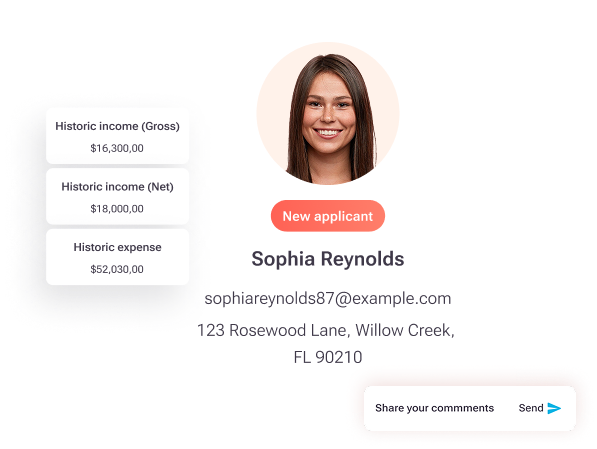
Smart forms adjust based on an applicant’s answers, asking only what’s relevant. Whether it’s a tenant, buyer, or family member applying, the system narrows down questions to fit their situation and your community’s rules.
This saves time for applicants and ensures managers get the right details. It can also adapt to specific needs like pet rules or vehicle info, tailoring the process per application type.
Built-in checks stop incomplete forms from being submitted. If a field is missing or a document isn’t attached, the system flags it instantly. Applicants fix errors on the spot, so managers don’t waste time chasing down missing pieces.
Want to simplify your HOA applications? Schedule a demo now to see how TenantEvaluation can help your community.
3. Automate Background Checks for Faster Reviews
Automated screening tools handle identity checks, credit reports, income verification, and background searches in one go. This cuts down manual effort and gives a full picture of each applicant without juggling multiple services.
These systems pull data on criminal records, sex offender lists, and even global watchlists. They verify income by reaching out to employers directly, offering a clearer financial view than self-reported numbers. Past landlord references and eviction history add more depth to the applicant’s profile, all while meeting fair housing standards.
For Florida communities, automation ensures compliance with state and local rules. Systems can adapt to specific documentation needs and keep detailed records for audits, reducing legal risks tied to inconsistent screening.
4. Simplify Board Approvals with Digital Dashboards
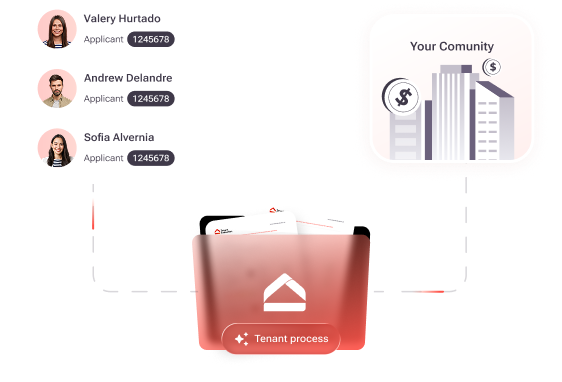
A dedicated online platform lets board members review applications, see status updates, and vote securely without endless emails or meetings. This speeds up decisions while keeping oversight in place.
These dashboards summarize key applicant details with help from AI, making reviews quicker. They present info in a clear, standard format so every application gets a fair look. Secure voting options mean boards can act fast without scheduling conflicts.
Full visibility into the pipeline shows pending tasks and past decisions, helping boards spot delays and improve their process. Every action gets logged with timestamps, ensuring accountability and providing records for audits or legal needs.
5. Keep Everyone Updated with Automated Alerts
Automatic notifications inform applicants, realtors, and managers about status changes, missing documents, or final decisions. This cuts down on follow-up calls and emails, freeing up time for staff.
Notifications can go out via email, text, or app messages, meeting people where they’re most comfortable. Custom templates keep messaging consistent while allowing for community-specific details.
For diverse communities, multilingual support and 24/7 AI chat help clear up communication issues. Virtual tools improve how messages reach stakeholders. Plus, modern platforms enhance coordination across groups.
6. Streamline Payments and Create Revenue
Online payment systems handle application fees automatically, removing the hassle of manual collection. They accept cards, bank transfers, and digital wallets, making it easy for everyone.
Payments get verified instantly, so applications don’t move forward without cleared fees. Digital receipts and tracking keep financial records clear for both sides. These systems also connect with accounting tools to simplify bookkeeping.
Some platforms offer revenue-sharing, where providers take their cut from fees and send the rest back to the HOA. This can turn applications into a source of income, with clear fee structures and automatic payouts tied to application numbers.
7. Use Data Insights to Plan for Your Community
Application data offers a window into resident trends, rental patterns, and demographics. This helps boards make informed choices about amenities or policies without guesswork.
Automated reports pull together stats on application volume and approval rates, keeping boards updated without manual effort. Insights like pet ownership or electric vehicle use can guide decisions on facilities or infrastructure.
Comparing your data to industry standards shows where your community stands and highlights ways to improve efficiency or resident satisfaction.
Ready to upgrade your HOA workflows? Schedule a demo today to learn how TenantEvaluation can save time and increase revenue.
Common Questions About HOA Workflow Improvements
How Much Time Can Digital Systems Save?
Switching to digital and automated processes frees up hours for staff each day. Communities using these tools often redirect time from repetitive tasks to more impactful work, such as improving resident services. Savings come from faster data entry, fewer follow-ups, quicker document checks, and streamlined board approvals.
Do Automated Systems Meet Florida’s Rules?
Platforms built for Florida HOAs include features to comply with state and local requirements. They adapt to specific community needs, handle background check laws, and keep detailed records. Tools for consent, notifications, and disputes protect both applicants and associations from legal issues.
How Do Digital Tools Improve Board Oversight?
Online dashboards give boards real-time access to application details and progress. Summaries highlight critical info, standard formats ensure fair reviews, and secure voting skips the need for meetings. Every action is tracked, providing records for accountability and audits.
Can Application Systems Bring in Revenue?
Yes, digital platforms can turn applications into a source of income. They handle fee collection automatically and often include revenue-sharing options where providers split fees with the HOA. This creates steady income with no upfront costs, while clear records show the financial impact.
How Is Applicant Data Kept Secure?
Digital systems use top-tier security like full encryption and strict access controls. Sensitive info gets automatically hidden in documents, and activity logs track all actions. Secure cloud setups guard against data loss, while constant updates tackle new risks, making these tools safer than paper systems.
Wrap-Up: Build a Better Future for Your HOA
These seven strategies offer a clear path to turn slow, manual HOA application processes into efficient, automated systems that work for everyone. A single platform cuts down delays and boosts confidence with clear updates.
Adopting these ideas reduces staff workload, ensures compliance with Florida laws, speeds up approvals, and can even bring in extra funds through fee collection. Modern tools are no longer optional for communities that want to stay efficient and competitive.
Centralized systems stop requests from getting lost, and long-term gains like saved time and better engagement often justify the initial cost.
Communities that adopt these methods set themselves up for success, offering better service to residents while easing the load on staff and boards.
Ready to update your HOA application process? Schedule a demo today to see how TenantEvaluation can help with efficiency and compliance.
