
Key Takeaways
- Dysfunctional HOA boards hide financial details and keep reserves low, which often results in $10,000+ special assessments and limited financing options.
- Poor communication, secretive meetings, and selective rule enforcement create legal risk, higher insurance costs, and constant community conflict.
- High board turnover, neglected maintenance, and ignoring expert advice cause costly mistakes and deferred repairs that grow more expensive over time.
- Lack of transparency, abuse of power, and weak screening processes fuel delinquency, lawsuits, and falling property values.
- Modern platforms like TenantEvaluation reduce dysfunction with thorough resident screening, clear approvals, and compliance tools, so you can protect your investment.
10 Clear Warning Signs Your Condo HOA Board Is Dysfunctional
1. Hidden Finances and Weak Reserve Funds
Strong condo associations share clear financial records and keep reserves ready for future repairs. Dysfunctional boards hide problems, block access to budgets, or run with dangerously low reserves.
Red Flags to Spot: Reluctance to share financial statements, vague budget categories, or reserve funds below 30% funded levels. Board members who brush off financial questions or say “everything is fine” without proof.
Risks to Your Wallet: Low reserves often trigger emergency special assessments of $10,000 or more per unit. Lenders may restrict financing for buyers, which shrinks your buyer pool and pushes down resale value.
Immediate Actions: Ask for the last three years of financial statements, reserve studies, and meeting minutes before you buy. If you already own, insist on regular financial reporting and written documentation for major decisions.
2. Secretive Meetings and Poor Communication
Healthy boards communicate often and hold open meetings that follow Florida law. Dysfunctional boards cancel meetings, make decisions in private, and keep owners in the dark.
Red Flags to Spot: Irregular or frequently cancelled meetings, decisions made in closed sessions without explanation, and board members who rarely respond. Missing meeting minutes or refusal to share them with owners.
Risks to Your Wallet: Decisions made without owner input often cause expensive mistakes, unnecessary projects, and lawsuits that push fees and special assessments higher.
Immediate Actions: Attend meetings whenever possible, request minutes in writing, and document any violations of Florida’s open meeting requirements. Support or run candidates who commit to open communication.
3. Selective Rule Enforcement and Bullying
Professional boards apply rules fairly to every resident. Dysfunctional boards play favorites, ignore certain violations, or use rules to punish people they dislike.
Red Flags to Spot: Different standards for different residents, personal grudges that turn into enforcement actions, or board members who intimidate neighbors. Excessive fines that spark lawsuits and higher insurance premiums.
Risks to Your Wallet: Discriminatory enforcement increases legal exposure, drives up insurance costs, and can lead to lawsuits that drain association funds through special assessments.
Immediate Actions: Keep written records of violations, notices, and conversations. Report discriminatory behavior to the proper agencies and speak with an attorney if you are being targeted.
4. Constant Board Member Turnover
Stable boards keep experienced members who understand the community and its legal duties. Rapid turnover usually signals conflict, burnout, or people escaping a toxic environment.
Red Flags to Spot: Several resignations in a single year, open seats that nobody wants, or board members who quit after very short terms.
Risks to Your Wallet: Inexperienced boards make more mistakes, forget past decisions, and often rely on expensive consultants to fill knowledge gaps.
Immediate Actions: Review past board rosters, ask why people left, and decide whether you should run or recruit qualified neighbors to restore stability.
5. Visible Neglect and Deferred Repairs
Well-run associations fix problems early, before they become emergencies. Dysfunctional boards delay repairs to keep fees low, which creates huge future bills.
Red Flags to Spot: Peeling paint, damaged common areas, repeated temporary fixes, and maintenance requests that sit for months. Aging roofs, elevators, or plumbing with no replacement plan.
Risks to Your Wallet: Deferred work usually costs far more than preventive maintenance. Major failures can trigger special assessments of $15,000 or more per unit.
Immediate Actions: Inspect the property carefully before you buy and review maintenance logs and capital plans. Set aside extra savings for possible emergency assessments.
Schedule a demo today to see how strong resident screening reduces many behavior-driven issues that push boards toward financial trouble.
6. Ignoring Professional and Legal Guidance
Competent boards rely on attorneys, accountants, engineers, and managers for complex decisions. Dysfunctional boards dismiss expert advice or avoid hiring professionals to cut costs.
Red Flags to Spot: Board members who insist they “know better” than licensed experts, refusal to hire qualified management, or decisions that conflict with legal counsel.
Risks to Your Wallet: Skipping professional advice often results in legal violations, fines, and lawsuits. Correcting these mistakes later can cost far more than proper guidance upfront.
Immediate Actions: Confirm which professionals the association uses and review their recommendations when possible. Push for professional management if the board lacks the skills to handle operations.
7. Opaque Decisions and Missing Documentation
Florida law gives owners access to records and requires transparent decision-making. Dysfunctional boards approve major contracts or policy changes with little notice and weak documentation.
Red Flags to Spot: Big contracts without competitive bids, vendors tied to board members, or vague explanations for expensive projects.
Risks to Your Wallet: Hidden deals often mean overpaying for services and accepting conflicts of interest. Owners may face legal costs and liability when these decisions are challenged.
Immediate Actions: Use your right to inspect records, attend meetings, and request written explanations for large expenses or long-term contracts.
8. Power Trips and Personal Agendas
Effective board members act for the entire community. Dysfunctional boards include people who chase personal gain, punish neighbors, or force their preferences on everyone else.
Red Flags to Spot: Board members who profit from association contracts, use their role to settle disputes, or make big decisions without full board approval.
Risks to Your Wallet: Self-dealing and abuse of power waste association money and invite lawsuits. Correcting these actions later can require costly legal and financial cleanup.
Immediate Actions: Record any conflicts of interest and report them through proper channels. Explore recall options if certain members clearly act against the community’s interests.
9. Weak or Outdated Resident Screening
Strong screening keeps out residents who are likely to cause financial or behavior problems. Dysfunctional boards rely on slow, manual processes that miss key risk factors.
Red Flags to Spot: Paper-only applications, inconsistent criteria, missing background checks, and approval timelines that drag on for weeks. No verification of income, identity, or rental history.
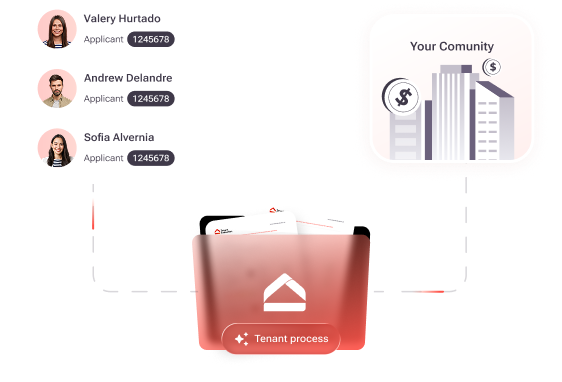
Risks to Your Wallet: Poor screening raises delinquency, legal costs, and conflict, which can lower property values and push insurance premiums higher.
Immediate Actions: Support adoption of professional screening that includes background checks, income verification, and identity confirmation for every applicant.
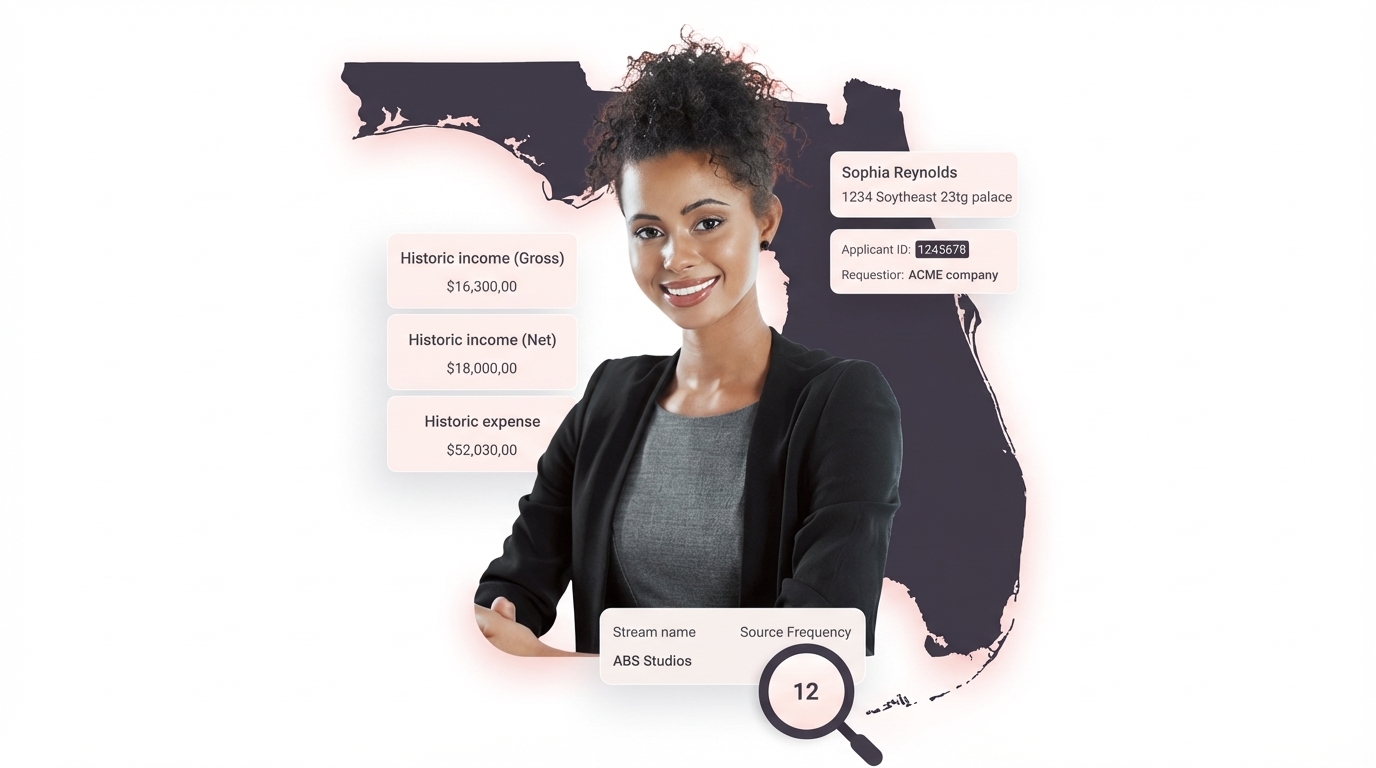
10. No Technology for Clear Approvals and Records
Modern associations use technology to manage applications, track approvals, and store records. Boards that resist technology create delays, confusion, and compliance risk.
Red Flags to Spot: Paper applications, manual document review, missing audit trails, and board members who refuse to update old processes.
Risks to Your Wallet: Manual systems increase admin costs and make it harder to prove compliance. Poor records often lead to bad decisions and disputes.
Immediate Actions: Research platforms like TenantEvaluation that offer complete screening, clear approval workflows, and secure documentation. The QuickApprove dashboard gives boards real-time status updates and faster, more accurate decisions.
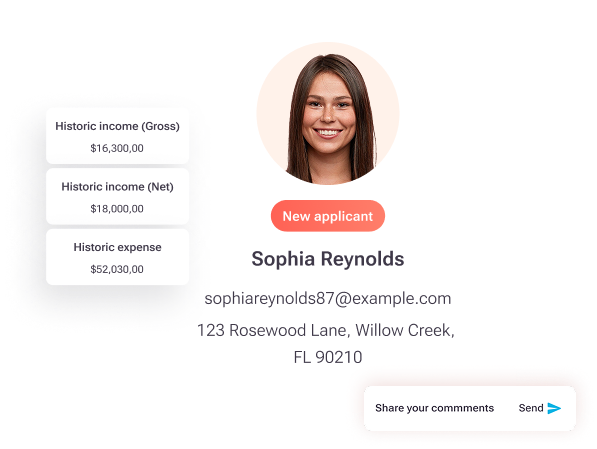
Top Three Signs Your HOA Board Is in Serious Trouble
The most serious warning signs are hidden finances with weak reserves, secretive meetings with poor communication, and selective rule enforcement. These issues often appear together and usually point to deeper governance failures that demand quick action.
Examples of Unprofessional HOA Board Conduct
Unprofessional conduct includes using a board position for personal gain, bullying residents, making unilateral decisions, and ignoring legal or professional advice. Patterns of this behavior signal a board that no longer acts in the community’s best interest.
Steps to Remove Toxic HOA Board Members in Florida
Florida Chapter 718 outlines recall procedures that owners can use to remove dysfunctional board members. Owners can organize a recall petition, collect signatures as required by the bylaws, and hold a recall vote to remove members who violate their fiduciary duties.
Traits of a Financially Healthy Condo Association
Healthy associations keep reserves at or above 70% of recommended levels, hold open meetings with detailed minutes, and enforce rules consistently. They also maintain experienced boards, use professional management, and rely on modern technology for daily operations.
Action Plan When Your HOA Board Is Dysfunctional
Begin by demanding clear financial reports and attending every board meeting you can. Document problems carefully and share concerns with other owners.
If issues continue, organize with neighbors to request audits, start recall efforts under Florida Chapter 718, or consult an association attorney about legal options. In severe situations, selling your unit may be the safest way to avoid ongoing financial risk.
Strong associations invest in reliable screening technology and transparent workflows that prevent many sources of dysfunction before they reach the boardroom.
How Poor Screening Fuels Dysfunction and How TenantEvaluation Helps
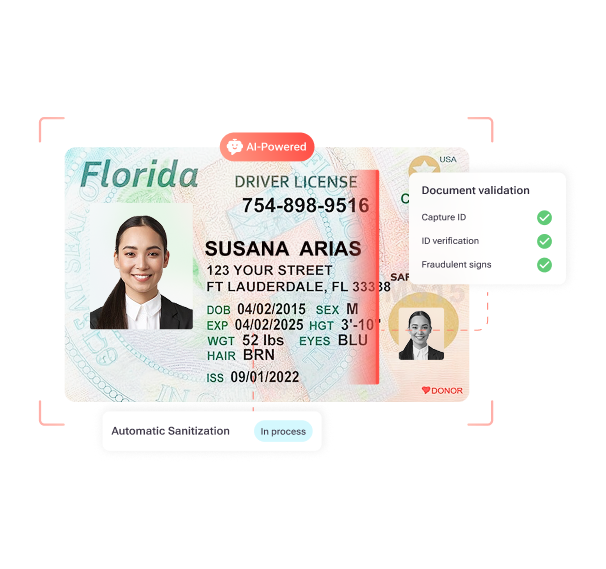
Manual screening makes fraud easier and lets high-risk residents into the community, which increases conflict and financial strain on the board. TenantEvaluation’s Florida-built platform serves more than 5,000 communities with comprehensive screening and IDVerify biometric verification, while keeping FCRA compliance at the core of every process.
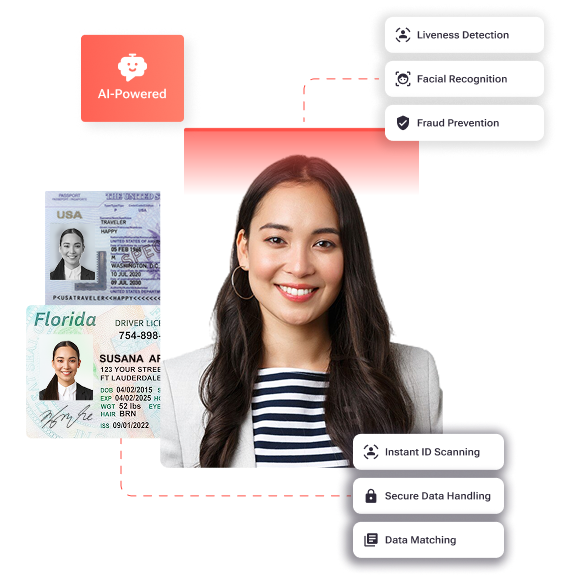
Schedule a demo today to see how better screening reduces resident-related problems that often push boards into dysfunction.
Frequently Asked Questions
How can I remove toxic HOA board members in Florida?
Florida Chapter 718 allows condo owners to recall board members through a petition process. You must collect signatures from the percentage of owners listed in your bylaws, usually 10–25% of voting interests. After you gather enough signatures, the association must hold a recall election where owners vote on removal. You need to follow the notice rules and procedures in state law and your governing documents.
Can a dysfunctional HOA board cause the association to go bankrupt?
Yes, a dysfunctional board can push an association toward financial collapse through poor reserves, delayed maintenance, and high legal costs. When reserves fall too low and owners reject special assessments, the association may struggle to pay insurance, utilities, and emergency repairs. Delinquency rates above 15% can also trigger Fannie Mae restrictions, which hurt property values and reduce the association’s ability to collect needed fees.
What is the average special assessment amount for dysfunctional condo associations?
Special assessments in troubled associations often range from $10,000 to $25,000 per unit, depending on how long maintenance was deferred and how badly finances were managed. Emergency projects such as roof replacement, elevator upgrades, or structural repairs can cost even more. The key factor is whether the board funded reserves properly and handled maintenance on schedule.
How does proper resident screening prevent HOA board dysfunction?
Thorough screening helps boards admit residents who are financially stable and more likely to follow rules. Platforms like TenantEvaluation use biometric identity checks, income verification, and background reports that lower delinquency, reduce enforcement disputes, and create a calmer community. When residents are vetted carefully, boards can focus on planning instead of constant crisis management.
What should I review in HOA financial records to spot dysfunction?
Review at least three years of financial statements and pay close attention to reserve levels, special assessments, and delinquency rates. Healthy associations keep reserves at or above 70% of recommended levels, rarely use special assessments, and maintain delinquency below 5%. Warning signs include shrinking reserves, repeated special assessments, high delinquency, and vague or incomplete reports. Also review vendor contracts for unusual relationships or pricing that seems far above market rates.
Conclusion: Protect Your Florida Condo Investment
Recognizing these 10 warning signs early can help you avoid large financial losses and ongoing stress. Hidden finances, poor communication, and weak screening often combine and create escalating problems for every owner.
You protect yourself best through careful due diligence before buying, active involvement in your association, and support for professional management and modern screening tools. TenantEvaluation’s platform helps prevent many sources of dysfunction by improving resident vetting and giving boards clear, documented approval workflows.
Schedule a demo today to see how better screening technology can help your association avoid costly problems and safeguard your property value.