
Key Takeaways for Condo Rental History Screening
- Recent evictions within 5 years are the top red flag and create 3x higher default risk for condo communities.
- Unpaid rent, HOA debts, or credit scores below 600 signal financial instability that can disrupt timely fee payments.
- Frequent address changes, negative landlord references, and HOA rule violations often predict community conflicts and unreliable behavior.
- Criminal records, neighbor disputes, and synthetic identity fraud require deeper verification to protect safety and compliance.
- TenantEvaluation’s FCRA-compliant platform with IDVerify+ and QuickApprove streamlines condo screening and can reduce approval times by 70%. Get started today.
1. Recent Evictions and Condo Default Risk (Eviction Records Condos)
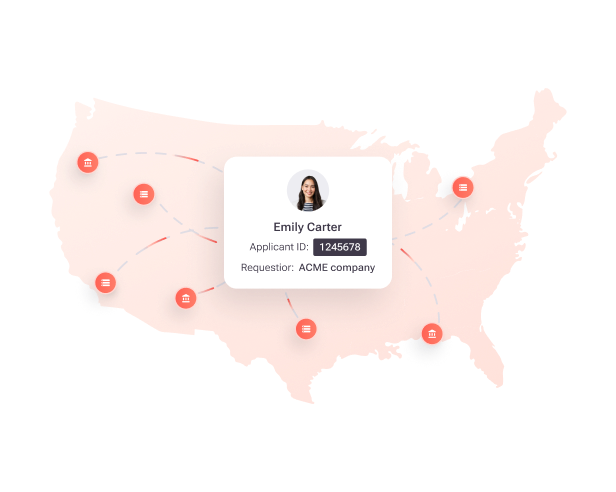
Recent evictions within the past 5 years represent the most serious rental history red flag for condo applicants. 56% of landlords cite prior eviction history as a major screening concern, and evicted tenants carry 3x higher default risk. In condo settings, evictions often stem from unpaid HOA fees, noise violations, or lease breaches that directly affect community harmony. TenantEvaluation’s SafeCheck+ scans court records nationwide to identify eviction patterns and shield your association from repeat offenders.
2. Unpaid Rent, HOA Debts, and Landlord Judgments
Outstanding collections or judgments from previous landlords signal financial instability and payment reliability issues. For condo communities, this concern extends beyond rent to unpaid HOA dues, special assessments, or maintenance fees from previous residences. These debts often appear on credit reports as collections accounts or civil judgments that follow applicants from property to property. TenantEvaluation’s credit reporting, powered by direct bureau relationships, reveals hidden financial obligations that may disrupt future HOA fee payments.
3. Frequent Address Changes and Housing Instability
More than three address changes within two years often indicate housing instability or attempts to hide negative rental history. Florida’s cooling rental market and reduced relocation pressure make frequent moves especially suspicious in 2026. Unstable housing patterns may conceal evictions, lease violations, or conflicts with previous communities that applicants prefer not to disclose. TenantEvaluation’s address verification compares application data with credit bureau records to uncover undisclosed relocations.
4. Prior HOA Rule Violations in Other Communities (HOA Rule Violations Rental History)
Previous violations of community association rules strongly predict future conflicts in condo environments. These violations can include pet policy breaches, parking infractions, repeated noise complaints, or unauthorized architectural modifications. Florida condo boards can legally deny applicants based on documented rule violation histories when they apply policies consistently. TenantEvaluation’s reference verification asks previous property managers targeted questions about community compliance issues.
5. Poor Credit Scores and Late Payment Patterns
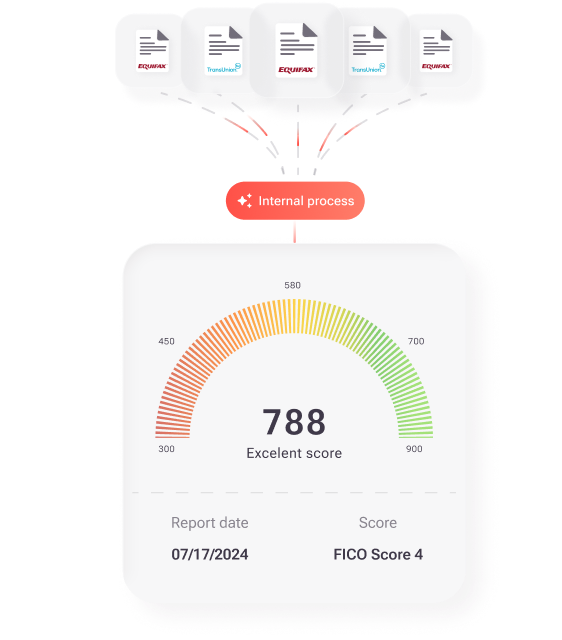
Credit scores below 600 or patterns of late payments point to financial behavior that threatens timely HOA fee payments. Poor credit scores below 600 indicate financial instability and correlate with higher default rates on housing obligations. For condo associations that rely on consistent fee collection, chronic credit issues create direct revenue risks and budget uncertainty. TenantEvaluation accesses credit data through direct TransUnion and Equifax reseller relationships to deliver accurate and compliant reporting.
6. Negative or Unreachable Landlord References (Poor Landlord References Condos)
Previous landlords who provide negative feedback or cannot be contacted raise immediate concerns about tenant behavior. Negative references often mention property damage, repeated lease violations, difficult communication, or early lease terminations. Unreachable references may signal fabricated rental history or landlords who prefer not to discuss problematic tenancies. TenantEvaluation’s automated reference verification system uses multi-channel outreach and validates landlord legitimacy before accepting any testimonial.
7. Neighbor Disputes and Noise Complaints in Shared Buildings (Bad Tenant History Condo HOA)
History of neighbor conflicts or noise violations creates serious risk in condo communities where residents share walls, floors, and common areas. 71% of tenured renters cite quiet neighbors as a top reason for staying, which shows how much peaceful coexistence matters. Noise complaints, parking disputes, or aggressive behavior toward neighbors often predict future community disruption. TenantEvaluation’s reference checks include questions about community compatibility and neighbor relations.
8. Criminal Backgrounds That Affect Community Safety
Criminal records involving violence, drug distribution, or property crimes can threaten community safety and property values. Criminal background screening must follow Fair Housing guidelines, yet associations can still consider recent or serious offenses that pose direct risks to residents. Violent crimes, drug-related offenses, or property destruction charges deserve careful review in condo settings with shared spaces. TenantEvaluation conducts nationwide criminal background checks while maintaining HUD compliance and providing clear documentation for board decisions.
9. Unverifiable Income and Unexplained Employment Gaps
Income below 3x monthly housing costs or unexplained employment gaps signal financial instability that may affect payment reliability. Inadequate income below the 3x monthly rent standard creates payment stress that often leads to defaults. Employment gaps without reasonable explanations may point to undisclosed issues that limit earning capacity. TenantEvaluation’s IncomeEv verification contacts employers directly to confirm income stability and current employment status.

10. Synthetic Identity and Fraud Risks in 2026 (Condo Applicant Screening Red Flags)
Biometric mismatches, suspicious identity documents, or synthetic identity markers represent fast-growing fraud threats in 2026’s digital landscape. Fraudulent applicants may rely on stolen identities, fabricated documents, or synthetic profiles that combine real and fake data. These sophisticated schemes require advanced detection that goes beyond manual document review. TenantEvaluation’s IDVerify+ biometric verification uses AI-powered liveness detection and facial matching to confirm identity authenticity before any approval.

11. Incomplete or Inconsistent Application Details (Red Flags Rental Applications Condos)
Missing employer details, contradictory addresses, or inconsistent personal information often signal attempts to hide problematic history. Incomplete or inconsistent information in applications signals hidden issues like unstable employment or prior landlord problems. Data discrepancies between application sections, supporting documents, and verification sources reveal dishonesty or carelessness. TenantEvaluation’s intelligent form logic flags inconsistencies automatically and requires resolution before processing continues.
12. Broken Leases and Early Termination Patterns
Multiple instances of lease terminations before expiration dates show unreliability and potential financial distress. Early terminations may result from eviction proceedings, job loss, or ongoing conflicts with property management. A repeated pattern suggests applicants may walk away from lease obligations when pressure increases. TenantEvaluation’s rental history verification reviews lease completion rates and termination circumstances to highlight reliability patterns.
How TenantEvaluation Confirms Rental History Red Flags
Effective verification uses a structured process that goes beyond basic document review. TenantEvaluation’s comprehensive verification workflow includes:
- SafeCheck+ automated eviction and court record scanning across all jurisdictions
- IDVerify+ biometric identity confirmation with government ID validation and liveness detection
- Direct credit bureau data access through TransUnion and Equifax reseller relationships
- Multi-channel landlord reference verification with identity validation
- IncomeEv employment verification through direct employer contact
- QuickApprove board review dashboard for faster, organized decisions
This integrated approach cuts verification time by up to 70% while maintaining FCRA compliance and providing audit-ready documentation. TenantEvaluation’s Florida-focused workflows address condo association requirements and HOA compliance needs more precisely than generic screening services.
Using Conditional Approvals for Applicants With Issues (Can I Approve Condo Applicant with Bad Rental History?)
Condo associations can use conditional approval processes for applicants with minor rental history issues. QuickApprove offers a board voting dashboard that supports collaborative decisions with documented rationale for every approval or denial. Conditional approvals may include higher security deposits, co-signer requirements, or probationary periods with closer monitoring. TenantEvaluation maintains complete audit trails for all decisions to support Fair Housing compliance and legal defensibility. Board members can review clear applicant summaries and vote directly through the platform, which replaces scattered email chains and improves transparency.

Identify rental history red flags quickly with TenantEvaluation’s comprehensive screening platform. Schedule a demo today to see how our FCRA-compliant tools protect your condo community while speeding up approvals.
FAQ
What looks bad on rental history?
The most damaging rental history elements include recent evictions, unpaid rent or HOA fees, frequent address changes, criminal records, poor credit scores, negative landlord references, and documented neighbor disputes. For condo applicants, HOA rule violations and noise complaints carry extra weight because they predict community conflicts. Multiple red flags together increase overall risk.
What are red flags of bad tenants?
Key red flags include eviction history within 5 years, credit scores below 600, income less than 3x housing costs, unexplained employment gaps, incomplete applications, unreachable references, and patterns of early lease terminations. In 2026, synthetic identity fraud and biometric mismatches also stand out as serious red flags that require advanced detection methods beyond traditional document review.
Can I approve a condo applicant with bad rental history?
Condo associations can approve applicants with minor rental history issues through structured conditional approval processes. Options include higher security deposits, co-signers, probationary periods, or extra documentation that explains past problems. Board voting through platforms like QuickApprove supports documented decision-making and Fair Housing compliance while preserving community standards.
How do HOA violations appear on rental records?
HOA violations usually surface through landlord reference checks, property management company records, or civil court filings for unpaid fees. Previous property managers may report rule violations, noise complaints, or architectural infractions during reference verification. Some violations create collections accounts or judgments that appear on credit reports.
How can applicants clean up bad rental history?
Applicants can improve rental history by resolving outstanding debts or judgments, securing positive references from recent landlords, maintaining stable employment, and improving credit scores through consistent on-time payments. Clear explanations for past issues, supported by documentation, also help. Older negative items gradually carry less weight in screening decisions as time passes.