Written by: Luis Teran, Co-founder, CEO, TenantEvaluation | Last updated: August 27, 2026
Key Takeaways for Florida CAMs and Boards
- Florida condo and HOA boards face FCRA compliance risk when they rely on generic KYC tools like Shufti Pro that lack CRA registration and do not enforce permissible purpose.
- Document-only verification cannot reliably detect deepfake or impersonation fraud. Biometric liveness detection and facial matching confirm that a real person matches the ID presented.
- TenantEvaluation embeds IDVerify+ biometric verification inside a single FCRA-first platform, which removes external portals and closes manual reconciliation gaps.
- Native integration with board voting, adverse-action automation, lease tracking, and TEpayments by Zinc creates end-to-end audit defensibility from application through occupancy.
- Learn more about TenantEvaluation’s FCRA-compliant lease tracking and screening platform on the Lease Tracking product page.
Executive Summary: Closing FCRA Gaps in Florida Housing Decisions
Identity theft appeared in an average of 6.12% of applications in the first half of 2026, roughly one in sixteen. At the same time, the fraud behind those attempts became harder to detect even as the rate dipped. Generic global KYC tools like Shufti Pro were not designed for FCRA-regulated housing decisions, which leaves Florida CAMs, LCAMs, and HOA boards exposed to permissible-purpose violations and weak audit trails.
TenantEvaluation has served Florida community associations since 2007 and was built around their specific regulatory and operational needs. It embeds IDVerify+ biometric liveness detection, government ID validation, and facial matching directly inside an FCRA-first resident onboarding platform. This structure closes compliance gaps that standalone verification tools cannot address.
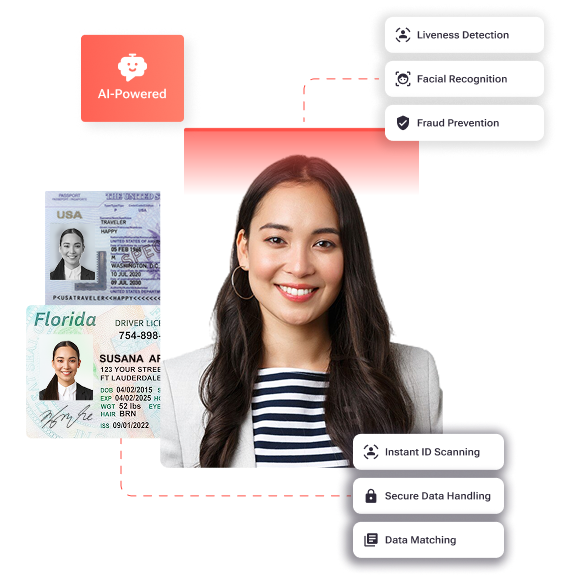
Insight 1: How Shufti Pro’s Document-Only Model Creates FCRA Risk in Florida
Shufti Pro is a global identity verification vendor for financial services and e-commerce. It processes document images and returns a match score. For Florida community associations, using a registered consumer reporting agency under the FCRA is a core requirement, not a preference.
Under FCRA §604, tenant screening is an FCRA-regulated purpose that requires data from a registered CRA. Vendors that are not registered CRAs explicitly state that their outputs should not be used for housing decisions. When a CAM or board relies on a non-CRA verification output to inform an approval or denial, the association assumes the liability for that decision without the procedural protections the FCRA provides.
Florida deed-fraud patterns compound this risk because document-only systems can only examine what an applicant submits. They cannot confirm that the person holding the document is actually the person named on it. One in eight rental applications contain fraudulent alterations, and forensic document analysis alone is less effective at detecting fraud than when biometric matching is layered on top.
For CAMs who want a more defensible workflow, the practical steps stay simple. Replace any standalone document-upload tool with a platform that holds CRA status. That CRA status enables enforcement of permissible-purpose controls at the point of data access and supports a timestamped audit record for every verification event. TenantEvaluation satisfies all three needs natively because it was built as a CRA-focused platform from the start.
Insight 2: Permissible Purpose Controls and Audit-Ready Records
Beyond the CRA registration requirement covered earlier, FCRA §604 also mandates that the user document the permissible purpose in their own systems before running the lookup and certify compliance via the vendor’s terms of service. Generic global KYC platforms do not enforce this sequence. They return a verification result without confirming that a permissible purpose exists for the specific housing transaction.
The table below compares how Shufti Pro and TenantEvaluation handle four critical FCRA compliance requirements that shape audit defensibility for Florida HOAs.
| Capability | Shufti Pro | TenantEvaluation IDVerify+ | Why It Matters for Florida HOAs |
|---|---|---|---|
| FCRA CRA registration | No | Yes (TransUnion & Equifax reseller) | Required for housing decisions under FCRA §604 |
| Permissible-purpose enforcement | Not enforced at transaction level | Enforced before screening authorization | Prevents unauthorized consumer report use |
| Automated adverse-action workflow | Not included | Built in | Required when a consumer report influences denial |
| Timestamped audit trail per application | Not included | Built in for every application | Supports board defensibility in disputes |
TenantEvaluation accesses TransUnion and Equifax data under strict bureau rules with regular compliance reviews. No gray-market or offshore data sources enter the workflow. IDVerify+ strengthens permissible-purpose validation by confirming identity before screening authorization runs. This sequence aligns with FCRA expectations and reduces liability exposure for community associations.
See how TenantEvaluation’s FCRA-first platform performs inside a live Florida HOA workflow.
Insight 3: Replacing Document Review with Biometric Liveness Detection
Many property managers now report rental application fraud driven by AI-generated documents and deepfakes. Earlier in this article, the executive summary highlighted how fraud attempts are becoming harder to detect. Deepfake techniques now influence a significant share of biometric fraud attempts and can bypass older static verification systems in some cases.
Document-only review cannot keep pace with this threat. A static face match can be fooled by a printed photo or screen replay. Liveness detection instead confirms that a live human is present through randomized real-time prompts, 3D depth analysis, and deepfake detection modules.
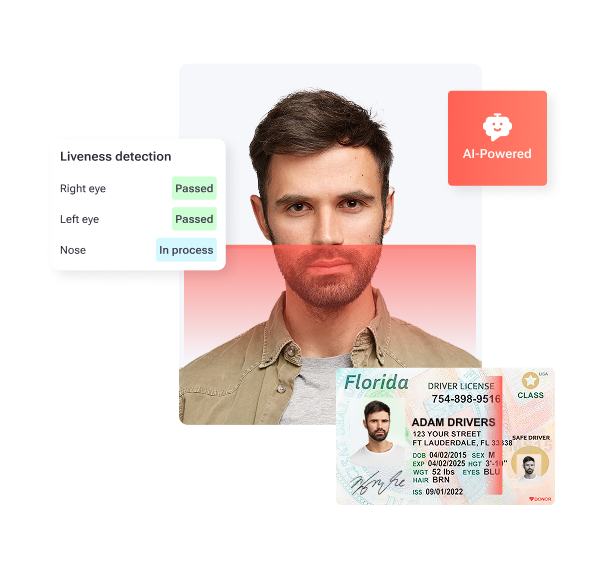
The following table illustrates how IDVerify+ changes each stage of the identity verification workflow compared to document-only approaches.
| Workflow Stage | Before IDVerify+ (Document-Only) | After IDVerify+ (Biometric) |
|---|---|---|
| ID submission | Applicant uploads image, manual review | Government ID validated at pixel level automatically |
| Presence confirmation | None | AI liveness detection with randomized prompts |
| Identity matching | None | Biometric selfie-to-ID facial comparison |
| Fraud detection rate | Lower with document review alone | Higher with biometric layering |
| Audit record | Uploaded document copy only | Full liveness session retained in application record |
Insight 4: Keeping Verification Inside One FCRA-First Platform
External KYC portals such as Shufti Pro force applicants to leave the primary application environment. Applicants complete verification on a third-party interface, then return with a result that staff must manually reconcile with the screening record. That handoff creates friction, breaks the audit chain, and introduces a second login surface that CAMs and applicants do not control.
IDVerify+ runs natively inside TenantEvaluation. Applicants complete government ID upload, liveness detection, and biometric facial matching within the same guided workflow they use for the rest of the application. CAMs see ID authenticity confirmation, liveness verification status, biometric match result, and a redacted ID copy directly in the screening report. No external portal, no separate login, and no manual reconciliation are required.
TenantEvaluation’s QuickApprove accelerated approval workflow connects this verification layer to a board-ready dashboard, real-time application tracking, automated communication support, customized approval letters, and a personalized welcome package. Communities using this connected workflow report approval time reductions of up to 70%, while maintaining control, compliance, and visibility.

Insight 5: Standardizing Verification for 55+ Florida Communities
Age-restricted Florida condos and HOAs face a verification challenge that generic global KYC tools do not address. Age verification, recordkeeping, recurring survey timing, document handling, and follow-up communication create administrative work that becomes inconsistent when teams rely on memory instead of defined processes.
TenantEvaluation’s 55+ Communities Verification capability standardizes how age-restricted application requirements are handled across applications. It reduces manual work, supports documentation consistency, and improves operational efficiency for CAMs and boards that manage 55+ communities, while still leaving room for legal guidance where needed.
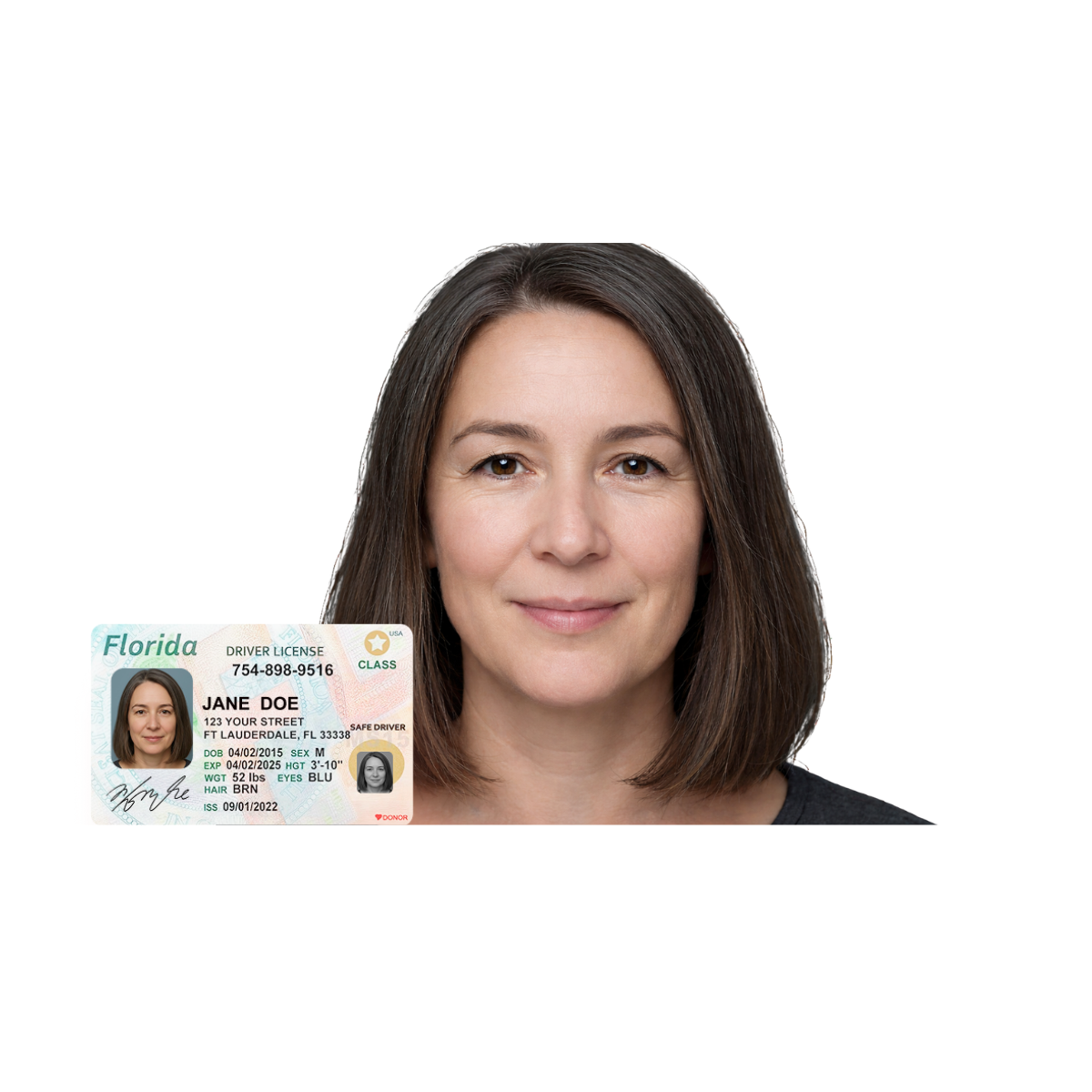
For CAMs, the result is a more repeatable administrative structure. The platform replaces email chains, PDFs, and manual follow-ups for age-related documentation with an embedded workflow that sits alongside screening, approval, and lease tracking. Documentation stays consistent across applicants, records remain organized and searchable, and boards gain a clearer operational picture without extra manual effort.
Insight 6: Connecting Lease Tracking and TEpayments by Zinc
Identity verification that never connects to a lease record or a payment confirmation leaves an operational gap. Shufti Pro delivers a verification result and stops at that point. TenantEvaluation continues the workflow through occupancy.
Lease Tracking inside TenantEvaluation provides centralized, real-time lease visibility and lifecycle control. It connects resident onboarding, unit data, approvals, and lease documentation into one streamlined, audit-ready workflow. Features such as real-time lease status, automated lease document collection during onboarding, unit-level tracking, and a searchable digital history work together to replace spreadsheets and scattered email chains that create compliance risk and operational blind spots.
TEpayments by Zinc adds a connected payment workflow inside TenantEvaluation that collects application fees, deposits, and other required resident payments within the existing onboarding process. Payments move directly from the applicant to the association’s designated account, and TenantEvaluation never holds the funds. Each association defines what to collect and at which stage, so the capability adapts to the property’s process instead of forcing a single sequence. One workflow replaces payment chasing and fragmented records.
Insight 7: Board Voting, Adverse Action, and Full Audit Trails
Board governance represents the largest gap between a global KYC tool and TenantEvaluation. Shufti Pro returns a verification score but does not provide a board voting panel, an adverse-action workflow, or a timestamped audit trail that documents every decision step from application submission through final approval or denial.
TenantEvaluation’s board-ready dashboard gives Board Members direct, real-time access to application status, AI-generated applicant summaries, and a voting panel. This structure replaces email chains and spreadsheets with a connected approval process. Every action is timestamped and auditable. When a consumer report influences a denial, the automated adverse-action workflow triggers the required FCRA notices without manual intervention, which protects the association from the liability that follows an undocumented adverse decision.
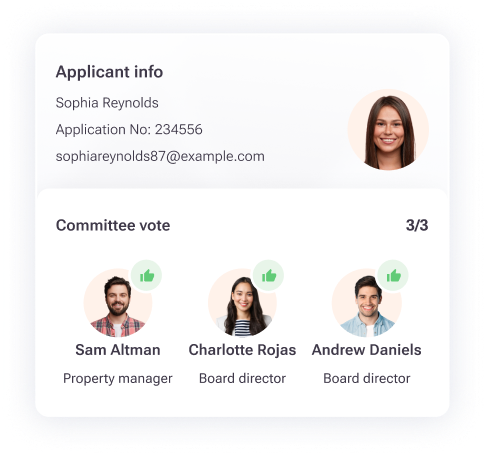
For Florida CAMs and LCAMs managing portfolios across Miami, Fort Lauderdale, Tampa, Orlando, and Jacksonville, this end-to-end audit trail from biometric identity confirmation through board vote and adverse-action notice creates a defensibility layer that generic global KYC tools cannot provide.
Frequently Asked Questions
Is biometric KYC legitimate for Florida tenant screening?
Biometric KYC now serves as a legitimate and increasingly standard component of resident onboarding for Florida condos and HOAs. The key requirement is that the biometric verification layer operates inside an FCRA-compliant screening workflow conducted by a registered consumer reporting agency. TenantEvaluation’s IDVerify+ satisfies this requirement by embedding government ID validation, AI liveness detection, and biometric facial matching directly inside an FCRA-first platform.
The verification step confirms physical presence and identity authenticity before the screening report is generated, which reinforces the permissible-purpose sequence the FCRA requires. Associations should consult legal counsel regarding any state-specific biometric data handling obligations that apply to their community.
How does TenantEvaluation maintain FCRA audit defensibility?
TenantEvaluation maintains FCRA audit defensibility through several interconnected mechanisms. As a direct reseller of TransUnion and Equifax data, it accesses consumer report data under strict bureau rules with regular compliance reviews and no gray-market or offshore sources. Permissible-purpose controls are enforced before screening authorization runs, and IDVerify+ confirms identity prior to that authorization, which supports the required sequence.
Every application generates a timestamped audit trail that covers document collection, biometric verification, board voting actions, and any adverse-action notices. The automated adverse-action workflow triggers required FCRA notices without manual intervention when a consumer report influences a denial. Together, CRA status, permissible-purpose enforcement, biometric confirmation, and automated adverse-action handling create a defensible record for every application decision.
How does 55+ Communities Verification handle age-restricted applications?
TenantEvaluation’s 55+ Communities Verification is a built-in workflow standardization capability designed for Florida condos and HOAs that manage age-restricted communities. It standardizes how age-restricted application requirements are handled across all applications and reduces the manual work, inconsistent documentation, and administrative burden that arise when CAMs and boards rely on email, PDFs, and memory-based processes.
The capability improves documentation consistency, strengthens internal operational controls, and creates a more repeatable and scalable process for age-restricted communities. It functions as a documentation-first onboarding and workflow standardization tool. It supports internal compliance-related processes and operational efficiency but does not replace legal guidance or constitute a legal verification system.
What results can CAMs expect after switching from Shufti Pro?
CAMs who move from Shufti Pro or similar standalone global KYC tools to TenantEvaluation typically see measurable operational and compliance improvements. Earlier, this article noted that communities using the connected workflow report approval time reductions of up to 70%. That improvement comes from the combination of IDVerify+ biometric verification, QuickApprove’s accelerated approval workflow, and the board-ready voting dashboard.
Administrative staff time previously spent on manual document review, payment chasing, and lease tracking decreases significantly. One Florida-based management company reported freeing up 50 hours per day after switching to TenantEvaluation. FCRA audit defensibility improves because every application generates a complete timestamped record from biometric verification through board decision and adverse-action notice. Lease Tracking and TEpayments by Zinc connect the verified identity to the full occupancy lifecycle and payment workflow, which closes operational gaps that standalone KYC tools leave open. TenantEvaluation has processed 100,000+ applications annually across 5,000+ communities, with a 4.8/5 Google rating.
Conclusion: Why Florida Associations Need a Purpose-Built Platform
The seven insights above show a consistent pattern. Generic global KYC tools like Shufti Pro address only one step in a process that Florida community associations must manage from end to end. Document-only verification creates FCRA exposure because it lacks CRA status and permissible-purpose controls. The absence of biometric liveness detection leaves communities open to impersonation and deepfake fraud at levels that document review cannot catch. Disconnected external portals break the audit chain that board defensibility requires, and no standalone KYC tool provides board voting workflows, adverse-action automation, lease lifecycle visibility, or connected payment collection.
TenantEvaluation addresses all seven gaps inside one FCRA-first platform tailored to Florida condos and HOAs. IDVerify+ delivers native biometric liveness detection and facial matching. QuickApprove accelerates board-ready approvals. 55+ Communities Verification standardizes age-restricted application handling. Lease Tracking connects onboarding to occupancy. TEpayments by Zinc collects fees and deposits in one workflow with funds going directly to the association’s designated account.
