
Key Takeaways
- Florida HOAs face rising identity fraud (93% affected) and $65M in rental scam losses, so secure screening now protects every community.
- Build compliant workflows with FCRA consent, biometric verification, audit trails, and automated adverse action notices for every applicant.
- Follow the 8-step process: define criteria, digital portal, consent, IDVerify+, background checks, board dashboard, notices, and records.
- Avoid pitfalls like synthetic ID fraud, FCRA violations, and manual delays by using tools designed specifically for HOAs.
- TenantEvaluation delivers FCRA-first screening with biometrics and board features for Florida communities, get started today.
Core Pieces of a Compliant HOA Screening Workflow
A secure, compliant tenant screening workflow protects your community and keeps every step aligned with regulations. Each application should follow the same structured process from start to finish.
- FCRA-compliant written consent captured before any screening activities
- PCI Level 1 data security with end-to-end encryption on all applicant data
- Automated adverse action notice generation with correct timing and required content
- Complete audit trails for every application, decision, and board action
- Florida HOA bylaw integration and clear board approval workflows
- Biometric identity verification that blocks synthetic ID fraud at the start
TenantEvaluation covers these needs through a comprehensive platform with TransUnion and Equifax reseller status, built-in compliance automation, and IDVerify+ biometric verification. The system is built for community associations with FCRA compliance as the base layer. Secure your workflow with TenantEvaluation’s all-in-one tools.
8-Step Blueprint for a Secure Florida HOA Screening Workflow
This 8-step process gives Florida communities a clear, repeatable system for tenant screening that holds up under scrutiny.
Applicant Start → IDVerify+ (Biometric) → FCRA Consent/Fees → SafeCheck+/IncomeEv → QuickApprove Dashboard → Board Review → Adverse Action (if needed) → Audit/Retain
Step 1: Define Clear HOA Screening Criteria
Start with objective, written criteria that every applicant must meet. Include minimum credit scores, income thresholds of about 2.5 to 3 times monthly rent, employment stability standards, and required documentation lists.
Align these criteria with your community bylaws and Florida regulations to reduce discrimination risk and keep decisions consistent.
Step 2: Use a Secure Digital Application Portal
Move all applications into a 100% online system that works on web and mobile. Applicants should complete everything in one place without paper forms or in-person visits.
The portal should support multiple languages and 24/7 access, which can cut administrative work by as much as 50 hours per day.
Step 3: Automate FCRA Consent and Fee Collection
FCRA requires written, clear, and conspicuous consent separate from the application. Your workflow should collect this consent before any credit or background checks begin.
Automated tools handle consent language, signatures, and fee processing in a single step, which reduces errors and prevents costly compliance violations.
Step 4: Add Biometric Identity Verification
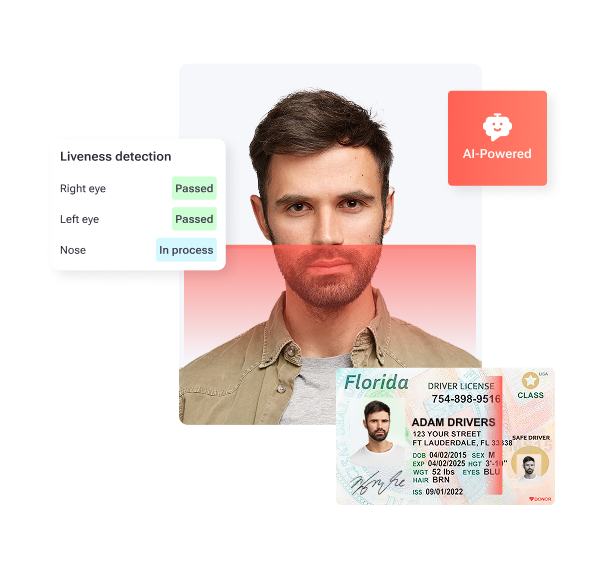
Use IDVerify+ biometric verification to stop synthetic identities before they enter your system. The process validates government IDs, checks liveness with AI, and compares facial biometrics between the selfie and ID photo.
This extra layer confirms that the person applying is real and matches the document, which traditional document review alone cannot guarantee.
Step 5: Run Comprehensive Background Screening
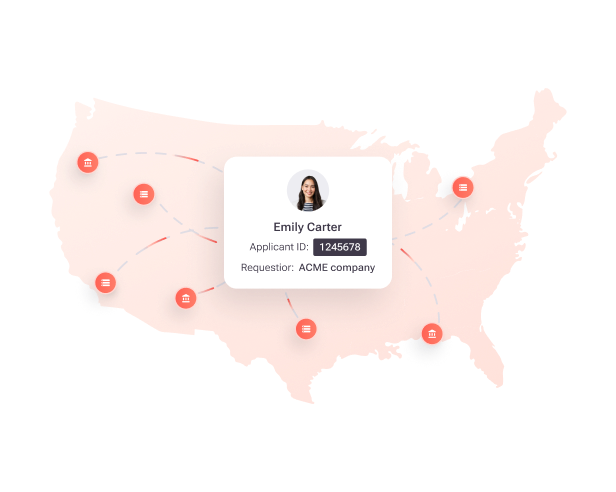
Screen every applicant with SafeCheck+ for criminal background checks and IncomeEv for employment and income verification. These tools pull data directly from credit bureaus under strict permissible purpose rules.
Direct bureau relationships improve data accuracy and keep your HOA within FCRA guidelines during every screening.
Step 6: Give the Board a Purpose-Built Review Dashboard
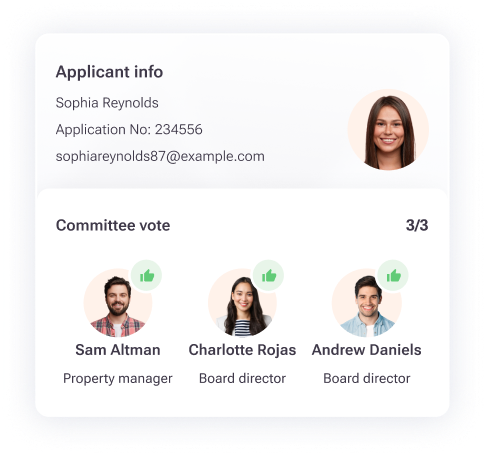
Use the QuickApprove board dashboard so directors can review applications in one secure place. The dashboard shows summaries, voting panels, and clear approval workflows.
This approach replaces scattered email threads, speeds up decisions, and preserves a clean audit trail for every vote.
Step 7: Send Automated Adverse Action Notices
Adverse action notices must include screening company information and applicant rights to dispute report accuracy. Every denial or conditional approval should trigger a compliant notice.
Automation keeps timing, content, and documentation consistent, which protects your HOA if an applicant challenges a decision.
Step 8: Preserve Audit Trails and Records
Maintain detailed records with timestamps for each application, decision, and communication. Store these records according to your policy and legal requirements.
Strong documentation supports your board during legal reviews and helps monitor ongoing compliance across the community.
TenantEvaluation processes about 100k applications each year across more than 5,000 communities, delivering up to 70% time savings and about $240K in annual savings for management companies. Implement this workflow risk-free with TenantEvaluation’s proven platform.
Florida HOA Screening Risks and How TenantEvaluation Solves Them
Florida HOAs encounter recurring screening problems that require specific tools and processes, not generic rental workflows.
- Synthetic Identity Fraud: 70% of fraud involves identity misuse or synthetic identities, so manual document review alone cannot keep communities safe.
- FCRA Violations: Buried consent language resulted in $15,000 fines for property managers, which shows how small wording issues create large penalties.
- Incomplete Applications: Manual intake allows missing documents and unanswered questions, which slows approvals and weakens compliance.
- Board Communication Delays: Email-based approvals drag out decisions and leave gaps in the audit trail for future reviews.
| Feature | TenantEvaluation | Generic Competitors |
|---|---|---|
| Processing Time | Minutes | Days |
| Biometric Verification | Yes (IDVerify+) | No |
| Board Dashboard | Yes (QuickApprove) | No |
| FCRA Reseller Status | Yes | No |
Eliminate fraud with TenantEvaluation’s biometric edge and comprehensive compliance features.
Why TenantEvaluation Fits Florida HOAs Better Than Generic Tools
TenantEvaluation focuses on community associations and builds every feature around compliance and board workflows. As a direct TransUnion and Equifax reseller, the platform uses legitimate bureau data under strict rules, which removes gray-market risk.
The revenue-sharing model creates a new income stream for communities while cutting operational costs by up to 70% through automation.
Key differentiators include:
- Purpose-built for Florida HOAs and community associations
- FCRA compliance built into every step of the workflow
- Integrated biometric verification through IDVerify+
- Board-specific dashboard via QuickApprove
- Partnerships with leading management companies including RealManage
- 4.8/5 Google rating with a long, documented track record
Generic rental screening platforms rarely match these association-specific needs. TenantEvaluation supports customizable workflows, automated compliance tasks, and streamlined board communication. Choose TenantEvaluation for compliant, secure screening that also generates revenue for your community.
A secure, compliant tenant screening workflow shields your Florida community from fraud, lowers liability, and simplifies daily operations. The 8-step blueprint above gives HOAs a clear structure for modern screening.
TenantEvaluation turns this structure into a practical, revenue-producing system through automation, biometrics, and board tools. Schedule a demo today to see how secure, automated tenant screening can support your board and residents.
Frequently Asked Questions
What is FCRA-compliant tenant screening?
FCRA-compliant tenant screening starts with written, clear, and conspicuous consent from applicants before any credit or background checks. This consent must appear in a separate document from the rental application.
Landlords must also send adverse action notices when they deny applications based on screening results. These notices include details about the screening company and explain the applicant’s right to dispute report accuracy.
Proper compliance relies on legitimate data sources through authorized resellers and complete audit trails for every screening step.
How does biometric identity verification work in tenant screening?
Biometric identity verification confirms that the applicant is real and matches their identification. The process validates government-issued IDs, checks liveness with AI during the capture, and compares a selfie to the ID photo.
This layered approach blocks synthetic identity fraud and impersonation that document-only checks often miss. The entire verification flows inside the application process, so applicants do not need separate portals or extra logins.
What is the best tenant screening software for Florida HOAs?
TenantEvaluation is built for Florida community associations and HOAs and includes FCRA-compliant screening, biometric identity verification, board dashboards, and automated compliance workflows. The platform supports custom criteria, bylaw alignment, and board communication tools.
More than 5,000 communities use TenantEvaluation, which processes over 100,000 applications each year with consistent, documented results.
How should HOAs handle adverse action notices in tenant screening?
HOAs should send adverse action notices within required timeframes whenever they deny an application based on screening results. Each notice should list the main reasons for denial, identify the screening company, and explain the applicant’s rights to dispute and request free copies of their reports.
Best practice includes putting every denial in writing, storing copies in your records, avoiding unnecessary detail that could increase liability, and documenting how the board applied its criteria.
What are Florida HOA compliance requirements for tenant screening?
Florida HOAs must follow federal FCRA rules, state regulations, and their own bylaws during tenant screening. This includes proper consent collection, use of legitimate data sources, required adverse action notices, and full audit trails for each decision.
HOAs also need screening criteria that align with fair housing laws and remain consistent across applicants. Many bylaws require formal board approval for new residents, which makes transparent review processes and clear documentation essential.