
Key Takeaways
- Luxury condominium associations benefit from specialized screening that protects property values, privacy, and community standards.
- Objective, documented criteria and strong data security reduce legal risk while keeping approvals efficient for high-value applicants.
- Tailored workflows, board portals, and clear communication improve decisions and create a smoother experience for residents and their representatives.
- Florida reserve and inspection rules make rigorous financial vetting and audit-ready documentation especially important in 2026.
- Tenant Evaluation offers a screening platform built for condo and HOA boards; schedule a demo to see how it can support your association.
Why Specialized Resident Screening Matters for Luxury Condominiums
Luxury condominium associations manage multimillion-dollar units, sensitive financial information, and residents with high privacy expectations. Screening decisions affect property values, community safety, and the reputation of the building.
Governance documents, approval workflows, and insurance rules in these communities are often complex. Board members usually play a direct role in approvals and need access to complete information without sacrificing confidentiality. Florida condo laws post-2022 require reserves and structural inspections, with 2025 updates allowing loans or lines of credit and paused payments to ease resident burdens. These conditions increase pressure on associations to screen applicants who can reliably meet ongoing obligations.
Specialized screening platforms built for luxury communities provide configurable workflows, advanced security, and compliance support. The right system reduces manual work, lowers legal risk, and improves the experience for applicants, boards, and managers.
7 Critical Considerations for Luxury Condominium Associations Choosing Resident Screening Solutions
1. Balance Exclusivity, Fair Housing, and Efficiency
Luxury buildings need high standards without violating fair housing laws. Effective screening solutions support objective criteria such as minimum credit scores, income multiples, and background parameters that align with bylaws and apply consistently to every applicant.
A strong platform automates document collection, pre-screening, and status updates so staff avoid back-and-forth email chains. Integrated income and employment verification helps confirm financial strength while keeping decisions grounded in documented data.
2. Use Advanced Technology for Secure Data Handling and Automation
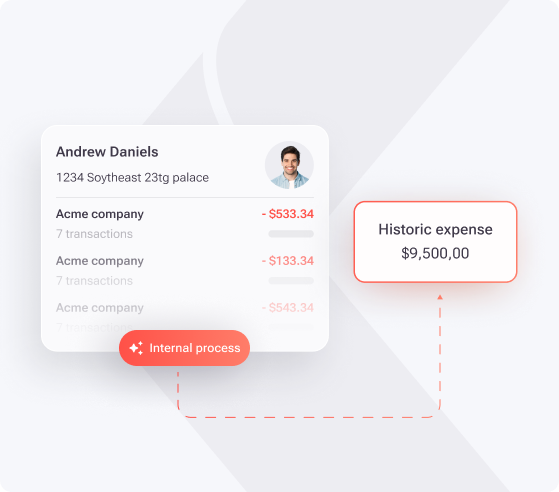
Resident screening for high-net-worth individuals requires strong protection of personal and financial data. Modern platforms should provide end-to-end encryption, strict user permissions, automatic redaction of sensitive identifiers, and compliance with standards such as PCI Level 1.
Automation also reduces human error and staff workload. AI screening software can vet tenants and contractors based on customizable criteria controlled by management. Automated workflows, reminders, and real-time notifications keep applications moving without constant manual follow-up.
3. Tailor Workflows to Match Community Standards
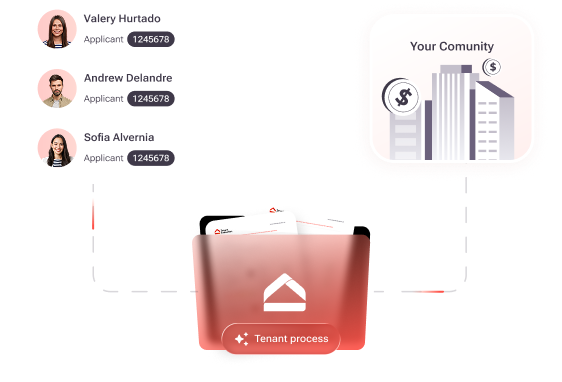
Every luxury association operates under different rules. The screening system should handle distinct paths for purchasers, tenants, roommates, and additional adult residents, along with unique document requirements such as reference letters or proof of reserves.
Configurable approval hierarchies let managers complete initial reviews before board or committee votes. Priority flags for urgent or high-profile applications help teams respond quickly without bypassing required checks. This flexibility allows the technology to match existing policies instead of forcing the community to change its process.
Schedule a demo today to see how Tenant Evaluation supports custom workflows for condominiums and HOAs.
4. Require Comprehensive Background and Financial Vetting
Screening in luxury properties usually goes beyond a simple credit and criminal check. Effective systems support searches across criminal records, eviction data, litigation, and prior landlord references, with options for global checks when communities attract international buyers or renters.
Financial review should include direct employment verification, income history, and debt-to-income analysis. Platforms that support review of liquid assets and investment balances provide a clearer view of whether a resident can meet assessments, special projects, and rising insurance costs over time.
5. Improve Transparency and Streamlined Board Approvals
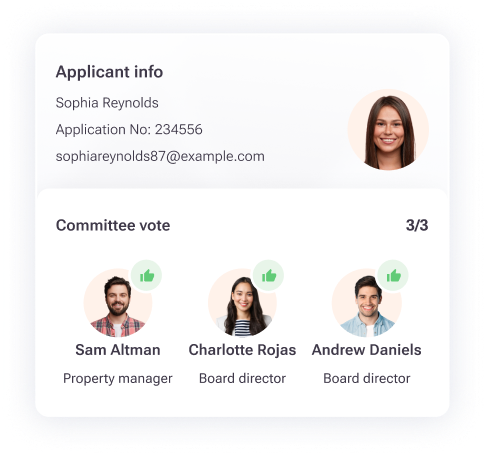
Board members need concise, accurate information to make decisions without sorting through dozens of emails or attachments. Strong screening platforms offer board portals with summary reports, side-by-side comparisons when needed, and clear timelines for each application.
Built-in voting and comment features keep everything in one place and create an audit trail of decisions. Real-time alerts on new files, expiring deadlines, and approvals keep the process moving while documenting every step for future reference.
6. Strengthen Resident Onboarding and Overall Experience
The application process sets expectations for how the community operates. A clear, mobile-friendly portal with 24/7 access, multilingual support, and simple document uploads signals a professional and organized association.
Applicants benefit from upfront explanations of requirements, fees, and timelines. Responsive support, whether live or automated, reduces frustration for residents, real estate agents, and attorneys. Branded communications and consistent updates help protect the community’s reputation in a competitive luxury market.
7. Address Florida-Specific Compliance and Risk in 2026
Florida luxury condominiums face rising costs related to reserves, insurance, and structural work. Florida condo associations face financial pressures from 2022 laws requiring reserves for major repairs, leading to hefty fees and subsequent flexibility laws. These conditions make careful financial review and thorough documentation essential.
Screening platforms that incorporate Florida-specific notices, disclosures, and recordkeeping help associations maintain compliance with state and federal rules. Detailed audit logs, consistent criteria, and securely stored files support the association during regulator reviews, disputes, or insurance questions.
Frequently Asked Questions
How can luxury condominium associations balance exclusivity with fair housing laws?
Associations can set clear, written standards for income, credit, background checks, and references, then apply them uniformly to every applicant. A specialized screening platform helps enforce those standards, records the basis for each decision, and limits the influence of subjective factors that could create fair housing risk.
What technology features matter most for protecting applicant data?
Key features include encryption for data in transit and at rest, role-based access controls, automatic masking of Social Security numbers and account details, and detailed access logs. Support for FCRA compliance and secure payment processing further reduces risk for the association and its residents.
How do Florida’s recent condominium laws affect resident screening in 2026?
Reserve and inspection requirements from 2022, along with refinements in 2025, increase the financial pressure on associations. These conditions make it more important to approve residents who can reliably meet assessments and other obligations. A robust screening system helps identify financially stable applicants and documents the process in case decisions are questioned.
What role should Board Members play in the screening process?
Board Members should define screening standards, review summary reports for higher-risk or unusual cases, and use structured voting tools to document decisions. Technology can handle intake, verification, and presentation of information so the board can focus on governance and oversight instead of chasing paperwork.
How can associations measure the ROI of specialized screening technology?
Associations can track time saved on each application, total days from submission to decision, the rate of incomplete files, and any reduction in legal or compliance issues. Improvements in resident satisfaction, fewer disputed decisions, and better collection of application and move-in fees also indicate a positive return.
The Future of Resident Screening for Luxury Communities
Luxury condominium associations in 2026 operate in a demanding environment that rewards careful screening and penalizes gaps in compliance or documentation. Manual processes and generic tools rarely provide the control, security, and flexibility these communities need.
A platform built for luxury condos and HOAs can centralize applications, automate verification, support Florida-specific requirements, and give boards the information they need to decide with confidence. Schedule a demo today to see how Tenant Evaluation can help your association streamline screening, strengthen compliance, and support long-term property values.