
Key Takeaways
- Efficient resident screening helps Florida HOAs capture more application fee revenue and reduce payment leakage.
- Stronger background, credit, and income checks lower the risk of costly evictions and turnover-related losses.
- Automated, Florida-aware compliance workflows reduce exposure to fines and legal fees while protecting the association.
- Centralized data, reporting, and integrated workflows free staff time, support better budgeting, and guide long-term financial planning.
- Tenant Evaluation helps Florida HOAs modernize screening, increase revenue, and stay compliant; schedule a walkthrough to see how the platform supports your community.
The Critical Link Between Screening and HOA Revenue
Screening quality shapes HOA revenue more than many boards realize. Manual or outdated processes often lead to missed or delayed application fees, higher eviction risk, heavier administrative workloads, and greater exposure to legal costs.
The HOA software market is expanding, and market size is projected to grow from 9.5 billion dollars in 2023 to 18.0 billion dollars by 2032. Communities that modernize screening and onboarding in 2026 stand to capture more of that value while reducing financial risk.
A single poorly vetted resident can create thousands of dollars in legal fees, repairs, and lost assessments. Automated screening platforms such as Tenant Evaluation centralize applications, apply consistent criteria, and help turn screening from a cost center into a reliable revenue driver.
1. Maximize Application Fees and Streamline Collection
Reliable fee collection is one of the fastest ways to strengthen HOA revenue. Manual payment tracking often leads to missed fees, partial payments, or extra staff time spent chasing checks and reconciling records.
Advanced screening platforms include integrated, online payment tools that collect fees up front and record them automatically. Approximately 95 percent of HOA software users rate payment processing features as highly important for revenue performance. Automated collection reduces errors, speeds approval, and improves cash flow.
Tenant Evaluation uses a revenue-sharing model that routes application fees through the platform, deducts service costs, and returns the remainder to the association. This approach helps many HOAs move screening from a break-even expense to a consistent income line without extra workload for staff.

2. Reduce Costly Turnover and Eviction Expenses
Turnover and evictions create some of the largest avoidable costs for Florida HOAs. Legal fees, repairs, vacancy periods, and reputational damage can quickly exceed the value of months of assessments from a single unit.
Comprehensive screening software pulls criminal searches, eviction history, credit data, and verified income into a single workflow. Well-implemented tenant screening can cut time and costs by up to 65 percent compared with manual methods. Better insight into applicant risk helps boards approve residents who are more likely to pay on time and follow community rules.
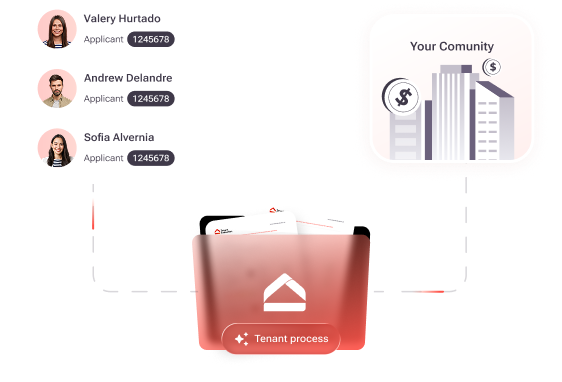
Preventing just one eviction often offsets a large portion of the annual software cost. Reduced damage, fewer legal disputes, and more stable occupancy all contribute to stronger long-term revenue.
3. Improve Compliance and Limit Regulatory Costs
Compliance failures create direct financial risk for Florida associations. Fair housing rules, state laws, and local ordinances all shape how HOAs must handle applications, data, and approvals.
Advanced screening systems support FCRA-compliant background checks, standardized criteria, and clear workflows. Tenant Evaluation offers Florida-specific configuration that aligns with state statutes and community bylaws, which helps reduce error and inconsistency across board members and managers.
Detailed audit trails document who viewed, changed, or approved an application. In the event of a dispute or review, these records help demonstrate fair processes and can reduce exposure to fines, settlements, and legal fees.
4. Boost Operational Efficiency and Reclaim Staff Time
Administrative overhead quietly erodes HOA revenue. Manual review of documents, phone calls to applicants, and unstructured email chains around approvals consume hours that could support projects with clearer financial impact.
Screening software uses guided forms, automated reminders, and standardized workflows to keep applicants and managers aligned. Tenant Evaluation reports include examples of Florida associations that cut application processing times by roughly half and removed dozens of hours of manual work per week through automation and centralized communication.
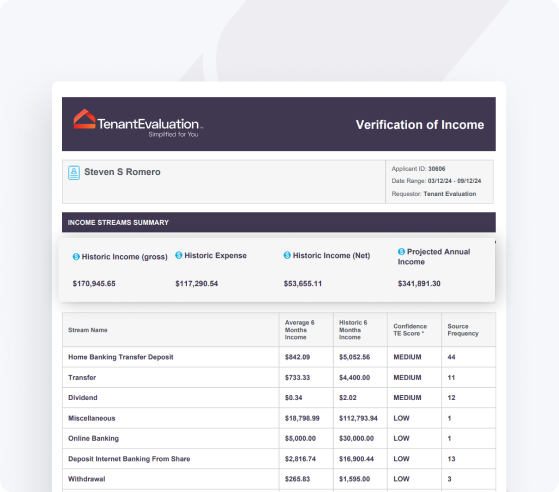
Freed capacity lets staff focus on collections, vendor negotiations, capital planning, and resident engagement. Faster approvals also mean fewer days between move-out and move-in, which helps stabilize assessments and fee revenue.
5. Use Screening Data to Guide Financial Strategy
Application and resident data can inform many financial decisions. HOAs that capture and analyze this information gain clearer insight into who lives in the community and what they value.
Modern platforms provide dashboards, exportable reports, and trend views that highlight demographics, rental versus owner-occupied ratios, and payment behavior. HOA management systems support accurate income tracking that helps plan maintenance and calculate appropriate dues increases, which reduces the chance of revenue shortfalls.
Boards can pair these insights with reserve studies and vendor costs to evaluate projects such as EV charging, fitness centers, or pet amenities. Aligning investments with resident demand can support property values and justify incremental dues or usage fees where appropriate.
6. Create New Revenue Opportunities Through Better Processes
Professional, well-documented screening and onboarding processes make an HOA more attractive to partners and residents. Reliable systems signal that the community is organized and financially stable.
Tenant Evaluation’s revenue-sharing model illustrates how technology can convert a traditional cost category into a modest but steady income stream through application fees. Strong data and consistent workflows also help associations negotiate better terms with insurers, lenders, and service providers, which closes cost gaps and supports net revenue.
Over time, a reputation for fair, efficient screening can attract higher-quality applicants and real estate partners who prefer to work with organized associations. That stability often supports stronger resale values and more predictable assessment income.
Manual Processes vs. Advanced Screening Software
|
Feature or Benefit |
Manual Processes |
Advanced Screening Software |
|
Application fee collection |
Prone to errors and delays |
Online, automated, and reliably tracked |
|
Resident turnover |
Higher risk of eviction and vacancy loss |
Better-qualified residents and lower risk |
|
Compliance management |
Complex, often inconsistent |
Standardized, auditable workflows |
|
Operational efficiency |
Time-consuming and paper-heavy |
Streamlined tasks and faster decisions |
Frequently Asked Questions
How much time can a Florida HOA save with screening software?
Many associations see application processing time drop by 50 to 70 percent after adopting an integrated platform. Staff members spend less time on data entry, follow-ups, and file organization, which frees capacity for collections, resident communication, and long-term planning.
How does screening software support Florida-specific compliance needs?
Specialized HOA screening tools can be configured with Florida statutes, local rules, and community documents in mind. These systems apply consistent criteria, maintain audit trails, and support FCRA-compliant background checks, which helps reduce the risk of violations and fines.
Can screening software connect with existing accounting tools?
Most modern HOA platforms either include built-in accounting or integrate with common financial systems. Integration reduces duplicate data entry, improves assessment tracking, and supports clear financial reporting for boards and auditors.
What kind of ROI can HOAs expect from advanced screening software?
Return on investment depends on community size and starting processes, but many HOAs recover costs within the first year through better fee collection, lower administrative overhead, and avoided eviction or compliance expenses. Ongoing efficiency gains continue to add value each renewal cycle.
How does screening software increase revenue beyond basic efficiency gains?
Screening technology helps capture every eligible application fee, protect assessment income by lowering default risk, and provide data that supports better budgeting and amenity planning. Platforms like Tenant Evaluation also offer revenue-sharing structures that turn application processing into a small but meaningful income source.
Conclusion: Strengthen Your HOA’s Financial Position in 2026
Florida HOAs that modernize screening and onboarding processes in 2026 can improve revenue, reduce risk, and lighten the load on staff and volunteer boards. Consistent, data-driven decisions help protect assessments, avoid unnecessary legal costs, and support healthy reserves.
Advanced screening software such as Tenant Evaluation supports this shift by combining payment collection, background checks, compliance tools, and analytics in one place. The result is a more stable financial foundation and a better experience for applicants, residents, and managers alike.