
With Florida’s complex regulations, associations must balance thorough vetting with legal compliance and efficiency. The need for transparency and financial responsibility makes effective screening more critical than ever for community leaders. Florida homeowner associations (HOAs) and condominium associations often face financial risks due to weak resident screening practices.
This guide explains how professional screening protects community finances, stabilizes revenue, and increases HOA income. It offers practical strategies to improve resident quality and strengthen your association’s financial health with a focus on actionable steps.
Why Weak Resident Screening Threatens HOA Revenue in Florida
Poor screening practices create financial risks that go beyond a missed payment. Associations using basic checks or outdated methods face issues that can harm budgets and long-term stability.
Unpaid assessments hit revenue hard. When residents fail to pay on time, associations may tap into reserves, postpone maintenance, or raise fees for other members to cover the shortfall.
Property damage by problematic residents adds extra costs. Neglect or rule-breaking often leads to repairs that drain budgets and pull funds away from planned projects or services.
Legal fees and collection expenses pile up quickly. Pursuing unpaid assessments, evicting residents, or handling violations requires resources that provide no real return for the community.
Loss of funds for essential services becomes a major concern, especially with Florida’s HB 913 rules on structural reserves and CAM licensing. Preventable losses from poorly screened residents can jeopardize these requirements.
Resident quality directly affects financial health. Reliable residents pay on time, care for property, and help maintain or boost property values. Problematic ones drain resources and impact the entire community’s finances.
Strong screening acts as a safeguard for revenue. By addressing risks early, associations can keep cash flow steady and protect reserve funds for their intended use.
Don’t risk your association’s funds with outdated screening. Schedule a demo today to learn how TenantEvaluation can simplify applications, ensure compliance, and increase revenue for your HOA or condo association.
Key Elements of Effective Resident Screening for Florida HOAs
Professional screening goes beyond simple checks to build a detailed risk profile. It protects association interests while meeting fair housing standards. Here are the core components.
Detailed Background Checks with SafeCheck+
Basic criminal history searches often miss critical details. Advanced screening accesses national and global data for a fuller view of an applicant’s history.
These checks cover criminal records across jurisdictions, sex offender registries for safety, and other legal issues like evictions or judgments that signal potential risks.
Compliance with the Fair Credit Reporting Act (FCRA) is non-negotiable. Following federal rules on handling consumer data protects both the association and applicants while keeping decisions legally sound.
Tools like TenantEvaluation’s SafeCheck+ automate these in-depth checks while meeting compliance standards. This reduces manual work for managers and ensures consistent results across applications.
Ensuring Financial Stability with IncomeEV
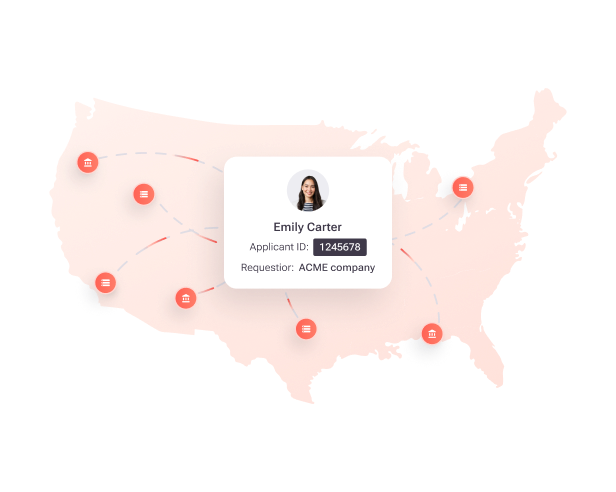
Self-reported income can be unreliable. Professional verification contacts employers to confirm employment status, tenure, and actual earnings for a true financial picture.
Solutions like TenantEvaluation’s IncomeEV offer real-time verification to rule out fake documents. This confirms that applicants can consistently meet assessment payments.
Stable, verified income lowers the risk of payment issues, securing the association’s main revenue source. This step is vital for long-term financial commitments in condo ownership or leases.
Verification also assesses if applicants can handle not just regular fees but also potential special assessments or rate hikes, protecting associations from future defaults.

Checking Rental History and References
Past rental behavior often predicts future actions. Speaking with previous landlords reveals patterns that other checks might miss.
These discussions cover payment timeliness, property care, rule adherence, and neighbor relations. They show if applicants respect community standards and handle responsibilities well.
Eviction history is a key factor. Past evictions suggest higher risks of payment issues or legal trouble, though associations must consider context to stay fair housing compliant.
Personal references add further insight into an applicant’s character and fit with community values, helping assess their potential contribution to the environment.
Using Technology for Document Verification with IDverify
Document fraud is a growing concern. Tools like Tenant Evaluation’s IDverify confirm the authenticity of identity documents, preventing misrepresentation by applicants.
These systems detect tampering or forgery and cross-check data against trusted sources. This removes guesswork from manual reviews and delivers clear results.
Such practices align with Florida’s HOA transparency requirements, showing a commitment to professional screening and legal accountability.
Automated verification also builds audit trails. These records prove decisions were based on valid data, offering protection during legal or regulatory scrutiny.

Improve your screening process with reliable tools. Schedule a demo today to see how TenantEvaluation can simplify applications, meet compliance needs, and enhance revenue for your HOA or condo association.
Financial Benefits of Strong Screening for Florida HOAs
Professional screening delivers clear financial gains, from direct savings to long-term revenue protection. Understanding these benefits helps justify the investment and refine revenue strategies.
Cutting Down on Delinquencies and Unpaid Fees
Thorough screening reduces payment defaults, securing the association’s main income source. Verifying income and history upfront lowers the chance of missed assessments.
Avoiding defaults saves more than just the payment itself. It cuts collection costs, legal expenses, and time spent chasing overdue fees, adding up to major savings over time.
This is crucial under Florida’s rules, like requirements for structural reserve funding. Missed payments can threaten compliance, leading to penalties or emergency funding needs.
Preventing defaults also stops ripple effects. It avoids raising fees for others or delaying projects, keeping the community stable and residents satisfied.
Lowering Legal and Repair Costs
Effective screening reduces expensive legal battles, evictions, and damage claims that hurt budgets. Problematic residents cost more than money; they also take time and resources.
Evictions alone can rack up thousands in fees, court costs, and lost income during vacancies. Identifying risky applicants early avoids these expenses completely.
Property damage is another budget drain. Applicants with poor histories often cause issues that exceed deposits, leading to unplanned repair costs.
Compliance costs also drop with professional screening. Partnering with legal experts to meet fair housing laws becomes easier with automated tools that apply consistent, fair criteria.
Improving Community Quality and Property Values
Good screening builds a stronger community, which supports property values and financial health. Quality residents maintain properties, engage positively, and attract others like them.
Well-managed communities with reliable residents see steadier property value growth. This protects owners’ investments and supports the association’s financial foundation.
Reputation matters too. Communities known for strong management fetch higher rental and sale prices, benefiting owners and helping attract qualified applicants.
Other gains include lower insurance and maintenance costs due to better property care, plus greater resident involvement that boosts community unity and value.
Meeting Florida’s Unique Compliance Needs
Florida’s regulations offer chances to use screening for compliance and financial gain. HB 913’s rules on CAM licensing and reserves highlight the need for accountable management, which screening supports.
Advanced tools aid compliance with website transparency mandates by keeping digital records and clear processes.
Florida House Bill 43 on reusable screening reports brings benefits and risks. While it can speed up applications, accuracy concerns remain, which professional tools can address through verification.
Requiring written statements on report accuracy adds legal protection, but only works with systems that spot errors or fraud in submitted data.
Protect your association’s finances with tested screening methods. Schedule a demo today to discover how TenantEvaluation streamlines applications, ensures compliance, and grows revenue for your HOA or condo association.
Building a Complete Screening Approach with TenantEvaluation
A strong screening strategy needs a platform that handles every step of resident evaluation. TenantEvaluation offers Florida associations a full solution to safeguard finances while staying compliant and efficient.
Simplifying Applications with Smart Form Logic
TenantEvaluation’s smart form logic cuts administrative hassle by adapting forms to applicant answers and community rules. This ensures complete, accurate submissions without extra follow-ups.
The system tailors questions to applicant types, like owners or tenants, avoiding irrelevant fields while gathering all needed data for review.
Automated checks confirm documents, forms, and signatures before submission. This prevents delays from incomplete applications and keeps data quality high.
Available 24/7 with support in 11 languages, the platform fits applicants’ schedules and serves Florida’s diverse population, maintaining strict screening standards.
Speeding Up Decisions with QuickApprove
The QuickApprove dashboard gives board members clear access to application summaries and screening results, designed for efficient decision-making.
Board members can vote online, skipping slow email threads or manual tracking. Real-time updates keep everyone informed on application status and timelines.
Automatic alerts notify board members of pending reviews, ensuring quick action without overloading them with details. Audit trails log all actions for transparency and compliance.
Clients report saving up to 50 hours daily on staff time with this automation, redirecting focus to valuable community tasks and cutting costs.
Protecting Data with Auto-Redaction
With PCI Level 1 compliance and full encryption, TenantEvaluation secures applicant data at a bank-level standard, reducing risks of breaches for associations.
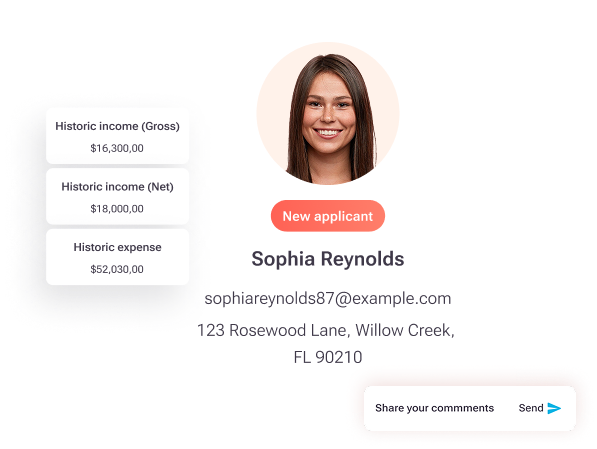
Auto-redaction hides sensitive details, like social security numbers, before board or staff view them. This cuts privacy risks tied to manual data handling.
Detailed audit trails track access to data, offering records for compliance or legal needs. Digital storage eliminates risks of paper-based systems.
Built-in FCRA compliance ensures background checks meet federal standards, lowering legal risks and administrative workload.
Generating Income with a Revenue-Sharing Model
TenantEvaluation’s revenue-sharing approach turns screening into a potential income source. Associations keep part of application fees after service costs, rather than paying upfront.
This provides a direct financial benefit without straining budgets. Funds can cover other costs or support community projects.
Automated fee collection simplifies payment tracking, cutting manual work and ensuring consistency. Detailed reports show revenue and screening activity.
For larger communities with high turnover, this model offers ongoing financial gains while improving screening quality and compliance.
|
Feature |
TenantEvaluation |
Manual Processes |
Generic Screening Tools |
|
Comprehensive Screening |
Yes (SafeCheck+, IncomeEV, IDverify) |
No (inconsistent, prone to omissions) |
Limited (basic background checks only) |
|
Automated Workflows |
Yes (Intelligent Form Logic, QuickApprove) |
No (manual tracking, phone calls, emails) |
Limited (basic digital forms) |
|
Florida Compliance |
Yes (customizable for specific regulations) |
Variable (requires manual checks) |
No (generic, not Florida-specific) |
|
Data Security |
Yes (PCI Level 1, auto-redaction, encryption) |
Low (manual handling, high breach risk) |
Variable (provider-dependent features) |
|
Board Transparency |
Yes (QuickApprove dashboard with voting) |
No (manual document sharing) |
No (lacks board portal) |
|
Revenue Generation |
Yes (Revenue Sharing Model) |
No (cost center with potential lost revenue) |
No (service fees, no revenue share) |
See the impact of a tailored platform on revenue protection. Schedule a demo today to explore how TenantEvaluation streamlines applications, boosts compliance, and increases revenue for your HOA or condo association.
Common Questions About HOA Screening and Revenue Protection
What Financial Risks Come from Poor Resident Screening?
Weak screening creates serious financial threats for associations. Unpaid assessments cut into core revenue, forcing tough choices like special fees or delayed maintenance.
Legal disputes add major costs, from attorney fees to court expenses and lost management time. Problematic residents often cause repeated issues, multiplying expenses.
Property damage frequently outstrips deposits, leading to unexpected repair costs. Poorly screened residents tend to neglect upkeep, impacting units and shared spaces.
Compliance issues can lead to fines and extra oversight. Fair housing violations from improper screening may trigger federal penalties and ongoing legal costs.
How Does Florida’s HB 43 Affect HOA Screening Processes?
Florida’s House Bill 43 allows reusable tenant screening reports with credit, criminal, rental, and income data. While this can speed up applications, it raises accuracy concerns.
Outdated or falsified reports are a risk. They might miss recent changes in an applicant’s status or contain fake information hard to spot without extra checks.
Associations should cross-check data with independent sources and require applicants to confirm report accuracy in writing. Professional tools add verification to catch inconsistencies.
Though not required to accept these reports, rejecting them might deter good applicants. A balanced policy with added verification steps protects screening integrity.
Can HOAs Use Income and Credit Checks Without Breaking Fair Housing Laws?
Yes, HOAs can use income verification and credit history in screening if they meet fair housing and state laws. These criteria must serve clear business needs, like financial protection.
The key is consistent, non-discriminatory standards applied to all applicants. Income rules should match real assessment needs, not create unfair barriers.
Legal review of screening policies ensures compliance with federal and Florida laws. This prevents unintentional bias while maintaining effective standards.
Documentation is vital for defending decisions in investigations. Automated systems provide audit trails and uniform criteria application, reducing compliance risks.
How Does TenantEvaluation Increase HOA Revenue?
TenantEvaluation boosts revenue through direct income and cost savings. Its revenue-sharing model lets associations keep part of application fees after service costs.
Cost savings come from reduced staff time, with up to 50 hours saved daily through automation. This frees resources for high-value community work.
Risk reduction prevents losses from delinquencies, legal issues, and damage. These avoided expenses often outweigh direct fee income, delivering major financial benefits.
Better resident quality supports property value growth and market appeal. This strengthens both owner investments and association revenue stability.
What Compliance Benefits Does Professional Screening Offer Florida HOAs?
Professional tools deliver key compliance advantages in Florida’s complex rules. Automated FCRA adherence ensures background checks meet federal standards, cutting legal risks.
PCI Level 1 certification and encryption meet data protection needs. Auto-redaction prevents privacy issues by hiding sensitive information during reviews.
Audit trails document all screening actions for legal or regulatory checks. These records prove consistent, fair processes were followed.
Customization for Florida’s rules, like transparency mandates and reserve requirements, integrates screening with broader compliance needs, easing administrative tasks.
Conclusion: Strengthen Your Florida HOA with Smart Screening
Professional resident screening is a cornerstone of financial stability and community success. Florida associations adopting thorough strategies can navigate complex rules while protecting finances and resident quality.
The financial upside spans immediate savings from less administrative work to long-term protection against unpaid fees and legal costs. Associations see better cash flow, fewer expenses, and stronger community value.
Platforms like TenantEvaluation offer a complete solution, blending advanced verification, automation, and board tools to safeguard interests and meet regulatory needs.
Florida’s evolving laws on licensing, reserves, and transparency call for modern screening that manual methods can’t match. Professional tools provide adaptability for future changes.
Moving from reactive fixes to proactive prevention sets associations apart. This shift attracts quality residents, maintains property values, and ensures stability amid economic challenges.
Investing in screening creates lasting value through efficiency, lower risks, and better community quality. Associations viewing it as a strategic tool gain a clear edge in Florida’s market.
Ready to enhance your association’s finances and operations? Schedule a demo today to see how TenantEvaluation can improve resident screening, ensure compliance, and increase revenue for your HOA or condo association.