
Key Takeaways
- Consistent, well-documented screening policies reduce legal risk and support a safer, more stable HOA community.
- Clear, objective criteria that align with Fair Housing and FCRA rules help boards make fair, defensible approval decisions.
- Comprehensive background, credit, and income checks provide a fuller picture of applicant risk than manual reviews alone.
- Digital tools that support applications, approvals, audit trails, and communication save staff time and improve resident experience.
- Tenant Evaluation offers an all-in-one, compliant screening platform for HOAs, making it easier to manage applications and approvals; get started with Tenant Evaluation to modernize your community’s process.
Why Robust Resident Screening Is Essential for HOAs
Resident screening sets the tone for community safety, financial stability, and day-to-day harmony. HOAs that rely on manual or inconsistent procedures face higher risks of security incidents, avoidable delinquencies, and disputes that can escalate into costly legal action.
Consistent, policy-based screening supports better resident fit and protects the board by showing that each decision follows documented standards. HOAs that adopt structured screening approaches report fewer conflicts, steadier collections, and stronger community trust.
7 Essential Resident Screening Best Practices for HOAs
1. Establish Clear, Non-Discriminatory Screening Criteria
Objective criteria form the core of a fair and defensible screening program. HOAs should define specific standards for credit scores, minimum income, criminal history, and rental history, and then apply them in the same way to every applicant.
HOAs cannot create or enforce rules that disadvantage Fair Housing Act protected groups, such as race or ethnicity. Screening policies must align with community governing documents while remaining consistent with federal Fair Housing requirements and any state or local rules.
A written screening checklist helps staff follow the same steps for each file and creates a record of how criteria were applied. Yearly legal review of your criteria and forms helps keep policies aligned with evolving regulations. Request a Tenant Evaluation demo to see how standardized digital criteria can support consistency across all applications.
2. Ensure FCRA and Fair Housing Act Compliance
Compliance with the Fair Credit Reporting Act (FCRA) and Fair Housing Act protects both applicants and the association. Screening procedures must prohibit discrimination based on race, color, national origin, religion, sex, familial status, or disability and require written consent before background checks.
The FCRA sets rules for how boards use and store credit and background data, including secure handling, limited access, and proper disposal. When screening results lead to a denial or conditional approval, boards must issue accurate adverse action notices that explain key reasons for the decision.
Written protocols for consent forms, data storage, retention, and adverse action notices reduce mistakes and support compliance. Regular staff training and clear policy manuals give managers and board members a reference point when questions arise.
3. Implement Comprehensive Background Checks
Effective screening looks beyond a simple credit score. Strong programs review criminal records, eviction history, rental references, and overall financial stability to form a more complete risk profile.
Criminal history reviews should weigh the type of offense, severity, and how long ago it occurred rather than relying on broad bans that can conflict with Fair Housing guidance. HOA approval is best obtained before leases are finalized to avoid conflicts if an applicant fails screening.
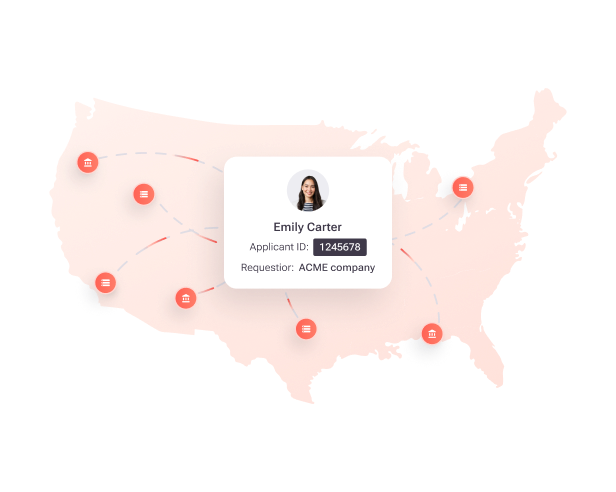
Income and employment checks should verify details with employers or financial records rather than relying only on self-reported information.
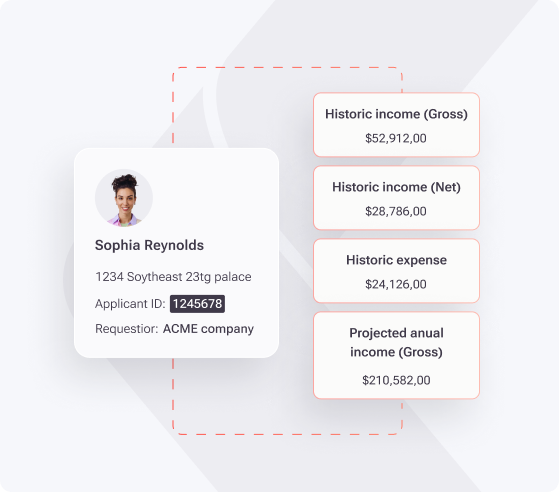
Specialized screening providers access national databases, verify identities, and consolidate reports, which improves accuracy and reduces administrative strain on onsite staff.
4. Streamline Application and Approval Processes
Digital applications cut down on paper, data entry, and back-and-forth emails that slow down approvals. Online forms can require key fields, validate information in real time, and route applications automatically to managers and boards.
Automated workflows shorten turnaround times, reduce errors, and give applicants clear visibility into where their file stands. Features such as integrated fee collection, document upload, and electronic signatures reduce manual tasks for staff.

For boards, a central dashboard that summarizes each application and tracks votes or decisions supports faster, more organized approvals while preserving a clear audit trail.
5. Foster Transparency and Communication
Clear expectations reduce misunderstandings and disputes. Applicants should receive upfront information about community rules, restrictions, and screening standards so they can decide whether the property fits their needs.
Early disclosure of HOA rules helps filter out applicants who are not a good match and limits surprises during move-in. Written summaries of pet policies, parking limits, move-in fees, and amenity rules give applicants a realistic picture of daily life in the community.
Multiple communication channels, such as email notifications, text alerts, and online portals, keep applicants informed about status and next steps. A brief FAQ page outlining timelines and required documents can cut down on repetitive questions and improve applicant experience.
6. Maintain Comprehensive Documentation and Audit Trails
Good records protect the association when decisions are challenged. Inconsistent enforcement or unclear documentation can make HOA rules and fines difficult to enforce.
Each application file should contain:
- Application date and time
- Screening criteria used
- Key results from credit, background, and income checks
- Written decision and rationale
- Copies of notices sent to the applicant
Digital systems that timestamp actions and store communication threads create an automatic audit trail. Periodic internal audits help confirm that staff and board members follow the same procedures for every applicant.
7. Leverage Technology for Efficiency and Compliance
All-in-one platforms bring applications, screening reports, approvals, and communication into one place. Features such as ID verification, income verification, background checks, and fee processing support consistent decisions and reduce manual work.
See how Tenant Evaluation’s HOA-focused platform can support efficient, compliant resident screening with tools built specifically for community associations.
|
Feature |
Manual Resident Screening |
Tech-Driven Resident Screening |
|
Application Type |
Paper forms, email submissions |
Online applications via web and mobile |
|
Document Handling |
Physical collection, manual checks |
Digital upload, logic-based validation, ID checks |
|
Background Checks |
Manual outreach, uneven coverage |
Integrated criminal, credit, and eviction data |
|
Approval Process |
Email chains, in-person meetings |
Central dashboard, digital review and voting |
|
Compliance Risk |
Higher risk from manual errors |
Lower risk with standardized workflows |
|
Data Security |
Paper files, mixed storage practices |
Encrypted storage and controlled access |
|
Admin Burden |
Heavy staff workload |
Reduced workload through automation |
|
Transparency |
Limited status updates |
Real-time tracking for applicants and boards |
|
Cost Impact |
Hidden costs from time and errors |
Predictable costs and potential fee-based revenue |
Frequently Asked Questions (FAQ) about Resident Screening Best Practices
What legal pitfalls should HOAs avoid in resident screening?
HOAs should avoid any practice that treats applicants differently based on protected characteristics, or that applies rules inconsistently. Policies must follow Fair Housing standards, use objective criteria, and require written consent for background checks. Detailed documentation of each decision, combined with periodic legal review, helps reduce the risk of discrimination claims or challenges to enforcement.
How does technology improve the efficiency of HOA resident screening?
Technology supports faster, more accurate screening by moving applications, document collection, and approvals online. Platforms can verify IDs and income, pull background data, route files to board members, and notify applicants automatically. This automation reduces manual tasks, shortens approval times, and creates consistent records for compliance and reporting.
Can an HOA reject an applicant based only on a criminal record?
Boards can consider criminal history as part of screening, but blanket bans pose risk. Policies work best when they assess the type of offense, its relevance to community safety, how long ago it occurred, and any signs of rehabilitation. Structured guidelines that weigh these factors reduce the chance that criminal history rules will be viewed as discriminatory.
What is the benefit of a revenue-sharing model for application fees?
Revenue-sharing models allow HOAs to offset screening-related administrative costs. The screening provider collects the application fee, retains its portion, and returns an agreed share to the association. This structure can create a modest new income stream for community projects or reserves while keeping screening professional and consistent.
How can HOAs keep screening processes compliant as regulations change?
HOAs can stay current by working with screening partners that monitor regulatory updates, scheduling periodic reviews with legal counsel, and providing ongoing training for managers and board members. Technology platforms that update workflows, notices, and audit trails in line with new rules help maintain compliance without constant manual revisions.
Conclusion: Building a Consistent, Defensible HOA Screening Program
Structured, transparent screening gives HOAs a reliable way to support safety, financial stability, and fairness. Clear criteria, thorough checks, and strong documentation protect both the community and the board.
Digital tools now make it realistic for associations of any size to manage applications, screening, and approvals in a consistent way. Get started with Tenant Evaluation to see how an HOA-focused platform can help your community modernize resident screening in 2026.