
Key Takeaways
- Automated onboarding reduces manual paperwork, shortens approval times, and lowers administrative stress for Florida HOA and condo boards.
- Smart workflows and FCRA-compliant screening tools help communities follow Chapters 718 and 720 while applying rules consistently and fairly.
- Built-in security and redaction tools protect residents’ personal data and reduce the risk of costly breaches and compliance issues.
- Integrated payment tools, dashboards, and analytics turn onboarding into a predictable, transparent process that can also support new revenue.
- Tenant Evaluation offers an all-in-one automated onboarding platform for Florida HOAs and condos. Schedule a demo today to see it in action.
Why Florida HOAs And Condos Benefit From Automated Onboarding
Florida communities deal with complex laws, diverse residents, and steady application volume. Manual onboarding turns those realities into delays, confusion, and extra work.
Managers often chase missing paperwork, re-enter data, and coordinate between buyers, tenants, realtors, and board members. These tasks slow approvals and increase frustration for everyone involved.
State regulations under Chapter 718 for condominiums and Chapter 720 for HOAs require careful screening and documentation. Manual systems raise the odds of human error, which increases legal and financial risk. Board members frequently cite rule enforcement and compliance as major stressors.
Paper-based approvals keep boards from seeing complete, current information at the same time. That gap can stretch decisions into weeks and damage trust with incoming residents and real estate partners.
Many communities also leave money on the table. Disconnected fee collection and slow processes create extra costs and missed revenue that modern platforms can help capture.
Automated onboarding addresses these problems at once. Communities gain faster workflows, clearer compliance, better resident experience, and stronger financial controls.
7 Automation Tools To Streamline Florida HOA And Condo Onboarding
1. Digital Applications And Smart Document Collection
Digital application portals replace paper packets and office visits with a simple online experience that works on any device, at any time.
Applicants can complete forms, upload documents, and track status in one place. Built-in checks flag missing items or errors before submission, which cuts down on back-and-forth emails and phone calls.
Processing time often drops significantly when teams stop retyping data or sorting physical files. For out-of-state and international applicants, online access removes time zone and mailing delays.
Effective platforms should offer:
- Mobile-friendly forms and clear instructions
- Support for leases, IDs, and association-specific documents
- Real-time status updates for applicants, managers, and realtors
- Easy integration with your current management software

2. Intelligent Form Logic And Custom Workflows
Many Florida communities follow very specific screening rules. Age-restricted properties, luxury high-rises, and family communities often need different questions, documents, and criteria.
Intelligent form logic tailors the application based on the scenario. The system can adjust fields for buyers versus renters, add questions for adult children or roommates, and apply different rules based on community bylaws and Florida statutes.
Workflow builders route applications to the right reviewers, apply internal deadlines, and trigger notifications at each step. This structure supports consistent decisions and reduces the chance of missed steps.
These tools also help communities enforce their documents and align with Florida requirements in Chapters 718 and 720. Many boards now hire management companies mainly for help with rule enforcement, so automated compliance can be a meaningful advantage.
3. Automated Redaction And Data Security
Onboarding requires sensitive information, including IDs, account numbers, and income records. Manual handling of this data exposes communities to unnecessary risk.
Automated redaction tools scan uploaded files and mask data points such as Social Security numbers and banking details before broader sharing. Strong platforms pair this feature with PCI Level 1 security standards and full encryption for data at rest and in transit.
Audit trails track who accessed which documents and when. Role-based permissions limit access to only the people who need it.
For Florida associations, this approach offers better protection against data breaches and supports a clear response if questions arise about privacy and recordkeeping.

4. FCRA-Compliant Screening With Verified Income And Identity
Reliable screening protects safety, community culture, and financial stability. It also needs to follow fair housing rules and the Fair Credit Reporting Act.
Modern screening tools bundle criminal background checks, credit data, eviction history, and identity verification into one workflow. Results appear in clear reports that support consistent board decisions.
Income verification works best when it extends beyond self-reported numbers. Systems that confirm employment and income through payroll or direct employer contact reduce fraud and guesswork.
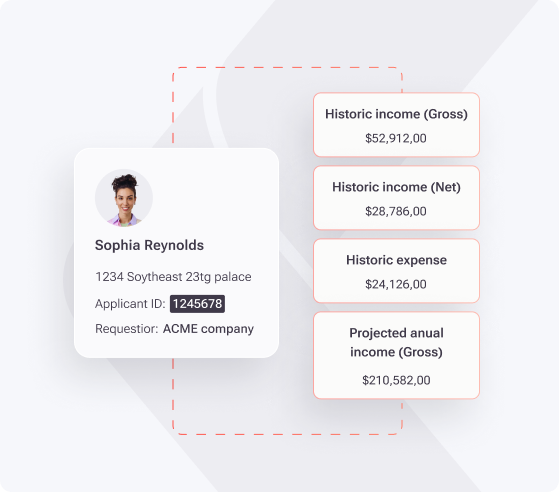
Boards benefit from standardized summaries that highlight key risk factors, while still offering access to full detail when needed. Schedule a demo today to see how Florida-focused screening can fit into your current approval process.
5. Board Review Dashboards And Online Voting
Dedicated board dashboards simplify review and reduce delays that come from scattered emails and paper files.
These dashboards centralize application summaries, full reports, and documents. Members can log in, review information, and vote from anywhere, on their own schedule.
Online voting tools record every decision, comment, and timestamp. This record supports transparency and provides a clear reference if questions arise later.
Communities can shorten approval timelines by setting internal targets, using standardized summaries, and training board members on the dashboard before the next wave of applications.
6. Automated Fee Collection And Revenue Opportunities
Integrated payment tools collect application and screening fees inside the onboarding portal, which removes separate checks, paper receipts, and trips to the office.
Secure payment gateways process cards or electronic transfers, and applications do not move forward until the required fees are paid. Funds appear quickly in association accounts and are fully documented.
Some platforms support revenue-sharing models, where communities keep a portion of fees while covering screening costs. This model can ease budget pressure in communities where board members identify maintenance expenses as a top concern.
Clear reporting on collections and payouts helps boards adjust fee levels, plan budgets, and support audits.
7. Multilingual Support And Actionable Community Analytics
Florida’s mix of local, out-of-state, and international residents creates varied language and communication needs.
AI-enabled chat and help centers can guide applicants 24/7 in multiple languages. These tools answer common questions, explain steps, and reduce staff phone time while still escalating complex issues to human support.
Analytics dashboards surface trends in application volume, approval rates, demographics, and timelines. Communities that track communication and satisfaction data more closely often see stronger resident engagement, and onboarding analytics support that effort.
Boards can use these insights to refine policies, update house rules, or plan amenities that match who actually lives in the community.
Manual Versus Automated Onboarding For Florida HOAs
This comparison shows how automated onboarding changes daily work for boards, managers, and applicants.
|
Feature |
Manual Onboarding |
Automated Onboarding |
|
Application process |
Paper forms, in-person or emailed submission |
Online, mobile-friendly forms and uploads |
|
Document collection |
Physical copies, manual checks |
Digital uploads with auto-validation |
|
Approval time |
Often weeks, frequent delays |
Typically days, much faster |
|
Compliance risk |
Higher risk from inconsistent steps |
Rules built into workflows and audit trails |
|
Data security |
Shared email, filing cabinets |
Encryption, redaction, controlled access |
|
Cost and revenue |
More staff time, missed or late fees |
Lower labor costs, clearer fee capture |
Frequently Asked Questions About Automated Onboarding
How can automation help my Florida HOA follow state regulations?
Well-designed systems embed your governing documents, community rules, and state requirements directly into forms and workflows. The platform applies criteria the same way every time, logs each step, and stores records in a consistent format. This structure reduces errors and supports compliance with Chapters 718 and 720.
Can automation speed approvals without cutting corners?
Automation compresses the time between steps rather than skipping them. Applications arrive complete more often, screening runs in the background, and boards receive organized reports with clear summaries. Online voting and shared dashboards remove scheduling bottlenecks while preserving full documentation of due diligence.
Do small or self-managed communities gain enough value?
Smaller associations often see strong benefits because volunteers spend less time on paperwork and fewer tasks fall through the cracks. Automated reminders, checklists, and reports help boards follow their own rules even without a large management team.
How does automation reduce resident friction with HOA rules?
Onboarding tools present rules and expectations in plain language, at the moment they matter. Applicants see what is required, receive prompts when something is missing, and have access to multilingual support. This clarity lowers confusion, reduces disputes, and helps new residents start off with realistic expectations.
Next Steps For Florida Communities
Automated onboarding gives Florida HOAs and condos a practical way to handle rising expectations, complex regulations, and steady application volume.
Communities that adopt these tools now gain clearer processes, faster approvals, more consistent decisions, and better protection for resident data. Boards can spend less time chasing signatures and more time planning for the long term.
Tenant Evaluation focuses on automated onboarding and screening for Florida associations. Schedule a demo today to see how the platform can streamline applications, support compliance, and strengthen your community’s financial footing.