
Key Takeaways
- Florida laws that took effect in 2024 and 2025 now require many HOAs and condos to maintain digital records, websites, and clear audit trails, which makes manual onboarding risky in 2026.
- Specialized resident application software built for Florida communities reduces approval delays, improves data security, and supports consistent enforcement of bylaws.
- Core features to prioritize include Florida-specific compliance rules, secure online forms and payments, board review dashboards, and integrated screening for identity, income, and background checks.
- Effective implementation starts with assessing current processes, selecting a Florida-focused vendor, and integrating the platform with existing accounting and communication systems.
- Tenant Evaluation offers Florida-focused resident application software that supports compliance, speeds approvals, and creates a more organized experience for boards, managers, and residents. Schedule a demo to get started.
Why Florida HOAs & Condos Need Specialized Resident Application Software
Florida HOAs and condos now operate under tighter record-keeping and website rules than in previous years. House Bill 1203 requires HOAs with 100 or more parcels to provide digital access to governing documents and financial statements, and HB 913 requires condominium associations to post official records on secure websites within 30 days. These rules turn resident applications, document collection, and board approvals into compliance-sensitive workflows.
Community Association Managers and boards that rely on paper packages, email chains, and spreadsheets face longer vacancy periods, missing records, and avoidable legal exposure. Specialized software replaces these manual steps with structured, time-stamped workflows that support reliable approvals and clear documentation.
Navigating New Florida Legislation
HB 1203 adds website, document posting, and mediation documentation requirements for many HOAs, while HB 913 tightens rules for condominium records, CAM licensing, and buyer document review periods. Software that tracks deadlines, organizes records, and logs actions helps communities show that they met these obligations.
What Specialized Resident Application Software Provides
Specialized Florida-focused software differs from generic property management tools. It centers on application intake, screening, approvals, and record storage aligned with community bylaws and Florida statutes. The platform supports CAMs, boards, realtors, and applicants within one system so each group sees only what they need while the community keeps a single, organized record.
Essential Features for Florida HOAs and Condos
Custom Rules and Florida Compliance Engine
Effective software reflects each community’s governing documents and Florida law. A strong rules engine allows you to configure:
- Credit score and income thresholds based on your bylaws
- Screening steps for tenants, purchasers, and additional occupants
- Required documents, signatures, and timelines
The most useful platforms update compliance logic as Florida legislation evolves so communities do not need to rebuild workflows after each law change.
Intelligent Forms and Automated Document Collection
Smart online forms guide applicants through only the questions that apply to them. The system can branch based on whether the request is a lease, purchase, or additional resident and can block submission until required documents and signatures are uploaded.
This approach reduces back-and-forth with realtors and applicants, shortens approval cycles, and produces complete, legible files for board review.
Security and Data Privacy for Sensitive Information
Application files often contain Social Security numbers, banking data, and income documents. Software with PCI Level 1–grade payment security, encryption, and automatic redaction protects this information and limits who can see sensitive fields.
Comprehensive access logs and audit trails show who viewed or changed records, which supports privacy compliance and internal accountability.
Streamlined Board Review with QuickApprove-Style Dashboards
Board members need clear information, not full inboxes. A dedicated dashboard can present summarized applications, highlight key risk factors, and show all supporting documents in one place. Voting tools record approvals, conditions, and denials with timestamps.
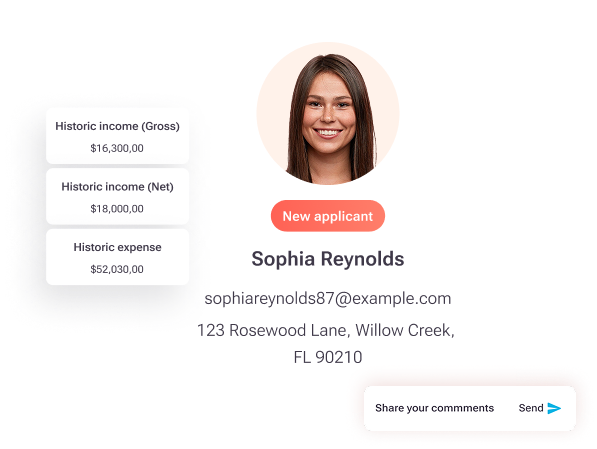
This structure reduces meeting delays and email confusion while generating a permanent, well-organized record of every decision.
Comprehensive Resident Screening: ID, Income, and Background
Integrated screening tools support better decisions and consistent enforcement. Key elements include:
- Identity verification that checks government-issued IDs for validity
- Income verification that reviews pay stubs, bank statements, or employer data
- Background checks that cover criminal, eviction, and prior rental history while aligning with FCRA rules
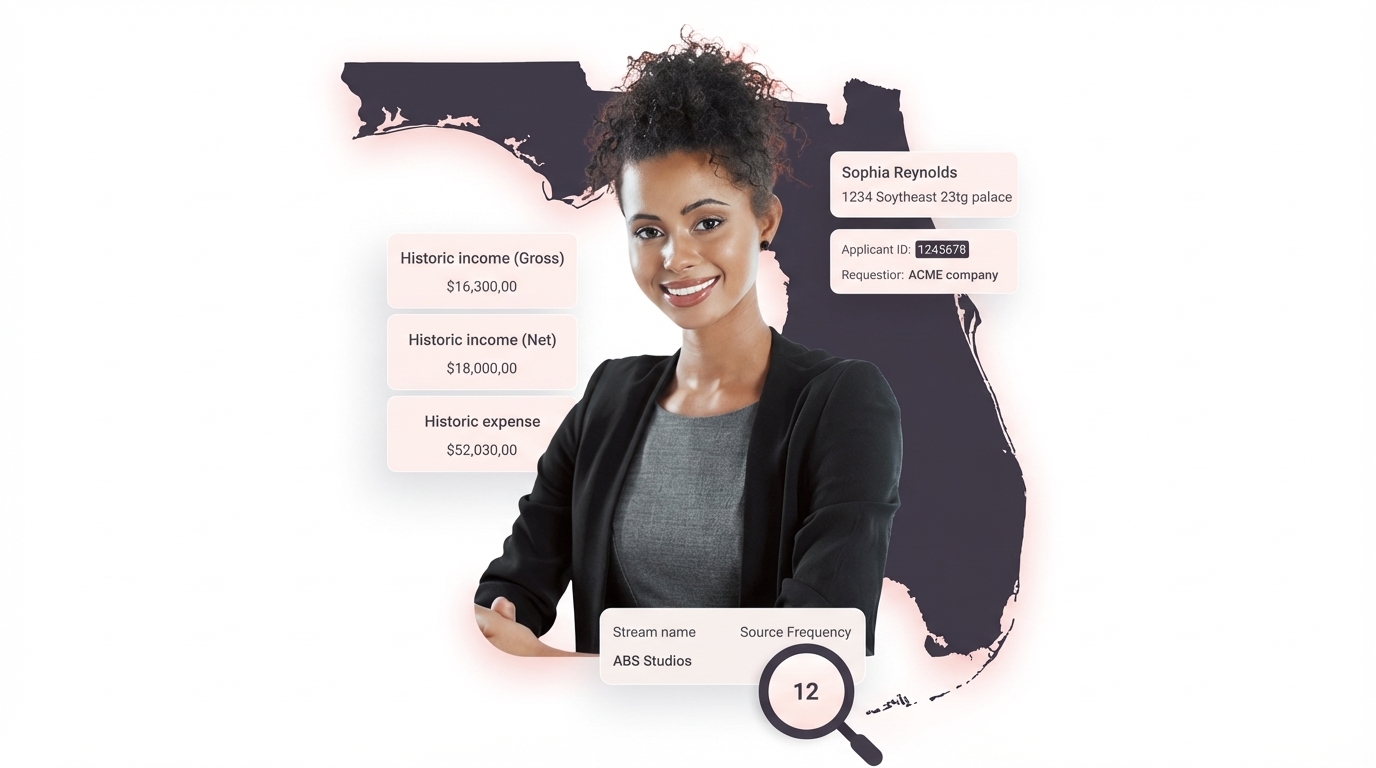
Having these elements in one system helps boards apply screening standards more fairly and consistently.
Secure Online Payments and Fee Management
Built-in payment processing collects application and screening fees during submission. Online payments reduce office visits, checks, and manual reconciliation while creating clear receipts and records.
Some platforms share fee revenue with communities, which can offset software costs and reduce the net expense of compliance and screening.
24/7 Multilingual Support
Florida communities often serve residents and buyers from many language backgrounds. AI-assisted, multilingual help tools and clear self-service instructions make it easier for applicants to complete forms correctly without increasing CAM workload.
This support shortens approval timelines and reduces abandoned or incomplete applications.
Tenant Evaluation focuses on these capabilities for Florida HOAs and condos. Schedule a demo to see the workflow in action.
Implementing Resident Application Software in Your Community
Assessing Current Processes and Gaps
Communities gain the most value when they begin with a structured review of how applications move today. This assessment should map:
- All steps from application request to move-in approval
- Points where staff re-key data, chase documents, or wait on signatures
- Specific statutory requirements that apply based on community size and type
HOAs with 100 or more parcels face immediate digital access mandates, while condos with 25 or more units must prepare for expanded website and record rules.
Choosing a Florida-Focused Vendor
Vendor selection should prioritize Florida experience, not just generic software features. Useful indicators include:
- Existing deployments with Florida management companies and law firms
- Documented support for HB 1203, HB 913, and related rules
- Clear security standards and independent audits
Strong vendors also provide training tailored to CAMs, boards, and support staff so each group understands both the technology and the related compliance obligations.
Integrating with Existing Systems
Resident application platforms work best when they connect to accounting, document storage, and communication tools already in place. Integration reduces duplicate data entry and mismatched records. A careful data migration plan preserves historical applications and decisions while cleaning out duplicates or incomplete files.
Maintaining Compliance and Managing Change
Addressing Resistance to Digital Workflows
Some boards and residents prefer paper because it feels familiar. Clear side-by-side comparisons of manual and digital processes, combined with short training sessions and simple how-to guides, can show how software reduces risk and saves time.
Examples from similar communities help boards see how digital applications improve transparency without adding complexity.
Keeping Pace with Legal Changes
Florida’s association laws continue to evolve. Recent updates around structural inspection reporting and mandatory websites for larger associations highlight this trend. Platforms that monitor these developments and update workflows help communities stay ahead of new deadlines and documentation rules.
How Specialized Software Compares
|
Feature/Metric |
Manual Process |
Generic Software |
Florida-Specialized Software |
|
Compliance tracking |
High risk of gaps |
Partial coverage |
Aligned with Florida laws and bylaws |
|
Approval time |
Slow and variable |
Moderate |
Structured and faster |
|
Data security |
Paper and email exposure |
Basic controls |
Strong encryption and role-based access |
Frequently Asked Questions
How does resident application software support the Florida laws in effect for 2026?
Modern software helps communities meet digital record and website requirements by storing governing documents, financials, and official records in an organized, searchable system. For condos, the platform can track the 30-day posting window for new records and log when files go live on the website. The same system can provide buyers with immediate online access to documents during their seven-day review period, which reduces delays before closing.
How much administrative time can Florida-focused software save?
Communities often see major time savings when applications, documents, and approvals move into one structured platform. CAMs no longer need to re-enter data, print packets, or coordinate signatures by email. Boards review complete digital files instead of sorting through partial submissions. These efficiencies can cut processing times significantly and free staff to focus on operations and owner support.
How secure is resident application processing software for sensitive data?
Specialized platforms use encrypted connections, secure data centers, and strict access controls to protect resident information. PCI Level 1 payment processing, where available, brings credit card handling in line with banking standards. Automatic redaction features can hide Social Security numbers or bank details from reviewers who do not need to see them, which lowers both privacy risk and liability.
Conclusion: Preparing Your Community for 2026 and Beyond
Florida HOAs and condos now operate in a digital-first regulatory environment shaped by changes that arrived in 2024 and 2025. Manual application processes, loose email trails, and paper files no longer match the expectations set by newer laws.
Resident application processing software built for Florida communities gives boards and CAMs a practical way to stay compliant, shorten approval times, and protect sensitive data. The right platform creates a single source of truth for applications, screenings, decisions, and records, which helps communities manage risk and serve residents more effectively.
Tenant Evaluation focuses on these needs for Florida HOAs and condos. Schedule a demo today to see how a Florida-specific workflow can support your community’s compliance and resident experience.