Written by: Luis Teran, Co-founder, CEO, TenantEvaluation
Key Takeaways for Florida 55+ Condo Age Audits
- Florida 55+ condos must keep at least 80% of occupied units with one resident aged 55+ to qualify for HOPA exemption from familial status discrimination.
- Communities must complete resident age audits every two years, including surveys, document review, and compliance calculations.
- Successful audits follow a clear 7-step checklist: planning, survey distribution, document verification, compliance calculation, handling refusals, record updates, and board certification.
- Manual processes, resident refusals, and inconsistent standards create compliance risk, so communities benefit from standardized workflows and secure digital storage.
- Streamline your age audits and maintain HOPA compliance with TenantEvaluation's 55+ verification platform, which replaces manual tracking with automated workflows.
HOPA Requirements and the 80% Rule for Florida 55+ Condos
The Housing for Older Persons Act exemption requires 55+ communities to maintain at least 80% of occupied units with residents 55 years or older. Communities must verify this threshold through biennial surveys and documented proof of age. Florida 55+ communities must follow senior housing policies and HUD rules to qualify for the exemption from familial status discrimination under the FFHA. The verification framework uses a three-step process: distribute resident age surveys, verify documentation, and maintain compliant records.
Acceptable documentation for age verification usually comes from standard government-issued or sworn records that clearly show date of birth:
| Document Type | Acceptable for Age Verification |
|---|---|
| Driver's License | Often accepted |
| Birth Certificate | Often accepted |
| Self-Certification Affidavit | Often accepted |
| Passport | Often accepted |
The Florida Commission on Human Relations maintains a searchable registry of qualified 55+ communities at fchr.myflorida.com/fchr55andolderhousing, which provides official verification of exemption status for Florida condos and HOAs.
Step-by-Step Resident Age Audit Checklist for Florida Condos
Florida condos protect their HOPA exemption by following a structured, repeatable age audit workflow every two years. Use this seven-step checklist as a practical guide for your next biennial verification.
1. Planning and Notification Phase
Set your audit timeline at least 90 days before the reporting deadline. Notify residents by certified mail about upcoming age verification requirements and deadlines. Prepare survey forms and a clear list of acceptable documentation so residents know exactly what to submit.
2. Distribute Resident Age Survey HOA Forms
Send standardized age verification surveys to every occupied unit in the community. Include simple, direct instructions that explain acceptable documents and the submission due date. Offer multiple ways to respond, such as mail, email, or in-person delivery to the management office.
3. Document Collection and Verification
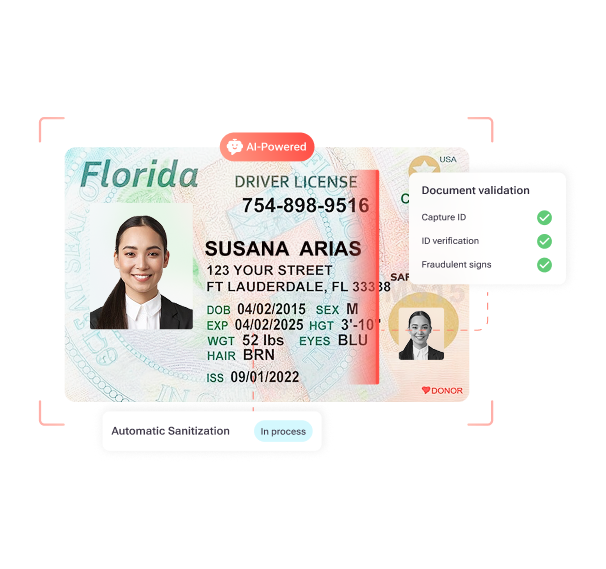
Review each submitted document to confirm authenticity and confirm that at least one resident per unit meets the 55+ requirement. Use your list of acceptable proof, such as driver's licenses or passports, to keep decisions consistent. Cross-reference unit occupancy records with survey responses so every occupied unit has a clear verification status.
4. Calculate 80% Compliance Threshold
Count all occupied units in the community, then count how many of those units have at least one verified 55+ resident. Divide the number of compliant units by the total occupied units to confirm that you meet or exceed the 80% HOPA requirement. Record your numbers and calculation method so you can show a clear audit trail during any review.
5. Handle Non-Response and Refusals
Send follow-up notices to residents who do not respond by the initial deadline. Document each refusal or non-response, including certified mail receipts and any written communication. Work with legal counsel when needed to evaluate enforcement options that align with your governing documents and Florida law.
6. Update Community Records
Store all age verification documents in secure, access-controlled files. Update your resident database with each unit's verification status and the date of the most recent audit. Follow FCRA-compliant data handling practices to protect sensitive information and reduce liability.
7. Board Review and Certification
Present final audit results to the board of directors for review and formal approval. Obtain written board certification of the community's HOPA compliance status. File any required documentation with the Florida Commission on Human Relations and retain copies for your internal records.
Streamline your resident age audit condos process with automated workflows and secure documentation management. See how TenantEvaluation automates these seven steps so your team reduces manual work while maintaining consistent compliance.
Common Compliance Challenges in Florida Resident Age Audits
Florida Community Association Managers encounter recurring problems during resident age audits that increase risk and consume staff time.
- Manual Documentation Chaos: Paper-based surveys and document collection create tracking difficulties, lost submissions, and incomplete records that threaten audit integrity.
- Resident Refusals and Non-Compliance: These tracking difficulties grow worse when residents refuse to provide age verification documents, which creates compliance gaps that are harder to identify and resolve.
- Inconsistent Documentation Standards: Different staff members may accept or reject documents using different criteria, which leads to inconsistent decisions and weakens the audit trail.
- Inadequate Audit Trail Maintenance: Poor record-keeping practices result in missing documentation during regulatory reviews or legal disputes, which increases exposure for the association.
- Florida-Specific Regulatory Complexity: Managers must balance state rules with federal HOPA requirements, and this overlap often causes confusion and unintentional errors.
Best Practices for Reliable Age Verification in 55+ Communities
Florida 55+ communities reduce risk and administrative stress when they follow consistent, documented age verification practices across every property.
- Standardize Verification Workflows: Develop clear procedures for survey distribution, document collection, and verification across all properties. Standardization reduces inconsistent decisions and closes audit trail gaps that regulators often question.
- Secure Document Storage: After you collect documents consistently, apply FCRA-compliant data handling with encrypted storage and role-based access controls. This protects resident privacy and shields the association from data-related claims.
- Clear Communication Protocols: Use simple, transparent messaging about requirements, deadlines, and acceptable documents to limit confusion. Clear communication reduces refusals and late responses that can threaten your 80% threshold.
- Biennial Timing Coordination: Plan each audit well before the two-year deadline so staff have time for follow-ups and corrections. Early planning prevents last-minute rushes that often produce mistakes and missing records.
- Exception Handling Procedures: Create written protocols for handling refusals, partial documentation, and special cases, with guidance from legal counsel. Consistent exception handling keeps decisions fair and defensible.
TenantEvaluation's 55+ Communities Verification turns these best practices into a digital workflow, which reduces manual tasks and strengthens documentation for Florida condos and HOAs.
Why Florida CAMs Choose TenantEvaluation for Age Audits
TenantEvaluation's 55+ Communities Verification gives Florida Community Association Managers a complete toolkit for running resident age audits while staying aligned with HOPA. The platform automates the standardized workflows described above, including survey distribution, document collection, and verification tracking, which removes much of the manual coordination that consumes CAM time.
The system is built for Florida condos and HOAs, so it supports consistent documentation while improving day-to-day efficiency for managers overseeing multiple 55+ communities. TenantEvaluation processes over 100,000 applications each year across more than 5,000 communities and holds a 4.8/5 Google rating.
Key features include intelligent forms that adapt to each community's rules, automatic redaction of sensitive data for FCRA compliance, and QuickApprove dashboard access for board members. The platform also integrates IDVerify biometric tools to strengthen identity confirmation during age verification.

Unlike competitors such as ApplyCheck or Verify Screening Solutions that sell separate subscription tools, TenantEvaluation delivers end-to-end workflow management with revenue-sharing models that align platform success with community outcomes. One Florida management company saved $240,000 per year after switching to TenantEvaluation and freed about 50 staff hours each day for higher-value work.
TenantEvaluation builds on FCRA compliance with direct credit bureau reseller relationships, automated adverse action workflows, and detailed audit trails tailored to community associations. Transform your resident age audit condos process with proven technology trusted by leading Florida management companies. Request a personalized walkthrough of our 55+ verification platform.

Florida Enforcement Options and Documentation Tips
Florida law sets specific requirements for maintaining 55+ community exemption, including documentation standards and enforcement procedures. Communities must update their exemption status after each successful biennial audit.
When residents refuse to cooperate, Florida law allows enforcement steps such as lease violation notices and, in serious cases, eviction actions tied to age verification rules. Strong recordkeeping should include certified mail receipts, detailed notes of refusal, and legal consultation records so the association can support any enforcement decision.
Frequently Asked Questions
What is a condo audit in a 55+ community?
A condo audit in a 55+ community is the biennial verification process required under HOPA to confirm that at least 80% of occupied units house residents aged 55 or older. The audit includes surveying residents, collecting age verification documents, calculating compliance, and keeping records that protect the community's exemption from familial status discrimination under the Fair Housing Act.
How do you get age verified for a 55+ condo?
Residents get age verified by submitting acceptable documents, such as a driver's license, birth certificate, passport, or self-certification affidavit, to the association. They respond to the biennial age verification survey from the HOA or management company so the community can confirm that at least one occupant in each unit meets the 55+ requirement.
Why must condos conduct age audits every 2 years?
HOPA requires age verification audits every two years so 55+ communities can show they still meet the 80% threshold of age-qualified residents. Regular audits account for move-ins, move-outs, and demographic changes that affect compliance. The two-year cycle gives communities time to correct issues before they risk losing exemption protection.
Can a 52-year-old live in a 55+ community?
A 52-year-old can live in a 55+ community when at least one resident in that unit is 55 or older, which allows the unit to count toward the 80% HOPA threshold. The community may have up to 20% of occupied units with all residents under 55, as long as the overall 80% requirement remains satisfied.
What is the HOPA 80% rule for condos?
The HOPA 80% rule, explained in detail above, requires that at least 80% of occupied units have one resident aged 55 or older. Communities that meet this standard qualify for Fair Housing Act exemption from familial status discrimination, which allows them to restrict occupancy based on age.
Ensure your Florida condo maintains HOPA compliance with streamlined resident age audit condos processes. TenantEvaluation's specialized platform reduces manual verification work while strengthening documentation consistency for long-term exemption protection. Get started with automated age verification workflows to modernize how your community manages compliance.
