
Key Takeaways
- Modern Florida HOAs and condos reduce risk and workload when they replace manual, paper-based tenant screening with digital, AI-enhanced platforms.
- AI-driven analytics and document fraud detection improve accuracy, support fair housing compliance, and help boards make faster, more consistent decisions.
- Centralized, cloud-based screening systems streamline communication among managers, boards, realtors, and applicants while protecting sensitive data.
- Florida-focused PropTech tools align with local regulations and community bylaws, supporting compliant, audit-ready approval workflows.
- Tenant Evaluation offers an all-in-one PropTech screening platform for Florida communities, and boards can get started through this Tenant Evaluation demo request.
Why Evolving Beyond Traditional Tenant Screening Matters for HOAs & Condos
Florida communities that still rely on paper forms, email threads, and manual checks face delays, errors, and inconsistent decisions. Managers lose time tracking down missing documents, coordinating with boards, and re-entering information across systems, while important red flags can slip through.
Outdated processes also extend vacancy periods, increase bad debt, and raise exposure to compliance and data privacy issues. Advanced PropTech platforms address these risks with automated workflows, integrated background and credit data, fraud detection, and centralized records that protect community assets and support regulatory compliance.
1. Harnessing AI for Predictive Analytics in Risk Assessment
AI-powered tenant screening evaluates far more than a single credit score. Predictive analytics can analyze rental history, employment patterns, credit behavior, and other indicators to estimate on-time payment, length of stay, and property care. This approach gives boards a clearer view of long-term resident reliability.
Modern systems create composite risk profiles that weigh multiple variables together. An applicant with average credit but stable income and strong payment history may present lower risk than someone with excellent credit but frequent job changes and inconsistent rental behavior.
Property managers benefit from faster, more consistent decisions. AI tools process applications in minutes, flag potential concerns, and highlight strengths while applying the same objective standards to every applicant, which supports fair housing compliance and reduces reliance on subjective judgment.
2. Advanced Document Fraud Detection with OCR and AI
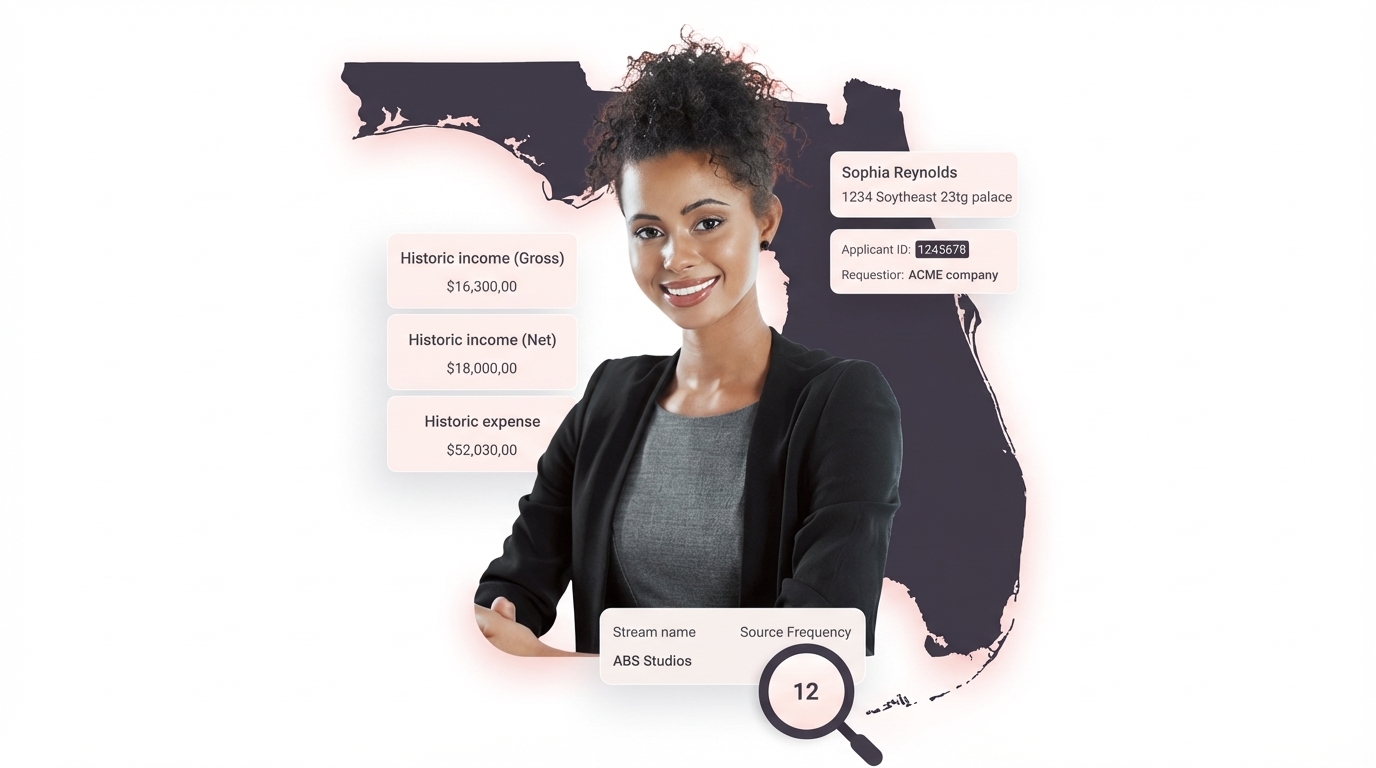
Income and identity fraud now often involve digitally edited pay stubs, bank statements, and IDs that look legitimate at first glance. OCR (Optical Character Recognition) combined with AI can scan documents instantly, review formatting and math, and inspect metadata to detect subtle alterations.
Associations gain protection from applicants who misstate income, employment, or identity. Automated tools compare documents against each other, flag inconsistencies, and highlight suspicious patterns so teams focus only on files that need closer review. OCR-based fraud detection reviews IDs, pay stubs, and other documents in real time to identify altered figures, mismatched details, and unusual formatting.
These capabilities reduce risk and shorten review timelines because staff no longer verify every detail by hand. The result is a more secure process for both applicants and boards.

Schedule a demo today to see how automated fraud detection can protect your association while simplifying approvals.
3. Streamlined Operations through Centralized Cloud-Based Platforms
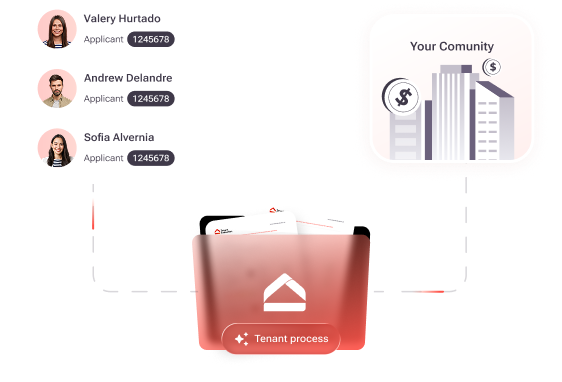
Centralized, cloud-based platforms replace scattered spreadsheets, emails, and paper files with a single system for applications, documents, communication, and decisions. A unified platform helps managers and boards monitor every application from submission through approval in one place.
Real-time status tracking, automated reminders, and built-in messaging keep applicants, realtors, managers, and board members aligned without long email chains. Many management companies standardize workflows across properties while still setting community-specific criteria, which can free dozens of staff hours each day for higher-value tasks.
Boards also gain clear visibility into pending files and historical decisions, creating an audit-ready record of how approvals and denials were made.
4. Florida-Specific Compliance and Customizable Screening Workflows
Florida HOAs and condos operate under state statutes, local ordinances, and association governing documents that often require tailored screening rules. Generic national platforms may not support these nuances, which increases compliance risk.
Florida-focused PropTech tools allow communities to configure credit thresholds, deposit rules, pet or vehicle policies, and document requirements to match bylaws and local regulations. Approval workflows can mirror board processes, including voting rules and required documentation.
Applications arrive pre-screened against community rules, with clear explanations when criteria are not met. Systems maintain detailed logs of decisions and screening steps, helping associations demonstrate fair housing compliance and reduce legal exposure.
5. Real-Time Processing with Automated Decisioning and 24/7 Applicant Support
Faster approvals help Florida communities secure qualified residents and avoid unnecessary vacancy days. Real-time processing and automated decisioning can compress screening timelines from several days to a matter of minutes.
Modern platforms verify identity, evaluate income, and run background checks automatically. Applications that meet predefined standards move directly to board review with supporting documentation already organized, which reduces bottlenecks without lowering due diligence.
Applicants benefit from 24/7 portals and AI-assisted support that help them complete forms correctly, in multiple languages when offered. Realtors gain more predictable timelines, and communities present a more professional, responsive experience.
Tenant Evaluation vs. Traditional Methods: A Comparison of PropTech Tenant Screening Alternatives
|
Feature |
Tenant Evaluation |
Traditional Methods |
Impact |
|
Application Process |
Online, mobile-friendly portal with digital document collection and e-signatures |
Paper forms, in-person submissions, manual scanning and faxing |
Faster processing and 24/7 accessibility for applicants and realtors |
|
Fraud Detection |
AI-powered OCR reviews documents for alterations and mismatched financial data |
Manual review that often misses complex digital edits |
Lower fraud risk and automated flagging for staff follow-up |
|
Security & Compliance |
PCI Level 1 compliance, encrypted data, and automatic PII redaction |
Higher breach risk from email, paper files, and shared drives |
Stronger data protection and clearer compliance documentation |
|
Board Involvement |
QuickApprove dashboard with real-time access and built-in voting tools |
Email threads, ad hoc document sharing, and delayed decisions |
More transparent review process, faster approvals, and audit trails |
Schedule a demo today to see how Tenant Evaluation compares with your current onboarding workflow.
Frequently Asked Questions About PropTech Tenant Screening Alternatives
How do AI-powered tenant screening solutions ensure fair housing compliance?
AI screening platforms support fair housing goals by applying the same objective criteria to every applicant. Models focus on documented factors such as payment history, income, and rental background rather than subjective impressions. Leading systems undergo regular testing for unintended bias and keep detailed logs of decisions, which helps associations demonstrate that standards were applied consistently if questions arise during audits or disputes.
Can PropTech tenant screening alternatives integrate with existing property management systems?
Most modern screening platforms offer API-based integrations with popular property management, accounting, and communication systems. Data flows from applications into existing tools for billing, records, and reporting, which reduces double entry and manual updates. Integrated workflows also create a single source of truth for resident information, improving accuracy and saving time for management and accounting teams.
What types of fraud can modern PropTech solutions detect that traditional methods might miss?
Advanced platforms can detect digitally edited pay stubs with inflated income, altered bank statements with changed balances, and IDs with modified names or dates. Systems examine fonts, layout, metadata, and math to uncover edits that may not be obvious during a quick manual review. They also cross-check information across documents and applications to flag conflicts, such as mismatched employment dates or inconsistent income claims.
How do these platforms handle data privacy and security for sensitive applicant information?
PropTech screening providers typically protect data with encryption in transit and at rest, strict access controls, and secure cloud hosting. Many maintain PCI Level 1 or similar certifications and automatically redact or delete sensitive data based on retention policies. Role-based access limits who can view specific information, which helps communities safeguard applicant privacy while retaining enough documentation for internal records and compliance needs.
Conclusion: Building a Smarter Future for Florida Resident Onboarding
PropTech tenant screening alternatives allow Florida HOAs and condos to move from slow, reactive processes to faster, data-driven decision-making. AI analytics, fraud detection, centralized platforms, Florida-specific workflows, and real-time processing work together to reduce risk, support compliance, and improve the experience for applicants, realtors, managers, and board members.
Communities that adopt these tools often see quicker approvals, fewer vacancies, lower bad debt, and less time spent on manual administration. Tenant Evaluation focuses on these outcomes for Florida associations, and your board can explore the platform through this Tenant Evaluation demo request.