
Key takeaways
- PropTech in 2026 gives HOAs new ways to grow revenue, from dynamic pricing for amenities to better marketing of rental and resale units.
- Smart building tools and predictive analytics reduce utilities and maintenance costs while helping boards plan capital projects with data instead of guesswork.
- Digital onboarding, identity verification, and background screening shorten approval timelines, improve compliance, and generate new fee-based income.
- Board governance and resident experience platforms streamline communication, centralize records, and create opportunities for add-on services that residents value.
- Tenant Evaluation offers a Florida focused platform that turns HOA applications and approvals into a faster, compliant, revenue generating process. Get started with Tenant Evaluation.
PropTech attracted approximately $2.3 billion in growth equity investments during 1H 2025, and the sector is now projected to surpass $100 billion by 2032. This level of investment reflects how fast technology is reshaping property operations and community finances.
The seven strategies below show practical ways HOAs can use PropTech to increase revenue, control costs, support compliance, and reduce administrative workload for managers and boards.
1. Optimize revenue with dynamic pricing for amenities and services
Dynamic pricing software uses real time data to adjust amenity and service rates based on demand, season, and utilization. Dynamic pricing engines can increase rental income by 10 to 15 percent compared to static pricing models, while also improving occupancy.
HOAs can apply dynamic pricing to assets such as guest suites, clubhouses, event rooms, storage, parking, and EV charging. Prices rise during peak periods and adjust downward during slower times, which captures more value without manual updates. Tiered pricing for residents, guests, and premium service levels adds clarity and can create additional revenue lines.
2. Reduce operating costs with smart building technology
Smart building systems use sensors and automation to cut waste in utilities and maintenance. Adaptive HVAC controls can reduce energy use by 20 to 30 percent, and intelligent lighting limits power consumption in unoccupied spaces. With more than half of US households using at least one smart home device, residents increasingly expect this type of infrastructure.
Smart thermostats, occupancy based lighting, and water leak sensors in common areas lower utility bills and help avoid major damage events. Data from these systems also supports long term capital planning, since boards can see real patterns in usage and equipment performance instead of relying only on manual logs.
3. Digitize and automate resident onboarding and management with TenantEvaluation
Paper based applications and manual reviews slow move ins, increase errors, and create compliance risk. A digital onboarding platform centralizes these steps and turns them into a predictable, trackable process that can also generate fee income for the association.
TenantEvaluation provides online applications, document collection, ID verification through IDVerify, background checks via SafeCheck+, income verification with IncomeEV, and automated fee collection in one system. Communities can reduce processing time and free staff and board members from routine follow ups so they can focus on higher value tasks.
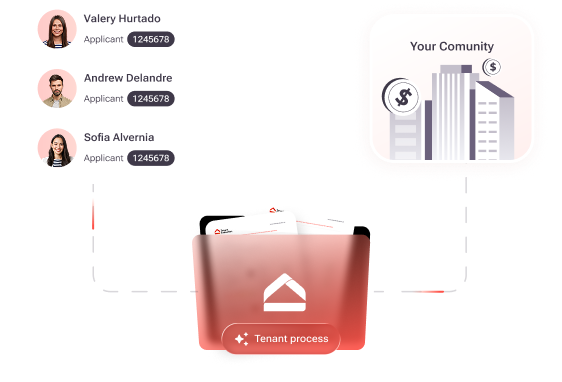
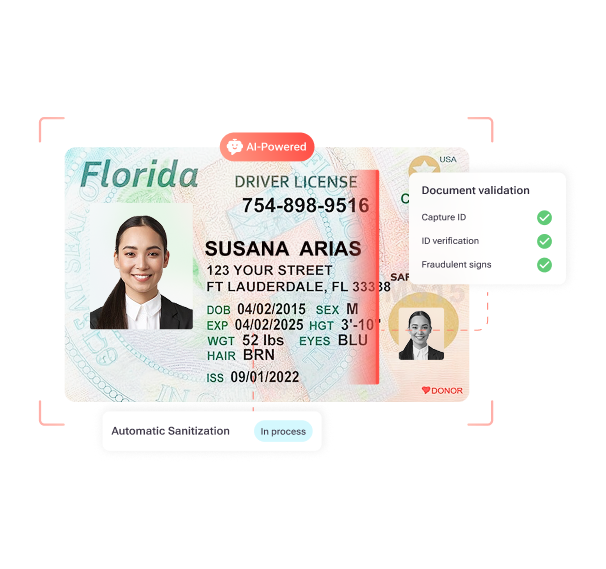
The platform supports Florida specific workflows by embedding each community’s governing documents, screening criteria, and approval rules. PCI Level 1 security and automatic redaction of sensitive data help limit exposure. Multilingual AI chat support gives applicants clear guidance without adding new calls or emails for staff.
TenantEvaluation also offers a revenue share on application fees, so HOAs can add a recurring income stream without upfront software costs. Schedule a demo to see how the platform can support your association’s screening and onboarding process.
4. Use AI and predictive analytics for better planning
AI and predictive analytics convert HOA data into clear guidance for spending, amenities, and policy decisions. AI enabled property platforms have increased rental income by up to 9 percent while cutting maintenance costs by 14 percent, by aligning pricing and repairs with real patterns instead of estimates.
Boards can use analytics to understand amenity usage, EV adoption, pet trends, and resident demographics. These insights inform choices about EV chargers, pet facilities, security upgrades, and renovation priorities. Predictive maintenance models also flag equipment that is likely to fail, which reduces emergency calls and extends asset life.
5. Improve board governance with digital decision tools
Board approvals and policy decisions often slow down when they rely on email threads and in person meetings. Dedicated governance tools give directors a shared workspace with clear records of every action.
The TenantEvaluation QuickApprove dashboard lets board members see application status, summary reports, and voting panels in one view. Approvals can be handled from any location, which reduces delays related to meeting schedules and ensures that all directors review the same information.
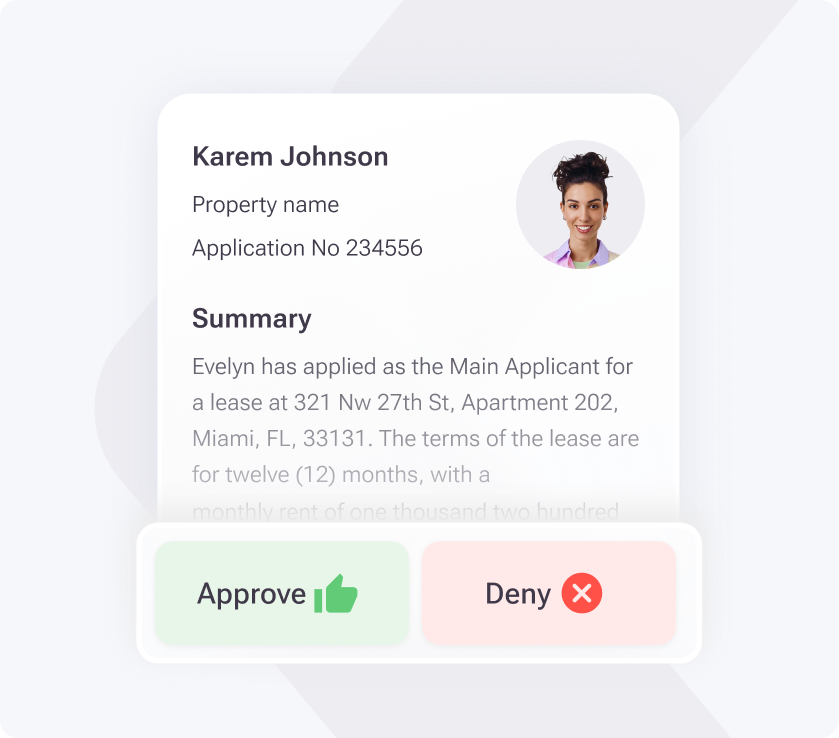
Digital governance systems create a full audit trail for every vote and comment, which supports compliance with Florida law and association bylaws. Faster, more transparent decisions help applicants move in sooner and reduce friction between residents and leadership.
6. Diversify revenue with digital experience platforms and new models
Resident experience platforms bring together payments, amenity bookings, maintenance requests, and messaging in one portal. Centralized digital platforms for tenants and residents make it easier to add optional services that generate new revenue.
HOAs can offer paid tiers that include priority maintenance windows, extended amenity hours, concierge style services, or guest management tools. Partnerships with local vendors for services like cleaning, pet care, or classes can use referral or revenue share models. Fractional ownership models, projected to reach $870 billion by 2027, may fit select shared assets such as boats or recreational vehicles. Platforms such as Hostfully show how AI can support guest communication for shared spaces.
7. Enhance property marketing and leasing with AI and virtualization
Virtual tours, AI staging, and data driven pricing tools help HOAs and unit owners market properties more effectively. Virtual tours and AI staging have increased online engagement by up to 300 percent, and dynamic pricing tools can raise rental income by 10 to 15 percent for rental units.
Virtual tours and digital brochures allow prospective residents, including out of state buyers, to understand the community before visiting. AI tools can also review local market data to suggest competitive rent levels and identify segments most likely to respond to specific marketing messages. These improvements shorten vacancy periods and support higher long term values for homes in the association.
Frequently asked questions
How can PropTech solutions support compliance with Florida HOA and condominium regulations?
Regional PropTech platforms allow communities to configure rules, documents, and workflows around Florida specific requirements. TenantEvaluation, for example, incorporates state regulations, FCRA obligations, and each association’s screening criteria into its approval flows so that applications follow the same compliant path every time. This structure reduces manual errors and keeps a clear record of decisions.
Can PropTech reduce administrative work for HOA managers and boards?
Modern platforms handle routine tasks such as collecting documents, sending reminders, tracking application status, and routing approvals. Automation replaces many manual follow ups and consolidates communication in one place, which decreases phone calls and email chains. Staff can then focus on resident relationships, vendor oversight, and long term planning instead of paperwork.
What kind of ROI can HOAs expect from these technologies?
Revenue gains can come from higher amenity utilization, better pricing, and faster leasing. Cost savings often appear in lower energy use, fewer emergency repairs, and reduced staff hours spent on administration. Studies of PropTech in rental housing show combined effects such as up to 9 percent higher income and 14 percent lower maintenance costs, along with measurable reductions in utility spending from smart building systems.
How do these solutions connect to existing HOA management software?
Most PropTech tools offer integrations or data exports to connect with accounting systems, resident databases, and communication platforms. Many providers use APIs to sync key data so that managers do not have to enter information twice. A phased rollout usually lets the new system run alongside existing processes until staff and board members are comfortable.
What should boards prioritize when choosing PropTech for their community?
Boards should focus on solutions that address clear problems, such as slow approvals, high energy bills, or fragmented communication. Important criteria include regulatory fit, security, ease of use for residents and managers, integration options, and transparent pricing. Platforms that solve multiple needs in one environment can be more efficient than several stand alone tools.
Conclusion: Strengthen your HOA’s financial position with TenantEvaluation
PropTech in 2026 gives HOAs practical ways to grow revenue and control risk while improving the resident experience. Dynamic pricing, smart building systems, AI analytics, digital governance, and modern marketing tools all contribute to a more predictable and sustainable financial model.
TenantEvaluation focuses specifically on Florida HOAs and condominiums, with an end to end onboarding and approval solution that combines screening, compliance, fee collection, and board workflows. Communities using the platform have generated more than $150 million in revenue from application related activity, process over 100,000 applications each year, and maintain a 4.8 out of 5 rating on Google.
Schedule a TenantEvaluation demo to see how your association can streamline applications, support compliance, and expand nondues revenue in 2026.