
Key Takeaways
- Florida HOAs and condos can replace slow, paper-based onboarding with digital workflows that cut approval times and reduce manual errors.
- AI tools now handle document review, data entry, and screening steps, which reduces risk and gives managers more time for resident support.
- Board dashboards, automated notifications, and multilingual support improve transparency and communication for applicants, realtors, and board members.
- Strong security controls and community analytics protect resident data while guiding smarter long-term decisions about amenities and policies.
- Tenant Evaluation offers a PropTech platform built for community associations; get started with a demo to streamline onboarding and compliance.
The Imperative: Why PropTech Resident Onboarding Efficiency Matters for Florida HOAs
Manual onboarding slows down approvals, increases staff workload, and frustrates applicants. Paper forms, email attachments, and in-person signatures turn a simple application into a process that can stretch over weeks. Each handoff also introduces risk, from lost paperwork to inconsistent screening and data security gaps.
Florida HOAs and condos face additional pressure from state regulations and community governing documents. Digital tools create consistent workflows, capture complete information, and document every action in an audit-ready trail. Communities that adopt PropTech move applicants through faster, reduce compliance risk, and present a more professional experience to residents and real estate partners.
7 PropTech Strategies to Boost Condominium & HOA Resident Onboarding Efficiency
1. AI-Powered Document Automation and Smart Forms
AI document tools now scan and extract key information from leases, income statements, IDs, and association forms in minutes. These systems read and verify documents much faster than manual review while improving accuracy. Management teams can then focus on exceptions and decisions instead of data entry.
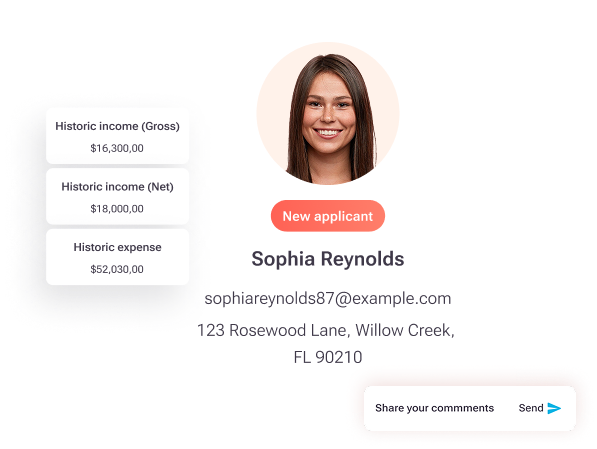
Smart application forms adapt to each applicant, showing only the questions and uploads that apply to their situation. AI-driven validation also flags missing or inconsistent fields before submission, which cuts down on follow-up emails and incomplete files.
2. E-Signatures and Secure Digital Document Management
Electronic signatures turn multi-week signing cycles into a same-day task. Modern e-signature tools provide encryption, two-factor authentication, and complete audit trails while ensuring all required fields are completed before signing. Boards gain legally enforceable documents without printing, scanning, or mailing.
Centralized digital storage keeps leases, association approvals, disclosures, and inspection reports in one organized, searchable system. Document tagging and attachments inside PropTech platforms help teams answer resident questions and property issues faster, since staff no longer hunt through email chains or file cabinets.
3. Comprehensive, FCRA-Compliant Resident Screening
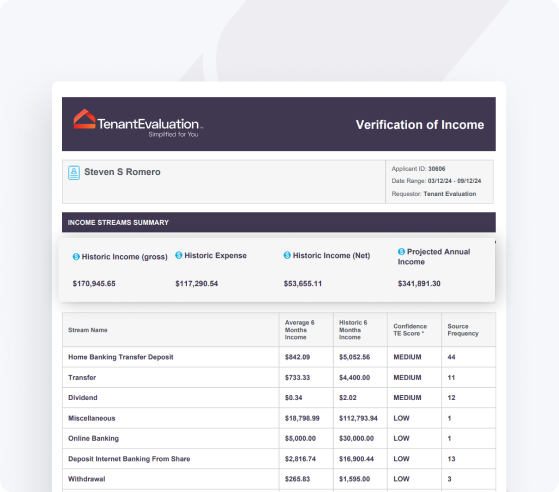
Thorough screening protects the community while keeping the process fair and consistent. Leading PropTech platforms combine nationwide and global background checks, eviction records, and credit reports with verified employment and income data. Automated income verification replaces self-reported figures with verified sources, which lowers fraud risk.
FCRA-compliant workflows standardize criteria, consent, disclosures, and adverse action notices. Boards gain a clear, documented basis for every decision and a 360-degree view of each applicant.
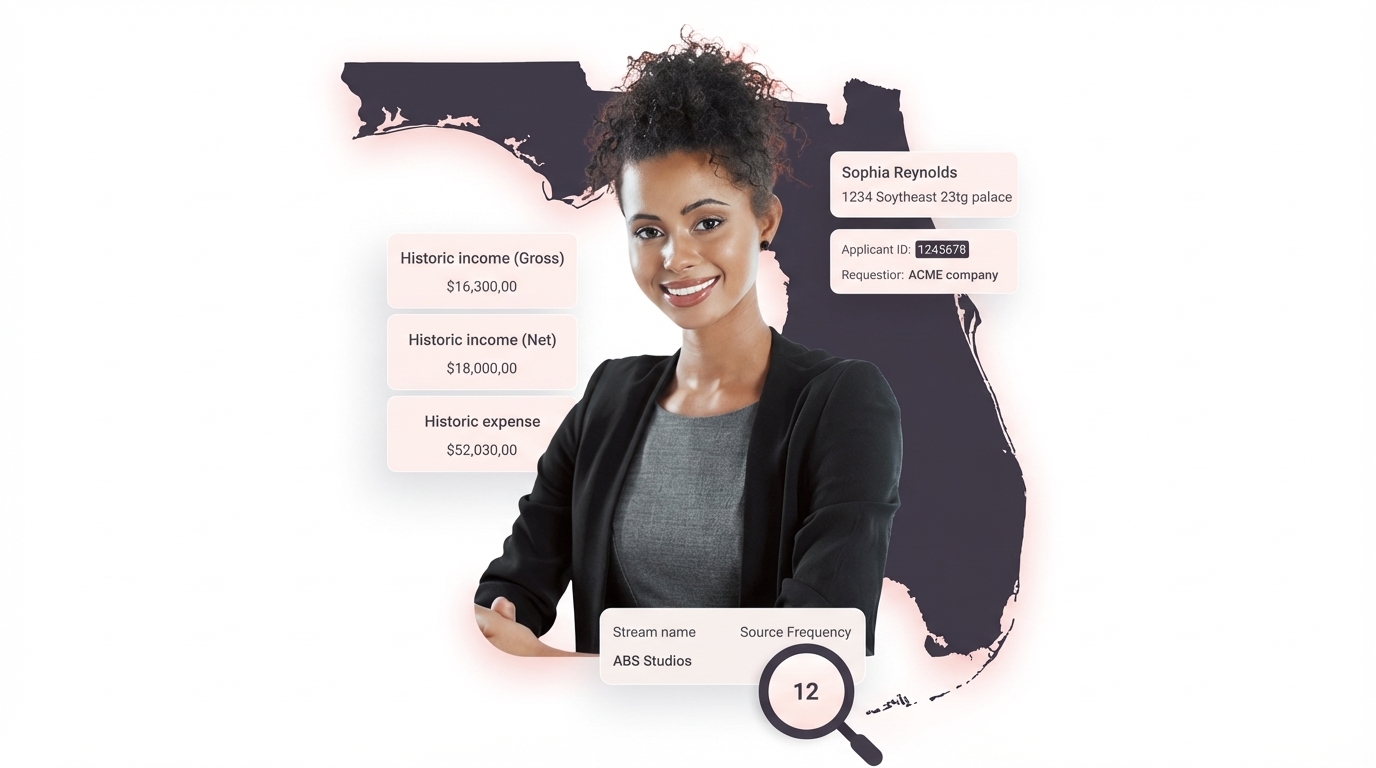
Schedule a demo to see how Tenant Evaluation combines screening, verification, and compliance in a single workflow for your association.
4. Board Dashboards for Faster, Transparent Approvals
Board dashboards remove much of the friction in the approval stage. Instead of scattered emails and printed packets, directors sign in to a secure portal that shows pending applications, summaries, and recommendations. Specialized HOA platforms now focus on giving boards clear information for confident decisions.
Dashboards also support digital voting, comments, and automated time stamps. Every action becomes part of the record, which shortens approval timelines and clarifies how each decision was made.
5. Automated Notifications and 24/7 Multilingual Support
Applicants expect clear, timely updates about their status. Automated notifications keep residents, realtors, and managers aligned by sending alerts when documents are received, reviewed, or approved, and when extra information is needed.
AI assistants can answer common questions at any hour about HOA rules, schools, transit, amenities, and property details. Multilingual chat support improves access for diverse communities and reduces call volume for onsite staff.
6. Secure Data Handling, Auto-Redaction, and Compliance
Resident applications contain sensitive personal and financial information. Manual handling increases the chance of exposure. Advanced PropTech platforms reduce that risk with auto-redaction of Social Security numbers, account details, and other personal identifiers in stored files.
Secure systems often rely on microservices, containerized deployments, and resilient APIs aligned with ISO 27001, GDPR, and PCI Level 1 standards. End-to-end encryption, role-based access, and audit logs support both privacy expectations and regulatory requirements.
7. Community Analytics for Informed Policy and Investment Decisions
Onboarding data can guide better long-term planning. PropTech analytics reveal trends in demographics, renter versus owner mix, amenity demand, pet ownership, and electric vehicle adoption. Big data tools in property management already help identify market patterns and behavior shifts, and similar techniques apply to HOA communities.
Boards can use these insights to adjust policies and budgets. Examples include planning EV charging, refining pet rules, or tailoring communications to the resident base.
Comparison: Legacy Onboarding vs. PropTech Solutions for Resident Efficiency
Legacy processes and PropTech-based workflows differ at every step, from data entry to board approval and recordkeeping.
|
Feature |
Manual/Legacy Onboarding |
PropTech Onboarding |
|
Application Process |
Paper forms, manual submission |
100% online, web and mobile |
|
Document Review |
Time-consuming, prone to errors |
AI-powered, auto-redaction |
|
Approval Time |
Weeks, inconsistent |
Days, streamlined board dashboard |
|
Data Security |
High risk of breaches, physical storage |
PCI Level 1, end-to-end encryption |
Schedule a demo to compare your current onboarding flow with a PropTech-driven approach from Tenant Evaluation.
Frequently Asked Questions (FAQ) about PropTech Resident Onboarding Efficiency
How do PropTech solutions support compliance with Florida-specific HOA regulations?
Platforms built for community associations map workflows to your governing documents and Florida law. Teams can set screening criteria, document requirements, and approval rules inside the system, which then applies them the same way for every applicant. Time-stamped logs and stored communications create a clear compliance record.
Can PropTech reduce the administrative burden for Community Association Managers?
Automated workflows replace many repetitive tasks, such as sending forms, checking for completeness, routing files to the board, and updating applicants. Digital document management and integrated screening reduce the number of systems managers must touch. Many communities report large time savings after moving away from paper-based processes used in 2024 and 2025.
How does PropTech improve transparency for HOA boards during approvals?
Board portals display all active applications, summaries, and supporting documents in one view. Members can see who has reviewed each file, how others voted, and which steps remain. This shared visibility reduces confusion and keeps the approval process consistent from meeting to meeting.
What measures do PropTech platforms use to protect applicants’ personal information?
Leading platforms encrypt data in transit and at rest, enforce strong authentication, and limit access based on user roles. Many include PCI Level 1 compliance and automatic redaction of sensitive PII within stored documents. Centralized security controls often exceed the protection level of email attachments and paper files.
How can PropTech help HOAs generate or protect revenue?
Online applications support fee collection by credit card or ACH at the time of submission, which improves cash flow and reduces check handling. Some providers offer revenue-sharing models where a portion of service fees flows back to the association. More accurate screening and faster move-ins also help reduce bad debt and vacancy-related costs.
Conclusion: A Practical Path to Faster, Safer HOA Onboarding
PropTech now offers Florida HOAs and condominiums a clear way to modernize resident onboarding. AI-assisted forms, digital signatures, integrated screening, board dashboards, and analytics work together to cut delays, reduce errors, and document every step. Communities that act now move beyond the manual practices common in 2024 and 2025 and give residents a smoother first impression.
Tenant Evaluation specializes in these workflows for community associations. Schedule a demo today to see how your association can streamline applications, strengthen compliance, and improve the resident experience in 2026.