
Key Takeaways
- Florida condo boards manage complex regulations, hurricane risk, and aging buildings, which strains manual processes and volunteer time.
- Centralized communication tools and digital governance platforms reduce confusion, support compliance, and make it easier for residents to stay informed.
- Automated screening, maintenance tracking, and document management lower administrative workload and help boards avoid costly mistakes.
- Integrated financial tools and AI-driven analytics give boards clearer visibility into cash flow, reserves, and long-term planning needs.
- TenantEvaluation offers Florida-focused screening, governance, and workflow tools that streamline approvals and support compliance; Schedule a demo today to see how it works for your community.
Why Florida Condo Boards Need PropTech Now
Florida condo boards operate under strict regulations, hurricane preparedness requirements, and rising expectations from owners who prefer digital-first services. Manual, paper-based workflows struggle to keep up with compliance tasks, insurance documentation, and frequent communication needs.
Florida communities increasingly rely on email, portals, and apps instead of bulletin boards and paper mail in 2026. At the same time, ongoing workforce challenges for condo managers highlight the need for technology that reduces repetitive work and supports staff retention.
7 Essential PropTech Solutions for Modern Florida Condo Board Management
1. Centralized Communication and Resident Portals
Centralized communication platforms give residents and board members one place for announcements, documents, and two-way messages. Digital portals now replace bulletin boards and one-way mailers in many communities.
These tools improve transparency, reduce misunderstandings, and help owners find information on their own. Boards and managers also report better work-life balance when routine inquiries drop.
Boards can post building-wide notices, share policy updates, collect feedback through forms, and provide self-serve access to documents. A well-designed portal often cuts direct email and phone inquiries, freeing managers to focus on higher-value tasks.
2. Automated Resident Screening and Onboarding Platforms
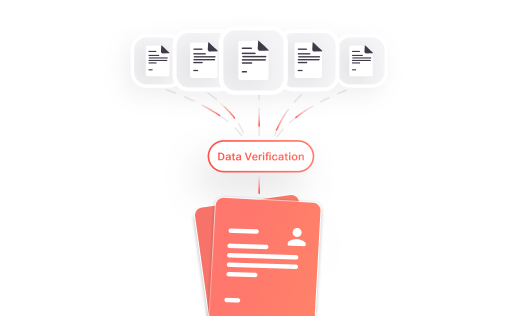
Specialized screening platforms digitize the entire application workflow, from online forms and document uploads to background checks and board approvals. Standardized criteria and clear steps reduce errors and delays for both boards and applicants.
Automated checks and record-keeping support Fair Housing, FCRA, and bylaw compliance while cutting manual data entry. Consistent processes also create strong audit trails for legal or regulatory reviews.
TenantEvaluation streamlines collection of leases, IDs through IDverify, and income documentation through smart forms. Secure tools such as SafeCheck+ and IncomeEv help verify identity, income, and criminal history while incorporating Florida-specific requirements so boards apply rules consistently.
A Florida management company reduced staff workload and reported potential annual savings of about 240,000 dollars after automating screening and onboarding with TenantEvaluation.
Schedule a demo today to see how TenantEvaluation can support compliant, consistent decisions for your association.
3. Digital Board Governance and Voting Systems
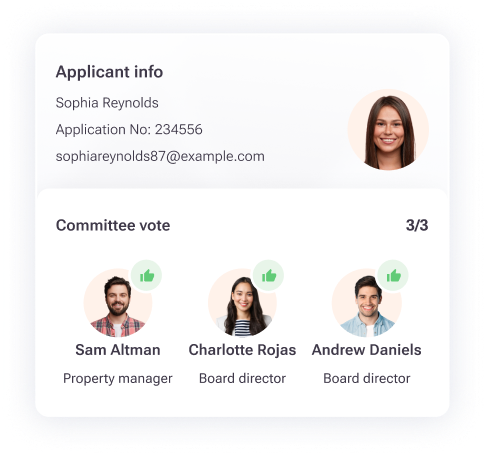
Digital governance tools give board members secure dashboards to review applications, track status, and vote online. TenantEvaluation’s QuickApprove, for example, presents summarized reports that help boards make faster, informed decisions.
Digital records and structured workflows support stronger oversight, faster responses, and clearer accountability. These systems also reduce reliance on long email chains, printed packets, and ad hoc processes that can create risk.
Board members can log in from any device to review applicant information, financials, and background results, then cast votes within set deadlines. Community analytics within these tools help boards balance resident feedback with long-term planning.
Transparent access to records and reports has been linked to fewer disputes and smoother annual meetings, an outcome many Florida boards seek.

4. Integrated Maintenance Management Systems
Modern maintenance platforms centralize work orders, vendor coordination, and preventative maintenance schedules for buildings and common areas. Many boards struggle with aging infrastructure and reactive repair patterns, which drive up long-term costs.
These systems help residents submit requests through a portal or app while managers assign tasks, track progress, and document completion. Clear status updates reduce follow-up calls and improve resident satisfaction.
Data from the platform supports better capital planning by highlighting recurring problems and vendor performance. Communities that adopt proactive scheduling and tracking often see fewer emergency repairs and more predictable budgets.
5. Secure Document Management and Archiving Solutions
Cloud-based document systems store bylaws, minutes, financial statements, contracts, and resident records in a structured, searchable library. Role-based access controls protect sensitive information while keeping essential records easy to find.
Florida boards can use these tools to respond quickly to records requests, support audits, and prepare for legal matters. Fast access to correct versions of bylaws and amendments often reduces legal fees and confusion during disputes.
6. Integrated Financial Management and Assessment Collection Tools
Financial platforms designed for associations combine accounting, budgeting, and assessment collection in one system. Boards facing rising costs benefit from automated payment processing and clearer financial reporting.
Online payment options, automatic reminders, and late-fee rules support more reliable cash flow. Dashboards show real-time budget versus actuals, reserve contributions, and upcoming obligations so boards can adjust plans early.
Communities that implement automated fee collection often report more on-time payments and fewer delinquent accounts, which strengthens overall financial stability.
7. AI-Powered Analytics and Strategic Insights
AI-based tools aggregate data on resident demographics, amenity use, maintenance history, and market trends to support strategic decisions. These insights go beyond basic reports by highlighting patterns and potential risks.
Boards that combine data with resident feedback can update policies, amenities, and capital plans in ways that align with owner priorities. Examples include planning for EV charging, pet amenities, or security upgrades.
Analytics dashboards can show turnover rates, unit values, and projected impacts of improvements. One Florida board used EV ownership data to justify installing charging stations, which helped increase property appeal and resident satisfaction.
Frequently Asked Questions (FAQ) about PropTech for Condo Boards
Q1: How quickly can a condo board expect to see ROI from implementing PropTech?
A1: Timelines vary by solution and starting point, but Florida associations that adopt automated screening and digital payments often see faster approvals and fewer manual hours within months. Savings come from reduced paper use, fewer errors, and lower compliance risk, alongside more predictable assessment collection.
Q2: Can smaller associations benefit from PropTech, or is it only for large communities?
A2: PropTech platforms scale well for both large and small associations. Smaller or self-managed communities often experience a strong impact because tools reduce repetitive work for limited staff and volunteers while improving record-keeping and owner communication.
Q3: How does PropTech address specific Florida compliance requirements for condo boards?
A3: Florida-focused platforms like TenantEvaluation embed local workflows, including custom screening criteria aligned with bylaws, required state forms, and audit-ready activity logs. These features help boards demonstrate consistent application of rules and maintain compliance documentation.
Q4: What security measures should boards look for in PropTech solutions?
A4: Boards should look for PCI Level 1 compliance for payment data, encryption in transit and at rest, automatic redaction of sensitive details, and role-based access controls. These elements protect resident information and reduce the risk of costly data incidents.
Q5: Can PropTech solutions integrate with existing management company systems?
A5: Many modern PropTech tools offer APIs and native integrations with popular property management and accounting platforms. This approach allows boards and management companies to add specialized capabilities such as screening or digital voting without replacing their entire tech stack.
Conclusion: Building Stronger Florida Condo Communities with PropTech
Florida condo boards face growing pressure to manage risk, meet regulatory standards, and serve residents who expect fast, digital service. PropTech helps meet these demands by simplifying communication, standardizing screening, strengthening governance, and clarifying finances.
Associations that adopt the right mix of tools can reduce volunteer burnout, improve compliance, and support long-term property values. TenantEvaluation focuses on Florida condo and HOA workflows, combining automated screening, QuickApprove governance tools, and secure data handling in one platform. Schedule a demo today to explore how your board can modernize operations in 2026.