
Key Takeaways
- Florida HOAs and condos now manage stricter structural inspections, reserve funding, and transparency rules, which make manual workflows risky and inefficient.
- Centralized digital tools for documents, inspections, finances, and alerts help boards prove compliance, control costs, and reduce legal exposure.
- Automated resident screening, background checks, and ID verification reduce approval times while supporting fair housing and data privacy requirements.
- Modern communication platforms, backed by strong data security, keep residents informed about assessments, projects, and compliance changes, which supports community trust.
- Tenant Evaluation offers purpose-built screening, onboarding, and compliance workflows for Florida communities; schedule a demo to see how the platform supports your HOA or condo.
Why PropTech Matters for Florida HOA/Condo Compliance in 2026
Florida associations now operate in a different regulatory environment than they did before 2025. Structural inspections, reserve contributions, and transparency rules have tightened, and most compliance work leaves a digital paper trail.
Non-compliance can result in fines, lawsuits, higher insurance premiums, and lower property values. Boards and community association managers who still rely on paper files and spreadsheets struggle to keep up with deadlines and documentation.
PropTech tools support this new reality by standardizing processes, automating reminders, and storing records in searchable, secure systems. Associations move from reacting to problems to managing risk in a planned way.
1. Digital Document Management and Online Portals for Transparency
Digital document tools now sit at the center of Florida transparency compliance. Record-keeping rules that took effect between 2025 and 2026 require online access to minutes, recordings, affidavits, and bank statements within 30 days for most communities with 25 or more units.
Modern systems store records in a single, secure location with timestamps, access logs, and version control. Florida law now requires most condos and HOAs with 25 or more units to maintain a compliant website with secure document access, so a basic file-sharing approach is no longer enough.
Tenant Evaluation focuses on resident screening and onboarding but also supports secure document collection tied to applications. The platform uses PCI Level 1 compliance and end-to-end encryption to protect uploaded files and sensitive data that relate to approval decisions and compliance workflows.
2. Automated Resident Screening and Onboarding for Risk Mitigation
Automated screening platforms reduce approval delays and improve consistency. Florida’s 2025 law changes expanded inspection, reserve, insurance, voting, and reporting requirements, so incomplete or slow application processing now carries greater operational and financial risk.
Effective screening tools:
- Collect applications online with required fields and logic that prevent incomplete submissions
- Apply association rules the same way for every applicant
- Support FCRA-compliant background checks and fair housing requirements
- Provide clear summaries for board review and voting
Tenant Evaluation’s platform automates the full application flow, which can cut cycle times and reduce manual review. Smart forms check for executed leases, valid IDs through IDVerify, and required documents before submission, so staff handle fewer incomplete files.
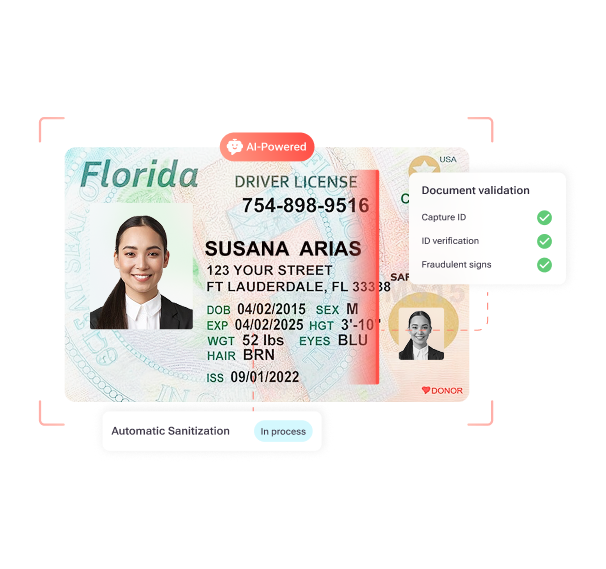
The SafeCheck+ feature provides FCRA-compliant background checks that align with privacy rules and association policies.
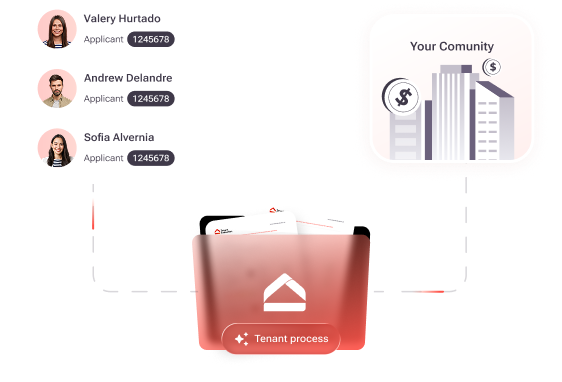
The platform also supports fee collection tied to applications, which helps boards capture income from approval fees and move-ins.
3. Inspection and Maintenance Tracking for Structural Integrity
Inspection and maintenance tools now function as compliance systems, not just maintenance planners. Legislation passed in 2025 introduced recurring structural inspections for older buildings and tied them to reserve and repair planning.
Dedicated software helps boards:
- Schedule inspections on the correct cycle and store engineer reports
- Assign and track remediation tasks and timelines
- Maintain an audit trail that shows action taken after an inspection
Insurance rules that took effect in 2025 now require updated appraisals and full replacement coverage, which makes accurate building condition records even more important for coverage and pricing.
4. Financial and Reserve Management Tools for Fiscal Health
Budgeting tools have become compliance tools because reserves, assessments, and disclosures now follow stricter rules. Florida’s newer requirements include mandatory reserve funding, clearer disclosures, and more visibility into financial records.
Modern financial platforms support:
- Integrated budgets, assessments, and reserve tracking
- Scenario planning for future inspections and repair projects
- Owner-facing dashboards that explain how compliance affects fees
Many owners experienced surprise assessment increases tied to compliance work in 2025, which showed how critical clear communication and reporting have become.
5. Compliance Monitoring and Alerts for Changing Rules
Compliance calendars and monitoring tools reduce the risk of missed deadlines as rules evolve. Federal, state, and local requirements now overlap for most Florida associations.
For example, the Corporate Transparency Act introduced federal ownership reporting for many associations, while Florida House Bill 293 created standards for hurricane protection products.
Strong compliance platforms help boards:
- Maintain centralized calendars of filing, training, and inspection dates
- Track rule changes by jurisdiction
- Log completion of board education, licensing checks, and disclosures
Manager licensing verification and structured board education on finances, inspections, and recordkeeping now form part of many compliance programs, so tracking these items in software is more reliable than manual notes.
6. Communication and Resident Engagement Platforms for Community Trust
Communication tools help residents understand why fees, inspections, and projects look different in 2026 than they did before 2025. Clear messaging reduces disputes and supports timely approvals.
Effective platforms centralize:
- Announcements about inspections, reserve studies, and rule changes
- Delivery of financial reports and meeting materials
- Online voting and virtual meeting access where permitted
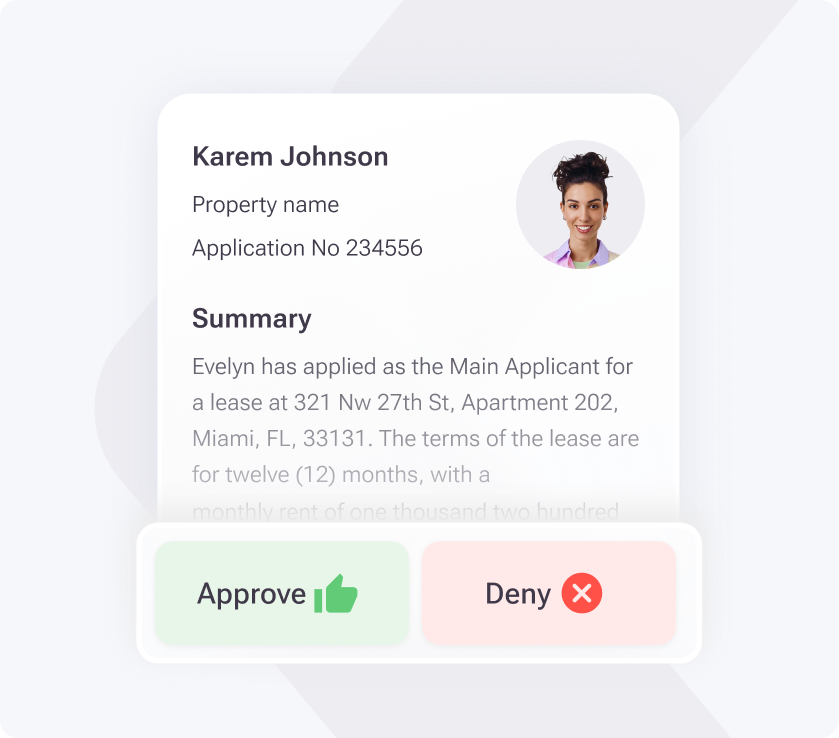
Tenant Evaluation’s QuickApprove dashboard gives board members a single view of pending applications, applicant summaries, and voting tools. That structure speeds approval decisions and makes the process more transparent for everyone involved.
7. Data Security and Privacy Management for Resident Protection
Data security now directly affects compliance because more resident information moves through online systems. Website and record-access rules expanded the volume of digital data that associations must protect.
Reliable security programs:
- Use strong encryption for data in transit and at rest
- Redact sensitive information where it is not needed
- Support PCI and FCRA standards where payments and background checks apply
- Log access to sensitive records for audit purposes
Transparency rules that took effect after 2025 increased the amount of sensitive data stored online, so boards must balance access with protection.
Tenant Evaluation supports this balance through automatic redaction of key identity details, PCI Level 1 compliance, and encrypted handling of IDVerify and SafeCheck+ background data. These safeguards protect applicants, residents, and associations while supporting fair housing and consumer protection laws.
Frequently Asked Questions (FAQ) about PropTech Compliance for Associations
How will the 2025 Florida condo laws affect my 2026 operating budget?
Changes introduced in 2025 around structural inspections, reserves, and insurance continue to shape 2026 budgets. PropTech financial tools help boards forecast these ongoing costs, model assessment options, and present the results in clear dashboards. Automated billing and collections can also offset some compliance-related expenses by reducing manual work.
What are the main risks of avoiding PropTech compliance tools?
Associations that avoid technology face greater chances of missed deadlines, incomplete records, and inconsistent processes. Those gaps can lead to fines, legal disputes, higher insurance costs, and lower buyer confidence when lenders or purchasers review association records. Manual workflows also increase the likelihood of data handling errors and security problems.
How can PropTech improve communication and transparency about compliance?
PropTech platforms create a single source of truth for updates, documents, and decisions. Residents can review minutes, financials, and inspection reports in one place, and automated alerts keep them informed about meetings, deadlines, and projects. Online voting and virtual meeting tools can also make participation easier, which supports stronger engagement around complex compliance topics.
How does Tenant Evaluation support Florida-specific compliance needs?
Tenant Evaluation is built around Florida association workflows. Boards can configure screening rules to match bylaws and policies, collect required documents securely, and use QuickApprove to manage application reviews and votes. The system maintains detailed activity logs, supports revenue generation through application-related fees, and keeps sensitive data protected throughout the process.
Which integrations matter most in PropTech compliance tools?
Helpful integrations include two-way connections with property management software, online payment systems, inspection and maintenance tools, and state-facing platforms such as DBPR accounts where appropriate. When systems share data automatically, boards spend less time on manual entry and reduce the chance of inconsistent records across documents, finances, and compliance filings.
Conclusion: Using PropTech to Stabilize Florida HOA/Condo Compliance
Florida’s post-2025 rules turned many traditional HOA and condo tasks into high-stakes compliance responsibilities. The seven PropTech tool categories described here give boards and managers a structure for handling inspections, finances, transparency, communication, and data security with greater control.
Tenant Evaluation serves as a focused solution for resident screening and onboarding within this larger toolkit. Automated workflows, QuickApprove board dashboards, secure document handling, and Florida-aware configurations help communities process applications efficiently while maintaining compliance and protecting data.
Schedule a demo today to see how Tenant Evaluation can support your 2026 compliance strategy.