
Key Takeaways
- Manual resident application workflows in Florida condos and HOAs create delays, errors, and heavy workloads for CAMs and board members.
- PropTech automation reduces processing time from weeks to days while strengthening compliance, data security, and recordkeeping.
- Digital portals, automated notifications, and clear dashboards improve communication for applicants, realtors, CAMs, and boards.
- Successful implementation depends on Florida-specific customization, system integration, and an intuitive user experience for all stakeholders.
- Florida communities can streamline applications and compliance by adopting Tenant Evaluation’s automated platform, available through this Tenant Evaluation demo request.
The Administrative Abyss: Why Manual Resident Applications Are Failing Florida HOAs and Condos
Manual resident applications often rely on paper packets, email chains, and spreadsheets. CAMs and board members then spend hours tracking documents, chasing signatures, and answering status questions, which limits time for broader community priorities.
Time-Consuming Paperwork and Manual Review for Resident Applications
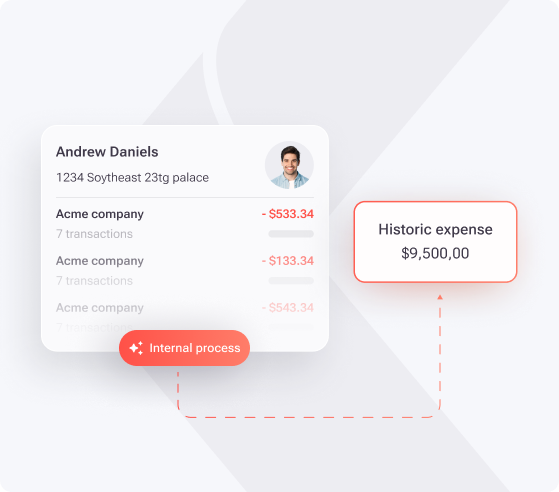
Physical forms, loosely organized email attachments, and rekeyed data consume many staff hours per file. Each application usually needs several touchpoints, including document review, follow-ups for missing items, employment and income verification, and coordination with realtors and applicants. Many communities report 8 to 10 staff hours spent per application, multiplied across dozens of monthly files, which turns resident onboarding into a constant backlog.
Compliance Nightmares and Data Security Risks in HOA Applications
Manual handling of sensitive data creates real legal and security exposure. Manual processes can create confusion about deadlines and disputes over review periods, which can trigger automatic approvals and legal challenges. Paper files, emailed Social Security numbers, and unencrypted bank statements increase identity theft and privacy risks. Florida-specific rules, FCRA obligations, and screening laws also require clear, auditable records that are difficult to maintain in a paper-based process.
Communication Breakdown and Applicant Frustration with Manual Processes
Slow, opaque processes frustrate applicants, realtors, and even board members. Inefficient processes slow down resolutions and reduce satisfaction, which leads to repeated calls and emails asking for updates. When applications stay in review for weeks, buyers face delayed closings, realtors risk losing commissions, and the community’s reputation suffers. Board members often receive incomplete information and lack real-time visibility into each application’s status.
Schedule a demo today to see how automated portals and status tools replace manual status checks and disconnected email chains.
The PropTech Solution: Streamlining Resident Applications with Automation
PropTech automation replaces fragmented manual steps with structured digital workflows. The right platform reduces staff workload, speeds up decisions, and supports consistent, compliant evaluations for every resident.
Automated Workflows and Expedited Processing for HOA Applications
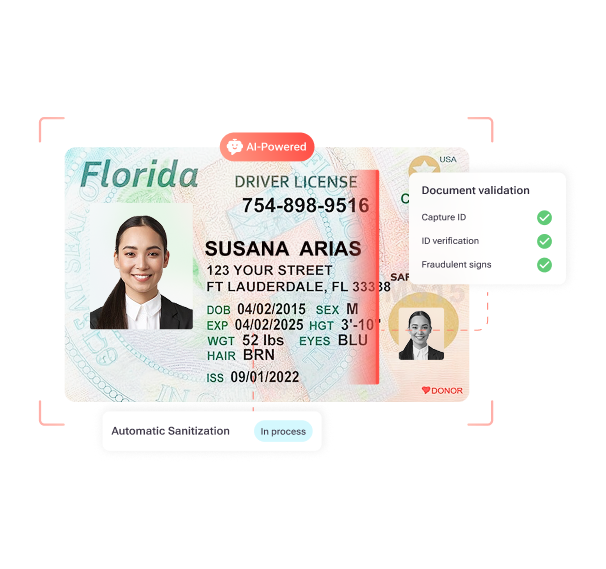
Digital workflows guide applicants from start to finish through smart online forms. Automated systems are increasingly vital for streamlining HOA applications and reducing administrative strain, cutting timelines from weeks to days. Forms adjust automatically for buyers, tenants, or additional residents, and digital signatures remove the need for in-person paperwork. System checks confirm that leases, IDs, and required documents are present and complete before CAMs or boards review the file, which avoids repetitive follow-ups.
Fortified Compliance and Data Security for Resident Onboarding
Modern platforms enforce compliance rules during every step of the application. Manual systems significantly increase legal and compliance risks due to the complexity of regulations, while purpose-built PropTech tools add FCRA workflows, PCI Level 1 security, and encryption. Automated timestamped logs capture each decision, status change, and communication, which creates a clear audit trail. Florida-specific rules and community screening standards can be embedded directly into the process, so applications cannot move forward without meeting required criteria.
Enhanced Transparency and Improved Applicant Experience with PropTech
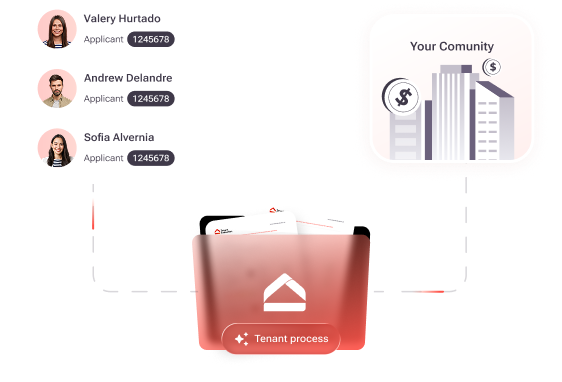
Online portals and automated notices give every stakeholder clearer expectations and faster answers. Applicants can upload documents, track status, and receive real-time updates without calling the management office. Realtors see where each file stands, which reduces uncertainty around closing dates. Board dashboards summarize key data, surface background and credit details, and support structured voting, which shortens decision cycles and reduces communication gaps.
Key Considerations for Implementing PropTech Automation in Your Community
Effective adoption requires more than turning on new software. HOAs and condos benefit most when they align automation with their governing documents, existing systems, and resident needs.
Customization and Florida-Specific Regulatory Alignment
Communities need a platform that reflects their bylaws and Florida statutes. Screening criteria, such as credit thresholds, income multiples, pet rules, and age restrictions, should be configurable at the association level. Workflows should follow the association’s approval steps and timing rules, which helps ensure consistent decisions and predictable timelines for every file.
Integration with Existing Systems and Data Management
PropTech works best when it fits the broader technology stack. A strong solution either integrates with accounting, communication, and board portals or offers complete data management in a single system. Centralized data reduces duplicate entry, supports accurate resident records, and simplifies reporting to the board.
User Experience for All Stakeholders
Clear, intuitive design improves adoption across diverse user groups. Multilingual support, mobile-friendly forms, and responsive help resources allow applicants, realtors, CAMs, and board members to use the system with minimal training. Short, focused training sessions and accessible support then keep daily operations running smoothly.
Schedule a demo today to see how a user-friendly platform fits into your existing processes and supports your team.
Comparing Manual Resident Application Processes to Automated PropTech Solutions
|
Feature/Aspect |
Manual Process |
Automated PropTech Solution |
Impact |
|
Processing Time |
Weeks to months |
Days to a week |
70% reduction |
|
Admin Burden |
Very High |
Minimal |
50 hours saved daily |
|
Compliance Risk |
High |
Low |
Automated audit trails |
|
Data Security |
Vulnerable |
Bank-level encryption |
PCI Level 1 compliant |
Frequently Asked Questions About PropTech Automation for Resident Applications
Q: How does PropTech automation ensure compliance with specific Florida HOA/Condo regulations?
A: Configurable workflows can mirror Florida statutes and your governing documents. Platforms support FCRA-compliant screening, standardized document requirements, and automated checkpoints, and they capture detailed audit logs for every application.
Q: Can an automated system handle the nuanced approval processes of our Board of Directors?
A: Advanced systems provide secure board dashboards with application summaries, key risk indicators, and structured voting tools. Board members keep full decision authority while the platform records every action for future reference.
Q: What kind of training and support is typically required to implement these systems successfully?
A: Most communities rely on a short onboarding period that covers configuration and role-based training. Intuitive design often limits formal training to a few hours, supported by ongoing technical assistance, documentation, and help resources.
Q: How does PropTech automation contribute to revenue generation for HOAs and Condos?
A: Reduced manual labor allows staff to focus on projects that support property values and resident satisfaction. Automated fee collection ensures that application and screening fees are captured accurately, and faster approvals can reduce vacancy time.
Q: What happens to our existing application data when we transition to an automated system?
A: Many providers offer data migration services that move historical applications, resident records, and community rules into the new system. Structured migration and backups protect data continuity during the transition.
Conclusion: Building More Efficient Florida Communities with PropTech Automation
Manual resident applications place Florida CAMs and board members under constant pressure, while exposing communities to compliance risk and slow response times. PropTech automation offers a practical way to streamline workflows, safeguard sensitive data, and give applicants and realtors a clearer, faster experience.
Communities that invest in automation now will be better prepared for future demand, digital expectations, and changing regulations than those that stay with paper files and email threads from 2024 and 2025. Automated systems that cut processing times by about 70 percent, reduce daily administrative hours, and strengthen audit trails can support stable operations and healthier association finances.
Schedule a demo today to see how Tenant Evaluation can streamline applications, enhance compliance, and support long-term stability for your condominium or homeowner association (HOA).