Written by: Luis Teran, Co-founder, CEO, TenantEvaluation
Key Takeaways
- Portfolio screening applies uniform FCRA-compliant criteria and board-ready workflows across multiple Florida condo and HOA communities to reduce fraud and maintain audit readiness.
- Direct credit bureau sourcing, biometric identity verification, and automated adverse action notices limit federal liability and identity fraud exposure at scale.
- Centralized lease tracking and timestamped approval records replace fragmented spreadsheets and email chains that create compliance gaps for management companies overseeing 50 or more communities.
- Biometric liveness detection plus government ID validation replaces unreliable document-only checks and protects age-restricted and high-density Florida markets from synthetic identity threats.
- TenantEvaluation delivers the complete seven-step evaluation framework, detailed in the Decision Framework section below, inside one connected, audit-ready platform built for Florida CAMs and community associations.
Core Definitions for Portfolio Screening Operations
Portfolio screening differs from single-property tenant screening in scope, governance complexity, and compliance exposure. A Regional Director overseeing 50 or more Florida communities must apply uniform criteria across properties with distinct governing documents, board compositions, and demographic requirements. The Director also needs a defensible audit trail for every decision.
Three foundational elements define a functional portfolio screening framework:
- Standardized criteria: Credit thresholds, income ratios, criminal history parameters, and document requirements are configured per community profile and governed by a consistent policy structure.
- FCRA-compliant data sourcing: Background and credit data are obtained through a direct credit bureau reseller relationship, not third-party aggregators. The platform enforces permissible purpose controls, automates adverse action, and maintains built-in audit trails.
- Board-integrated approval workflows: Decision authority remains with the association board. Structured review tools replace email chains and spreadsheets with timestamped, auditable processes.
These elements operate inside a specific regulatory and risk environment, which shapes how Florida CAMs must approach portfolio screening.
Florida Regulatory Environment and Fraud Pressure
Florida’s community association sector is among the most regulated in the United States. Condominium and HOA governance operates under Chapter 718 and Chapter 720 of the Florida Statutes, layered on top of federal FCRA obligations that govern how consumer reports are obtained, used, and disclosed. For management companies operating at portfolio scale, this creates a compliance surface area that grows with every community added.
Identity fraud now represents a major pressure point. Traditional document-based screening, which relies on uploaded ID copies and self-reported data, cannot reliably detect synthetic identities, impersonation attempts, or stolen credentials. Florida’s high-density condo markets and age-restricted communities face heightened exposure because they process high application volumes and carry serious reputational and legal consequences when a fraudulent occupant enters a community.

Boards and CAMs also face mounting administrative load. Manual follow-ups, incomplete applications, disconnected lease records, and fragmented approval workflows consume staff hours that could support higher-value operations. For management companies managing 50 or more communities, this inefficiency compounds into measurable revenue loss and compliance risk.
Four Phases of a Portfolio Screening Workflow
A functional portfolio screening operation moves through four sequential phases.
- Application intake: Applicants complete a fully digital submission that captures personal, financial, and occupancy data. Smart form logic adjusts required fields based on applicant type, such as tenant, purchaser, or adult occupant, and on the community profile.
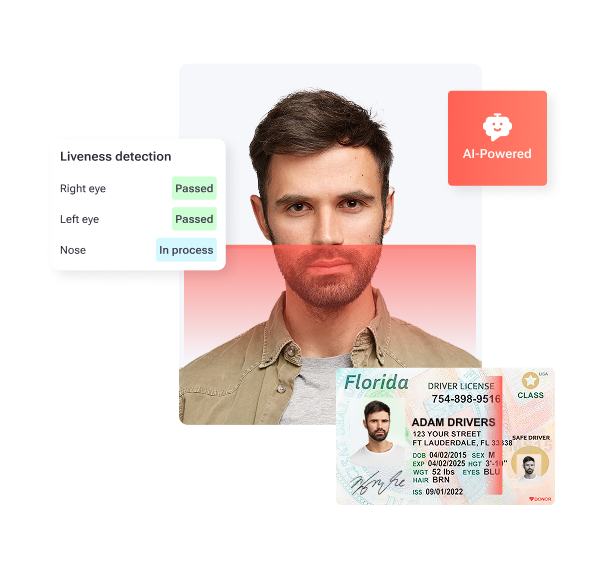
- Identity and document verification: The platform validates government-issued ID and runs biometric liveness detection to confirm physical presence. A selfie-to-ID facial comparison is completed before the application advances to screening review.
- Background and credit screening: Criminal history, eviction records, credit reports, and income verification are pulled through direct bureau relationships under strict permissible purpose controls. Automated adverse action workflows trigger when required.
- Board review and approval: Summarized applicant reports reach a board-ready dashboard where members review, vote, and record decisions. Every action is timestamped and retained for audit purposes.
Each phase in this workflow intersects with specific compliance obligations that create legal exposure when they are not handled correctly.
Compliance, Risk, and Governance Requirements
The following table maps the key compliance areas that portfolio screening operations must satisfy across these workflow phases.
| Compliance Area | Requirement | Portfolio Risk if Unaddressed |
|---|---|---|
| FCRA Permissible Purpose | Written consent before pulling consumer reports | Federal liability per violation |
| Adverse Action Notices | Timely written notice with bureau contact info when denying based on consumer report | Class action exposure |
| Data Security | PCI-level encryption, redaction of SSNs and financial data | Data breach liability, reputational damage |
| Audit Trail Retention | Timestamped records of every decision and document | Indefensible position in disputes or regulatory review |
| 55+ Community Documentation | Standardized age-verification records per HOPA framework | Inconsistent records, audit exposure |
| Identity Verification | Biometric confirmation prior to screening authorization | Fraudulent occupant entry, board liability |
TenantEvaluation is built for community associations and management companies, with FCRA compliance as the foundation. As a direct reseller of TransUnion and Equifax data, TenantEvaluation accesses bureau data under strict bureau rules, with no gray-market or offshore data sources. This approach protects community associations from the liability exposure that comes with third-party data aggregators operating outside bureau oversight.
Common Portfolio Screening Failure Points
Portfolio screening operations at scale tend to fail at predictable points.
- Inconsistent criteria application: Without a centralized platform, individual communities apply different standards, which creates fair housing exposure and board decision disputes.
- Fragmented lease management: Missing or outdated lease copies, manual expiration tracking, and disconnected spreadsheets create occupancy blind spots and compliance gaps.
- Identity fraud exposure: Document-only verification cannot detect synthetic identities or impersonation, which now represents a growing risk in Florida condo and HOA communities.
- Board bottlenecks: Approval workflows that live in email chains and spreadsheets stall during peak seasons, delay revenue, and frustrate applicants and realtors.
- Adverse action failures: Manual processes frequently miss the timing and content requirements for FCRA-mandated adverse action notices, which creates federal liability per incident.
These failure points have pushed leading Florida management companies to adopt specific operational practices that directly address identity fraud, board bottlenecks, specialized compliance needs, and lease management gaps.
Four Practice Areas Shaping Modern Portfolio Screening
Leading Florida management companies are converging on four practice areas for portfolio-scale screening. Together they cover identity verification at intake, board decision-making, age-restricted compliance, and ongoing lease management.

- Biometric identity verification embedded in the application workflow. IDVerify by TenantEvaluation introduces AI-powered liveness detection, government ID authentication, and biometric selfie-to-ID facial comparison. All checks run inside the screening workflow, with no external portal redirect. Communities move from document-based review to biometric-confirmed identity verification before approval decisions.
- Accelerated board approval workflows. QuickApprove accelerates resident approvals inside one connected platform. Boards receive a dedicated review and voting dashboard with real-time application tracking, automated communication support, customized approval letters, and a personalized welcome package. Boards keep control, compliance, and visibility while reducing delays.
- Standardized 55+ documentation workflows. 55+ Communities Verification reduces manual work, standardizes application handling, and supports documentation consistency for Florida condos and HOAs with age-restricted requirements. This improves operational efficiency and strengthens internal processes across communities.
- Centralized lease lifecycle visibility. Lease Tracking connects resident onboarding, unit data, approvals, and lease documentation into one centralized, real-time workflow. This gives CAMs real-time visibility into lease status, including active, pending, expired, or missing leases, and automates lease document collection at the unit level. The result is a complete audit trail that replaces spreadsheets and scattered email chains with searchable digital records from application to occupancy.
Watch these four capabilities in action during a live TenantEvaluation platform walkthrough to see how they work together across your portfolio.
Evaluation Criteria and Decision Framework
The following seven-step checklist provides the complete framework referenced in the Key Takeaways. Use it as a repeatable structure for evaluating portfolio screening readiness across Florida community association portfolios.
| Step | Criteria | Standard to Meet |
|---|---|---|
| 1 | Data sourcing | Direct credit bureau reseller (TransUnion, Equifax), no third-party aggregators |
| 2 | Identity verification | Biometric liveness detection, government ID validation, and facial biometric match |
| 3 | Criteria standardization | Per-community configuration within a portfolio-wide policy architecture |
| 4 | Adverse action automation | Automated notice generation with bureau contact information and timing compliance |
| 5 | Board workflow | Dedicated review and voting dashboard with timestamped, auditable decisions |
| 6 | Lease lifecycle visibility | Centralized, real-time lease status connected to onboarding and unit records |
| 7 | Audit trail completeness | Every application, document, decision, and communication retained and searchable |
TenantEvaluation delivers all seven steps inside one platform tailored to Florida community associations. With 5,000 plus communities served, more than 100,000 applications processed annually, and $150M generated for communities, TenantEvaluation provides an all-in-one, credit-bureau-reseller platform designed for this operating environment.
Frequently Asked Questions
How is portfolio screening different from standard tenant screening for a single property?
Portfolio screening operates across multiple communities simultaneously, each with distinct governing documents, board compositions, and compliance requirements. The core challenge is applying consistent, defensible criteria at scale while accommodating community-specific rules. This model requires a centralized platform that can configure per-community screening criteria, maintain a unified audit trail across all properties, and deliver board-ready approval workflows that do not vary in quality or compliance rigor from one community to the next. Single-property tenant screening tools are not designed for this governance complexity and typically lack the board dashboard, adverse action automation, and lease lifecycle visibility that portfolio operations require.
How does FCRA compliance apply specifically to Florida condo and HOA resident screening?
The Fair Credit Reporting Act governs how consumer reports, including credit, criminal, and eviction records, are obtained, used, and disclosed in any residential screening context, including community associations. Florida CAMs and boards must obtain written consent before pulling a consumer report, provide timely adverse action notices when a decision is based on that report, and maintain records demonstrating permissible purpose for every inquiry. Community associations that use third-party data aggregators rather than direct bureau resellers face additional exposure, because data sourced outside bureau oversight may not meet permissible purpose standards. TenantEvaluation’s direct reseller relationships with TransUnion and Equifax, combined with automated adverse action workflows and built-in audit trails, address these requirements at the platform level.
What is biometric identity verification and why is it relevant for Florida HOA and condo screening?
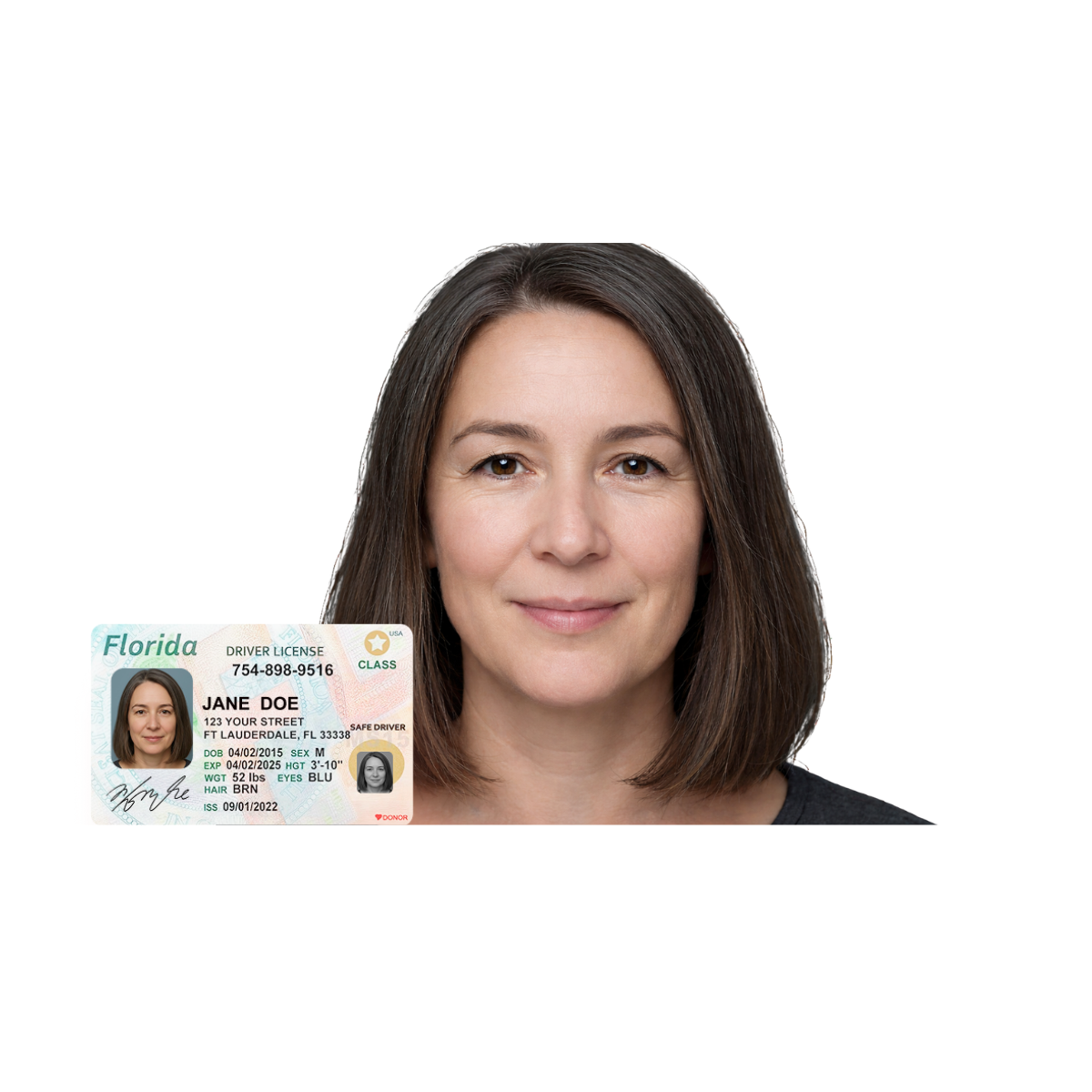
Biometric identity verification confirms that the person submitting an application is physically present and matches the government-issued ID provided. It typically combines government ID authentication, AI-powered liveness detection, and facial biometric comparison between a live selfie and the ID photo. For Florida condo and HOA communities, this matters because traditional document-based screening cannot detect synthetic identities, impersonation attempts, or stolen credentials, which are growing fraud vectors in high-density residential markets. TenantEvaluation’s IDVerify runs this entire verification process inside the screening workflow, so CAMs see biometric match results, liveness status, and ID authenticity confirmation embedded directly in the screening report without redirecting applicants to an external portal.
How does a board-ready approval workflow reduce liability for community associations?
Email chains and spreadsheets give associations limited ability to demonstrate that decisions were made consistently, on the basis of permitted criteria, and within required timeframes. A board-ready approval workflow, such as QuickApprove inside TenantEvaluation, provides a dedicated voting dashboard where board members review summarized applicant reports, cast votes, and record decisions with automatic timestamps. Every action is retained in an auditable log. This creates a defensible record that decisions were made by the board, not the management company, based on standardized criteria, which is a critical distinction for FCRA compliance and fair housing liability management.
What operational problems does centralized lease tracking solve for management companies with large portfolios?
Management companies overseeing 50 or more communities often manage lease records across folders, inboxes, and spreadsheets. This creates occupancy blind spots, delayed follow-ups, and compliance gaps tied to missing or outdated documentation. Centralized lease tracking connects resident onboarding, unit data, approvals, and lease documentation into one real-time workflow. CAMs can confirm occupancy status, track lease expirations, and access historical records instantly without searching across disconnected systems. Boards gain a clearer operational picture of resident activity across communities, and audit-ready digital lease records reduce risk tied to incomplete or fragmented documentation.
Summary and Next Steps
Property management portfolio screening at scale requires standardized criteria, direct bureau data sourcing, biometric identity verification, board-integrated approval workflows, and centralized lease lifecycle visibility. All of these elements need to operate inside a single, audit-ready platform. Manual and fragmented approaches create FCRA exposure, identity fraud risk, board bottlenecks, and operational blind spots that compound across every community added to a portfolio.
TenantEvaluation is an all-in-one, FCRA-first platform built for Florida community associations and management companies, not adapted from generic multifamily tools. With bureau-direct data sourcing, IDVerify biometric verification, QuickApprove board-ready workflows, 55+ Communities Verification, and Lease Tracking, TenantEvaluation delivers every component of the seven-step framework above inside one connected platform.
