Written by: Luis Teran, Co-founder, CEO, TenantEvaluation | Last updated: July 15, 2026
Key Takeaways
- Florida condo and HOA managers should evaluate platforms across six dimensions: accounting depth, violation workflows, portals, screening integration, pricing, and real-time lease tracking. These areas directly affect administrative workload and 2026 regulatory readiness.
- Chapter 718, Chapter 720, and FIPA requirements effective January 2026 require platforms with compliance calendars, biometric data protections, and automated document posting to avoid penalties up to $5,000 per violation.
- Identity fraud and FCRA compliance risks continue to increase. Platforms without biometric verification and screening built around FCRA rules leave associations exposed to legal and operational risk.
- Manual workflows for lease tracking, board approvals, and violation enforcement slow responses and increase costs. Centralized automation now plays a critical role in scaling Florida community portfolios.
- TenantEvaluation delivers screening, biometric verification, board approval, and lease tracking tailored to Florida communities. Explore how it works for your portfolio.
Why Platform Selection Matters for Florida Community Associations in 2026
Florida HB 1203 and HB 1021 expanded website and financial reporting mandates across thousands of condo and HOA communities effective January 1, 2026. Condominium associations with 25 or more units must now maintain a password-protected digital portal that posts 18 document categories within 30 days of creation or receipt. HOAs with 100 or more parcels face similar obligations under Chapter 720. DBPR may impose civil penalties up to $5,000 per violation for condo website non-compliance.
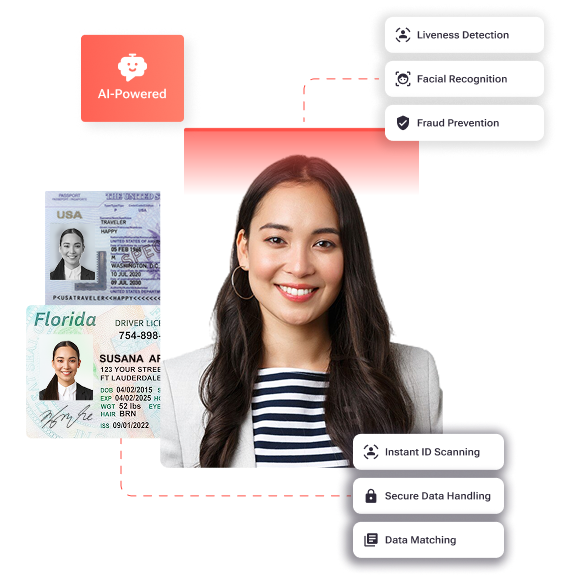
Identity fraud exposure inside community applications is rising at the same time. Traditional document-upload screening cannot reliably detect synthetic identities or impersonation attempts. A 2023 amendment to Florida’s Information Protection Act (FIPA) broadened the definition of personal information and now covers biometric information collected during screening. Boards and CAMs that rely on manual workflows carry growing liability across screening, records management, and lease documentation at once.
Core Definitions for CAM Workflows
These definitions clarify how different workflow components appear in platform evaluations and vendor comparisons.
- CAM workflow: The end-to-end process a Community Association Manager uses to receive, review, approve, and record resident applications, from intake through occupancy.
- FCRA compliance: Adherence to the Fair Credit Reporting Act, which governs permissible purpose, applicant authorization, adverse action notices, and data handling for consumer reports used in screening decisions.
- Resident onboarding: The sequence of steps from application submission through identity verification, background screening, board approval, and move-in documentation.
- Lease lifecycle: The operational arc of a lease from document collection during onboarding through active occupancy, renewal tracking, and expiration or termination.
- Board oversight: The governance layer through which a Board of Directors reviews applicant data, votes on approvals, and maintains audit-ready records of decisions.
Industry Landscape and 2026 Trends for Florida Associations
The global property management software market was valued at USD 3.6 billion in 2025 and is projected to reach USD 5.9 billion by 2033, with a CAGR of 6.4%. Adoption patterns differ by operator type, but Florida community associations face a distinct mix of regulatory and operational pressures.
Three trends now shape platform selection for Florida communities.
- Regulatory pressure: Chapter 718 and 720 website mandates, FIPA biometric data protections, and tiered financial reporting requirements push communities toward platforms with compliance calendars and automated document posting.
- Identity fraud escalation: Communities face more stolen IDs, synthetic identities, and impersonation attempts that document-only screening cannot detect reliably.
- Lease visibility demand: Operators reduce revenue leakage and missed renewals by replacing spreadsheets with centralized lease data platforms that create a single source of truth for lease terms across property and finance teams.
How Market Trends Show Up in Daily CAM Operations
These market-level trends translate directly into daily operational pressure for CAMs. Day-to-day CAM operations involve application intake from multiple channels, document collection from applicants and realtors, board voting coordination, lease expiration tracking across dozens or hundreds of units, and ongoing communication with all parties.
Manual invoice processing in HOAs costs between $10 and $15 per invoice when factoring in labor, printing, storage, routing, and approvals. Violation management, including notices, architectural review, photo documentation, hearing scheduling, and fine tracking, often becomes the most time-consuming administrative function in active enforcement communities.
Counties may also set timelines for associations to respond to screening applications. Platforms that cannot automate intake, document validation, and board notification create bottlenecks that push communities toward statutory deadlines and applicant disputes.
Compliance, Risk, and Governance Considerations for Florida Communities
Charging an application fee in Florida triggers FCRA and Fair Housing Act requirements, including the need for permissible purpose, applicant authorization, and adverse action notices when a consumer report influences a denial, co-signer requirement, or higher deposit. Under the Florida Condominium Act, Florida condominium associations are capped at charging $150 per applicant for screening or transfer fees, which may be adjusted for inflation every five years.
Associations face civil penalties of up to $500,000 per breach under FIPA for failure to provide required notices. Given the $5,000-per-violation penalty established under HB 1203, platforms must support auto-redaction of sensitive PII, built-in adverse action workflows, and full audit trails to reduce board liability exposure. No platform removes compliance risk entirely, but platforms designed around FCRA requirements reduce both the likelihood and impact of violations.
Common Workflow Gaps in Florida Associations
A 2026 Condo Control survey found that 43% of residents view enforcement of rules as unfair. Beyond violations, Florida community associations report several recurring workflow failures.
- Missing or outdated lease copies stored across folders, inboxes, and disconnected spreadsheets
- Manual lease expiration tracking with no centralized visibility or occupancy confirmation
- Inconsistent 55+ age-restricted documentation across applications and communities
- Fragmented board approval processes that rely on email chains with no audit trail
- Identity fraud exposure from document-only screening with no biometric confirmation
Best Practices for Adopting a Modern Platform
A full violation enforcement workflow in HOA software should support discovery through fine, appeal, and closure stages, including customizable notice templates, open-versus-closed violation reporting, and handling of homeowner disputes. Addressing the broader workflow gaps requires a move from reactive workarounds to proactive, connected capabilities.
Effective platform adoption in 2026 calls for a layered approach. Start with workflow standardization by configuring application intake, document collection, and board voting inside one connected platform instead of across email, PDFs, and spreadsheets.
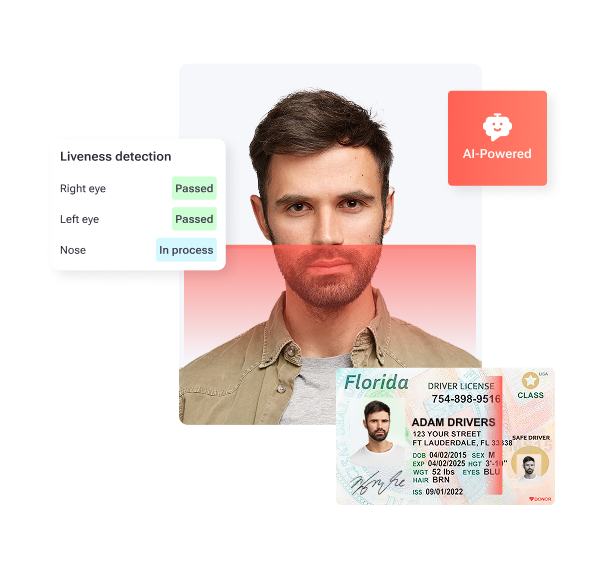
That standardization should include biometric identity confirmation, which shifts communities from document-upload-only screening to verification that confirms physical presence before approval decisions. Once identity is confirmed, automated adverse action processes ensure FCRA-required notices are generated and delivered with timestamped audit records.
Centralized digital lease records then connect onboarding, approvals, unit data, and lease documentation into one searchable, audit-ready workflow from application to occupancy. AI-driven property management platforms can decrease lease administration mistakes by over 42% and save property managers more than ten hours per week through automation of workflows.
Evaluation Criteria and Decision Framework for Florida CAMs
For Florida condo and HOA managers, two additional dimensions are non-negotiable. Platforms must include screening and onboarding integration that aligns with FCRA rules, and they must provide real-time lease tracking with occupancy visibility. Generic platforms that cover accounting and violations but omit screening depth and lease lifecycle control leave the highest-risk operational gaps in place.
With this decision framework in place, the next step is to see how commonly considered platforms perform on pricing, screening, identity verification, and lease tracking for Florida communities.
Buildium Pricing and Capability Fit for Florida Associations
Buildium’s Essential plan starts at $62/month, Growth at $192/month, and Premium at $400/month, verified May 2026. Buildium’s full Lumina AI suite remains restricted to Premium plans. Buildium’s violation handling is functional but requires more manual follow-up because automation around escalation and resolution is lighter, and its governance features are limited, often requiring third-party tools. Buildium does not include FCRA-focused resident screening, biometric identity verification, or centralized lease tracking as native capabilities.
| Platform | Entry Price (2026) | FCRA-First Screening | Biometric Verification |
|---|---|---|---|
| TenantEvaluation | Pay-per-application; no upfront subscription fee | Yes, built into the core workflow | Yes, IDVerify+ native |
| Buildium Essential | $62/month | No | No |
| ManageCasa Base | $45/month (billed yearly) | No | No |
| PayHOA | $49/month (0–25 units) | No | No |
AppFolio vs Buildium vs TenantEvaluation for HOAs
AppFolio and Buildium operate as broad property management platforms built for multifamily and rental portfolios. Both provide accounting, maintenance, and resident portals but neither is tailored to Florida community associations. Neither platform offers resident screening designed around FCRA rules, biometric identity verification, a dedicated board voting dashboard, or native centralized lease tracking.
For Florida condo and HOA managers, the more relevant comparison focuses on which platform handles the full resident onboarding lifecycle inside one connected workflow. That lifecycle runs from compliant screening through biometric verification, board approval, and lease documentation. TenantEvaluation is purpose-built for this layer and integrates alongside any property management platform a community already uses.
| Capability | TenantEvaluation | AppFolio | Buildium |
|---|---|---|---|
| FCRA-first design | Yes, core architecture | No | No |
| Biometric ID verification | Yes, IDVerify native | No | No |
| Board voting dashboard | Yes, QuickApprove | No | Limited |
| Florida 55+ support | Yes, 55+ Communities Verification | No | No |
Best Property Management Software for Self-Managed HOAs by Size
| Portfolio Size | Screening/Onboarding Layer | PMS Options | Key Priority |
|---|---|---|---|
| Small self-managed (<50 units) | TenantEvaluation (pay-per-application) | ManageCasa Base, PayHOA | Ease of use, flat pricing, FCRA compliance |
| Mid-size (50–500 units) | TenantEvaluation + QuickApprove | Buildium Growth, ManageCasa Growth | Workflow automation, board dashboard, lease tracking |
| Large enterprise (500+ units) | TenantEvaluation full stack | AppFolio, Vantaca, CINC Systems | Multi-community dashboards, FCRA audit trails, biometric verification |
HOA Management Software with Violation Tracking and Screening Gaps
A single HOA case study showed automated violation tracking delivered roughly 70% faster resolution, from 23 to 6.8 days, raised fine collection from 39% to 81%, and produced full payback in about 3–4 months. Automation also lowered the direct administrative cost per violation case.
Violation tracking remains a necessary but incomplete criterion for platform selection. Communities that streamline violation workflows while leaving screening and onboarding manual face the highest-risk gap: unverified residents entering the community. TenantEvaluation covers the screening and onboarding layer that violation-tracking platforms do not address and integrates with existing PMS tools to complete the operational stack.
What Reddit Discussions Reveal About CAM Pain Points
Forum discussions on Reddit and similar platforms consistently surface two pain points that review-site comparisons rarely highlight. CAMs describe manual approval bottlenecks and missing lease records as weekly frustrations.
Managers report spending hours each week chasing board members for votes via email, searching inboxes for lease copies, and tracking expiration dates in spreadsheets. These issues do not stem from accounting or violation modules. They arise from gaps in the screening, onboarding, and lease lifecycle layer that generic PMS platforms do not cover.
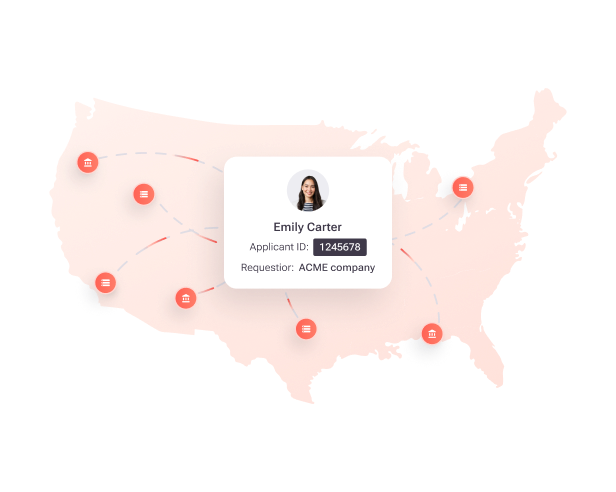
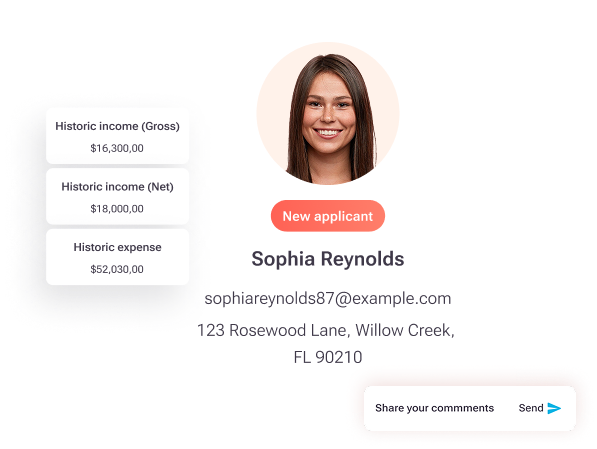
TenantEvaluation’s QuickApprove accelerates resident approvals inside one connected platform, reduces manual follow-ups, and gives boards a dedicated review and voting dashboard. Lease Tracking connects onboarding, unit data, approvals, and lease documentation into one centralized, real-time workflow, which removes spreadsheets, scattered email chains, and blind spots from application to occupancy.
See QuickApprove and Lease Tracking in action for your community.
Screening and Onboarding Layer Ranking Table
| Platform | FCRA-First Design | Biometric Verification | Florida 55+ Support | Lease Tracking |
|---|---|---|---|---|
| TenantEvaluation | Yes, foundation, direct bureau reseller (TransUnion, Equifax) | Yes, IDVerify with liveness detection and biometric matching | Yes, 55+ Communities Verification | Yes, centralized, real-time, audit-ready |
| ApplyCheck | Partial, TazWorks platform, not HOA-native | No | No | No |
| Verify Screening Solutions | Partial, TazWorks platform, limited applicant interaction | No | No | No |
| Buildium | No | No | No | No |
2026 Pricing Ranges for Screening and PMS Platforms
| Platform | Pricing Model | 2026 Entry Cost | Notes |
|---|---|---|---|
| TenantEvaluation | Pay-per-application, revenue-sharing model | No upfront subscription fee | Application fee collected from applicant, TenantEvaluation deducts service fee, remainder rebated to association |
| Buildium Essential | Monthly subscription | $62/month | Full AI suite restricted to Premium ($400/month) |
| ManageCasa Base | Flat monthly (billed yearly) | $45/month | Includes violation management and lease management module |
| PayHOA | Tiered by unit count | $49/month (0–25 units) | Per-transaction fees apply, Florida compliance layer requires add-on |
Hidden costs in HOA management software frequently include ACH fees, per-eblast credits, document storage tiers, and monthly minimums, causing all-in costs to run 50–100% above the headline rate. TenantEvaluation’s pay-per-application model with revenue sharing aligns costs with community activity instead of fixed overhead.
Frequently Asked Questions
What makes TenantEvaluation different from AppFolio or Buildium for Florida HOA and condo managers?
AppFolio and Buildium are broad property management platforms designed primarily for multifamily rental portfolios. They provide accounting, maintenance, and resident portals, but neither is tailored to Florida community associations. Neither includes resident screening built on FCRA rules, biometric identity verification, a dedicated board voting dashboard, Florida 55+ age-restricted community support, or centralized lease tracking as native capabilities. TenantEvaluation is built exclusively for community associations and management companies, with compliance embedded from the start. It functions as the screening and onboarding layer that completes any property management stack and integrates alongside existing PMS tools rather than replacing them.
How does TenantEvaluation support Florida 55+ age-restricted communities?
55+ Communities Verification is a built-in capability within TenantEvaluation that helps Florida condos and HOAs standardize how age-restricted requirements are handled across applications. It reduces manual work, improves documentation consistency, and creates more structured records for internal operational control.

The feature is designed for Community Association Managers and boards managing age-restricted communities where fragmented manual processes, including heavy reliance on emails, PDFs, and follow-ups, create inconsistent documentation and extra administrative burden. This capability supports documentation and consistency but does not replace legal guidance.
What is QuickApprove and how does it reduce approval bottlenecks for boards?
QuickApprove is TenantEvaluation’s accelerated approval workflow for CAMs, boards, and property management teams. It replaces email chains, spreadsheets, and disconnected follow-ups with real-time application tracking, automated communication support, customized approval letters, a personalized welcome package, and a board-ready approval process inside one connected platform.
Boards access a dedicated panel with summarized applicant reports and a voting workflow. Managers track application progress in real time and trigger automated communication without manual follow-up. QuickApprove supports high-volume seasons and communities with complex onboarding requirements while preserving board oversight, compliance review, and screening due diligence.
How does TenantEvaluation’s Lease Tracking work for community associations?
Lease Tracking is a centralized operational capability built directly into TenantEvaluation that connects resident onboarding, unit data, approvals, and lease documentation into one streamlined, real-time workflow. It provides centralized lease records and real-time lease status visibility, including active, pending, expired, or missing states.
The feature also supports automated lease document collection during onboarding, unit-level tracking tied to occupancy records, and a searchable digital history of lease records and resident activity. CAMs, property management teams, boards, and community operations teams use it to confirm occupancy status, track lease expirations, and access historical records instantly instead of searching across folders, inboxes, and spreadsheets. Lease Tracking does not replace legal lease review or interpretation and does not enforce lease terms automatically.
Is TenantEvaluation compliant with FCRA requirements for community association screening?
TenantEvaluation is built on an FCRA-focused architecture. It is a legitimate reseller of TransUnion and Equifax data, accessed under strict bureau rules with regular compliance reviews and audits. The platform includes strict permissible purpose controls, automated adverse action workflows, clear separation between decision-making by the association and data provision by TenantEvaluation, and built-in audit trails for every application.
IDVerify+ strengthens permissible-purpose validation by confirming identity before screening authorization, which reinforces FCRA-aligned workflows and audit defensibility. No platform eliminates compliance risk, but TenantEvaluation’s design aims to reduce that risk structurally.
Conclusion and Next Steps for Florida CAMs
Florida condo and HOA managers evaluating property management platforms in 2026 face a more complex decision than in prior years. Chapter 718 and 720 website mandates, FIPA biometric data protections, rising identity fraud, and demand for real-time lease visibility have raised the baseline requirements for any platform that claims to serve community associations. Generic PMS tools cover accounting and violations but leave critical gaps in compliant screening, biometric identity verification, board-ready approval workflows, Florida 55+ documentation, and centralized lease lifecycle control.
TenantEvaluation is purpose-built to close those gaps. With FCRA-focused design, direct credit bureau reseller relationships with TransUnion and Equifax, IDVerify+ biometric verification, QuickApprove board-ready approval workflows, 55+ Communities Verification, and centralized Lease Tracking, TenantEvaluation completes the operational stack for Florida community associations from application submission through occupancy.
Schedule your demo to see TenantEvaluation in action for your community.
