Written by: Luis Teran, Co-founder, CEO, TenantEvaluation
Managing community associations in Florida requires more than just basic property tools. This article highlights seven key features that make a property management platform effective, helping HOAs and condos streamline operations, stay compliant, and improve resident satisfaction. With unique challenges like strict regulations and diverse resident needs, the right system can turn obstacles into opportunities for better management.
Why Florida HOAs & Condos Need Specialized Platforms
Florida community associations face specific regulatory and operational demands that standard property tools can’t fully address. HOAs and condos must handle detailed bylaws, board governance, and state laws while managing resident screening and community tasks.
Community Association Managers (CAMs) and Board Members deal with more than just property upkeep. Manual methods slow things down, increase compliance risks, and cost potential income. Many generic software options lack critical features like board voting tools or customizable screening for Florida’s unique rules.
Schedule a demo today to explore how a tailored platform can improve your association’s operations, ensure compliance, and increase revenue.
Florida’s complex HOA and condo rules call for adaptable systems. Specialized platforms let you set unique community standards while keeping everything consistent and compliant.
1. Simplify Operations with an All-in-One Online Application System
An all-in-one online application system saves time by centralizing everything. Paper forms and scattered digital tools often cause delays, errors, and communication issues. A single platform handles document collection, updates, and processing, making things smoother for staff and applicants.
Automated workflows adjust based on community needs and applicant input. They verify documents, use conditional logic for forms, and provide real-time updates to keep everyone in the loop.
These digital systems do more than just simplify tasks. Automation can boost operational efficiency by 40%, letting staff focus on bigger goals. For Florida associations, this means lower costs, quicker approvals, and happier residents.
Take a Florida management company as an example. By switching to a unified digital system, they saved $240,000 yearly. Processing times dropped by 50%, freeing up 50 staff hours daily for community engagement and planning.
Key benefits include:
- Mobile-friendly applications for easy access.
- Electronic signatures to speed up agreements.
- Automated document collection for less manual work.
- Real-time tracking to monitor progress.

2. Stay Compliant with Customizable Rules and Florida Regulations
Florida’s regulatory environment demands platforms that adapt to state laws and community-specific bylaws. Each association has unique rules for screening and approvals, and generic software often falls short, risking non-compliance and inefficiencies.
Effective systems let you customize credit score thresholds, income checks, document needs, and approval steps. They also align with Florida-specific requirements like FCRA rules for background checks and data privacy laws.
Compliance is critical today. Automated platforms cut audit prep time by keeping digital records of all actions and communications, ensuring rules are consistently applied and legally documented.
Custom setups also mean quick adjustments to new state laws or updated bylaws, keeping operations uninterrupted. Key features include automated disclosures, adjustable screening rules, and real-time updates on regulations.
3. Reduce Errors with Smart Application Logic
Incomplete applications waste time in community management. Static forms often miss key data or ask irrelevant questions, leading to follow-ups and delays. Smart application logic solves this with dynamic forms and instant validation.
Intelligent forms change based on applicant answers and community rules. For instance, tenant applications request lease details while purchase applications focus on financing. This cuts unnecessary steps for everyone.
Real-time validation checks documents for completeness and correct formats before submission, reducing back-and-forth communication. AI tools can save up to 4 hours daily per agent and double productivity. This speeds up processing and lowers costs for associations.
Smart logic can cut incomplete submissions by up to 80%. Automated reminders for missing items further reduce staff workload while keeping applicants on track.
4. Protect Data with Strong Security and Automated Redaction
Handling sensitive resident data is a major responsibility for associations. Paper systems and basic digital tools risk breaches, identity theft, and legal issues. Strong security with automated protection is essential.
Top platforms use PCI Level 1 compliance, full encryption, and automatic redaction of personal details like Social Security numbers. These steps shield data during application and storage processes.
Automated redaction identifies and hides sensitive info in documents, avoiding human error and ensuring privacy. Data breaches can cost an average of $4.45 million per incident, so robust security is a must for reducing risks.
Thorough data protection guards against breaches and fraud while keeping operations smooth. These systems offer peace of mind for boards, managers, and residents alike.

5. Support Boards with Tools for Document Collection and Voting (QuickApprove)
Board governance in associations needs more than generic software can offer. Members require direct access to applications, efficient reviews, and clear voting options for accountability and faster decisions.
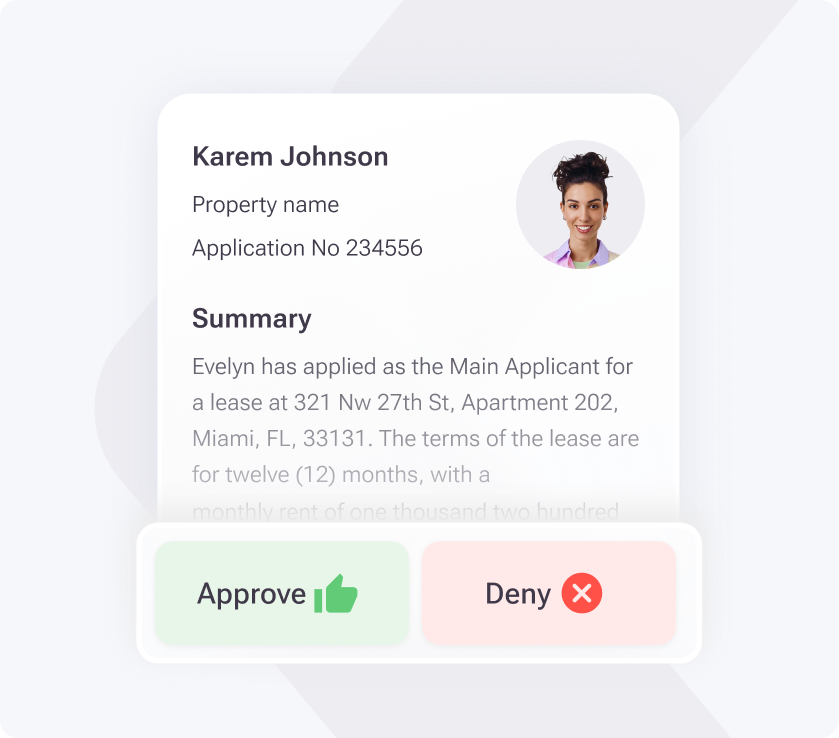
Tools like QuickApprove dashboards give board members real-time updates, AI-summarized applicant details, and built-in voting features. This cuts out slow email chains and ensures transparency with audit trails.
Dedicated tools speed up approvals by up to 70%, helping residents move in quicker and improving cash flow. They also lessen the load on managers who once handled board coordination manually.
AI summaries highlight key applicant info for quick, informed decisions, respecting board members’ time. Audit trails log every vote and comment, supporting compliance and legal needs.
Schedule a demo today to see how TenantEvaluation can streamline board processes and boost revenue for your association.
6. Make Strategic Decisions with Advanced Reporting and AI Analytics
Data is key to managing associations well. Older methods miss chances for improvement because they lack detailed insights. Advanced reporting and AI analytics turn data into useful information for planning and resource use.
Analytics tools offer details on demographics, trends in rentals or purchases, and operational stats. This helps boards decide on amenities like dog parks or EV charging stations based on resident needs.
Real-time insights give a clear view of association performance. Custom dashboards provide current data on finances and trends for informed choices. This allows proactive management of issues before they grow.
Predictive tools also forecast trends like resident turnover or maintenance needs, aiding long-term planning. Customizable dashboards and automated reports ensure you have the right info at the right time.
7. Ensure Quality with Comprehensive Screening and Automated Fees
Thorough resident screening builds a strong foundation for associations. Weak processes risk financial loss, legal issues, and community problems. Integrated screening tools offer full applicant checks with less effort.
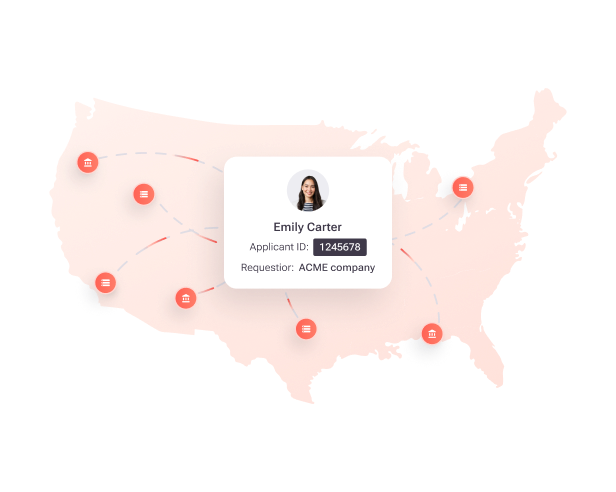
Advanced systems combine identity checks (IDverify), income verification (IncomeEv), and background searches (SafeCheck+) in one workflow. This ensures complete reviews without slowing down the process.
Income checks go beyond self-reported data, confirming details with employers for accuracy. Background searches cover criminal records, credit history, and more, staying compliant with FCRA rules.
Automated fee collection cuts errors and workload from manual payments. Online systems handle payments and accounting tasks with fewer mistakes. This ensures steady revenue for associations.
Screening features include multi-source ID checks, direct income validation, nationwide background searches, and built-in fee systems for reliable resident selection and financial support.
Frequently Asked Questions (FAQ)
How Do Platforms Manage Different Bylaws for Florida Associations?
Specialized platforms offer flexible customization to match each association’s unique bylaws and Florida laws. They let you set specific screening rules, document needs, and approval steps. Working with platform experts, you can input details like credit minimums or pet policies. These systems handle complex rules, like varied requirements for tenants or seasonal residents, and update as laws or bylaws change.
What Sets Specialized HOA/Condo Platforms Apart from Generic Software?
Specialized platforms focus on community governance and compliance, unlike generic tools built for basic landlord-tenant tasks. They include board interfaces for reviews and voting, customizable screening, automated compliance tracking, and detailed audit records. Analytics help with planning, while features like AI summaries and fee collection add unique value for HOAs and condos in Florida.
Can Platforms Connect with Existing Accounting Systems?
Modern platforms integrate smoothly with accounting software used by associations. They sync data from screening and fees to financial reports without manual entry. Using APIs or direct connections, these systems ensure accuracy and security, handling complex needs like fund tracking and detailed reporting for board oversight.
How Do Platforms Secure Sensitive Resident Data?
Top platforms protect data with PCI Level 1 compliance, full encryption, and automated redaction of personal info. They limit access to authorized users, track all data interactions, and regularly assess security. Compliance with privacy laws and secure cloud backups reduce risks while keeping data accessible only to those who need it.
What Support Is Available for New Platform Implementation?
Associations get robust support for platform setup and use. Dedicated onboarding specialists help configure settings and train staff. Ongoing assistance includes 24/7 tech support via phone, email, or chat, plus online resources like tutorials and webinars. Updates and feature enhancements come with guidance to keep operations running smoothly.
Conclusion: Automation and Security Shape Florida Association Management
Specialized technology platforms are redefining community association management in Florida. The seven features discussed provide a clear path to modernize operations, improve resident experiences, and strengthen governance.
Florida’s specific rules and diverse needs demand tailored tools that generic software can’t match. From automated workflows to strong security and board tools, these platforms turn challenges into strengths.
Financial gains go beyond saving money, including increased income and lower risks. Success stories, like a Florida company saving $240,000 yearly, show the real impact of these systems. Security features like encryption and audit trails protect against breaches and legal issues.
AI analytics support smart planning with data on trends and demographics, helping associations invest wisely. Adopting these platforms prepares HOAs and condos for growth and better community living.
Schedule a demo today to see how TenantEvaluation can enhance your association with technology built for Florida HOAs and condos.
